
Safety Gear For Mechanics
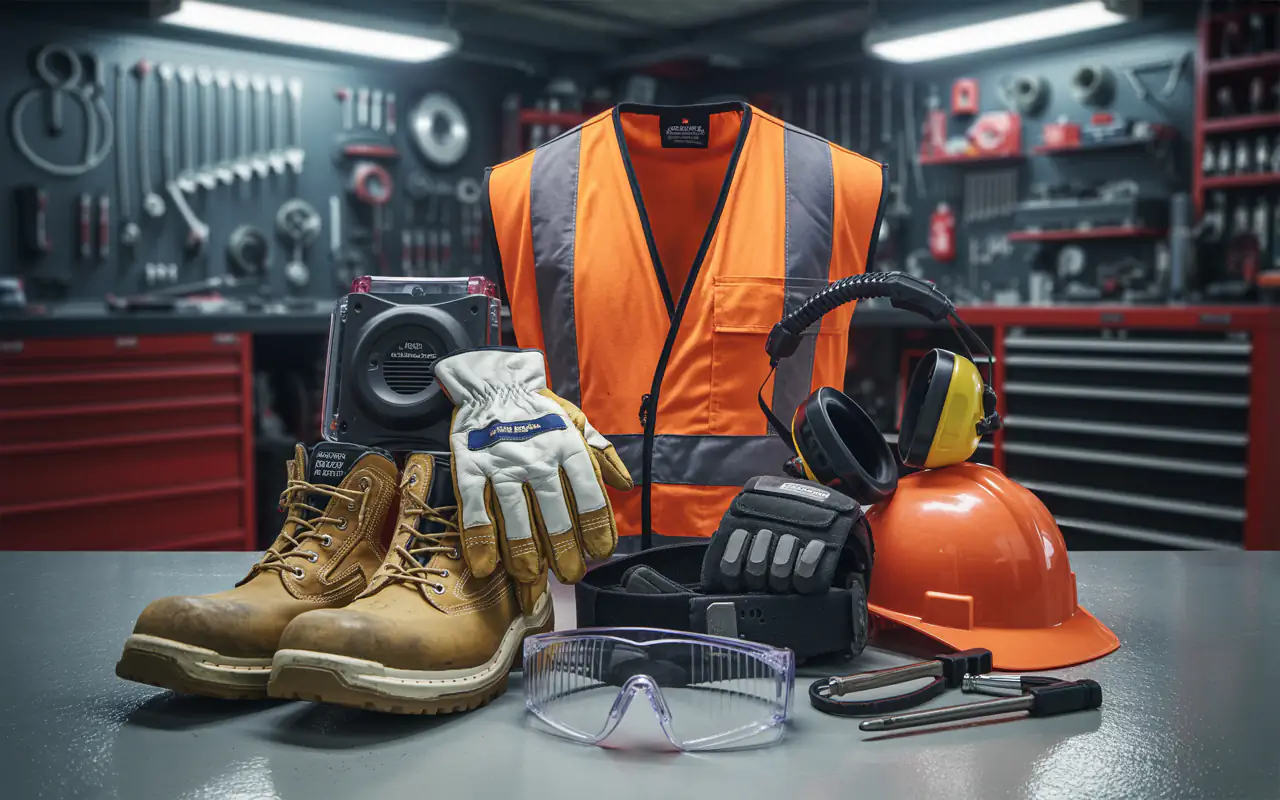
If you work with cars or machines, proper safety gear for mechanics prevents injuries. Learn about eye shields, work gloves, hearing protection, safety boots, and protective clothing. Get practical tips now.
Working under a car, fixing an engine, or using power tools feels great. But it also comes with real risks. I have spent many years in workshops, and I can tell you this: small accidents happen fast. A flying piece of metal, a loud drill, or a hot surface can hurt you badly. That is why safety gear for mechanics is not just a good idea. It is a must.
In this guide, I will walk you through everything you need to stay safe. You will learn about eye protection, gloves, boots, ear covers, and work clothes. I will also share common mistakes to avoid and how to pick the right gear. Let us get started.
“I have seen too many mechanics lose their eyesight or hearing because they skipped basic protection. Do not be one of them.” – Robert Hayes, Auto Shop Owner with 25 years of experience
Why Every Mechanic Needs Proper Safety Gear
You might think you work carefully. But shops are full of surprises. A spring can pop loose. A hammer can slip. A chemical can splash. Without the right safety gear for mechanics, these small events turn into big injuries.
Your hands, eyes, ears, and feet face danger every day. Oil and grease make floors slippery. Loud tools damage hearing over time. Sharp edges cut skin. Hot parts burn. Dust and fumes irritate your lungs.
Good safety gear stops most of these problems before they start. It is like wearing a seatbelt. You hope you never need it, but you are glad it is there when something goes wrong.
Also, many work places now require proper safety equipment. Insurance companies check for it. A smart mechanic knows that spending a little on gear saves a lot on doctor bills.
The Most Important Types of Safety Gear for Mechanics
Different jobs need different protection. But some items belong in every toolbox. Below is a quick look at the main types of safety gear for mechanics and what they do.
| Body Part | Gear Type | Key Feature |
|---|---|---|
| Eyes | Safety glasses or goggles | Impact and splash resistance |
| Hands | Work gloves | Cut, heat, and chemical protection |
| Feet | Steel toe boots | Crush and slip resistance |
| Ears | Ear muffs or plugs | Noise reduction rating (NRR) |
| Body | Coveralls or apron | Oil, flame, and tear resistance |
Now let me explain each one in detail.
Eye and Face Protection
Your eyes are soft and easy to damage. A tiny piece of metal flying at high speed can blind you forever. I always wear safety glasses when I grind, drill, or hammer. Even checking a battery can send acid into your face.
For most shop work, basic impact-rated glasses work fine. They should have side shields. For grinding or using chemicals, get goggles that seal around your eyes. If you do heavy cutting or welding, a full face shield gives extra protection. Never skip this part of your safety gear for mechanics.
Hand Protection (Gloves)
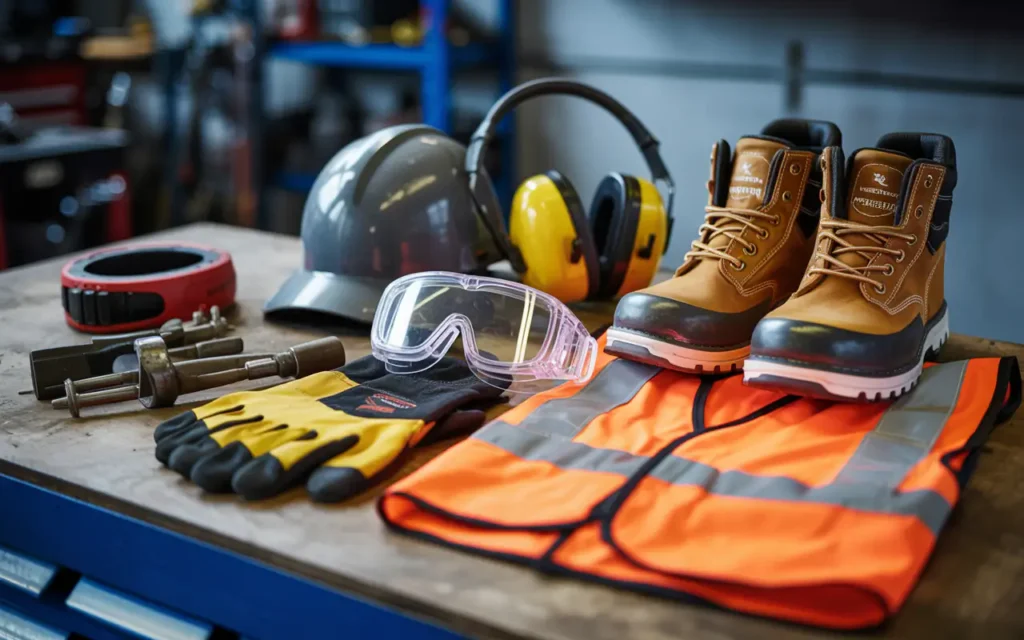
Your hands touch everything. Oily parts, hot exhaust pipes, sharp metal edges, and heavy tools. Without gloves, you get cuts, burns, and rashes.
Different gloves fit different tasks. Thin nitrile gloves protect against oil, fuel, and solvents. They let you feel small bolts. For heavy work like moving engine blocks, use thick leather or Kevlar gloves. Heat-resistant gloves help when you work near hot manifolds.
Keep several pairs ready. Change them when they get torn or oily. Good gloves are a core piece of any safety gear for mechanics kit.
“Cheap gloves are false economy. I buy high-quality cut-resistant gloves, and they last three times longer.” – Linda Greer, Heavy Equipment Technician
Foot Protection
A car can roll off a jack. A transmission can slip from your hands. Heavy parts crush toes easily. Steel toe boots stop that from happening.
Look for boots with a steel or composite toe cap. The sole should resist oil and have deep treads to prevent slips. Some boots also protect against electrical shock and punctures from nails or screws.
Make sure your boots fit well. Loose boots cause blisters and trips. Tight boots hurt after a long day. Good boots cost more upfront but save your feet for years. That makes them a smart part of your safety gear for mechanics.
Hearing Protection
Loud noises are sneaky. A single impact wrench or air hammer can hit 100 decibels. That is enough to damage your ears after just 15 minutes. You might not feel pain right away. But over months and years, you lose hearing slowly. And you never get it back.
Earplugs are small and cheap. They fit inside your ear canal. Ear muffs cover your whole ear and work better for very loud shops. Look for a Noise Reduction Rating (NRR) of at least 25 for most mechanic work.
Keep ear plugs in your pocket. Put them on before you start any loud tool. This simple habit makes a huge difference.
Body Protection (Clothing)
Your everyday jeans and t-shirt are not safe in a shop. Loose sleeves get caught in spinning parts. Cotton absorbs oil and fuel. And nothing protects your chest from a hot radiator or a sharp edge.
Coveralls or a mechanic shirt fit close to your body. They resist tears and some heat. A flame-resistant apron helps when welding or grinding.
I also recommend wearing a hat to keep debris out of your hair. And keep a pair of shop glasses on your forehead so you never forget them. Good body coverage completes your safety gear for mechanics.
How to Choose the Right Safety Gear for Mechanics
Walking into a safety supply store can feel confusing. So many brands, prices, and features. But you do not need to spend a fortune. You just need to know what to look for.
First, check for safety ratings. In the US, look for ANSI or OSHA approval. In Europe, look for CE marks. These labels mean the gear passed real tests.
Second, think about comfort. If your safety glasses pinch your nose, you will take them off. If your ear muffs squeeze your head, you will stop wearing them. Try things on before you buy.
Third, buy extras. Keep spare safety glasses and ear plugs in your tool box, your car, and your lunch box. You never know when you need them.
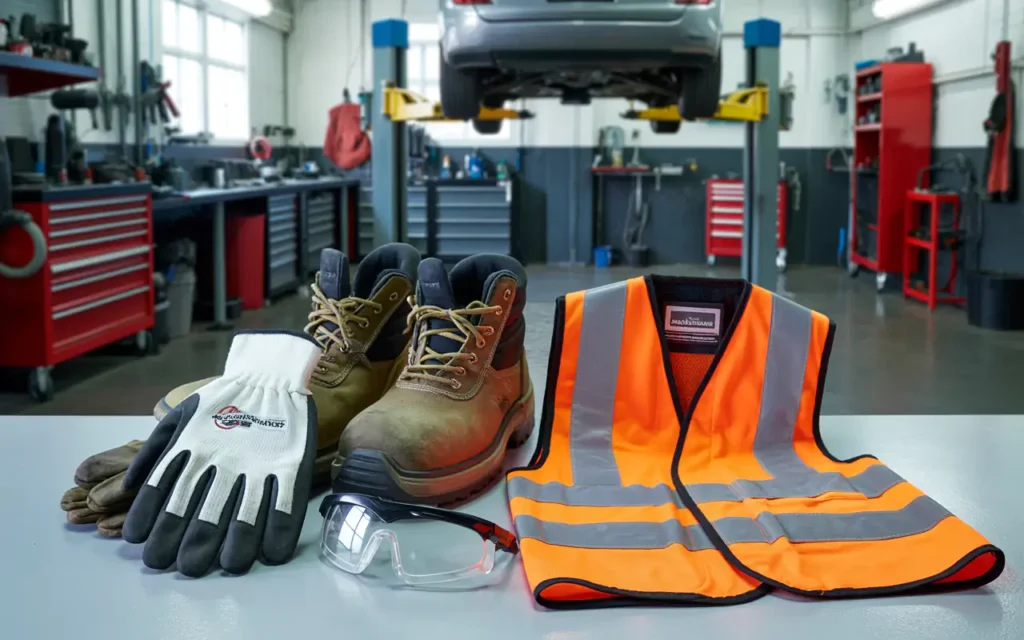
Here is a simple table to help you compare materials for work gloves. This is a key decision when building your safety gear for mechanics collection.
| Material | Best For | Weakness |
|---|---|---|
| Nitrile | Oil, fuel, solvents | Low cut resistance |
| Leather | Heavy parts, abrasion | Gets stiff when oily |
| Kevlar | Cut protection | Not oil resistant |
| Cotton with coating | General grip | No heat or cut protection |
Remember, no single glove does everything. Keep different types handy.
“I keep three glove pairs on my cart: nitrile for engine work, leather for suspension, and heat gloves for exhaust.” – David Chen, Master Mechanic
Common Mistakes Mechanics Make With Safety Gear
Even smart people make errors. Here are the most common ones I see with safety gear for mechanics.
Mistake 1: Wearing safety glasses over your forehead. They cannot protect your eyes if they are not on your face. Put them on before you start any task.
Mistake 2: Using damaged gear. Scratched goggles, torn gloves, or cracked hard hats do not work well. Replace them right away.
Mistake 3: Buying the cheapest option. Some cheap gloves melt under heat. Some glasses fog up so much you cannot see. Spend a little more for reliable brands.
Mistake 4: Ignoring hearing protection. Many older mechanics cannot hear well because they skipped ear plugs for years. Do not make that error.
Mistake 5: Wearing loose clothing or jewelry. A dangling necklace or baggy sleeve can get pulled into a fan belt. Tuck everything in.
Maintaining and Replacing Your Safety Gear
Safety gear does not last forever. Just like oil changes, you need to check and replace items on a schedule.
- Safety glasses: Replace when scratched or cloudy. Cleaning with a soft cloth and mild soap extends their life.
- Gloves: Throw away if you see holes, stiff spots, or chemical smells that do not wash out.
- Boots: Check the sole tread and steel toe cover. Replace when the sole is smooth or the leather cracks.
- Ear muffs: Replace foam inserts every 6 months. Wipe the headband with a damp cloth.
- Coveralls: Wash after each work week. Look for tears or thin spots.
Set a reminder on your phone to check your gear every three months. A little care keeps your safety gear for mechanics working when you need it most.
Frequently Asked Questions
Q: Can I use regular sunglasses instead of safety glasses?
No. Regular sunglasses break easily and do not stop flying objects. Always use ANSI-rated safety glasses.
Q: How often should I replace my safety gear for mechanics?
It depends on use. Replace gloves every few weeks if you work daily. Glasses last a year or until scratched. Boots usually last 1 to 2 years. Check everything often.
Q: Do I need all this gear for home garage work?
Yes. Home shops have the same dangers. A grinder does not care if you are at work or home. Wear proper safety gear for mechanics even for small jobs.
Q: What is the most important piece of safety gear?
Eye protection. Losing an eye changes your life forever. Always start with good glasses or goggles.
Q: Where can I buy affordable safety gear?
Hardware stores, auto parts shops, and online stores like Grainger or Zoro. Look for sales on last season’s models. Just check the safety ratings first.
Q: Can safety gear be uncomfortable?
Some cheap gear is uncomfortable. But good brands design for all-day wear. Spend a little more, and you will barely notice them.
Q: Does my employer have to provide safety gear for mechanics?
In many countries, yes. But do not wait if they are slow. Your health is worth your own investment.
Conclusion
Working on cars and machines is a great skill. But it comes with real risks to your eyes, hands, ears, and feet. The good news is that proper safety gear for mechanics stops nearly all of those risks before they hurt you.
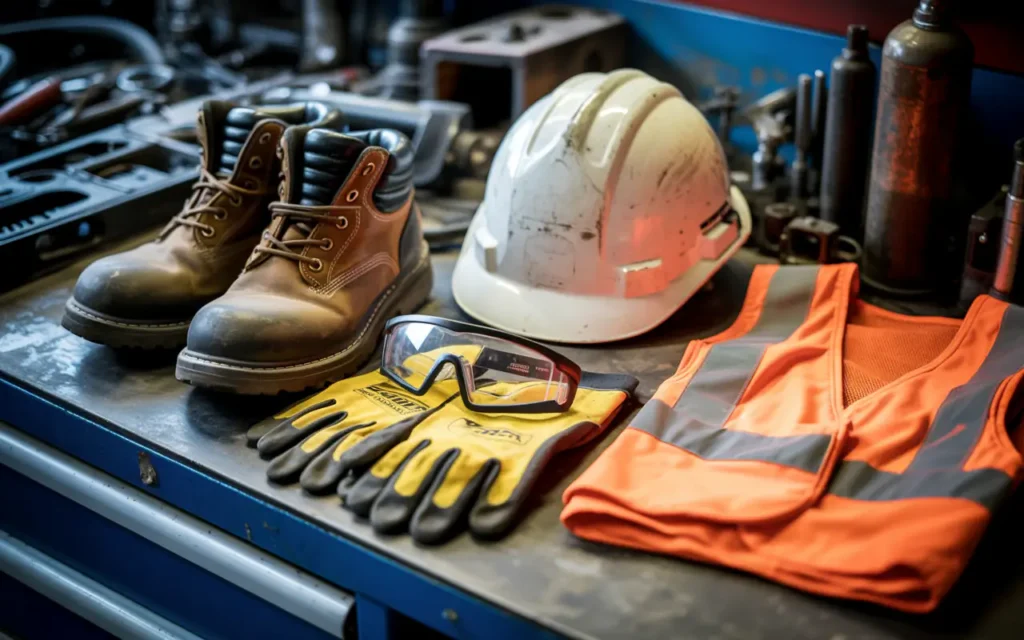
You need impact-rated safety glasses, cut-resistant gloves, steel toe boots, ear protection, and tough coveralls. Check your gear often. Replace worn items quickly. And never take shortcuts just to save a few minutes.
I have seen too many people get hurt because they felt “too cool” for safety glasses or ear plugs. Do not let that be you. Spend a small amount on good gear. Wear it every single time you walk into the shop. Your future self will thank you.
Now go check your tool box. Do you have everything you need? If not, make a list and buy one item this week. Start with eye protection. Then add the rest over time. Stay safe out there.
Related posts
 How to Strengthen Weak Nails: A Practical Guide to Daily Care
Learn how to strengthen weak nails with simple daily habits, protective care, and targeted hydration. Restore your natural nail strength today. Weak, peeling, or brittle nails…
 What Sounds Do Cats Dislike? 7 Noises That Stress Your Pet
Discover what sounds do cats dislike and why. Learn how to protect your cat’s sensitive hearing from stressful household noises and high-frequency hums. Cats dislike sounds…
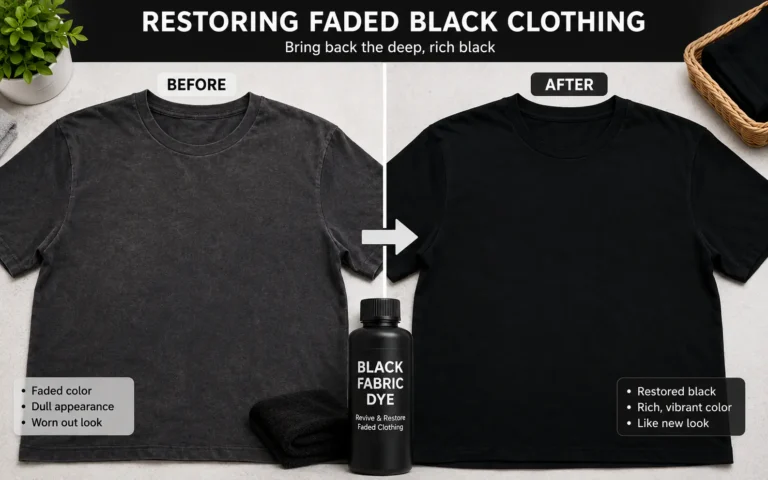 Restoring Faded Black Clothing: Practical Methods and Reality Checks
Can you restore faded black clothing? Learn the difference between temporary color revival and permanent redyeing, plus how to prevent future fading. You can restore the…