
Kitchen Safety Tips for Home: Prevent Accidents
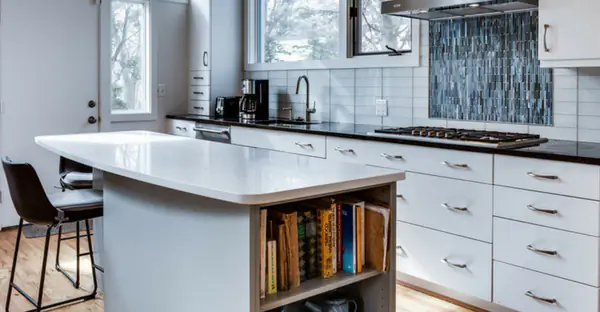
Ensuring your kitchen is a safe space is paramount for any home. Kitchen safety tips for home focus on preventing common accidents like slips, burns, cuts, and fires that can occur during cooking, food preparation, or general use.
This guide provides practical advice covering everything from keeping your floors clear to safely handling appliances and preventing fires. Implementing these tips will help create a more secure and enjoyable kitchen environment.
Safety checks
- Maintain a clean and dry kitchen floor to prevent slips.
- Handle sharp objects with care and store them safely.
- Never leave cooking unattended to prevent fires.
- Practice good hygiene to avoid foodborne illnesses.
- Be mindful of children and pets around hot surfaces and appliances.
| Topic | When it helps | What to keep in mind |
|---|---|---|
| 1 | Preventing slips and falls for all household members. | Ignoring small spills can lead to serious injuries. |
| 2 | Preventing cuts during food preparation. | Never try to catch a falling knife. |
| 3 | Avoiding burns from hot surfaces, liquids, and steam. | Never carry hot liquids over children or pets. |
| 4 | Preventing electrical shocks and appliance malfunctions. | Do not overload electrical outlets. |
| 5 | Preventing kitchen fires. | The leading cause of kitchen fires is unattended cooking. |
| 6 | Preventing foodborne illnesses. | Do not rely on smell or appearance alone to determine if food is safe to eat. |
Focus on common hazards and
1. Keep Floors Clear and Dry
Regularly clear the kitchen floor of clutter like toys, pet bowls, or stray items. Immediately wipe up any spills, whether water, oil, or food, to prevent slippery surfaces.
- Preventing slips and falls for all household members.
- Ignoring small spills can lead to serious injuries.
- Keep a mop or absorbent cloths readily accessible near cooking areas.
2. Handle Sharp Objects with Care
Always cut away from your body. Use a stable cutting board and keep knives sharp, as dull knives require more force and are more likely to slip.
- Preventing cuts during food preparation.
- Never try to catch a falling knife.
- Consider using cut-resistant gloves for tasks involving high risk of cuts.
3. Prevent Burns and Scalds
Turn pot handles inward to prevent them from being knocked over. Use oven mitts or pot holders for hot items.
- Avoiding burns from hot surfaces, liquids, and steam.
- Never carry hot liquids over children or pets.
- Keep a cool compress or first-aid kit readily available for minor burns.
4. Use Appliances Safely
Read appliance manuals and follow instructions. Ensure electrical cords are not frayed and are kept away from water.

- Preventing electrical shocks and appliance malfunctions.
- Do not overload electrical outlets.
- Consider installing ground fault circuit interrupters (GFCIs) in kitchen outlets for added electrical safety.
5. Practice Fire Prevention
Never leave cooking food unattended. Keep flammable materials like dish towels, paper, and curtains away from the stovetop.
- Preventing kitchen fires.
- The leading cause of kitchen fires is unattended cooking.
- Install smoke detectors near the kitchen and test them monthly.
6. Maintain Basic Food Safety
Wash hands thoroughly before and after handling food. Keep raw meats, poultry, and seafood separate from ready-to-eat foods to prevent cross-contamination.
- Preventing foodborne illnesses.
- Do not rely on smell or appearance alone to determine if food is safe to eat.
- Use a food thermometer to ensure meats are cooked to safe temperatures.
Preventing Slips and Falls
The kitchen floor can quickly become a hazard zone due to spills, dropped food, or items left lying around. A simple slip can lead to serious injuries like sprains, fractures, or head trauma.
To maintain a safe environment, make it a habit to clean up any spills immediately. This includes water, oil, grease, or any food item.
Beyond spills, clutter is another major contributor to falls. Ensure that the floor is free of toys, pet food bowls, bags, or any other items that could be tripped over.
Imagine a child running into the kitchen and slipping on a small puddle of water left from washing dishes.
Leaving spills unattended, even small ones, or allowing clutter to accumulate on the floor.
Safe Use of Appliances and Tools
The kitchen is filled with tools and appliances that, while useful, can pose risks if not used correctly. Safe handling of knives is crucial; always cut away from your body and use a stable cutting board.

When it comes to appliances, always read the manufacturer’s instructions. Ensure electrical cords are in good condition and kept away from water sources.
Be mindful of hot surfaces on appliances like toasters, ovens, and stovetops. Use oven mitts or pot holders when handling hot items, and turn pot handles inward to prevent them from being accidentally knocked over.
A common mistake is using a dull knife, which requires more pressure and is prone to slipping, leading to cuts.
Using damaged electrical cords, operating appliances near water without caution, or mishandling sharp knives.
- Always cut on a stable surface, away from your body.
- Keep knives sharp; dull knives are more dangerous.
- Store knives safely in a block or on a magnetic strip.
- Read appliance manuals before first use.
- Inspect electrical cords for damage before plugging in.
Fire Prevention and Response
Cooking is the leading cause of home fires, making fire prevention a critical aspect of kitchen safety. The most important rule is to never leave cooking food unattended, especially when frying, grilling, or broiling.
Keep the area around your stovetop clear of flammable materials such as dish towels, oven mitts, paper towels, and curtains. Regularly clean grease buildup from the stovetop, oven, and exhaust hood, as this can ignite easily.
If a small grease fire does occur, do not try to extinguish it with water, as this can spread the flames. Instead, slide a lid over the pan to smother the flames and turn off the heat.
Leaving a pot of oil on the stove unattended while you answer the phone is a common scenario that can quickly escalate into a grease fire.
Leaving cooking unattended, storing flammable items near the stove, or not having a working fire extinguisher.
- Stay in the kitchen when frying, grilling, or broiling.
- Keep flammable items away from heat sources.
- Clean grease traps and stovetops regularly.
- Know how to use a fire extinguisher.
- Test smoke detectors monthly.
Basic Food Safety Practices
While often focused on physical hazards, kitchen safety also includes preventing foodborne illnesses. This starts with basic hygiene and proper food handling.
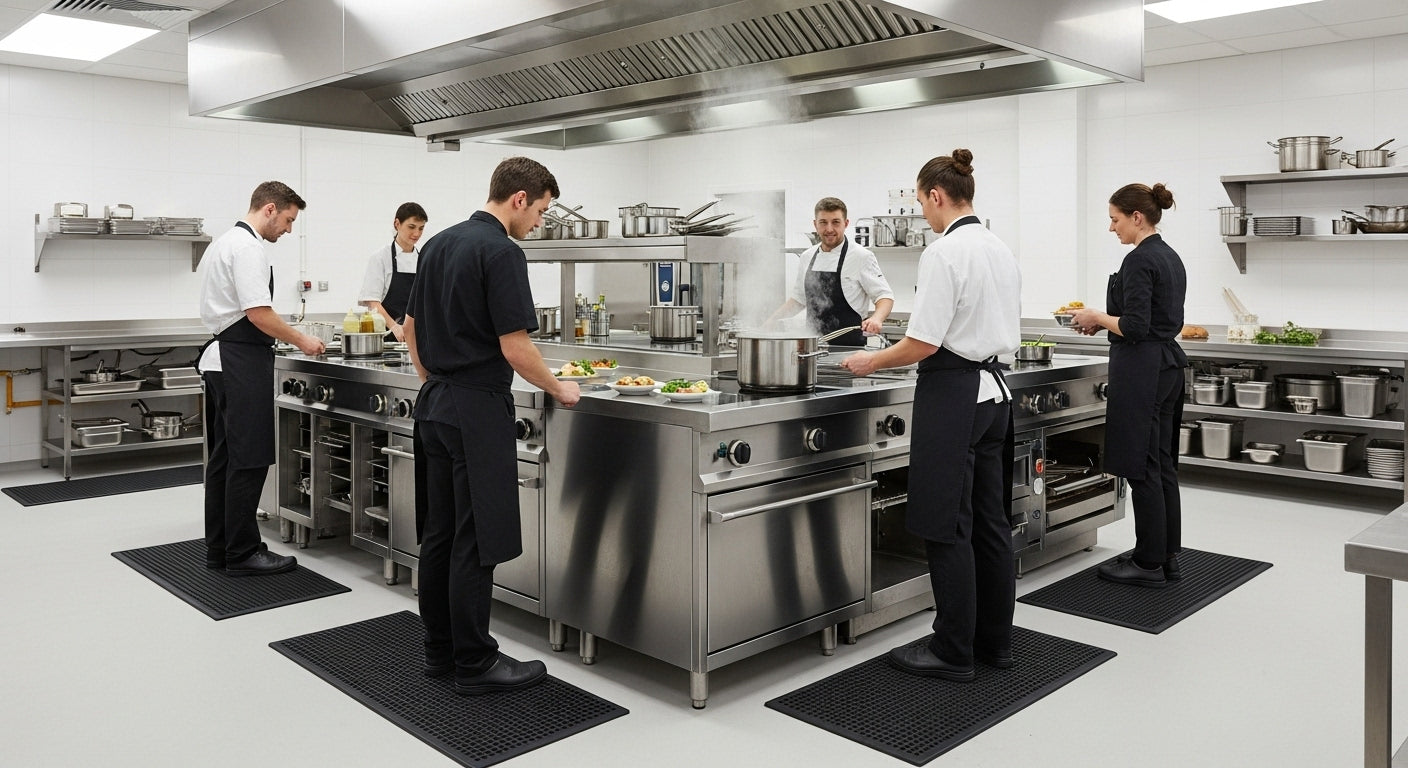
Always wash your hands thoroughly with soap and warm water before, during, and after preparing food. This is especially important after handling raw meat, poultry, seafood, or eggs.
Prevent cross-contamination by keeping raw meats, poultry, and seafood separate from ready-to-eat foods like salads and fruits. Use separate cutting boards and utensils for raw and cooked foods, or wash them thoroughly between uses.
Using the same cutting board for raw chicken and then for salad vegetables without washing it in between can transfer harmful bacteria, leading to food poisoning.
Cross-contamination, improper food storage, and not cooking food to safe temperatures.
- Wash hands frequently.
- Separate raw and cooked foods.
- Use clean utensils and cutting boards.
- Cook food to safe internal temperatures.
- Refrigerate leftovers promptly.
Keeping Children and Pets Safe
Children and pets are naturally curious, making the kitchen a place of potential danger for them. Special precautions are needed to keep them safe.
For children, consider using safety latches on cabinets containing cleaning supplies or sharp objects. Keep them away from hot stoves, ovens, and appliances.
Pets can also be at risk. Keep cleaning products and medications stored securely.
A curious toddler reaching for a hot pot handle on the stove is a serious risk.
Leaving cleaning supplies accessible, allowing unsupervised access to hot surfaces, or not securing appliances.
- Use cabinet safety latches.
- Keep children away from hot surfaces.
- Turn pot handles inward.
- Store cleaning supplies securely.
- Designate a safe zone for pets.
FAQs
What is the most common kitchen accident?
The most common kitchen accidents are slips and falls, followed closely by burns and cuts from knives or hot surfaces.
How can I prevent fires when cooking?
Never leave cooking unattended, keep flammable items away from the stove, and ensure your cooking area is clean of grease buildup. Have a fire extinguisher readily available.
What should I do if I get a minor burn in the kitchen?
Immediately run cool (not cold) water over the burn for several minutes. Do not use ice.
Are there specific safety tips for using a microwave?
Yes, always use microwave-safe containers, avoid overheating liquids (which can erupt), and be cautious of steam when removing food. Never operate a microwave if the door is damaged.
How can I make my kitchen safer for elderly individuals?
Ensure good lighting, non-slip flooring, easy-to-reach items, and consider grab bars near the stove or sink. Keep pathways clear of clutter.
Conclusion
Creating a safe kitchen environment is an ongoing process that involves awareness and consistent practice. By implementing these kitchen safety tips for home, you can significantly reduce the risk of accidents and protect your loved ones.
Remember to regularly assess your kitchen for potential hazards and make safety a priority in your daily routine. A little vigilance goes a long way in preventing injuries and ensuring your kitchen remains a place for enjoyable cooking and family time.
Related posts
 How to Strengthen Weak Nails: A Practical Guide to Daily Care
Learn how to strengthen weak nails with simple daily habits, protective care, and targeted hydration. Restore your natural nail strength today. Weak, peeling, or brittle nails…
 What Sounds Do Cats Dislike? 7 Noises That Stress Your Pet
Discover what sounds do cats dislike and why. Learn how to protect your cat’s sensitive hearing from stressful household noises and high-frequency hums. Cats dislike sounds…
 Restoring Faded Black Clothing: Practical Methods and Reality Checks
Can you restore faded black clothing? Learn the difference between temporary color revival and permanent redyeing, plus how to prevent future fading. You can restore the…