
Why Indoor Air Quality Is Important

Your home should be a safe place, yet the air inside can be more polluted than outdoors. This is why indoor air quality is important for your health, your focus, and your family’s well-being. Learn the hidden risks and simple fixes you can start today.
Think about your typical day. You wake up, have breakfast, go to work or school, come back home, and sleep. Most of these activities happen inside buildings. Research shows that people spend about 90 percent of their time indoors. That is a lot of time spent breathing indoor air. We often worry about smog and car exhaust outside. But the air inside our homes, offices, and schools can be just as harmful. Sometimes, it is even worse than outdoor air.
Many things affect the air we breathe inside. These include dust, mold, cleaning products, and even cooking fumes. When we do not pay attention to these things, we put our health at risk. This is exactly why indoor air quality is important. It is not just about comfort. It is about staying healthy, thinking clearly, and protecting the people we love.
We have learned a lot about air pollution over the years. Yet, many of us still ignore the air inside our own homes. This article will help you understand the problem. You will learn about the sources of indoor pollution, the health effects, and the simple steps you can take to breathe easier.
The Hidden Danger Inside Your Home
Most people believe that staying indoors keeps them safe from pollution. Unfortunately, that is not true. Homes can trap pollutants inside. Without good airflow, these harmful particles build up. They come from everyday items. Your furniture, your cleaning supplies, and even your stove can release chemicals into the air.
The US Environmental Protection Agency (EPA) lists common indoor pollutants. These include carbon monoxide, radon, mold, and volatile organic compounds (VOCs). VOCs are gases from certain solids or liquids. They are found in paints, varnishes, and many cleaning products. When you use these products, they release chemicals that you breathe in.
Mold is another big problem. It grows in damp areas like bathrooms and basements. Mold releases spores into the air. These spores can cause allergic reactions and breathing problems. Even simple activities like cooking can create harmful particles. Gas stoves produce nitrogen dioxide and fine particles. Over time, these pollutants can harm your lungs.
This is why indoor air quality is important for every household. We cannot see these pollutants, but they are there. They affect our health in ways we might not notice right away.
How Poor Indoor Air Affects Your Body
The effects of bad indoor air can be mild or severe. Some symptoms show up quickly. You might feel dizzy, get a headache, or have itchy eyes. These symptoms might go away when you leave the building. But long-term exposure is more dangerous.
Studies have linked indoor air pollution to serious health conditions. These include asthma, chronic obstructive pulmonary disease (COPD), and heart disease. Fine particles in the air can enter your lungs and even your bloodstream. This can lead to inflammation and damage to your organs.
The World Health Organization (WHO) reports that indoor air pollution plays a role in millions of deaths each year. In 2020, indoor and outdoor pollution together caused 6.7 million premature deaths. These numbers are alarming. They show why indoor air quality is important for public health.
Breathing polluted air also weakens your immune system. It can make you more likely to get infections. Children who grow up in homes with poor air quality are more likely to develop asthma. Older adults are also at higher risk. Their bodies are less able to fight off the effects of pollution.
Health Effects of Common Indoor Pollutants
Who Is Most at Risk?
Poor indoor air does not affect everyone the same way. Some groups are more vulnerable. Children are especially at risk. Their lungs are still developing. They breathe more air relative to their body size than adults do. This means they absorb more pollutants.
Pregnant women also need to be careful. Studies show that indoor air pollution can affect unborn babies. It has been linked to low birth weight and other complications. The elderly are another high-risk group. They often have pre-existing health conditions. Poor air can make these conditions worse.
People with chronic illnesses like asthma or heart disease are also vulnerable. Even short-term exposure to pollution can trigger an attack. If you have a family member in any of these groups, you should take indoor air quality seriously. It can make a big difference in their quality of life.
The Connection Between Air Quality and Your Brain
We often think about how air pollution affects our lungs. But it also affects our brain. Recent research shows a clear link between indoor air quality and cognitive function. When you breathe in polluted air, it can impair your ability to think, focus, and remember.
High levels of carbon dioxide (CO2) in a room can make you feel drowsy. The WHO recommends that CO2 levels stay below 1,000 parts per million in occupied spaces. When levels go above this, people may experience cognitive impairment. This is a big problem in offices and schools.
Studies have found that elevated PM2.5 levels indoors can hurt memory and attention. Workers in poorly ventilated offices often report lower productivity. They feel tired and find it hard to concentrate. This is another reason why indoor air quality is important for employers. Clean air leads to better work performance.
Students are also affected. Classrooms with poor ventilation can impact learning. Students may struggle to pay attention or retain information. If we want our children to succeed in school, we need to make sure they are breathing clean air.
“Clean air is not a luxury; it is a necessity for a healthy mind and body. The quality of the air we breathe directly influences our cognitive abilities and emotional well-being.” – Dr. Arlene Blum, Environmental Health Researcher
The Economic Cost of Ignoring Air Quality
Poor indoor air quality has a financial cost too. When people get sick, they miss work. This leads to lost productivity. Healthcare costs also go up. Treating asthma, heart disease, and other pollution-related illnesses is expensive.
In France, a study estimated that indoor air pollution costs about €19 billion per year. This includes medical expenses and lost workdays. In the United States, the cost is likely much higher. These numbers show that investing in clean air is actually a smart financial decision.
Businesses can benefit from better indoor air quality. Employees who breathe clean air are healthier and more productive. They take fewer sick days. Schools can also benefit. Students in well-ventilated classrooms perform better academically.
Common Sources of Indoor Pollution
Understanding where pollutants come from is the first step to fixing the problem. Here are some of the most common sources in your home or workplace.
Cooking and Heating – Gas stoves and heaters release carbon monoxide and nitrogen dioxide. Wood-burning fireplaces also produce fine particles. Even electric cooking can release pollutants if food is burned.
Building Materials – Some building materials contain harmful chemicals. Asbestos and formaldehyde are two examples. New furniture and carpets can release VOCs for months after they are installed.
Cleaning Products – Many household cleaners contain strong chemicals. These release VOCs into the air. Air fresheners and scented candles are also sources of pollution.
Moisture and Mold – Leaks and high humidity lead to mold growth. Mold releases spores that can cause allergic reactions.
Outdoor Pollution – Outdoor air can enter your home through windows and doors. If you live near a busy road, your indoor air may be affected by car exhaust.
Table 2: Simple Actions to Improve Indoor Air Quality
| Action | How It Helps | Ease of Implementation |
|---|---|---|
| Open Windows Daily | Brings in fresh air, dilutes pollutants | Very Easy |
| Use Exhaust Fans | Removes moisture and cooking fumes | Easy |
| Clean Regularly | Reduces dust and allergens | Moderate |
| Fix Leaks | Prevents mold growth | Moderate |
| Avoid Scented Products | Reduces VOC exposure | Very Easy |
| Test for Radon | Identifies hidden danger | Easy |
| Use Air Purifiers | Filters out particles | Moderate (Cost) |
Practical Ways to Improve Your Indoor Air
The good news is that you can take action. You do not need to spend a lot of money. Small changes can make a big difference.
Increase Ventilation – The simplest way to improve air quality is to let fresh air in. Open your windows for a few minutes each day. This helps flush out pollutants. Use exhaust fans in the kitchen and bathroom to remove moisture and fumes.
Control the Source – The EPA says that source control is the most effective strategy. This means eliminating the source of pollution. If you have mold, clean it up. If you use harsh cleaners, switch to natural alternatives. Avoid smoking indoors.
Use Air Cleaners – Portable air purifiers can help. Look for ones with HEPA filters. These can remove fine particles from the air. Some plants can also help clean the air. Spider plants, peace lilies, and snake plants are known to absorb harmful chemicals.
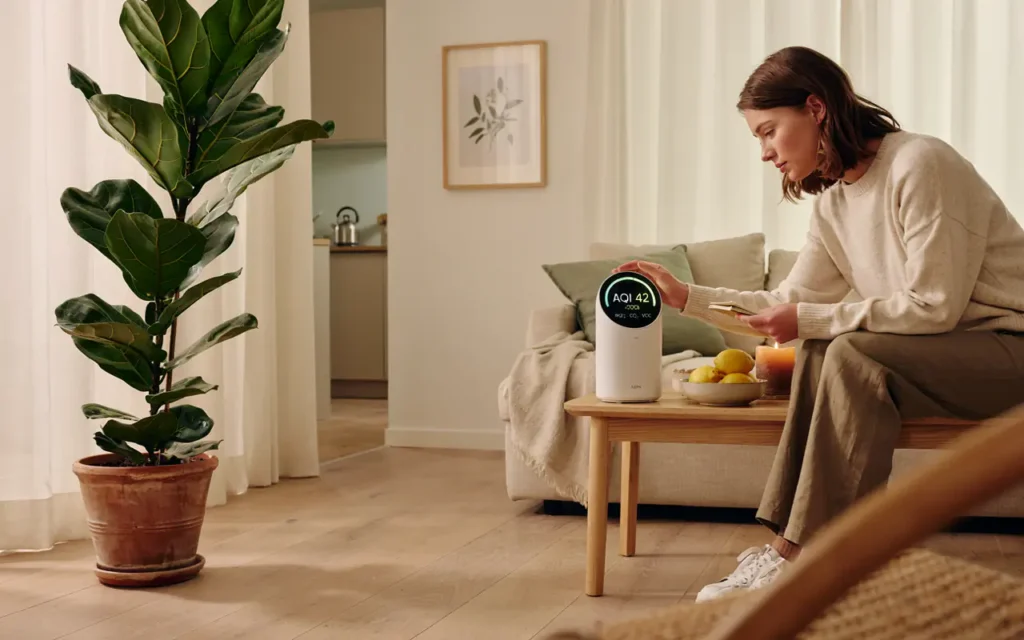
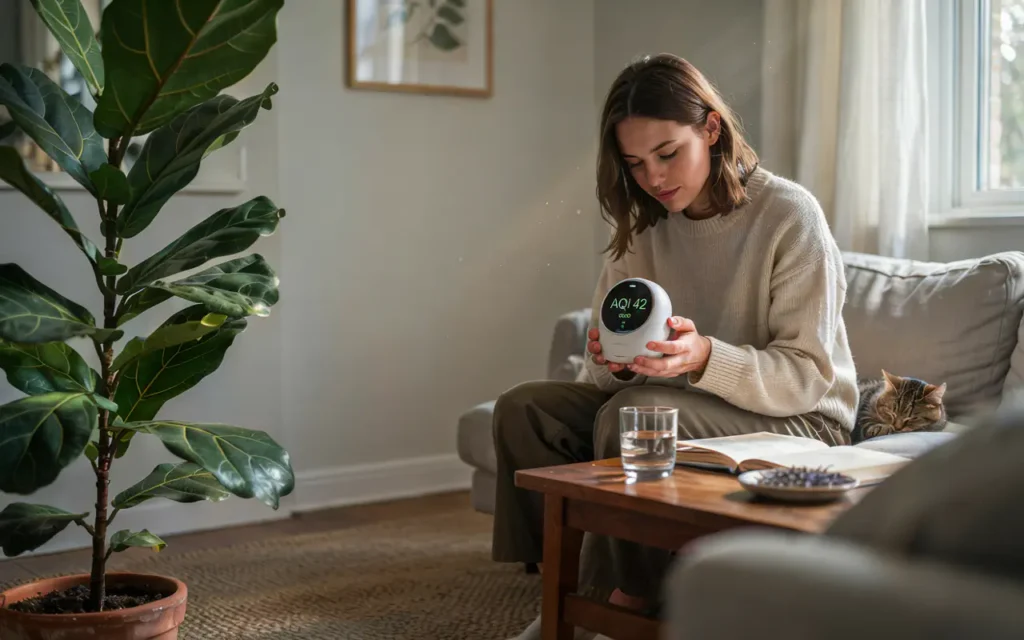
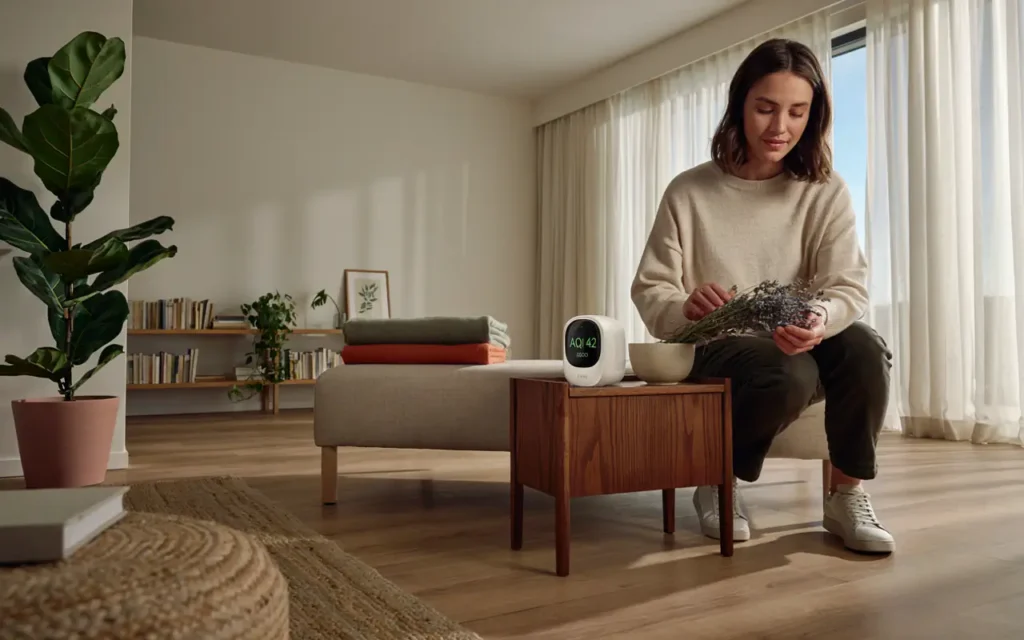
Monitor Your Air – You can buy indoor air quality monitors. These devices measure things like PM2.5, CO2, and VOCs. They can alert you when levels are too high. This helps you take action quickly.
Maintain Your HVAC System – Change your air filters regularly. Dirty filters do not work well. They can actually spread dust and allergens around your home.
Why Indoor Air Quality Is Important for Children and Schools
Children spend a lot of time in school. The air quality in classrooms matters a lot. Poor ventilation can lead to drowsiness and poor concentration. This affects learning. Schools with good air quality have students with better attendance and higher test scores.
Parents should ask about air quality at their child’s school. Are the windows opened regularly? Are the HVAC systems maintained? These are simple questions that can lead to better outcomes for students.
“We must recognize that the air children breathe in schools is as important as the curriculum they study. Clean air is fundamental to their ability to learn and thrive.” – Dr. Joseph G. Allen, Director of the Healthy Buildings Program at Harvard
Addressing Inequalities in Air Quality
Not everyone has the same access to clean air. Studies show that low-income and minority households often have worse indoor air quality. They may live in older buildings with more pollution. They may not be able to afford air purifiers or repairs.
In the UK, a study found that more deprived homes had higher levels of PM2.5. The most deprived homes had an average of 24.0 µg/m3, compared to 12.7 µg/m3 in the least deprived homes. This inequality is a serious problem. It shows that poor indoor air quality is also a social justice issue.
Policymakers need to address these disparities. Public awareness campaigns can help. Subsidies for cleaner cooking technologies can also make a difference. Everyone deserves to breathe clean air, regardless of their income.
The Role of Building Design
Architects and builders have a responsibility too. New buildings should be designed with good ventilation in mind. This includes proper airflow and the use of low-VOC materials.
Older buildings can be retrofitted. This might mean adding better windows or upgrading the HVAC system. These improvements cost money upfront but pay off in the long run. Healthier occupants mean lower healthcare costs and higher productivity.
Frequently Asked Questions
1. Why is indoor air quality important for my family?
Because we spend most of our time indoors, the air we breathe at home has a direct impact on our health. Poor indoor air can cause allergies, asthma, and even serious conditions like heart disease and cancer. Children, the elderly, and those with existing health issues are especially vulnerable. This is exactly why indoor air quality is important for every family.
2. What are the most common indoor air pollutants?
The most common pollutants include particulate matter (PM2.5), volatile organic compounds (VOCs), carbon monoxide, mold spores, and radon. These come from sources like cooking, cleaning products, building materials, and damp areas.
3. How can I test the air quality in my home?
You can buy an indoor air quality monitor. These devices measure different pollutants and give you real-time readings. You can also hire a professional to test for specific things like radon or mold.
4. Can houseplants really improve indoor air quality?
Yes, some plants can help. Spider plants, peace lilies, and snake plants are known to absorb certain chemicals. However, plants are not a substitute for proper ventilation or air purifiers. They work best as a complement to other strategies.
5. How often should I change my air filter?
You should check your air filter every month. Change it at least every three months. If you have pets or live in a dusty area, you may need to change it more often.
6. Is indoor air pollution worse in winter?
Yes, it can be. In winter, we tend to keep windows closed. This traps pollutants inside. Heating systems can also stir up dust and other particles.
7. What is sick building syndrome?
Sick building syndrome is a condition where people in a building experience acute health effects. These include headaches, eye irritation, and fatigue. The symptoms are linked to time spent in the building but have no specific illness identified.
8. How does indoor air quality affect my sleep?
Poor air quality can disrupt your sleep. Pollutants can irritate your airways, making it harder to breathe. High CO2 levels can also make you feel groggy.
9. Are air purifiers worth the money?
For many people, yes. Air purifiers with HEPA filters can remove fine particles from the air. They are especially helpful for people with allergies or asthma.
10. What is the first step to improving indoor air quality?
Start with ventilation. Open your windows regularly. Use exhaust fans when cooking or showering. This simple step can significantly reduce pollutant levels in your home.
Conclusion
We have covered a lot of ground. You now know that the air inside your home is not as clean as you might think. You understand the health risks, from minor irritations to serious diseases. You also know who is most at risk and what you can do about it.
The key takeaway is simple. Indoor air quality is important because it directly affects your health and well-being. You cannot see the pollutants, but they are there. They affect your breathing, your brain, and your quality of life.
The good news is that you have the power to change things. You do not need to make huge changes. Small steps can lead to big improvements. Open a window. Change your filter. Choose safer cleaning products. These actions will help you and your family breathe easier.
We all deserve to feel safe in our own homes. We deserve to breathe clean air. Take charge of your indoor environment today. Your lungs, your brain, and your family will thank you.
“The air we breathe indoors is the air we live in. Making it clean is one of the most impactful things we can do for our health.” – Dr. Richard Corsi, Dean of Engineering at the University of California, Davis
Related posts
 How to Strengthen Weak Nails: A Practical Guide to Daily Care
Learn how to strengthen weak nails with simple daily habits, protective care, and targeted hydration. Restore your natural nail strength today. Weak, peeling, or brittle nails…
 What Sounds Do Cats Dislike? 7 Noises That Stress Your Pet
Discover what sounds do cats dislike and why. Learn how to protect your cat’s sensitive hearing from stressful household noises and high-frequency hums. Cats dislike sounds…
 Restoring Faded Black Clothing: Practical Methods and Reality Checks
Can you restore faded black clothing? Learn the difference between temporary color revival and permanent redyeing, plus how to prevent future fading. You can restore the…