
Why Do I Feel Pain After Exercise
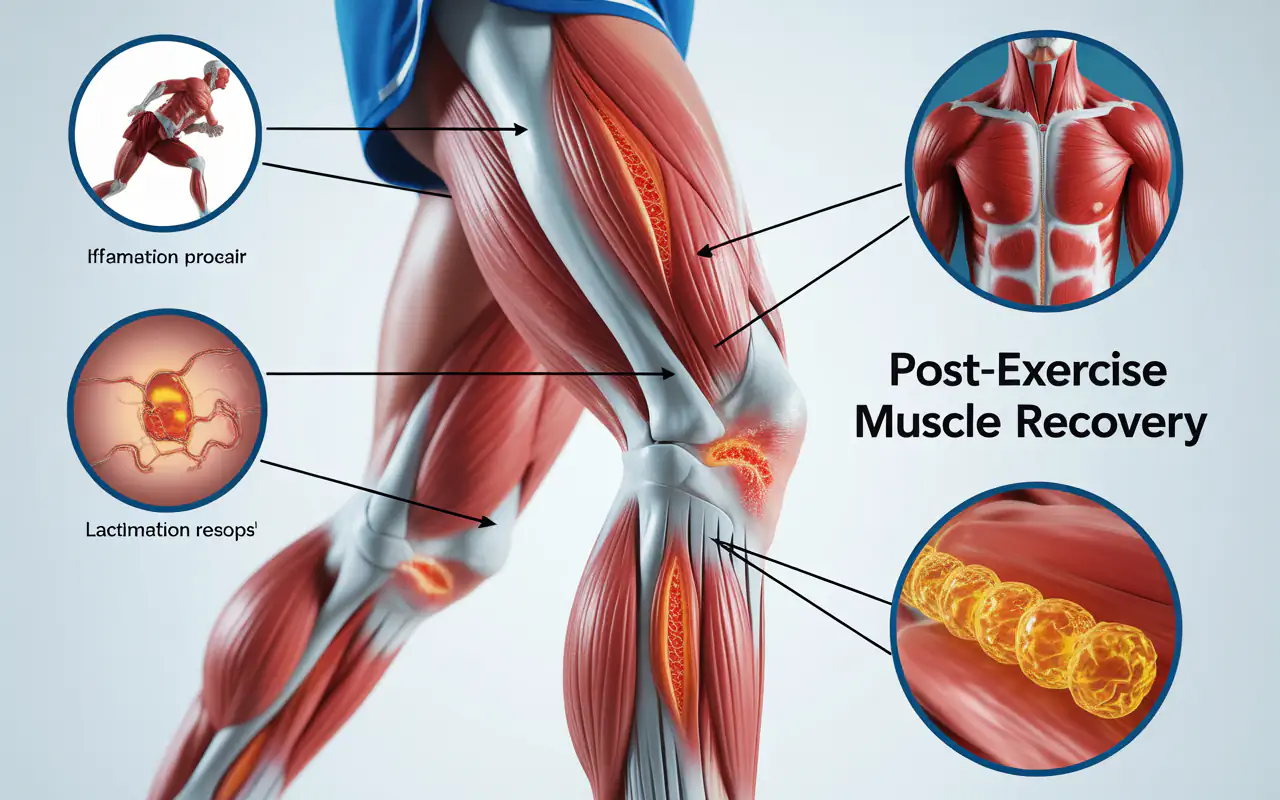
If you often wonder why I feel pain after exercise, you are experiencing Delayed Onset Muscle Soreness (DOMS), which is a normal response to tiny muscle tears that heal and make you stronger.
When you push your body during a workout, you might notice a dull, aching sensation in your muscles a day or two later. This common experience leaves many people asking why do I feel pain after exercise. The medical term for this phenomenon is Delayed Onset Muscle Soreness, commonly abbreviated as DOMS. This type of discomfort is entirely different from the sharp, immediate pain caused by a sudden injury like a sprain or a muscle strain.
DOMS typically begins to develop between 12 and 24 hours after your exercise session concludes. The discomfort usually peaks around 24 to 72 hours before it starts to fade away completely. When you experience this soreness, your muscles are actually responding to microscopic tears that occur during physical activity. This process is a completely natural part of how your body builds strength and adapts to new fitness challenges over time.
“Discomfort is a catalyst for growth, but you must learn to distinguish between the productive ache of progress and the dangerous sharp warning signs of injury.”
— Dr. Sarah Kingston, Sports Medicine Specialist
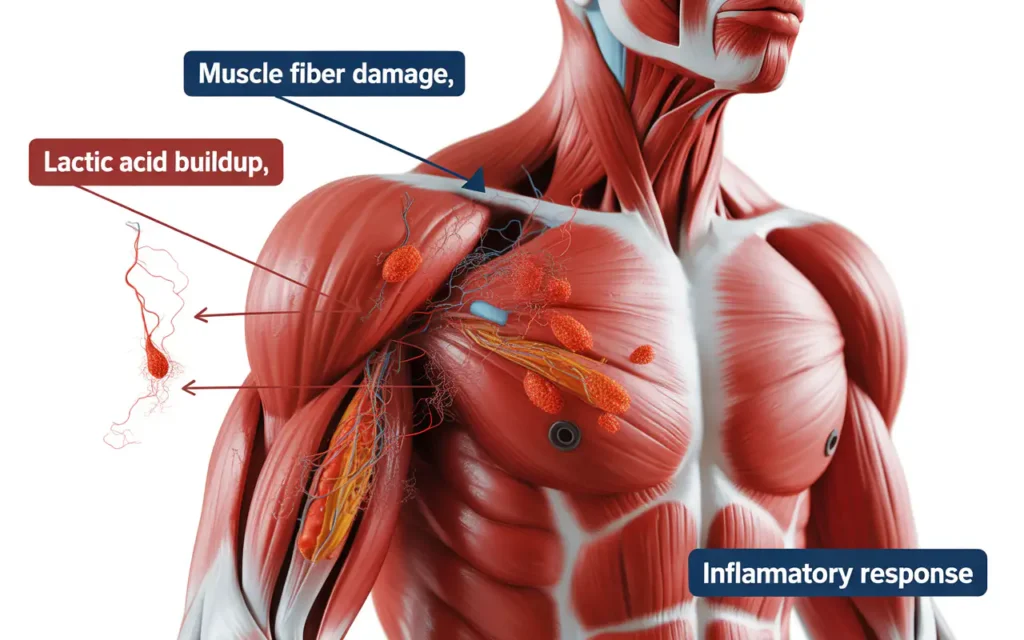
Understanding this distinction helps you manage your fitness routine without unnecessary fear. When you lift weights, run down a hill, or participate in a high-intensity interval training class, your muscle fibers stretch and contract under pressure. These movements cause tiny, harmless structural damages to the muscle cells. Your body then initiates an inflammatory response to repair these microscopic tears, which triggers the nerve endings in the area and results in the sensation of soreness.
The Main Causes of Muscle Pain After Training
The primary trigger for post-workout soreness is eccentric muscle action. This occurs when a muscle lengthens under a load or resistance. For example, when you lower yourself down into a deep squat or lower a heavy dumbbell during a bicep curl, your muscles are lengthening while actively working to control the weight. This specific type of movement causes more microscopic mechanical stress to the muscle fibers than concentric actions, where the muscle shortens during contraction.
Another common reason you might find yourself saying I feel pain after exercise is introducing completely new movements to your weekly workout routine. Your body is highly adaptable, but it gets comfortable when you perform the exact same movements repeatedly. When you surprise your muscles with a brand-new activity, or when you suddenly increase the intensity, duration, or frequency of your usual workout, your muscle fibers face a fresh challenge that leads to temporary soreness.
Common Activities That Cause Soreness
- High-intensity resistance training with heavy weights
- Downhill running or walking down steep hiking trails
- Step aerobics and plyometric jumping exercises
- Deep lunges, squats, and push-ups
- New yoga poses that stretch muscles in unfamiliar ways
How to Tell the Difference: Good Pain vs. Bad Pain
It is vital to know whether your discomfort is a sign of a highly productive workout or an indication of an injury. Normal post-workout soreness feels like a dull ache, a sensation of tightness, or a mild tenderness when you touch the muscle or stretch it out. This discomfort affects both sides of your body equally if you worked both sides, such as both of your thighs after a long run.
Bad pain, on the other hand, is usually sharp, stabbing, or localized to one specific joint or muscle group. If you feel sudden pain during the actual workout, that is a clear sign to stop immediately. Acute injuries like ligament sprains or muscle tears do not wait 24 hours to appear. They hurt right away, often cause visible swelling or bruising, and severely limit your ability to move that specific body part normally.
| Discomfort Type | Onset Time | Sensation Quality | How Long It Lasts |
| Normal Soreness (DOMS) | 12 to 24 hours later | Dull ache, tight feeling, mild tenderness | 3 to 5 days max |
| Acute Injury | Instant, during exercise | Sharp pain, pop sensation, deep throbbing | Weeks without care |
Simple and Effective Ways to Relieve Muscle Pain
If you find yourself thinking I feel pain after exercise and want quick relief, there are several easy strategies you can use at home. Active recovery is one of the most effective methods to reduce soreness. Instead of sitting on the couch all day, engage in very light activity such as a casual walk, a gentle swim, or a relaxed bike ride. Light movement increases blood circulation throughout your body, which delivers fresh oxygen and vital nutrients to the damaged muscle tissues to speed up the natural healing process.
Proper hydration also plays a massive role in how quickly your muscles recover. Water helps flush out metabolic waste products that accumulate in your body during intense physical exertion. Drinking plenty of water keeps your muscle tissues pliable and functions as a natural lubricant for your joints, which can significantly decrease the overall intensity of the stiffness you feel.
Applying a cold compress or taking a cool bath shortly after a grueling workout can help reduce excessive inflammation in the tissues. Conversely, applying gentle heat via a warm bath or a heating pad a day or two later can soothe tight muscles by increasing local blood flow. Many people also find great comfort in using a foam roller to gently massage the sore areas, which helps break up tissue tension and improves your overall flexibility.
The Crucial Role of Nutrition and Sleep in Recovery
What you put into your body after a workout determines how well your muscles rebuild themselves. Protein is the foundational building block for muscle repair. When you consume high-quality protein sources like eggs, chicken, fish, tofu, or beans after a workout, your body breaks that protein down into amino acids. These amino acids go straight to work repairing those tiny microscopic tears that caused you to think why do I feel pain after exercise in the first place.
“Rest is not a break from training; rest is an essential part of the training process that allows your muscles to rebuild stronger than before.”
— Coach Marcus Vance, Olympic Strength Trainer
Carbohydrates are equally important because they replenish your glycogen stores, which are the primary energy reserves your muscles use during exercise. Eating a balanced meal that combines both clean proteins and complex carbohydrates within a few hours after your workout gives your body the exact materials it needs to recover efficiently and reduce the duration of your physical discomfort.
Best Foods for Muscle Recovery
- Oatmeal with berries and chia seeds for steady energy and antioxidants
- Grilled chicken breast with sweet potatoes for protein and complex carbs
- Greek yogurt with a drizzle of honey for fast-absorbing protein and calcium
- Salmon with steamed broccoli for anti-inflammatory omega-3 fatty acids
- Protein smoothies with spinach and bananas for quick nutrient delivery
Sleep is another ultimate pillar of recovery that you cannot afford to ignore. When you enter deep sleep, your brain triggers the release of human growth hormone. This hormone is essential for tissue growth and cellular repair. Getting a solid seven to nine hours of high-quality sleep each night gives your body the dedicated time it needs to heal the micro-tears in your muscles, meaning you will wake up with less soreness and more energy for your next activity.
How to Prevent Severe Pain in Your Next Workout
While you might not be able to avoid soreness completely when trying new things, you can certainly take steps to prevent severe pain from ruining your fitness consistency. The most effective preventative measure is to use a progressive approach to your training loads. Never double your weights or double your running distance in a single week. Instead, make small, incremental changes to your routine to allow your musculoskeletal system to adapt comfortably.
A proper warmup is also non-negotiable if you want to avoid saying I feel pain after exercise after every single session. Spend five to ten minutes doing dynamic movements like arm circles, leg swings, bodyweight squats, and torso twists. Dynamic stretching raises your core body temperature, increases blood flow to your working muscles, and improves your joint range of motion, which prepares your body for the physical stress ahead.
| Prevention Method | Optimal Timing | Primary Benefit | Easy Example |
| Dynamic Warmup | Before your workout | Warms up joints and improves blood flow | Leg swings, arm circles |
| Progressive Load | Over weeks and months | Prevents overloading muscle fibers | Adding 5 pounds to a lift |
| Static Stretching | After your workout | Relaxes tight muscles and improves range | Holding a hamstring stretch |
When You Should See a Doctor for Exercise Pain
In most cases, post-workout soreness is just a temporary inconvenience that disappears on its own within a few days. However, there are times when muscle pain indicates a more serious medical issue that requires professional attention. If your pain is completely debilitating, prevents you from performing basic daily tasks like walking or lifting a glass of water, or lasts longer than seven days without any improvement, it is time to consult a healthcare provider.
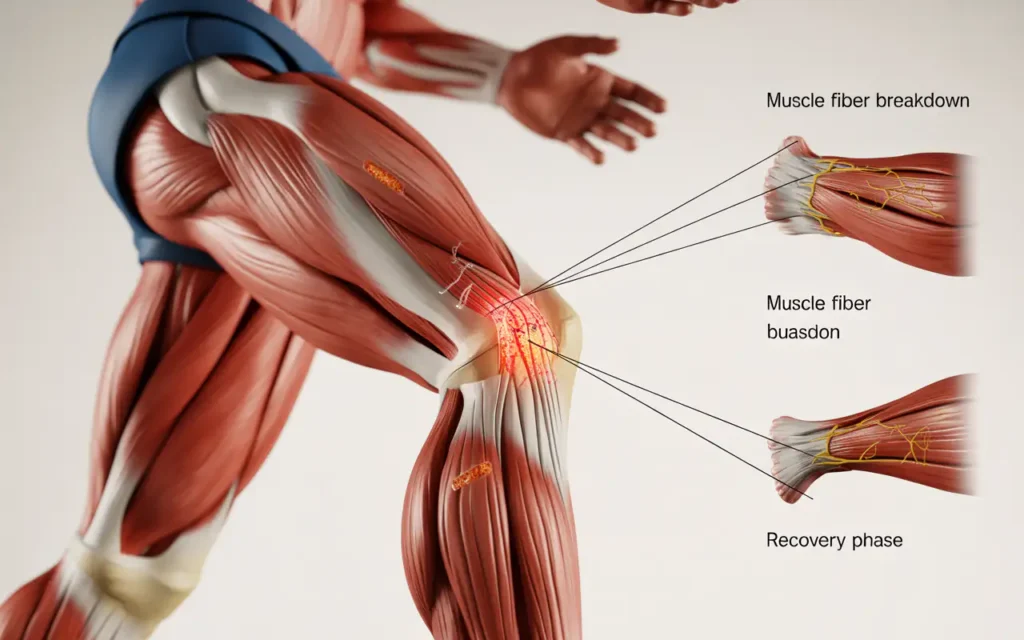
Another serious warning sign to watch out for is a condition called rhabdomyolysis. This occurs when extreme muscle breakdown causes muscle tissue to enter your bloodstream, which can damage your kidneys. Symptoms include severe muscle pain, profound weakness, noticeable swelling, and urine that looks dark brown or tea-colored. If you notice these symptoms after a workout, seek emergency medical care immediately.
“Listen to your body carefully. Genuine injury signals require medical attention, whereas normal fitness adjustments simply require patience, hydration, and time.”
— Dr. Elena Rostova, Physical Therapy Expert
Pay close attention to your joints as well. If the pain is located inside your knee, shoulder, or ankle joint rather than in the meat of the muscle, you could be dealing with a joint strain, a tendon issue, or a ligament injury. A physical therapist or a sports medicine doctor can provide a proper diagnosis and create a safe rehabilitation plan to help you return to your fitness routine without causing further damage.
Frequently Asked Questions
Why do I feel pain after exercise if I am already in good shape?
Even highly conditioned athletes experience soreness when they change their workout routines. If you introduce a brand-new movement, increase the weight, or perform a different type of exercise, your muscles face a new stimulus. This fresh challenge causes new microscopic tears, leading to soreness regardless of your overall fitness level.
Is it safe to exercise when my muscles still feel sore?
Yes, it is generally safe to exercise if you are experiencing mild to moderate soreness. In fact, light activity can actually help reduce your stiffness by increasing blood circulation. However, avoid working the exact same sore muscle groups with high intensity. If your legs are incredibly sore from squats, focus on an upper-body workout or do some light walking instead.
How long does normal post-workout muscle pain usually last?
Normal Delayed Onset Muscle Soreness typically peaks between 24 and 72 hours after your workout session. After this peak period, the discomfort should gradually diminish and disappear completely within three to five days. If your pain persists past a full week without any signs of improvement, consider speaking with a doctor.
Can a warm bath help reduce my muscle pain after working out?
Yes, a warm bath can be very helpful, especially a day or two after your workout when your muscles feel stiff. The heat relaxes tight muscle tissues and increases local blood flow, which brings helpful nutrients to the area to support healing. Adding Epsom salts to your warm bath can also provide a soothing sensation to tired muscles.
Does stretching before a workout prevent muscle soreness later?
Static stretching before a workout does not prevent post-workout muscle soreness and can actually lower your muscle power output. Instead, use dynamic movements like bodyweight lunges and arm swings before your workout to warm up your muscles. Save the static stretches for after your workout to help relax your tight muscles.
Conclusion
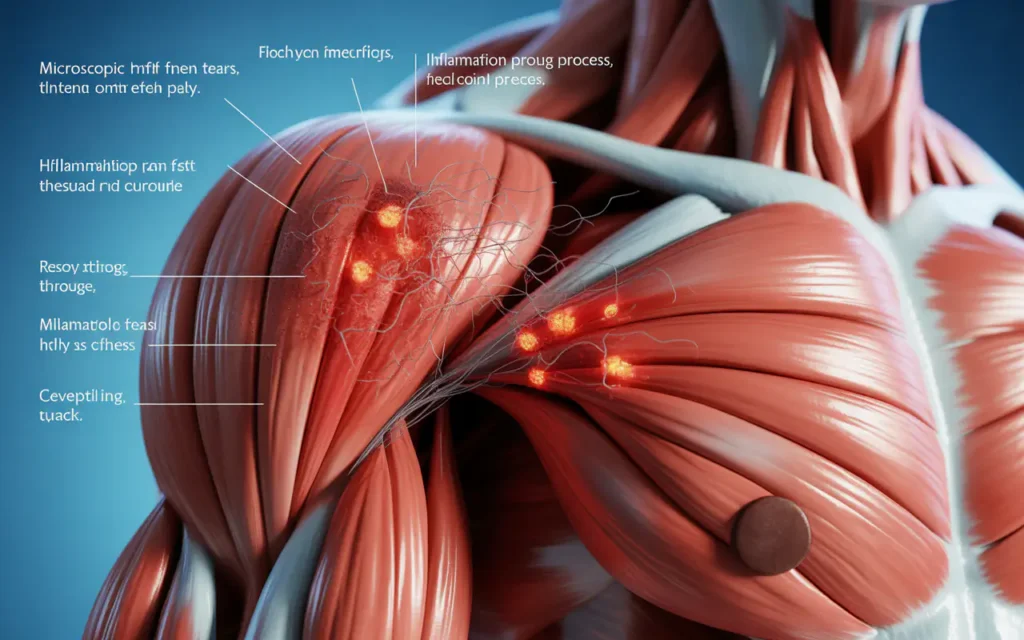
Feeling sore after a tough workout can be frustrating, but it is a normal part of your physical fitness journey. When you experience this discomfort, your body is simply repairing microscopic tears in your muscle tissues, a process that ultimately makes you stronger, faster, and more resilient over time. By incorporating proper warmups, staying hydrated, eating balanced meals with plenty of protein, and prioritizing high-quality sleep, you can effectively manage your recovery and minimize severe discomfort. Always listen to your body, celebrate your steady progress, and give your muscles the rest they need to thrive.
Related posts
 Understanding Fitness Checkup Consultation Cost and Professional Assessment Resources for 2026
Explore Understanding fitness checkup consultation cost factors and professional assessment resources to help you make informed decisions about your health and training goals. Navigating the world…
 Gym Membership Discount Price Alternatives for 2026 Home Fitness
Looking for a gym membership discount price Alternatives? Explore smart home fitness alternatives and equipment to save money and build your own workout space in 2026.…
 Buy Home Workout Sliders: 2026 Guide to Core Fitness Tools
Looking to buy home workout sliders? Compare top-rated gliding discs and core trainers to find the right equipment for your 2026 fitness routine. Adding core sliders…