
How To Take Care Of Skin Naturally
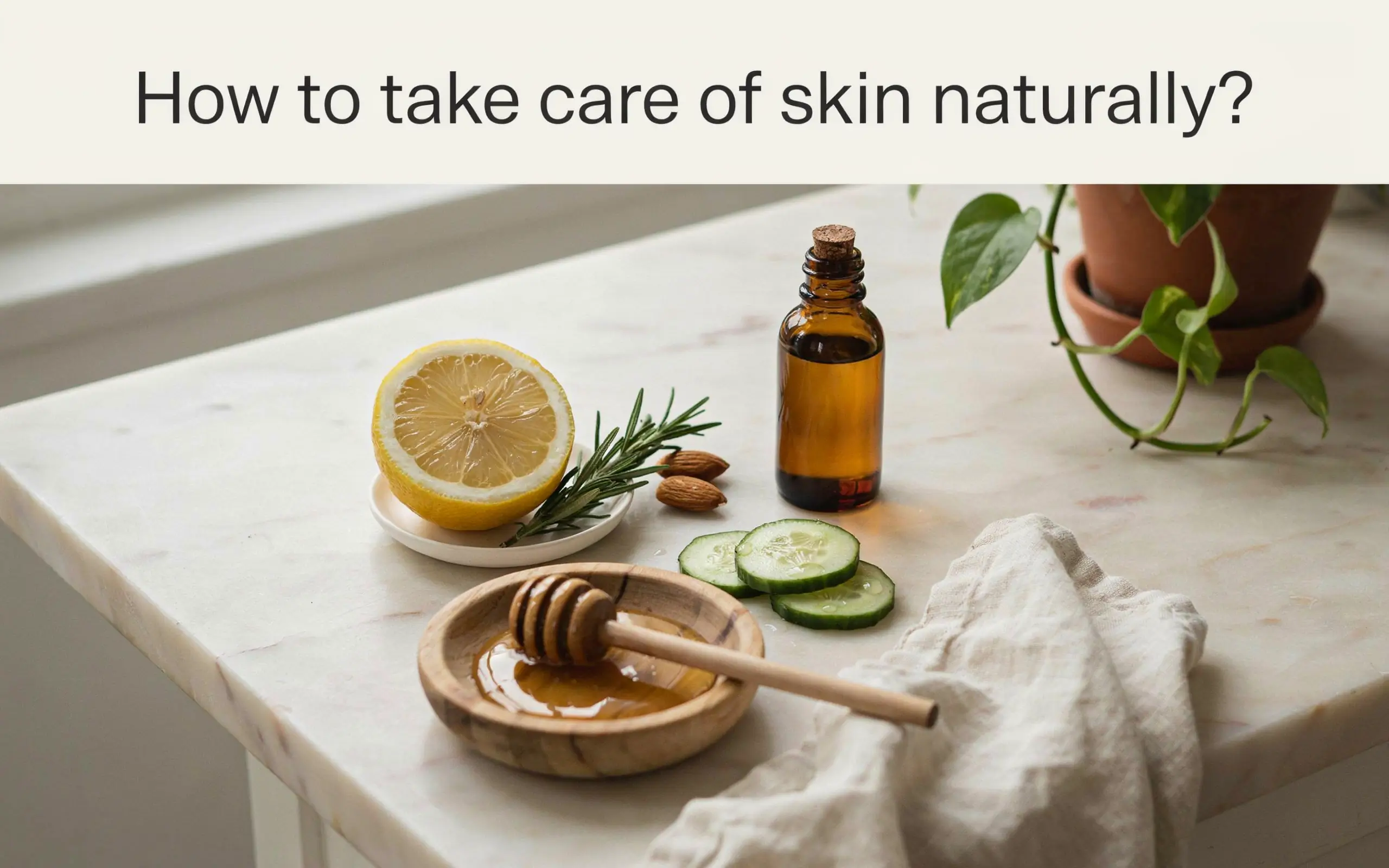
If you want to take care of skin naturally? this guide shares 7 simple steps using kitchen ingredients and daily habits. Learn how to nourish your skin without chemicals and achieve a healthy, radiant glow.
Your skin is amazing. It protects you from the outside world. It helps you feel things. It shows how you feel inside. But with so many products on the market, it is easy to get confused. Many of these products have chemicals you cannot even pronounce. They cost a lot. And sometimes they do not even work.
So, what if you could take care of skin naturally? What if the best solutions are already in your kitchen? Or in your daily routine?
This guide will show you exactly how to take care of skin naturally. We will look at food, simple habits, and easy recipes. These methods are safe, cheap, and they really work. You do not need expensive creams or fancy treatments. Nature has given us everything we need.
Let us explore how to give your skin the love it deserves, using the wisdom of nature.
Why Choose Natural Skin Care?
Think about what you eat. You prefer fresh food, right? You want real ingredients. Your skin is the same. It wants real, simple things.
Natural skin care is about being kind to your body. It is about using ingredients that are close to their original state. These ingredients have vitamins, minerals, and antioxidants. They feed your skin from the outside. Plus, they do not have harsh chemicals that can cause redness or breakouts.
Using natural methods is also better for the planet. You use less plastic. You create less waste. And you know exactly what you are putting on your body.
Many people find that natural skin care is more effective in the long run. It works with your skin’s own processes. It does not try to trick your skin. It simply supports it.
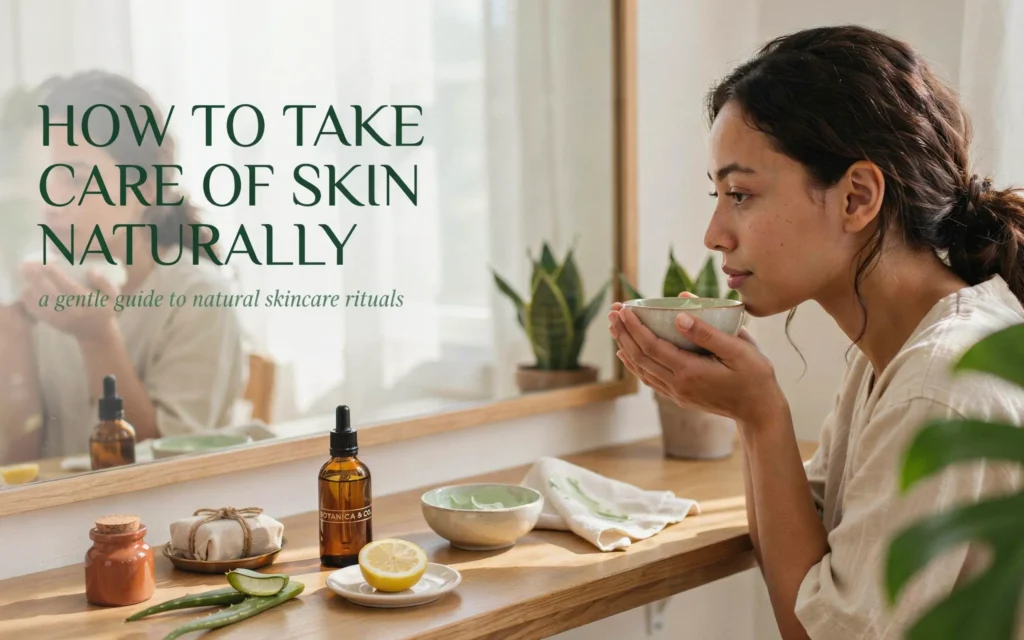
A Quick Look at Simple Natural Ingredients
Here is a table of common natural ingredients and what they do.
| Ingredient | What It Does | How to Use |
|---|---|---|
| Honey | Moisturizes, heals, fights bacteria | Face mask or cleanser |
| Aloe Vera | Soothes, cools, reduces redness | Apply gel directly to skin |
| Oatmeal | Calms irritation, exfoliates gently | Mix with water for a paste |
| Coconut Oil | Locks in moisture, softens skin | Use as a night moisturizer |
| Turmeric | Reduces inflammation, brightens skin | Mix with milk or honey for a mask |
Step 1: Cleanse Your Skin Gently
The first rule is to keep your skin clean. But you do not need strong soaps. These soaps strip away natural oils. This makes your skin dry. It can even cause more oil production to compensate.
How to take care of skin naturally through cleansing? Use a mild cleanser. Or better, make your own.
Homemade Cleanser Recipe
Mix equal parts of plain yogurt and honey. Yogurt has lactic acid. This gently removes dead skin. Honey is a natural antibacterial. It also helps keep moisture in. Apply this to your face. Massage in circles for one minute. Rinse with warm water.
Cleansing Tips
- Wash your face only twice a day. Once in the morning. Once before bed.
- Use warm water. Hot water damages your skin.
- Do not rub your skin dry. Pat it with a soft towel.
The Importance of a Healthy Diet
This is a big one. Your skin is a mirror of your gut. If you eat bad food, your skin will show it. If you eat good food, your skin will glow.
Eat Foods Rich in Antioxidants
Antioxidants fight free radicals. Free radicals damage your cells. They cause wrinkles and age spots.
- Berries: Blueberries, strawberries, and raspberries.
- Green leafy vegetables: Spinach and kale.
- Nuts: Walnuts and almonds.
Foods for Clear Skin
- Fatty fish: Salmon and mackerel have omega-3s. These reduce inflammation.
- Avocados: They are full of healthy fats that keep skin flexible.
- Green tea: It has compounds that protect your skin from sun damage.
Stay Hydrated
Water is the best drink for your skin. It helps keep your skin plump. It helps flush out toxins.
How much water do you need? A good rule is to drink eight glasses a day. You can also eat water-rich foods like cucumbers, watermelon, and oranges.
Step 2: Moisturize Properly
Moisturizer traps water in your skin. It creates a barrier. This stops water from escaping. When you take care of skin naturally, you have to moisturize right.
Natural Oils for Moisture
You do not need a bottle from a store. Many simple oils work perfectly.
- Coconut oil: This is great for dry skin. Use a tiny bit at night.
- Olive oil: It is heavy but very moisturizing. Use it for a weekly treatment.
- Jojoba oil: This is light. It is very close to your skin’s natural oil.
Natural Moisturizer Mask
Mash half an avocado. Add a tablespoon of honey. Apply this to your face for 15 minutes. Avocado is full of vitamins. Honey will lock in the moisture.
When to Apply Moisturizer
Always apply moisturizer right after you wash your face. Your pores are open. They will soak up the moisture. This keeps your skin soft all day.
Step 3: Exfoliate But Don’t Overdo It
Exfoliation removes dead skin. It reveals new skin underneath. It helps your face look brighter. But you have to be careful. Too much exfoliation is bad. It can make your skin red and sore.
Natural Exfoliating Scrub
Mix a spoon of sugar with a spoon of olive oil. Sugar is a great natural scrub. It is rough enough to remove dead skin but gentle enough to not hurt you.
Exfoliation Schedule
- Normal skin: Exfoliate once a week.
- Oily skin: Exfoliate twice a week.
- Dry or sensitive skin: Exfoliate once every two weeks.
Always be gentle. Use small circles. Do not press too hard. Your skin will feel smooth and fresh after.
Step 4: Sun Protection Without Chemicals
We all know the sun can damage our skin. But how to take care of skin naturally under the sun?
Natural options exist. But they require a bit more work than just buying sunscreen.
Natural Sun Blockers
- Zinc oxide: This is a mineral. It sits on your skin and reflects the sun. It is natural and safe.
- Red raspberry seed oil: This has a natural SPF. It is not as strong as chemical sunscreens, but it helps.
- Carrot seed oil: This also offers some protection.
Simple Sun Safety
- Wear a hat when you are out.
- Try to stay in the shade between 10 AM and 2 PM. That is when the sun is strongest.
- Eat foods rich in antioxidants. They help protect your skin from the inside.
Step 5: Get Enough Sleep and Manage Stress
This is one of the most important things. When you sleep, your skin repairs itself. It makes new cells. It recovers from the day.
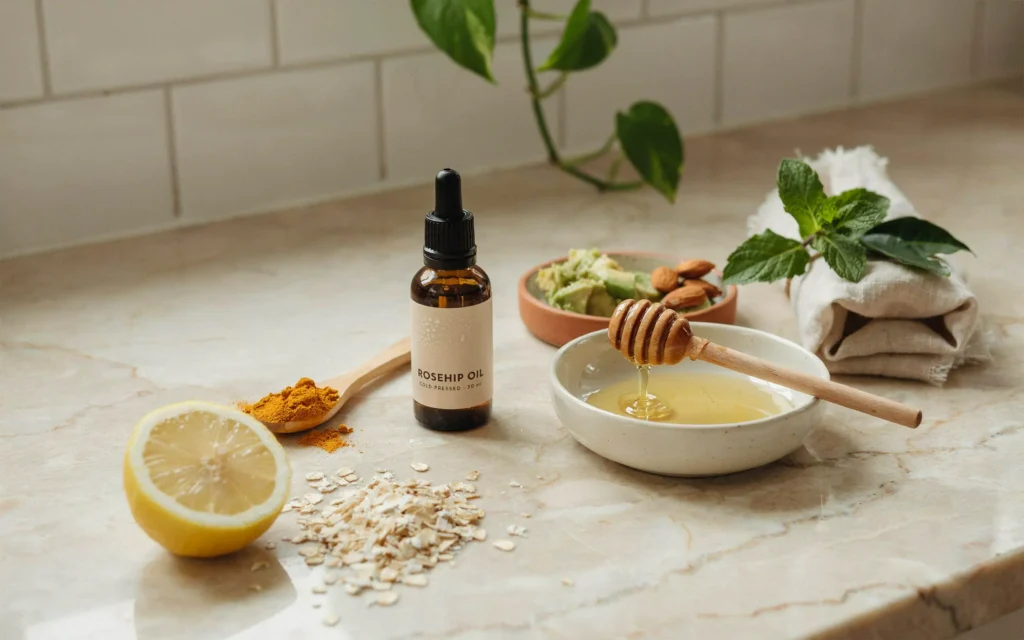
The Beauty Sleep
Try to sleep for 7 to 8 hours. Use a silk pillowcase. It creates less friction on your skin. This means fewer wrinkles.
Stress and Your Skin
When you are stressed, your body makes cortisol. This hormone causes breakouts. It makes skin more oily. It can also make wrinkles worse.
“The greatest wealth is health.” – Virgil
Take time for yourself. Read a book. Go for a walk. Listen to music. Your skin will thank you.
Step 6: Apply Natural Face Masks
A face mask is a treat for your skin. It gives a big dose of nutrients all at once.
Clay Mask for Oily Skin
Mix bentonite clay with water. Add a drop of lemon juice. Apply it to your face. Let it dry for 10 minutes. Wash it off. This mask pulls out dirt and oil.
Hydrating Mask for Dry Skin
Mix honey, aloe vera, and a little bit of milk. Leave it on for 20 minutes. This mask calms and hydrates your skin.
Brightening Mask
Mix a pinch of turmeric with yogurt and honey. Turmeric is a powerful antioxidant. It helps reduce dark spots. It also helps your skin glow.
“Let food be thy medicine and medicine be thy food.” – Hippocrates
Key Tips to Follow Daily
Here is a quick table to help you remember your daily natural routine.
| Time | Action | Natural Product |
|---|---|---|
| Morning | Cleanse and Moisturize | Honey wash and Jojoba oil |
| Afternoon | Hydrate and Eat well | Drink water, eat berries |
| Evening | Cleanse and Apply Mask (weekly) | Oatmeal scrub or Turmeric mask |
| Night | Moisturize and Sleep | Apply coconut oil, sleep 8 hours |
Step 7: Exercise and Sweat
Exercise is great for your skin. When you exercise, your blood flows faster. This brings oxygen to your skin cells. It feeds them. It also helps carry away waste.
Sweating is also good. It clears out your pores. It helps your skin breathe. Just remember to wash your face after you sweat. Sweat can dry out your skin if you leave it there.
What About Acne and Breakouts?
Acne is a common problem. The good news is that nature has answers for acne too.
Tea Tree Oil
Tea tree oil is strong. It fights the bacteria that cause acne. You have to use it carefully. Mix a drop with a carrier oil like coconut oil. Apply it only to the pimple. Do not spread it all over your face.
Honey
Honey is excellent for acne. It kills bacteria. It reduces swelling. Apply raw honey to your face. Leave it on for 20 minutes.
Green Tea
Drink green tea. It has compounds that reduce oil production. You can also apply cooled green tea to your face. It is a natural astringent.
Natural Remedies for Common Skin Issues
How to take care of skin naturally when you have specific problems? Here are some quick tips.
Dry Skin
- Use a humidifier at home. It puts moisture in the air.
- Use olive oil as a body moisturizer after a shower.
- Oatmeal baths are calming. They help heal dry patches.
Oily Skin
- Use a lemon juice and water toner. It helps control oil.
- Use egg whites as a mask. They tighten pores.
- Apply a clay mask weekly. It absorbs extra oil.
Sensitive Skin
- Use chamomile tea as a toner. It is very calming.
- Use only one ingredient at a time. This makes it easier to find what bothers you.
- Avoid essential oils that are too strong.
The Role of Gut Health
We talked about food. But your gut health is deeply linked to your skin. The connection is so strong that it is often called the gut-skin axis.
Probiotics
Probiotics are good bacteria. They help your gut work well. When your gut works well, your skin improves.
- Eat fermented foods. Examples are yogurt, kimchi, and sauerkraut.
- Take a probiotic supplement.
Prebiotics
These are food for the good bacteria. Eat foods like garlic, onions, and bananas.
A healthy gut reduces inflammation. This means less redness and fewer breakouts.
How to Take Care of Skin Naturally in Winter
Winter can be hard on your skin. The air is cold. The heaters make the air dry. This can make your skin tight and itchy.
Winter Skin Care Tips
- Apply oil before your bath: This creates a protective layer.
- Use shea butter: It is thick and very moisturizing.
- Drink warm water: Always stay hydrated.
- Use a scarf: Protect your face from the cold wind.
How to Take Care of Skin Naturally in Summer
Summer is hot. The sun is strong. Sweating is common. This can bring different problems.
Summer Skin Care Tips
- Wash your face more often: Use just water in the afternoon.
- Use aloe vera: It is great after sun exposure.
- Eat cooling foods: Cucumbers and melons are high in water.
- Make a spray: Mix water with a few drops of rose water. Spray it on your face.
Consistency is the Key
Natural methods take time. They are not magic. They work slowly but surely.
If you use a chemical cream, you might see a change in one day. But the effect is often short-lived. Natural methods build your skin’s health over time. In the long run, they are much better.
“Nature does not hurry, yet everything is accomplished.” – Lao Tzu
Find a routine that fits your life. Stick with it. Your skin will glow. It will be healthier. It will have a natural beauty that is all your own.

Frequently Asked Questions
1. Can I really take care of skin naturally without expensive products?
Yes, you can. Many natural ingredients are very cheap. Things like honey, oatmeal, and coconut oil cost less than most face creams. They are often more effective too.
2. What is the best thing to drink for clear skin?
Water is the best. Green tea is also very good because it has antioxidants. Try to avoid sugary drinks. Sugar can cause breakouts.
3. How often should I wash my face for natural skin care?
Wash your face twice a day. Once in the morning and once at night. If you sweat a lot, you can wash it with plain water after that. Avoid washing too much. It can dry your skin.
4. Is coconut oil good for all skin types?
Coconut oil is best for dry skin. It can block pores for people with oily skin. If you have oily skin, use it only in small amounts or at night. Jojoba oil is a better choice for oily skin because it is lighter.
5. What natural ingredient helps with scars?
Aloe vera is great for healing scars. It helps skin repair itself. Lemon juice can also help lighten dark spots. But use lemon juice at night because it can make your skin sensitive to the sun.
6. Does diet really affect my skin that much?
Your diet has a big effect. Sugar and processed foods cause inflammation. This shows up as acne or redness. Fresh fruits, vegetables, and healthy fats make your skin look clear and fresh.
7. What is the fastest way to take care of skin naturally?
There is no quick fix. But the fastest way to see a change is to drink a lot of water and apply a honey mask. These two things can make your skin look better within a few hours.
8. Can stress cause skin problems?
Yes, stress is a major cause of skin problems. It leads to breakouts and can make your skin look dull. Try to relax and get enough sleep to manage stress.
9. Is it safe to use lemon juice on my face?
Lemon juice is acidic. It can lighten dark spots. But it can also burn your skin if you go in the sun. Use it carefully. Always dilute it with water or honey. Do not use it every day.
10. How long does it take for natural skin care to show results?
It depends on your skin. Some people see changes in a week. For others, it takes a month. The key is to be consistent. Stick to your routine, and you will see the results.
Conclusion
Learning how to take care of skin naturally is a simple path. It is about going back to the basics. It is about using the gifts of nature. You do not need a cabinet full of bottles. You need a few good ingredients and some healthy habits.
Start with a gentle cleansing routine. Eat foods that feed your skin. Drink lots of water. Protect your skin from the sun. Get enough sleep. Manage your stress.
When you follow these steps, you are not just treating your skin. You are caring for your whole body. You are creating a routine that makes you feel good from the inside out.
Skin issues will still happen. That is normal. But with natural care, your skin will be stronger. It will heal faster. It will look and feel healthier.
Remember, your skin is alive. It needs real food and real care, not just chemicals. So go to your kitchen. Look at the honey, the oatmeal, the oils. These are your natural skin care tools. Use them with love.
Your skin will show its thanks by glowing with health.
Related posts
 Best Drugstore Foundation Affordable 2026: Top Value Picks
Discover the best drugstore foundation affordable options for 2026. Compare top-rated formulas for coverage, finish, and skin benefits to find your perfect match. Finding the best…
 Best Low Cost Beauty Products Online 2026
Discover the best low cost beauty products online for 2026. Compare affordable makeup, tools, and skincare essentials that deliver quality without the high price. Finding high-quality…
 Best Beauty Equipment for Home Skincare Routines 2026
Discover the best beauty equipment for home skincare routine. Compare top-rated steamers, therapy wands, and cleansing brushes for radiant skin. Building a professional-grade skincare routine at…