To remove a broken bolt, you need patience and the right tools. This guide covers extractors, drilling, and welding tricks to remove a broken bolt from any surface safely.
You are working on a project. Maybe it is a car repair, a fence, or a piece of furniture. You turn the wrench, and the bolt snaps. Your heart sinks. Half the bolt is stuck inside the hole. Now you are left staring at a problem that seems impossible to fix.
This happens to everyone. Mechanics, DIY fans, and professionals all deal with broken bolts. It is frustrating, but it is not the end of the world. You can remove a broken bolt with the right approach. There are many ways to do it. Some are simple. Some are more complex. But there is always a solution.
This guide will show you exactly how to handle this problem. You will learn about the tools you need. You will find step-by-step methods for different situations. By the end, you will have the confidence to remove a broken bolt from any project.
Why Bolts Break
Before we talk about how to remove a broken bolt, we should understand why they break. This knowledge can help you prevent it in the future.
Corrosion and Rust
Rust is the biggest enemy of bolts. When metal rusts, it expands. This makes the bolt tighter in the hole. When you try to turn it, the bolt cannot move. The force has to go somewhere, so the bolt snaps.
Over-Tightening
Many people overtighten bolts. They think tighter is better. But bolts have a limit. If you go past that limit, the bolt will fail. This is very common with small bolts or bolts made of softer metal.
Old Age and Wear
Bolts get weak over time. Repeated heating and cooling can make them brittle. Old bolts are more likely to break than new ones. If you are working on an old engine or an old piece of machinery, be extra careful.
Using the Wrong Tool
Using the wrong size wrench or socket can cause problems. If the tool does not fit properly, you can round off the bolt head. Then the tool slips, and the bolt can break. Always use the correct size tool for the job.
Preparation Before You Start
Preparation is key. Before you try to remove a broken bolt, take some time to get ready. Rushing will only make things worse.
Safety First
Wear safety glasses. Broken bolts can send metal fragments flying. You also want to protect your hands. Wear work gloves to avoid cuts from sharp edges.
Clean the Area
Dirt and grease can hide the broken bolt. They can also get into the threads. Clean the area with a wire brush or a solvent. This helps you see what you are dealing with.
Use Penetrating Oil
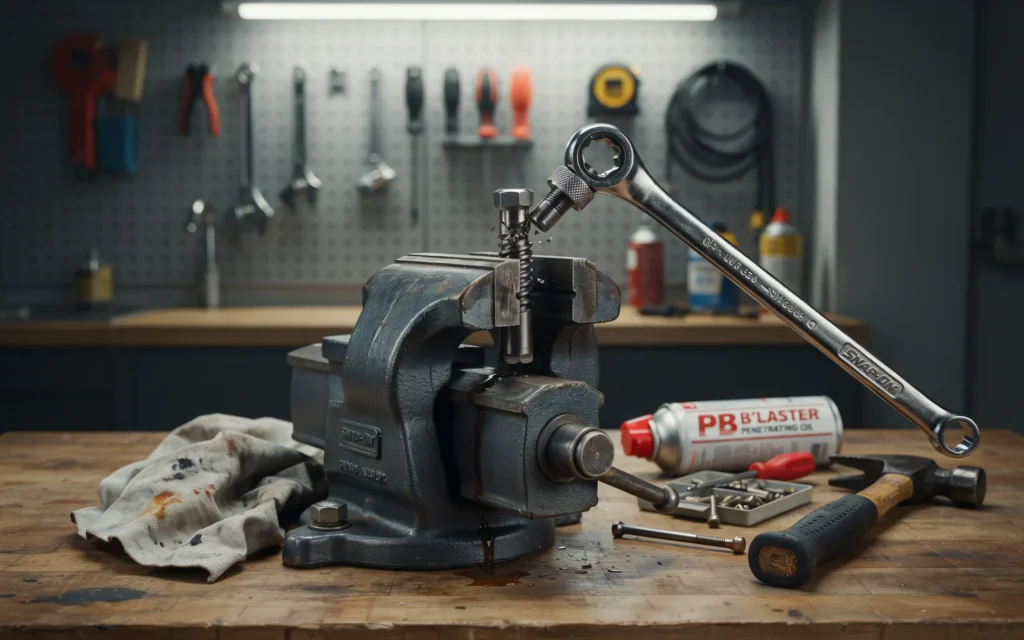
This is one of the most important steps. Penetrating oil helps loosen rust and corrosion. Spray the oil on the broken bolt. Let it soak for at least 15 to 30 minutes. For really stuck bolts, let it soak overnight.
Gather Your Tools
You will need different tools depending on the method you choose. Common tools include:
Screw extractors (also called easy outs)
Left-hand drill bits
A center punch
A hammer
A drill
A torch for heating
Tool
Purpose
Penetrating oil
Loosens rust and corrosion
Screw extractor
Grips the bolt to turn it out
Left-hand drill bit
Drills and removes the bolt in one step
Center punch
Creates a starting point for drilling
Torch
Heats the bolt to break rust bonds
Assess the Situation
Not all broken bolts are the same. Take a moment to look at your specific problem. This will help you choose the right method.
Is the Bolt Flush or Sticking Out?
If part of the bolt is sticking out, you have options. You might be able to grab it with pliers or vice grips. If the bolt is broken flush with the surface, it is harder. You will need to use an extractor or a drill.
What Material Is the Bolt In?
The material around the bolt matters. If the bolt is in wood, you can dig it out. If it is in metal, you need to be careful not to damage the threads. If it is in plastic, you need to avoid melting the plastic.
How Large Is the Bolt?
Small bolts are harder to work with. They break easily. Large bolts are easier to extract. They have more metal to grab onto. The size of the bolt will also determine the size of the tools you need.
Method 1: Use Pliers or Vice Grips
This is the easiest method. It only works if part of the bolt is sticking out.
Spray the oil around the base of the bolt. Let it soak.
Step 3: Grip the Bolt
Use a pair of vice grips or locking pliers. Clamp them onto the exposed part of the bolt as tightly as possible. The goal is to get a firm grip.
Step 4: Turn the Bolt
Turn the bolt counterclockwise. This loosens it. If it does not move, do not force it. You might snap the bolt again. If it is stuck, move to a different method.
Method 2: Use a Screw Extractor
A screw extractor is a special tool designed to remove a broken bolt. This is a very common and effective method.
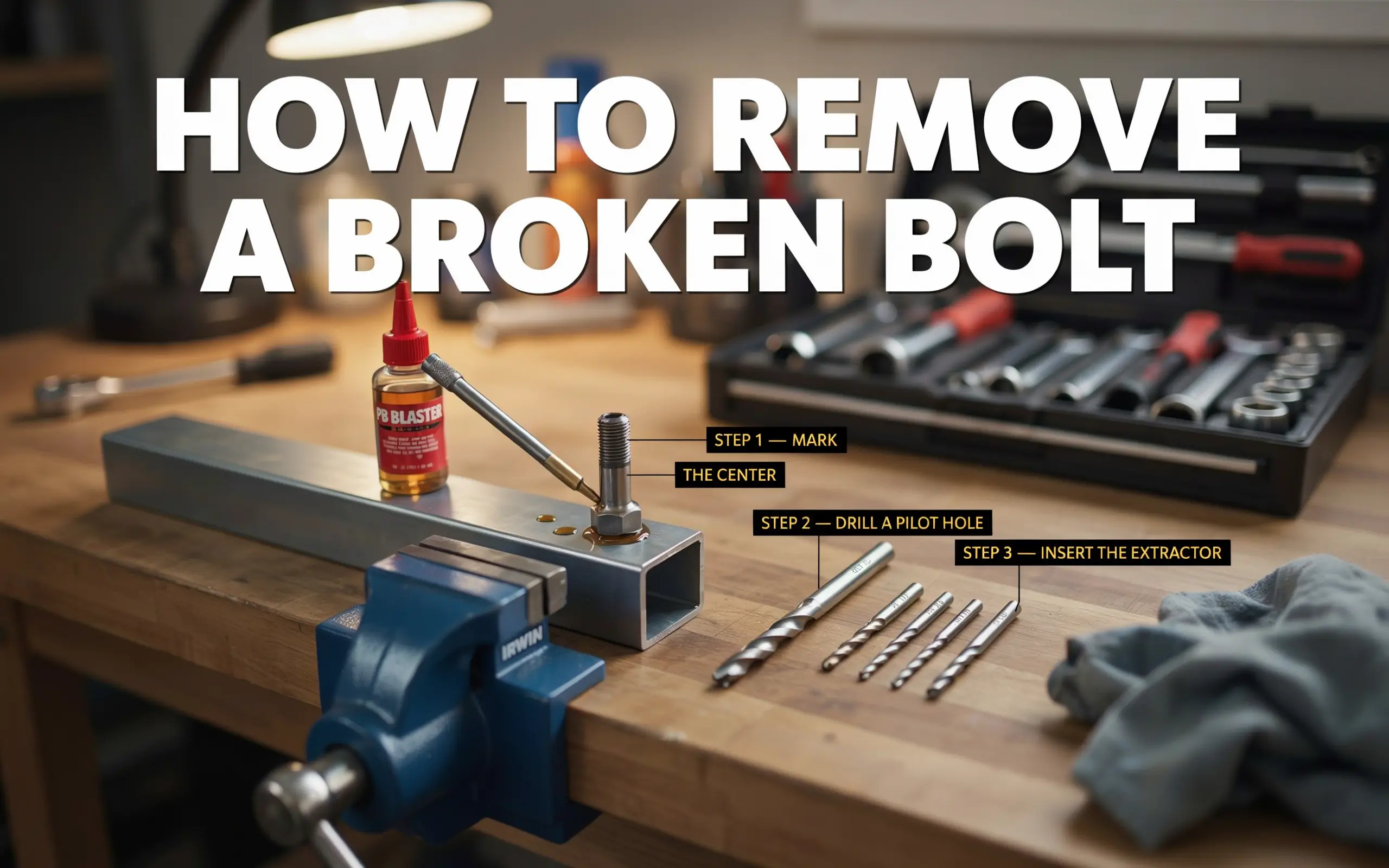
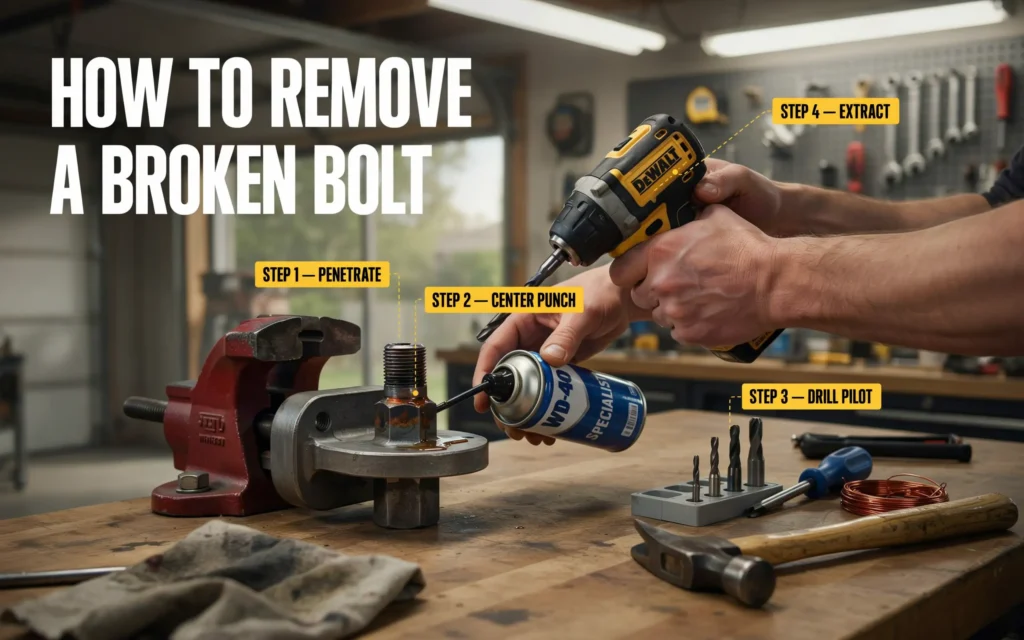
Step 1: Center Punch the Bolt
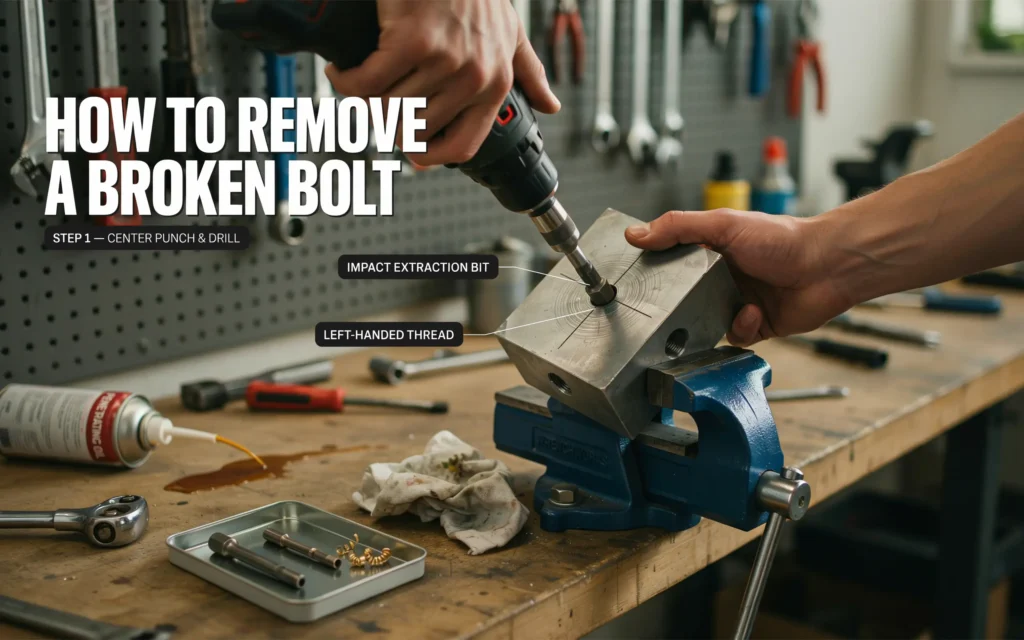
Use a center punch and hammer to make a small dent in the center of the broken bolt. This dent gives your drill bit a place to start. It stops the drill from slipping.
Step 2: Drill a Pilot Hole
Start with a small drill bit. Drill a hole into the center of the broken bolt. The hole should be the size recommended on your extractor set. Take it slow. Use lubricant to keep the drill bit cool.
Step 3: Insert the Extractor
Choose the right size extractor. Tap it into the hole with a hammer. The extractor is tapered and has reverse threads. It bites into the bolt as you turn it.
Step 4: Turn the Extractor
Use a tap wrench to turn the extractor counterclockwise. The extractor grips the bolt and spins it out. This is a reliable way to remove a broken bolt.
Method 3: Use a Left-Hand Drill Bit
A left-hand drill bit is a clever tool. It drills in reverse, which is the same direction you use to remove a bolt. Sometimes, the drill bit itself will pull the bolt out.
Step 1: Center Punch the Bolt
Just like the extractor method, start with a center punch. This creates a guide hole.
Step 2: Start Drilling
Use a left-hand drill bit. Set your drill to reverse. Start drilling into the bolt. Use low speed and firm pressure.
Step 3: Watch for Movement
As you drill, the bit may catch the bolt and spin it out. This is the best outcome. You have successfully removed the broken bolt without needing an extractor.
Step 4: Try a Larger Bit
If the bolt does not come out, move up to a larger drill bit. Continue drilling. Sometimes you can drill the entire bolt out this way.
“Good prep work is everything. Clean the bolt, use oil, and choose the right tool. Half the battle is getting ready.” – Ron Atkinson, Automotive Technician
Method 4: Use Heat
Heat can break the rust bond between the bolt and the hole. This method is very effective but requires caution.
Step 1: Apply Heat
Use a propane torch to heat the area around the broken bolt. Do not heat the bolt itself. You want the surrounding metal to expand. This expansion loosens the grip on the bolt.
Step 2: Cool It Down
After heating, let it cool for a minute. You can also apply penetrating oil. The cooling effect can create a small gap.
Step 3: Use an Extractor
Once the bolt is loose, use a screw extractor to remove a broken bolt. The heat should have made the job much easier.
Step 4: Be Careful
Heating metal can cause burns. It can also damage the surrounding metal if you are not careful. Do not use this method on plastic parts. Also, be careful with gas tanks or other flammable materials.Method 5: Weld a Nut
This is a favorite trick among mechanics. It works best when the bolt is broken below the surface.
Step 1: Clean the Area
Clean the broken bolt surface and the nut. Remove any dirt or oil.
Step 2: Place a Nut
Choose a nut that is slightly larger than the broken bolt. Place the nut over the broken bolt. The hole in the nut should cover the broken bolt.
Step 3: Weld It
Use a welder to weld the nut to the broken bolt. Fill the nut with weld. The weld will fuse the nut to the bolt.
Step 4: Turn the Nut
Once the weld has cooled, use a wrench to turn the nut. The nut is now attached to the broken bolt. Turning the nut will remove a broken bolt from the hole.
Method 6: Drill Out the Bolt
If all else fails, you can drill the whole bolt out. This method requires care to avoid damaging the threads.
Step 1: Center Punch
Create a starting point in the center of the bolt.
Step 2: Start with a Small Bit
Use a drill bit that is smaller than the bolt. Drill into the center. Keep the drill straight and steady.
Step 3: Increase Bit Size
Slowly increase the size of the drill bit. Each time, go a little bigger. You are drilling away the bolt material.
Step 4: Stop Before the Threads
The goal is to drill out the bolt but leave the threads intact. Stop drilling when you see the original threads appear. You can use a tap to clean out any remaining bolt material.
“Patience is your best tool. If you rush, you will make the bolt harder to remove. Take your time, and you will get it out.” – Sarah Jones, Mechanical Engineer
How to Prevent Broken Bolts
Prevention is better than cure. You can take steps to stop bolts from breaking in the first place.
Use Anti-Seize Compound
Anti-seize compound is a paste that prevents bolts from seizing. Apply a small amount to the threads before installing a bolt. This is very helpful in high-heat or high-corrosion areas.
Do Not Over-Tighten
Use a torque wrench. This tool measures the amount of force you are applying. It helps you tighten the bolt to the right level. This reduces the risk of breaking a bolt.
Use the Right Bolt
Make sure you are using the correct bolt for the job. Check the size, length, and grade. A bolt that is too soft or too weak will break under pressure.
Clean Threads
Before installing a bolt, clean the threads. Dirt or rust can cause the bolt to bind. Cleaning the threads makes installation smoother and less risky.
Dealing with Stripped Bolt Heads
Sometimes the bolt does not break. Instead, the head strips. The wrench slips on the rounded corners. Here is how to handle that.
Use a Bolt Extractor Socket
These are special sockets with reverse threads. They grip the stripped head as you turn. They can remove a bolt without the head breaking.
File Flat Sides
If the bolt head is rounded, you can file two flat sides. This allows a wrench to get a grip. Use a smaller wrench to try again.
Use a Rubber Band
Place a rubber band over the stripped head. Press your driver bit into the rubber band. The rubber provides grip. This is a quick trick that works sometimes.
Specialty Tools for Removing Broken Bolts
Having a dedicated tool set for bolt extraction is a good investment. Here are some tools that can help.
Extractor Sets
Most hardware stores sell screw extractor sets. These usually come with different sizes. They are designed to remove a broken bolt of any common size.
Left-Hand Drill Bit Sets
A set of left-hand drill bits is very useful. They are available in various sizes. They are a great addition to any toolbox.
Cobalt Drill Bits
Cobalt drill bits are stronger than standard bits. They can handle hard metals. If you are drilling into a hardened bolt, cobalt bits are a good choice.
Tool Set
Best For
Screw extractor set
Most broken bolts
Left-hand drill bits
Drilling and removing in one step
Cobalt drill bits
Hardened steel bolts
Common Mistakes to Avoid
When you try to remove a broken bolt, you might make some common errors. Try to avoid these.
Drilling Off-Center
If your drill bit does not start in the center, you can damage the threads. Use a center punch to guide your drill. This is very important.
Using the Wrong Drill Speed
High speed can ruin your drill bit. It can also cause the bolt to heat up and harden. Use a slow speed with firm pressure.
Breaking the Extractor
Extractors are hardened steel. They are strong but brittle. If you use too much force, the extractor can break inside the bolt. Then you have an even bigger problem. If the bolt is not moving, try heat or more penetrating oil.
Forgetting Penetrating Oil
Penetrating oil is not optional. It is essential. It makes every method easier. Do not skip this step.
Frequently Asked Questions
How do I remove a broken bolt without an extractor?
You can use pliers if the bolt is sticking out. You can also use a left-hand drill bit. Welding a nut is another option. If you are careful, you can drill the whole bolt out.
Can I use heat on a broken bolt?
Yes, heat is very effective. Apply heat to the surrounding metal, not the bolt itself. This expands the metal and loosens the grip. Be careful with flammable materials.
What size drill bit should I use for a broken bolt?
Start with a small bit. The size depends on the size of the bolt. Your extractor set will tell you which bit to use. Always start smaller and work your way up.
How can I stop bolts from breaking in the future?
Use anti-seize compound. Do not over-tighten. Clean the threads before installation. Use the right bolt for the job.
What do I do if an extractor breaks inside the bolt?
This is tricky. You may need to drill out the extractor. Extractor bits are very hard. You will need a diamond bit or a carbide bit. It is best to take it to a professional.
Can I remove a broken bolt from plastic?
Yes, but be careful with heat. Heat can melt plastic. Use mechanical methods like drilling or extractors. Do not use a torch.
Is it worth taking a broken bolt to a professional?
Yes. If you have tried several methods and failed, it is time to see a professional. They have specialized tools and experience. They can remove a broken bolt without damaging your part.
Conclusion
A broken bolt can ruin your day. It stops your project. It makes you feel stuck. But you are not stuck. You have many options. You can use pliers, an extractor, a left-hand drill bit, or heat. You can weld a nut or drill the bolt out. Each method has its place. The key is to choose the right method for your situation.
Start with the simplest method. If it does not work, move to the next one. Always use penetrating oil. Always drill from the center. Take your time and be patient.
Do not feel bad if you break a bolt. It happens to everyone. Even the most experienced mechanics deal with this. The difference is they know how to fix it. Now you know too.
With this guide, you have the knowledge to remove a broken bolt from almost any situation. So take a breath, gather your tools, and tackle that bolt. You have got this.
Explore our 2026 torque wrench reviews to find the right tool for your automotive, bike, or gunsmithing projects. Compare top models for accuracy and value. Finding…
Discover the top automotive tools for beginners in 2026. Compare essential pry kits, wrench sets, and repair gear to start your DIY car maintenance journey. Starting…

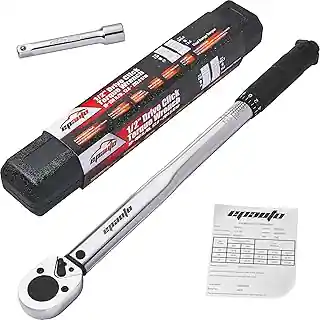 2026 Torque Wrench Reviews: Choosing the Right Tool for Precision Fastening
 Top Automotive Tools for Beginners: Essential Gear for 2026
 Top Rated Mechanic Tool Brands for 2026