
How to Keep Your Home Pest-Free: Essential Prevention Tips

Keeping your home pest-free involves a proactive and consistent approach, focusing on prevention rather than just reacting to infestations. The goal is to make your home an unappealing environment for pests by eliminating their access to food, water, and shelter.
This means regularly inspecting and sealing potential entry points, maintaining a high standard of cleanliness both inside and outside your home, and managing moisture levels. By addressing these key areas, you can significantly reduce the likelihood of common household pests like ants, rodents, cockroaches, and spiders taking up residence.
Safety checks
- Sealing even small gaps is crucial for blocking pest entry.
- Consistent cleanliness, both indoors and out, removes food and shelter for pests.
- Controlling moisture is vital, as many pests seek water sources.
- Regular outdoor maintenance prevents pests from reaching your home’s exterior.
| Topic | When it helps | What to keep in mind |
|---|---|---|
| 1 | Preventing a wide range of pests, from tiny ants and spiders to larger rodents, by physically blocking their access. | Using temporary fixes like tape; these often fail. |
| 2 | Deterring common kitchen pests like ants, cockroaches, and rodents, as well as pantry pests. | Leaving pet food out overnight, neglecting crumbs under appliances, or storing food in easily penetrable packaging. |
| 3 | Controlling pests that thrive in damp conditions and preventing water damage that can attract wood-destroying insects. | Ignoring leaky faucets, pipes, or appliances. |
| 4 | Creating a protective barrier around your home, deterring outdoor pests from moving indoors. | Allowing tree branches to touch your roof, stacking firewood against your house, or having dense shrubbery directly against the foundation. |
| 5 | Preventing pests that seek shelter, nesting sites, or alternative food sources in less-trafficked areas of the home. | Leaving recycling bins uncovered, storing old newspapers or cardboard boxes in damp areas, or keeping pet food in its original bag without. |
The article must cover common
1. Seal All Entry Points
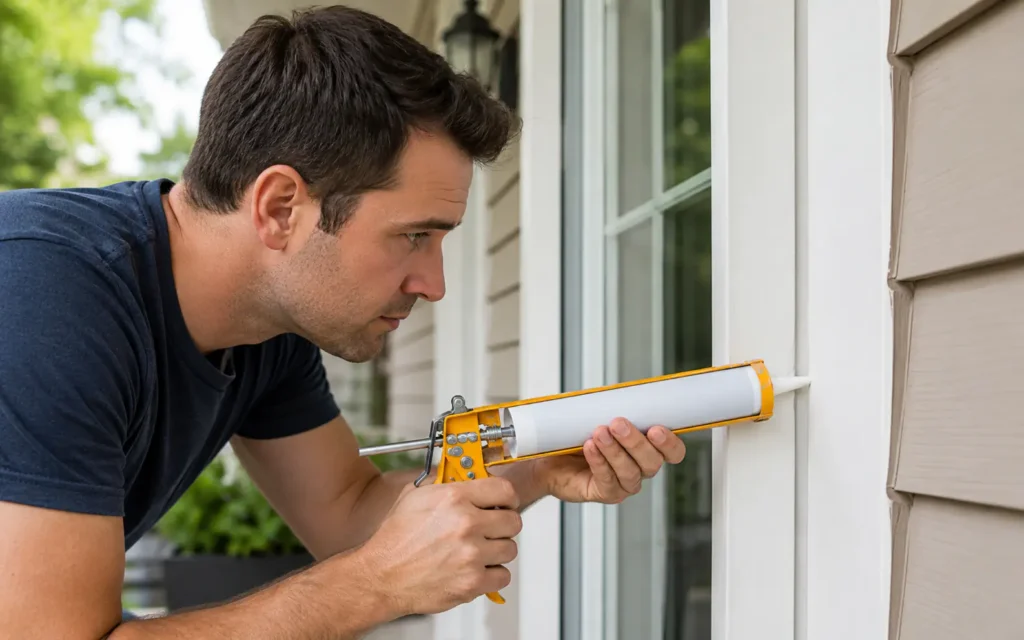
Pests can squeeze through incredibly small openings. Regularly inspect your home’s exterior and interior for cracks, gaps, and holes, then seal them properly.
- Preventing a wide range of pests, from tiny ants and spiders to larger rodents, by physically blocking their access.
- Using temporary fixes like tape; these often fail.
- Prioritize sealing gaps larger than a quarter-inch, as these are common entry points for rodents.
- Materials – Caulk, steel wool, weatherstripping, mesh screens.
- Frequency – Annually or as needed.
2. Maintain a Clean Indoor Environment
Food crumbs, spills, and clutter provide sustenance and hiding spots for many pests. Regular cleaning, proper food storage, and prompt waste disposal are fundamental to making your home less attractive to unwanted guests.
- Deterring common kitchen pests like ants, cockroaches, and rodents, as well as pantry pests.
- Leaving pet food out overnight, neglecting crumbs under appliances, or storing food in easily penetrable packaging.
- Store all dry goods in airtight containers.
- Key Action – Sanitation.
- Focus Areas – Kitchen, pantry, dining areas.
3. Manage Moisture and Water Sources
Many pests, including cockroaches, mosquitoes, and silverfish, are drawn to moisture. Identifying and fixing leaks, reducing humidity, and eliminating standing water sources are critical steps in pest prevention.
- Controlling pests that thrive in damp conditions and preventing water damage that can attract wood-destroying insects.
- Ignoring leaky faucets, pipes, or appliances.
- Fix any plumbing leaks immediately.
- Pest Types Affected – Cockroaches, mosquitoes, silverfish, termites.
- Prevention Method – Dehumidification, leak repair.
4. Address Outdoor Attractants and Landscaping
Your yard can be a gateway for pests if not properly maintained. Overgrown vegetation, debris, and items stored too close to your home provide shelter and pathways for pests to enter.
- Creating a protective barrier around your home, deterring outdoor pests from moving indoors.
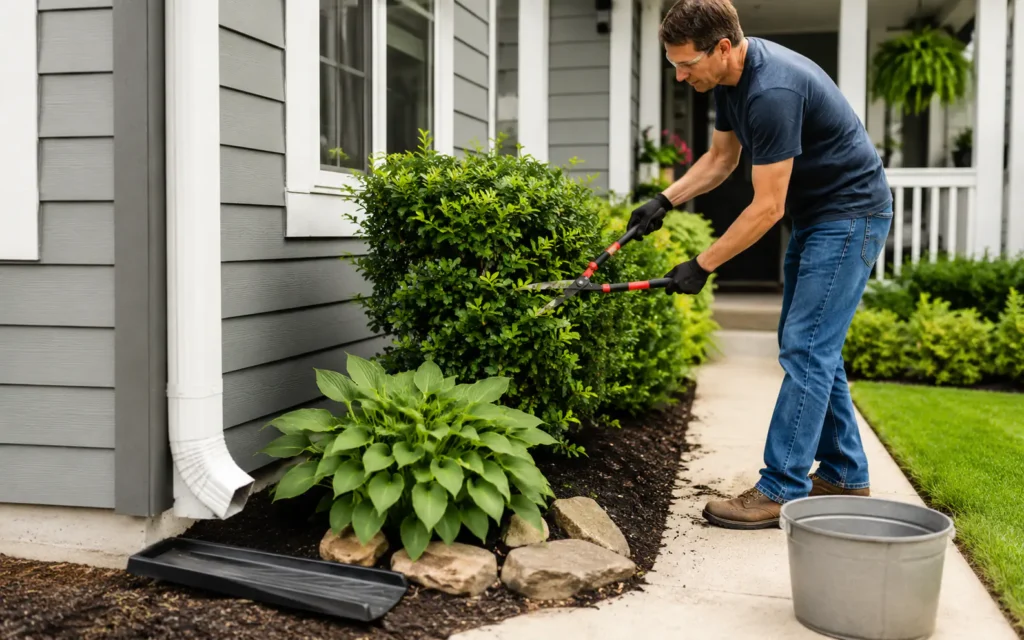
- Allowing tree branches to touch your roof, stacking firewood against your house, or having dense shrubbery directly against the foundation.
- Trim trees and shrubs so they don’t touch your home.
- Outdoor Focus – Yard, garden, perimeter.
- Distance Rule – Maintain clear space around foundation.
5. Proper Waste and Storage Practices
Beyond kitchen waste, general household clutter and improperly stored items can become pest havens. This includes recycling, stored belongings in attics/basements, and even pet food.
- Preventing pests that seek shelter, nesting sites, or alternative food sources in less-trafficked areas of the home.
- Leaving recycling bins uncovered, storing old newspapers or cardboard boxes in damp areas, or keeping pet food in its original bag without.
- Use sturdy, lidded bins for all trash and recycling.
- Storage Type – Airtight containers, elevated storage.
- Materials to Avoid – Cardboard in damp areas.
The Importance of a Proactive Approach
Dealing with pests after they’ve established themselves can be a frustrating and costly endeavor. A single mouse can quickly become a family, and a few ants can signal a much larger colony.
By focusing on prevention, you create an environment that is inhospitable to pests from the start. This involves understanding what attracts them – food, water, and shelter – and systematically removing these incentives.
Instead of waiting to see a trail of ants before acting, a proactive homeowner regularly checks for cracks around windows and seals them before ants can find a way in.
Assuming that a clean home is automatically pest-free; even meticulous homes can have pests if entry points aren’t sealed or outdoor attractants are present.Common Pest Entry Points and How to Seal Them
Pests are opportunistic, always searching for the easiest way into your home. Even the smallest crack or gap can serve as an invitation.
Start by walking around the exterior of your home, paying close attention to the foundation, siding, and roofline. Look for cracks in the concrete, loose mortar, or damaged siding.
A homeowner discovers a small gap where a utility pipe enters the foundation.
Overlooking less obvious entry points like weep holes, dryer vents, or gaps around garage doors, which pests frequently exploit.

- Caulk: Ideal for small cracks and gaps around windows, doors, and utility lines.
- Steel Wool: Effective for larger holes where rodents might enter, as they cannot chew through.
- Weatherstripping & Door Sweeps: Essential for sealing gaps under doors and around window frames.
- Mesh Screens: Repair or replace damaged screens on windows, doors, and vents to keep flying.
| Common Entry Point | Pests Attracted | Sealing Method |
|---|---|---|
| Cracks in foundation/walls. | Ants, spiders, rodents. | Caulk, mortar repair. |
| Gaps around pipes/wires. | Cockroaches, mice, ants. | Caulk, steel wool, expanding foam. |
| Damaged window/door screens. | Flies, mosquitoes, wasps. | Screen repair kit, replacement. |
| Gaps under doors. | Mice, cockroaches, spiders. | Door sweeps, weatherstripping. |
Indoor Habits for Long-Term Pest Prevention
Beyond physical barriers, your daily habits inside the home play a significant role in pest prevention. Pests are constantly searching for food and water, and even small oversights can provide them with what they need to thrive.
Consistent cleanliness is paramount. This extends beyond visible surfaces to often-forgotten areas where crumbs and spills accumulate.
After cooking, a family immediately cleans up food crumbs from the counter and floor, and stores leftovers in airtight containers, preventing ants or cockroaches from finding a meal.Neglecting areas like under the stove or refrigerator during cleaning, or leaving dirty dishes in the sink overnight, which are prime feeding grounds for many pests.Clean Up Spills Immediately: Don’t let sugary drinks or food particles sit on counters or.Store Food Properly: Use airtight containers for all dry goods, cereals, pet food, and snacks.Empty Trash Regularly: Use trash cans with tight-fitting lids and take out garbage frequently, especially.Don’t Leave Dirty Dishes Out: Wash dishes promptly or load them into the dishwasher.
When to Call a Professional Pest Control Service
While proactive prevention is highly effective, there are times when a pest problem goes beyond what DIY methods can handle. Recognizing these situations and knowing when to call in the experts can save you time, money, and further frustration.
Professional pest control services have specialized knowledge, tools, and treatments to identify the root cause of an infestation and implement targeted solutions. They can often access areas you can’t and use methods that are more potent and long-lasting than over-the-counter products.
A homeowner has sealed all visible cracks and maintained a clean home, but still regularly sees cockroaches.
Delaying professional help for severe or persistent infestations, which can allow the problem to worsen and become more difficult and costly to resolve.
- Persistent Pests: If you’ve tried various DIY methods and pests keep returning or their numbers.
- Large Infestations: Seeing a significant number of pests, especially in multiple areas of your home.
- Difficult-to-Identify Pests: If you’re unsure what type of pest you’re dealing with, a professional can.
- Pests Causing Damage: Signs of structural damage (e.g., from termites or carpenter ants) or property.
FAQs
How often should I inspect my home for pests?
Aim for a thorough inspection at least once every season, or quarterly. Pay extra attention during seasonal changes when pests are more likely to seek shelter indoors.
Are natural pest deterrents like essential oils truly effective?
Some natural deterrents, like peppermint oil for mice or citronella for mosquitoes, can offer temporary relief or mild deterrence. However, they are generally less effective than physical barriers and sanitation for long-term pest prevention.
Can indoor plants attract pests?
Yes, indoor plants can attract pests if they are overwatered (creating damp soil for fungus gnats), if they bring in pests from outside, or if they develop common plant pests like spider mites or.
What are common signs of a hidden pest problem?
Look for droppings (small pellets), gnaw marks on food packaging or structures, unusual odors (musky smells for rodents, oily smells for cockroaches), shed skins or wings, and unexplained sounds like scratching in walls or.
When should I consider professional pest control?
Consider professional help if you have a persistent pest problem despite your best efforts, notice a large number of pests, suspect pests causing structural damage (like termites), or if you’re dealing with pests that.
Conclusion
Achieving a pest-free home is an ongoing process that combines vigilance, consistent maintenance, and smart habits. By systematically sealing entry points, maintaining a clean indoor environment, managing moisture, and addressing outdoor attractants, you create a robust defense against common household pests.
Remember that small, consistent efforts yield the best results. Regularly inspect your home, address issues promptly, and don’t hesitate to call a professional if a problem becomes too large or complex for DIY solutions.
Related posts
 How to Strengthen Weak Nails: A Practical Guide to Daily Care
Learn how to strengthen weak nails with simple daily habits, protective care, and targeted hydration. Restore your natural nail strength today. Weak, peeling, or brittle nails…
 What Sounds Do Cats Dislike? 7 Noises That Stress Your Pet
Discover what sounds do cats dislike and why. Learn how to protect your cat’s sensitive hearing from stressful household noises and high-frequency hums. Cats dislike sounds…
 Restoring Faded Black Clothing: Practical Methods and Reality Checks
Can you restore faded black clothing? Learn the difference between temporary color revival and permanent redyeing, plus how to prevent future fading. You can restore the…