
How to Care for Acrylic Nails: Essential Daily Maintenance
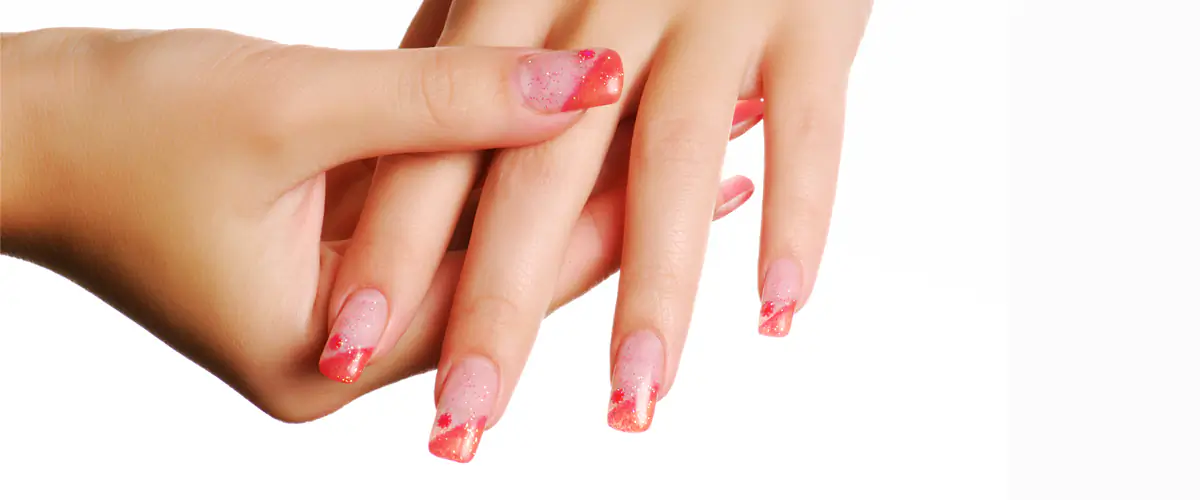
Caring for acrylic nails involves a consistent routine of protection, hydration, and gentle handling to keep them looking their best and prevent damage. Unlike natural nails, acrylics require specific attention to maintain their structure and adhesion.
The key to long-lasting, healthy acrylics lies in daily habits that minimize stress on the nail enhancement and support the health of your natural nail underneath. This includes moisturizing, protecting them from harsh elements, and knowing when to seek professional help for maintenance or repairs.
Daily moisturizing of cuticles and
- Consistent moisturizing is crucial for acrylic nail and cuticle health.
- Protecting your nails from harsh chemicals and impact prevents damage.
- Gentle cleaning and avoiding picking can extend the life of your acrylics.
- Regular professional fills are essential for maintaining strength and appearance.
- Early detection of lifting or damage can prevent more serious issues.
| Topic | When it helps | What to keep in mind |
|---|---|---|
| 1 | Everyone with acrylic nails, especially those prone to dry skin or living in dry climates. | Skipping this step can lead to dry, cracked cuticles and increase the risk of acrylic lifting from the natural nail bed. |
| 2 | Anyone performing household chores, gardening, or working with water/chemicals. | Direct contact with acetone, strong detergents, or excessive water can degrade the acrylic material and lead to premature lifting or breakage. |
| 3 | All acrylic nail wearers to prevent infections and maintain hygiene. | Ignoring cleanliness can lead to discoloration, trapped debris, and potential fungal or bacterial infections under the acrylic. |
| 4 | Anyone with growing natural nails and existing acrylics. | Delaying fills can lead to an unbalanced nail, making it more prone to breaking, lifting, or causing damage to your natural nail. |
The article must cover daily
1. Moisturize Daily
Regularly applying cuticle oil and hand cream is vital. Acrylics can dry out the natural nail and surrounding skin, leading to brittleness and lifting.
- Everyone with acrylic nails, especially those prone to dry skin or living in dry climates.
- Skipping this step can lead to dry, cracked cuticles and increase the risk of acrylic lifting from the natural nail bed.
- Keep a small bottle of cuticle oil and hand cream by your bedside and sink to make daily application a consistent habit.
- Frequency – Daily, multiple times.
- Products – Cuticle oil, non-greasy hand cream.
2. Protect from Impact and Chemicals
Acrylics are durable but not indestructible. Avoid using your nails as tools to pry, scrape, or open things.
- Anyone performing household chores, gardening, or working with water/chemicals.
- Direct contact with acetone, strong detergents, or excessive water can degrade the acrylic material and lead to premature lifting or breakage.
- Wear gloves for all cleaning tasks, dishwashing, and any activity that involves prolonged water immersion or chemical contact.
- Protection – Gloves, gentle handling.
- Avoid – Acetone, harsh cleaners, prying.

3. Maintain Cleanliness
Keeping your acrylics clean, both on top and underneath, prevents dirt and bacteria buildup. Use a soft nail brush with mild soap and water to gently scrub the underside of your nails.
- All acrylic nail wearers to prevent infections and maintain hygiene.
- Ignoring cleanliness can lead to discoloration, trapped debris, and potential fungal or bacterial infections under the acrylic.
- Incorporate a quick nail scrub into your handwashing routine, especially after gardening or other dirty tasks.
- Tools – Soft nail brush, mild soap.
- Action – Gentle scrubbing, thorough drying.
4. Get Timely Fills and Repairs
As your natural nails grow, a gap appears between your cuticle and the acrylic. Regular fills (typically every 2-3 weeks) are crucial to rebalance the nail, prevent stress on the natural nail, and maintain the acrylic’s strength and appearance.
- Anyone with growing natural nails and existing acrylics.
- Delaying fills can lead to an unbalanced nail, making it more prone to breaking, lifting, or causing damage to your natural nail.
- Schedule your next fill appointment before leaving the salon to ensure consistent maintenance and prevent issues.
- Frequency – Every 2-3 weeks.
- Action – Professional fill, immediate repair for damage.
Daily Habits for Healthy Acrylics
Consistent daily care is the foundation for beautiful, long-lasting acrylic nails. The most important habit to adopt is regular moisturizing.
Beyond moisturizing, being mindful of how you use your hands is critical. Treat your acrylics as delicate enhancements, not tools.
After washing your hands, take an extra moment to apply a pea-sized amount of cuticle oil to each nail and massage it in, then follow with a hydrating hand lotion.
Neglecting daily moisturizing, which can lead to brittle nails, dry cuticles, and increase the likelihood of acrylic lifting.

ul>
Protecting Your Acrylics from Damage
Your acrylic nails need a shield against certain elements to maintain their integrity. Water, especially prolonged immersion, can seep under the acrylic and weaken the bond, potentially leading to lifting.
Impact is another major enemy. A sudden bump or snag can cause a crack or break, not just in the acrylic but potentially damaging your natural nail underneath.
Before starting dishwashing or cleaning with household sprays, slip on a pair of rubber gloves.
Exposing acrylics to harsh chemicals like acetone (found in many nail polish removers) or strong cleaning agents without protection, which can dissolve or weaken the acrylic.
- Always wear gloves when washing dishes, cleaning with chemicals, or gardening.
- Use non-acetone nail polish remover if you choose to paint your acrylics.
- Be cautious with hot water, as extreme temperatures can sometimes affect the acrylic bond.
- Avoid activities that involve heavy impact or repetitive stress on your nails.
| Do This | Avoid This |
|---|---|
| Wear gloves for chores. | Submerge bare hands in hot, soapy water. |
| Use non-acetone remover. | Use acetone-based polish remover. |
| Use finger pads for tasks. | Use nails to pry or scrape. |
| Dry hands thoroughly. | Leave nails wet for long periods. |
Maintaining Cleanliness and Preventing Issues
Beyond surface appearance, maintaining the cleanliness of your acrylic nails is crucial for health. Dirt, lint, and debris can easily accumulate underneath the extended nail, creating a breeding ground for bacteria or fungi.
Lifting is a common issue where the acrylic separates from your natural nail. While sometimes unavoidable, proper care can minimize its occurrence.

If you notice a small gap or ‘lift’ at the edge of your acrylic, resist the urge to pick at it.Ignoring dirt buildup under the nails or picking at lifted acrylics, which can introduce bacteria, cause infections, or further damage the natural nail.Gently clean underneath your acrylics daily with a soft brush and mild soap.Ensure your nails are completely dry after washing to prevent moisture trapping.If you notice any lifting, do not pick or pull at the acrylic; contact your nail technician.Watch for any discoloration (greenish or yellowish spots) under the acrylic, which could indicate an infection.
When to Seek Professional Help
While daily care is essential, acrylic nails also require regular professional maintenance. As your natural nails grow, the acrylic shifts, creating an imbalance that can stress your natural nail and make the acrylic more prone to breaking.
Beyond routine fills, your nail technician is your best resource for any significant damage, such as cracks, breaks, or persistent lifting. They have the tools and expertise to safely repair or remove acrylics without harming your natural nails.
If you accidentally chip a corner of your acrylic, instead of trying to file it smooth yourself, call your nail technician for a quick repair to prevent the chip from spreading.
Attempting to perform complex repairs or removals at home, which can severely damage your natural nails and lead to pain or infection.
- Schedule fills every 2-3 weeks, depending on your nail growth.
- Contact your technician immediately for any significant chips, cracks, or breaks.
- If you experience persistent lifting, consult your technician rather than trying to fix it yourself.
- Always have acrylics professionally removed to protect your natural nails.
FAQs
How often should I moisturize my cuticles with acrylics?
You should aim to moisturize your cuticles and the skin around your acrylic nails at least once daily, and ideally twice. Consistent hydration helps prevent dryness, cracking, and can reduce the risk of acrylic lifting.
Can I use regular nail polish remover on acrylic nails?
No, you should only use non-acetone nail polish remover on acrylic nails. Acetone-based removers can dissolve and weaken the acrylic material, leading to damage, dullness, or even complete breakdown of the nail enhancement.
What are the signs my acrylics need a fill?
The most obvious sign is a visible gap between your cuticle and the acrylic, indicating natural nail growth. You might also notice the nail feeling unbalanced, or the tips becoming heavier, making them more prone to snagging or breaking.
Why do my acrylic nails lift, and what should I do?
Acrylics can lift due to improper application, natural nail oils, trauma, or prolonged water exposure. If you notice lifting, do not pick or pull at it.
How long do acrylic nails typically last with proper care?
With proper care and regular fills every 2-3 weeks, acrylic nails can last indefinitely. The acrylic itself is durable, but consistent maintenance is key to managing natural nail growth and preventing damage, allowing you to keep them for as long as you.
Conclusion
Proper care for acrylic nails is an ongoing commitment that pays off in their appearance and longevity. By adopting simple daily habits like consistent moisturizing and gentle handling, you can significantly extend the life of your acrylics and keep them looking salon-fresh.
Remember to protect your nails from harsh chemicals and impacts, maintain good hygiene, and never underestimate the value of professional maintenance. Regular fills and prompt repairs by a qualified technician are crucial for preventing damage and ensuring your natural nails remain healthy underneath.
Related posts
 How to Strengthen Weak Nails: A Practical Guide to Daily Care
Learn how to strengthen weak nails with simple daily habits, protective care, and targeted hydration. Restore your natural nail strength today. Weak, peeling, or brittle nails…
 What Sounds Do Cats Dislike? 7 Noises That Stress Your Pet
Discover what sounds do cats dislike and why. Learn how to protect your cat’s sensitive hearing from stressful household noises and high-frequency hums. Cats dislike sounds…
 Restoring Faded Black Clothing: Practical Methods and Reality Checks
Can you restore faded black clothing? Learn the difference between temporary color revival and permanent redyeing, plus how to prevent future fading. You can restore the…