
How To Clean Ceiling Fan Easily
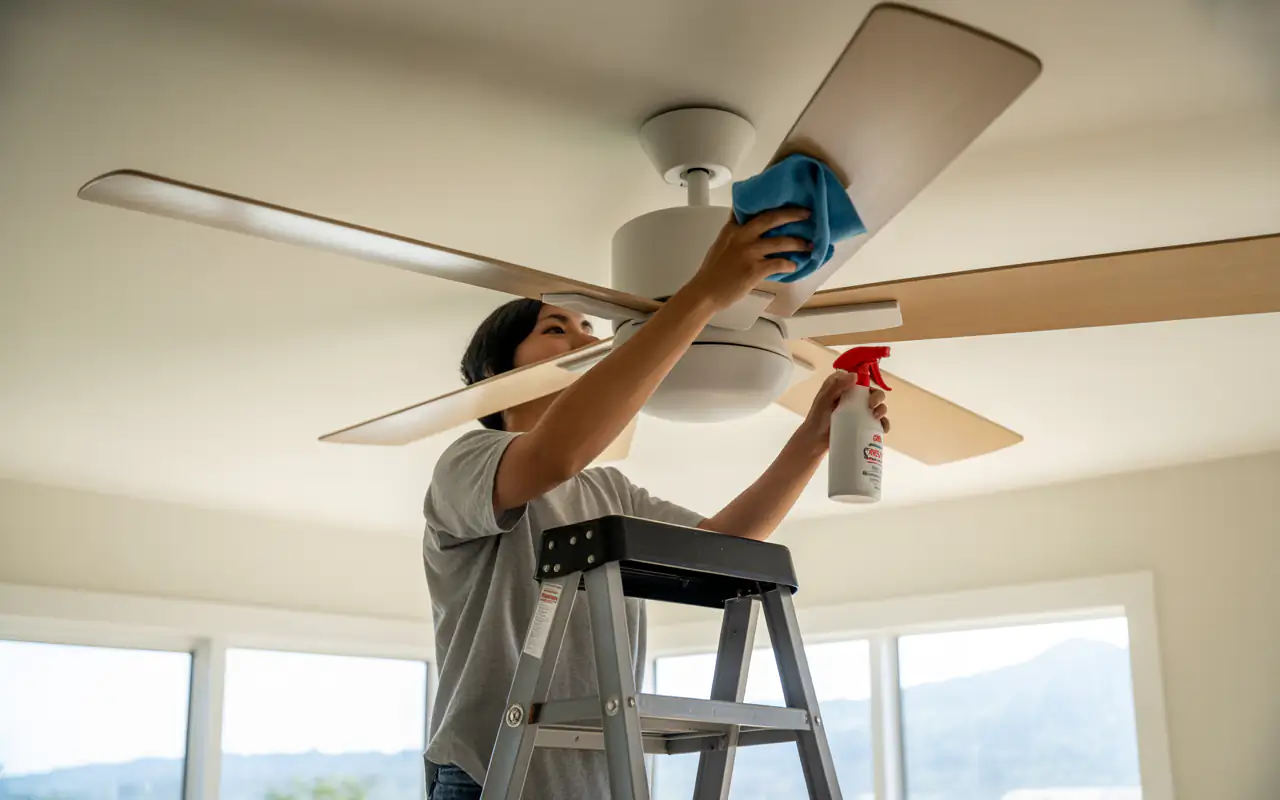
You can clean ceiling fan easily by using an old pillowcase to trap dust without making a mess on your floors or bed. This simple guide helps you clean dust and dirt fast.
Ceiling fans are great tools for keeping our homes cool and comfortable. They circulate fresh air, lower our energy bills, and add a nice touch to our rooms. However, because they are high up and constantly moving, they gather a large amount of dust, dirt, and pet dander over time. When a fan becomes dirty, it can spread these particles all over your living room, bedroom, or kitchen. This can trigger allergies and lower the air quality in your home. Learning how to clean ceiling fan easily is one of the best ways to keep your living space fresh and healthy.
Many people avoid cleaning their fans because they think it takes too much time or makes a huge mess. They worry about dust falling all over their clean floors, beds, and furniture. This concern is very normal, but cleaning your fan does not have to be a major chore. With the right tips and simple household items, you can complete this task in just a few minutes without causing a dust storm in your house. If you want to know how to clean ceiling fan easily, you are in the right spot. This guide will show you simple ways to get your fan blades shining again.
Regular maintenance also keeps your appliances running well for a longer time. A heavy layer of dust can weigh down the blades and put stress on the fan motor. This extra weight causes the motor to work harder, which can lead to unwanted noise, shaking, and high electricity bills. By taking a few minutes to clean your fan, you save energy and protect your investment. Let us look at why a clean fan is so important and how you can do this job without any stress.
Why Keeping Your Ceiling Fan Clean Matters
A clean home is a healthy home, and your ceiling fan plays a major role in this balance. When your fan is spinning, it acts like a magnet for airborne dust. This happens because of static electricity created by the moving blades. Over days and weeks, a thick layer of grey grime builds up on the top edges of the blades. If you do not wipe this away, the fan will throw these tiny particles back into the air every time you turn it on. This can cause sneezing, coughing, and watery eyes for anyone in the room.
“Clean spaces bring clear thoughts and peaceful homes.” – Sarah Jenkins, Home Organization Expert
Using a clean fan improves the overall comfort of your room. Dust acts like an insulating layer on the fan motor and blades, which can reduce air movement. You might notice that your room does not feel as cool as it used to feel. When you remove the dirt, the blades can cut through the air much better, creating a stronger and cooler breeze. This means you can run your fan on a lower setting and still enjoy a great breeze during hot days.
The Hidden Dangers of Accumulated Dust
When dust sits on your fan blades for months, it turns into a thick, sticky layer. This layer often contains pet hair, skin cells, outdoor pollen, and dust mites. For people who suffer from asthma or seasonal allergies, this mixture can cause real health issues. Every time the fan turns on, these particles fly into the air and land on your carpets, couches, and even your bed sheets. You end up breathing in these particles while you sleep or relax.
In addition to health worries, dirty fans can ruin your home decor. As the dust builds up, it can fly off the blades and leave dark marks on your white ceilings and walls. These marks are hard to remove and might require new paint. Dust can also drop into the inner parts of the fan motor, causing it to wear out much faster than normal. Wiping the blades regularly keeps your walls clean and your motor safe.
Best Tools to Clean Ceiling Fan Easily
You do not need to buy expensive tools or special chemicals to keep your fans clean. In fact, some of the most effective items are already sitting in your closets or kitchen cabinets. Finding the right tools allows you to clean ceiling fan easily without spending a lot of money. Using the correct items also ensures that you do not scratch the paint or damage the wood on your fan blades.
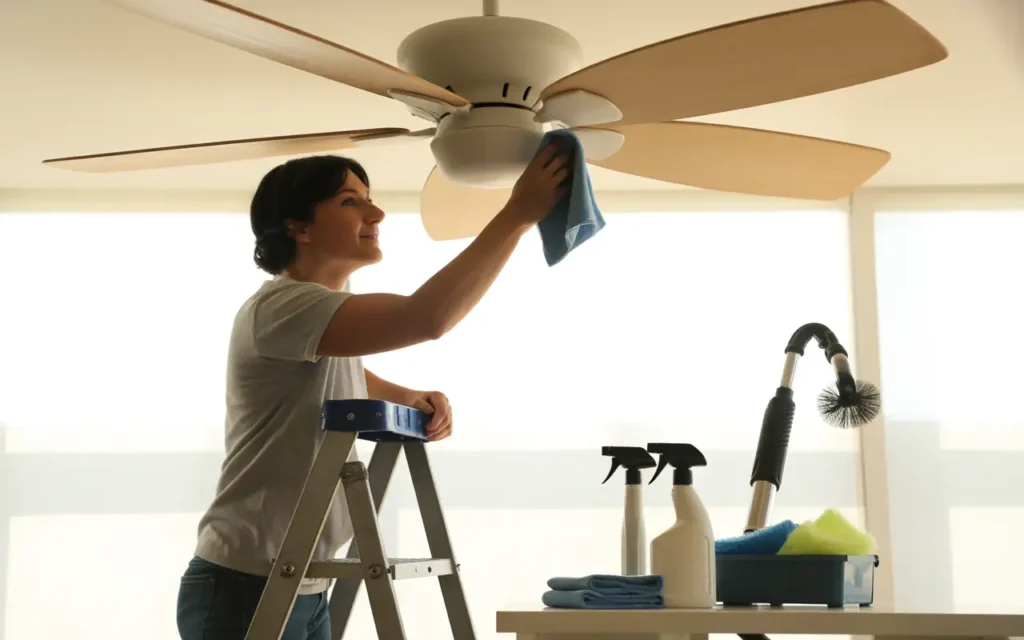
The most popular tool for this job is an old pillowcase. This may sound strange at first, but it is a favorite trick among professional house cleaners. A pillowcase works well because it wraps around the blade and catches all the dirt inside. Other great tools include microfiber cloths, mild dish soap, and a sturdy step stool or ladder. Let us look at a quick comparison of the most common cleaning tools you can use.
Choosing the Right Tools for Your Home
| Tool Type | Best Used For | Mess Level |
| Pillowcase | Standard fans over beds and furniture | Zero mess on floors |
| Microfiber Cloth | Deep cleaning sticky or greasy blades | Low mess with damp cloth |
| Extendable Duster | Very high ceilings and daily dusting | Medium mess from falling dust |
Each tool has its own benefits depending on the room and the height of your ceiling. For example, if your fan is hanging high up in a living room with a tall ceiling, an extendable pole duster is the safest choice. If the fan is directly above your bed, the pillowcase method is perfect because it prevents dust from falling onto your blankets. Always choose the tool that feels safest and most comfortable for you to use.
Step-by-Step Guide: How to Clean Ceiling Fan Easily with a Pillowcase
The pillowcase method is the top choice for anyone who wants a fast clean without a big cleanup afterward. This method ensures that the dust stays trapped inside the cloth bag instead of dropping onto your face or your floor. We will show you exactly how to clean ceiling fan easily using things you already have at home. Follow these steps for a quick and simple clean.
First, you must ensure that the fan is completely turned off. Never try to clean a fan while the blades are moving, as this can cause severe injury or damage the appliance. It is best to turn off the wall switch and, if you want to be extra safe, turn off the breaker for that room. Make sure the room has good lighting so you can see the top of the blades clearly.
Preparing Your Space Before You Start
Even though the pillowcase method keeps dust contained, it is still smart to do a little preparation. Move any small items, toys, or water glasses away from the area beneath the fan. If your fan is directly over a bed, you can place an old sheet or towel over your blankets just in case a small piece of dirt falls down. Put on a comfortable pair of shoes and set up your ladder or step stool on a flat, even surface.
Make sure your ladder is steady before you climb up. If you feel unsteady on ladders, ask a family member or friend to hold the base for you. Grab an old pillowcase from your linen closet. A cotton or flannel pillowcase works best because these fabrics have a natural texture that grabs onto dust particles very well. You can also lightly spray the inside of the pillowcase with water or a mild cleaning spray to help the dust stick even better.
Step 1: Turn off the fan and secure your ladder.
Step 2: Slide the pillowcase over one fan blade.
Step 3: Press the cloth against the top and bottom of the blade.
Step 4: Pull the pillowcase back to trap the dust inside.
Step 5: Repeat for all blades and wipe the motor housing.
The Pillowcase Method Explained Step by Step
Now that you are safely on your step stool, slide the open end of the pillowcase completely over one of the fan blades. The blade should be fully inside the pillowcase. Next, use your hands to press the cloth against the top and bottom surfaces of the blade at the same time. This action sandwiches the blade between the two sides of the pillowcase.
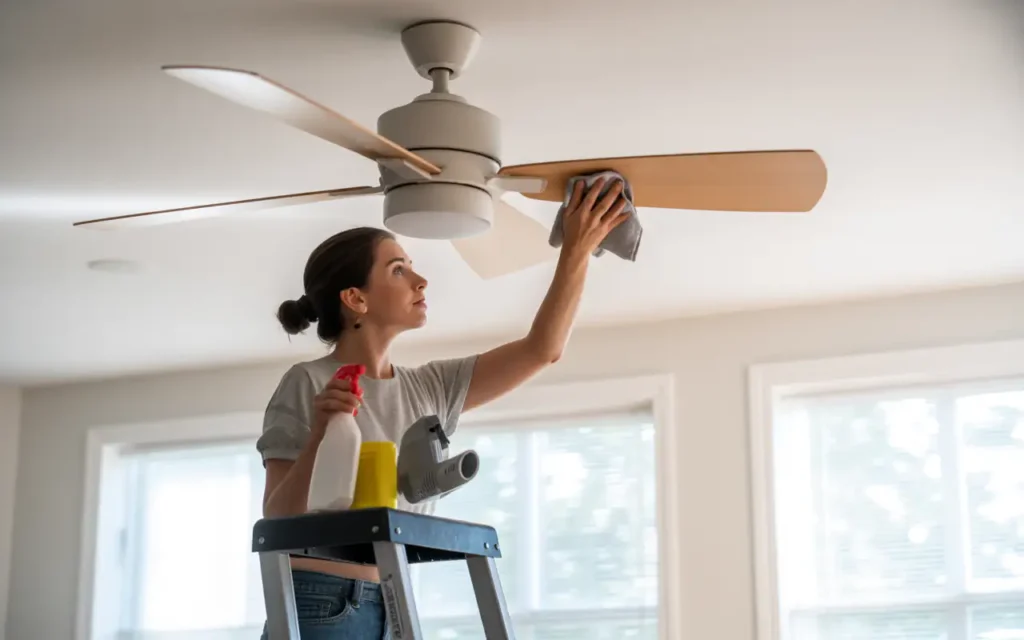
Slowly and firmly, pull the pillowcase back toward the outer tip of the blade. As you pull, the cloth will wipe the top, bottom, and edges of the blade all at once. All the loose dust and dirt will slide right off the blade and remain trapped inside the bottom of the pillowcase. This approach lets you clean ceiling fan easily because the dust stays inside the bag instead of flying into the air. Repeat this exact process for each blade on your fan, turning the fan gently with your hand to reach the next spot.
Alternative Methods to Clean Your Ceiling Fan
While the pillowcase trick is wonderful, it might not be the best choice for every single fan in your home. Some fans might be too high to reach with a standard ladder, while others might have sticky grease that requires a liquid cleaner. Fortunately, there are other great ways to get the job done quickly. Knowing these alternatives gives you options for every situation in your household.
If your fan has not been cleaned in a long time, the dust might be stuck to the surface. In this case, dry dusting will not remove all the grime. You will need to use a damp cleaning method to break down the sticky layers. Let us look at how you can use simple clothes and special brushes to tackle different types of dirt.
Using a Microfiber Cloth and Warm Water
A microfiber cloth is an excellent tool for deep cleaning. These cloths are made with tiny fibers that lift and lock away dirt rather than just moving it around. To use this method, mix a few drops of mild dish soap into a bucket of warm water. Dip your cloth into the soapy water and wring it out thoroughly until it is just slightly damp. You do not want water dripping into the fan motor.
Wipe each blade from the center motor out to the tip. Use gentle pressure to remove any stubborn spots or sticky buildup. After wiping with the soapy cloth, take a second microfiber cloth dampened with plain water to rinse away any soap residue. Finally, dry the blades with a clean towel to prevent any moisture from soaking into wood blades. This method takes a few extra minutes, but it leaves your fan looking brand new.
Using a Long-Handled Duster for High Ceilings
If you have a home with high ceilings or a two-story entryway, you might not be able to reach your fan safely with a standard step stool. Do not risk your safety by climbing too high or balancing on furniture. Instead, buy an extendable duster with a long pole. Many of these dusters are made specifically for ceiling fans and feature a curved head that fits perfectly over the blades.
You can still clean ceiling fan easily even if you do not own a ladder by using these long poles. Simply stand firmly on the floor, extend the pole to the right height, and slide the duster over each blade. Move the duster back and forth to collect the loose dirt. Since some dust might fall down during this process, it is a good idea to wear a dust mask and glasses to protect your eyes and lungs. Also, cover your furniture with old sheets before you start.
Cleaning Different Types of Ceiling Fans
Not all ceiling fans are created equal, and different rooms present different cleaning challenges. A fan in a bedroom usually just collects dry dust and lint from blankets. However, a fan in a kitchen or an outdoor patio deals with different elements like cooking grease, moisture, bugs, and pollen. Tailoring your approach to the specific room will save you time and effort.
“Regular care of home appliances extends their life and saves money.” – David Miller, Appliance Technician
When dealing with different materials, you must be careful with your cleaners. Wooden blades can warp if they get too wet, while painted plastic blades can scratch if you use abrasive scrubbing pads. Metal blades on industrial fans can rust if they are left damp. Always check the material of your fan before applying any liquid solutions.
How to Safely Clean Kitchen Ceiling Fans
Kitchen fans are often the hardest to clean because cooking oils and steam mix with the dust in the air. This creates a sticky, yellow film on the blades that regular dusting cannot remove. Grease acts like glue, trapping more dirt every single day. To tackle this, you need a safe degreaser or a natural cleaning mixture like white vinegar and dish soap.
Mix equal parts of warm water and white vinegar in a spray bottle, then add a teaspoon of dish soap. Shake the bottle well and spray the solution onto a microfiber cloth. Do not spray it directly onto the fan blades, as the liquid could get into the motor and cause an electrical short. Grease makes it hard to learn how to clean ceiling fan easily, but a little soap changes everything. Wipe each blade carefully with the damp cloth, letting the soap break down the grease, then wipe it dry with a clean rag.
Taking Care of Outdoor and Patio Fans
Outdoor ceiling fans are wonderful for keeping porches and patios cool during hot summer evenings. However, they are exposed to wind, rain, humidity, bugs, and pollen. Outdoor units gather bugs and pollen, but you can clean ceiling fan easily with a wet rag and a mild cleaning spray. These fans often get dirtier than indoor fans, so they require more frequent attention.
Before cleaning an outdoor fan, check for spiderwebs, wasp nests, or bird droppings on top of the blades. Use a soft brush or dry cloth to sweep away any webs or loose dirt first. Next, use a bucket of warm soapy water to wash down the blades and the exterior of the motor housing. Since outdoor fans are built to handle moisture, their materials are usually tougher, but you should still avoid getting water inside the actual motor vents.
Fixing Common Fan Issues After Cleaning
Sometimes, after you clean your ceiling fan, you might notice that it makes a new sound or shakes when you turn it on. This is usually nothing to worry about. It often happens because a blade was pushed slightly out of place during the wiping process, or because the heavy dust layer was helping to balance an uneven blade. Fixing these small issues is simple and can be done right away.
When you are wiping the blades, always use a gentle touch. If you press down too hard on the blades, you can bend the metal brackets that hold them to the motor. These brackets are designed to keep the blades at a specific angle. If one bracket is bent even a tiny bit, the fan will lose its balance and begin to wobble.
How to Stop a Ceiling Fan from Wobbling
If your fan shakes after cleaning, the first step is to check all the screws. Over time, the constant vibration of the fan can loosen the screws that connect the blades to the brackets, or the brackets to the motor. Use a screwdriver to check each screw and tighten them if they feel loose. When you know how to clean ceiling fan easily, you can also look for loose screws as part of your regular home maintenance routine.
If the screws are tight but the fan still shakes, the blades might be out of balance. You can buy a cheap fan balancing kit from any local hardware store. This kit includes small plastic clips and weights. You place a clip on the middle of a blade and turn on the fan to see if the shaking stops. Test each blade until you find the one that is causing the issue, then stick the permanent weight in place.
Best Maintenance Schedule for Longevity
To avoid dealing with massive piles of sticky dust, it is best to establish a regular cleaning routine. Keeping up with your fans prevents dirt from building up and makes each cleaning session take less than two minutes. A quick dust once a month is usually enough for most standard household rooms.
“Simple habits can turn a dusty room into a fresh sanctuary.” – Ellen Brooks, Interior Designer
Depending on your lifestyle, you might need to clean your fans more often. For example, if you have dogs or cats that shed a lot of fur, or if you live near a dusty dirt road, your fans will collect debris much faster. Let us take a look at a helpful seasonal maintenance schedule to keep your home running smoothly.
Seasonal Fan Care Guide
| Season | Maintenance Task | Why It Matters |
| Spring | Deep clean blades and check direction | Prepares the fan for heavy summer use |
| Summer | Quick monthly dusting with pillowcase | Keeps air fresh during peak hot months |
| Autumn | Clean blades and reverse fan direction | Pushes warm air down during cold days |
| Winter | Wipe motor housing and check screws | Prevents dust buildup while fan is idle |
Following this simple schedule ensures that your appliances stay in top shape all year long. It also helps you remember to flip the directional switch on your fan motor. In the summer, your fan should spin counterclockwise to create a cool downward breeze. In the winter, it should spin clockwise at a low speed to pull cool air up and push warm air down without creating a chilly draft.
Natural Cleaning Solutions for a Safer Home
If you want to avoid using harsh chemicals in your home, you can easily make natural cleaners that work just as well as store-bought brands. Natural solutions are safe for children, pets, and the environment. They are also much cheaper and use items you already have in your kitchen pantry.
White vinegar is an amazing natural cleaner. It contains mild acid that cuts through dust, grease, and grime without damaging finishes. Baking soda is another great option for lifting tough spots, especially on kitchen fans. Let us look at how you can mix these simple ingredients to create a wonderful cleaning spray for your home appliances.
Natural Fan Spray Recipe:
- 1 cup of warm water
- 1 cup of white distilled vinegar
- 3 to 5 drops of your favorite essential oil (like lemon or lavender)
Mix these ingredients together in a clean spray bottle. The vinegar will cut through any sticky residue on the blades, while the essential oil will leave your entire room smelling wonderful and clean. Remember to spray the solution onto your microfiber cloth or pillowcase instead of spraying it directly onto the fan unit itself to protect the electrical parts.
Frequently Asked Questions
Many people ask how to clean ceiling fan easily during their spring chore routine, and they often have similar questions about safety and efficiency. Here are answers to the most common questions to help you clean with confidence.
Can I use a vacuum cleaner to clean my ceiling fan?
Yes, you can use a vacuum cleaner if it has the right attachment. A soft brush attachment on a long vacuum hose works very well for removing loose dust. However, you must be careful not to press too hard, or you might bend the fan blades or scratch the surface paint. The vacuum is great for a quick clean, but it might not remove sticky dirt.
How often should I clean my ceiling fans?
For most homes, a quick cleaning once every month is perfect. This prevents large amounts of dust from gathering and keeps your air quality high. If you have pets or severe allergies, you might want to wipe the blades every two weeks to keep the environment as clean as possible.
What is the fastest way to clean a fan without a ladder?
The fastest way without a ladder is using an extendable pole duster with a curved head. These tools allow you to stand safely on the ground while wiping both sides of the fan blade at once. It takes less than two minutes per fan and keeps your feet safely on the floor.
Why is my ceiling fan so dusty compared to other furniture?
Ceiling fans get dusty quickly because of static electricity. As the blades spin through the air, they create friction, which creates a small static charge. This charge attracts dust particles from the air like a magnet, causing them to stick to the edges of the blades.
Is it safe to spray liquid cleaners on the fan motor?
No, you should never spray any liquid cleaner directly onto the fan motor or into the motor vents. Liquid can ruin the electrical wiring and cause a fire hazard or shock. Always spray your cleaning solution onto a cloth first, then use the damp cloth to wipe the outside of the motor housing.
What should I do if a fan blade looks warped?
If a blade is warped from moisture or age, it is best to replace the blades. Running a fan with a warped blade causes severe wobbling, which can damage the ceiling mount and cause the fan to fall. Most hardware stores sell replacement blade sets that are easy to install.
Conclusion
Keeping your home fresh and tidy does not require hours of hard work or special skills. Now you know how to clean ceiling fan easily and keep your home fresh all year long without creating a big mess. Whether you choose the simple pillowcase trick for your bedroom or a long pole duster for your high living room ceiling, the key is consistency. Taking just a few minutes every month to wipe down your fan blades will improve your indoor air quality, lower your energy costs, and extend the lifespan of your appliance.
A clean fan provides a beautiful, cool breeze that makes your home feel like a comfortable sanctuary. By using simple tools like old pillowcases, warm water, and mild soap, you can achieve amazing results with very little effort. Gather your tools, secure your step stool, and give your fans the quick care they deserve today. Your lungs, your wallet, and your home will thank you for it.
Related posts
 Best Under Sink Organizers Kitchen 2026: Practical Storage Solutions
Find the best under sink organizers kitchen in 2026. Compare top-rated pull-out bins, L-shaped racks, and protective mats to maximize your cabinet space. The space under…
 Best Kitchen Cabinet Storage Solutions for 2026
Organize your kitchen efficiently with our Best Kitchen Cabinet Storage Solutions. Compare the best organizers for lids, pans, and spices to maximize your space. A cluttered…
 Top Rated Kitchen Shelf Organizers for 2026
Discover the top rated kitchen shelf organizers for 2026. Compare durable racks, magnetic shelves, and tiered storage to maximize your pantry and counter space. A cluttered…