
Can Fitness Improve Posture? How Exercise Resets Your Alignment
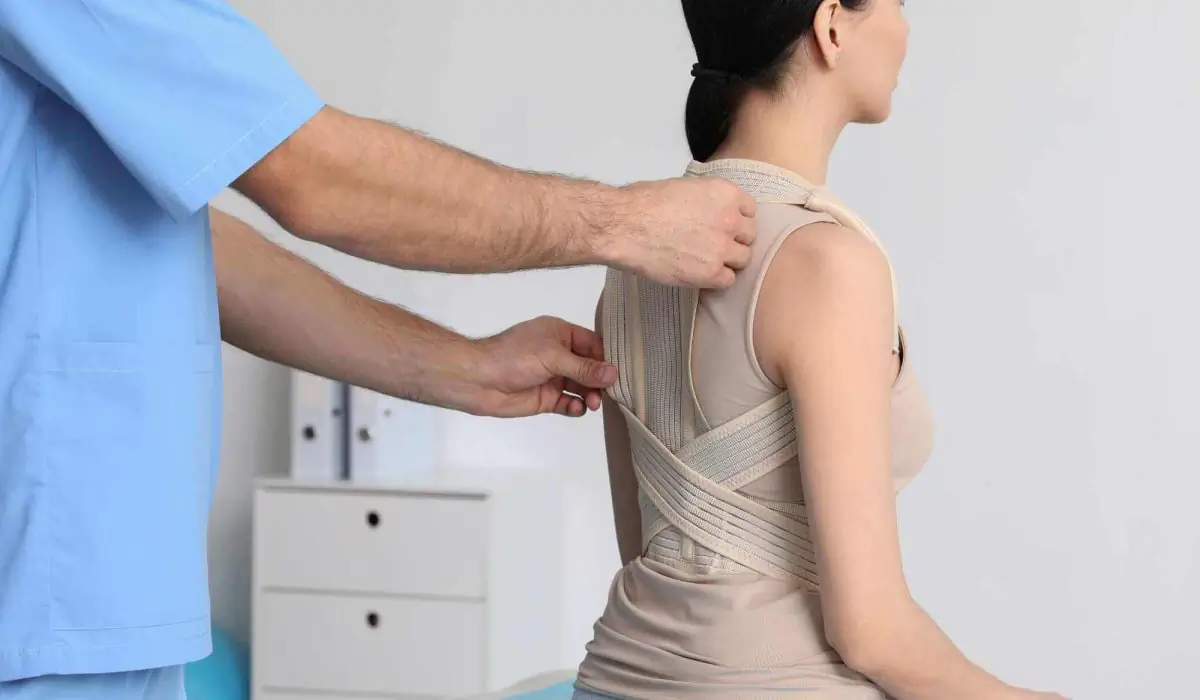
Yes, a targeted fitness routine can dramatically improve your posture. Most common posture issues, such as rounded shoulders, a forward head, or an arched lower back, are not permanent structural defects.
To fix this, you need a fitness approach that restores balance. By strengthening the weak, underactive muscles-primarily in your upper back, core, and glutes-and stretching the tight, overactive muscles in your chest and hips, you can naturally pull your body back into its neutral alignment.
Direct confirmation that fitness improves
- Fitness is highly effective at correcting functional posture issues by balancing weak and tight muscles.
- A successful posture routine must combine upper back strengthening with chest and shoulder stretching.
- Core strength acts as the foundation for a neutral spine and pelvis.
- Daily movement habits are just as important as structured gym sessions.
| Topic | When it helps | What to keep in mind |
|---|---|---|
| Pillar 1 | Desk workers who spend hours hunched over a keyboard. | Avoid shrugging your shoulders toward your ears during these exercises, which activates the wrong muscles. |
| Pillar 2 | People who experience lower back pain after standing for short periods. | Do not let your lower back sag during planks, as this places stress on the lumbar spine. |
| Pillar 3 | Anyone with tight chest muscles or a forward-leaning torso. | Avoid overstretching to the point of pain; stretches should feel like a gentle release. |
| Pillar 4 | People who feel stiff in their upper back when trying to sit up straight. | Do not force your spine into painful ranges of motion. |
Focus on functional posture issues
Pillar 1. Upper Back Strengthening
Focuses on pulling the shoulder blades back and down to counteract rounded shoulders. Key movements include rows, face pulls, and reverse flies.
- Desk workers who spend hours hunched over a keyboard.
- Avoid shrugging your shoulders toward your ears during these exercises, which activates the wrong muscles.
- Perform upper back exercises with light to moderate weights, focusing entirely on squeezing the shoulder blades together.
- Primary Target – Rhomboids, Trapezius.
- Equipment Needed – Resistance bands or dumbbells.
- Frequency – 3 to 4 times per week.
Pillar 2. Core and Pelvic Stability
Strengthens the deep abdominal muscles and glutes to support the spine and keep the pelvis in a neutral position, preventing lower back arching.

- People who experience lower back pain after standing for short periods.
- Do not let your lower back sag during planks, as this places stress on the lumbar spine.
- Focus on breathing deeply into your abdomen while keeping your core braced during these movements.
- Primary Target – Transverse abdominis, Glutes.
- Equipment Needed – Bodyweight.
- Frequency – Daily.
Pillar 3. Chest and Anterior Stretching
Opens up the front of the body, allowing the shoulders to rest in their natural, backward position rather than being pulled forward.
- Anyone with tight chest muscles or a forward-leaning torso.
- Avoid overstretching to the point of pain; stretches should feel like a gentle release.
- Hold stretches for at least 30 seconds while taking slow, relaxing breaths.
- Primary Target – Pectoralis major and minor.
- Equipment Needed – Doorway or wall.
- Frequency – Multiple times daily.
Pillar 4. Thoracic Mobility
Improves the flexibility of the middle and upper spine, allowing you to extend and rotate your torso fully without compensation.
- People who feel stiff in their upper back when trying to sit up straight.
- Do not force your spine into painful ranges of motion.
- Use a foam roller to gently massage and extend the upper back before starting your workout.
- Primary Target – Thoracic spine.
- Equipment Needed – Foam roller or yoga block.
- Frequency – Daily.
How Fitness Rebuilds Your Alignment
To understand how fitness improves posture, you must look at how muscles work in opposing pairs. When one muscle contracts, its partner on the opposite side of the joint must relax.
A well-rounded fitness routine addresses these imbalances directly. By identifying which muscles are overactive and which are underactive, you can design a program that stretches the tight areas and strengthens the weak ones.
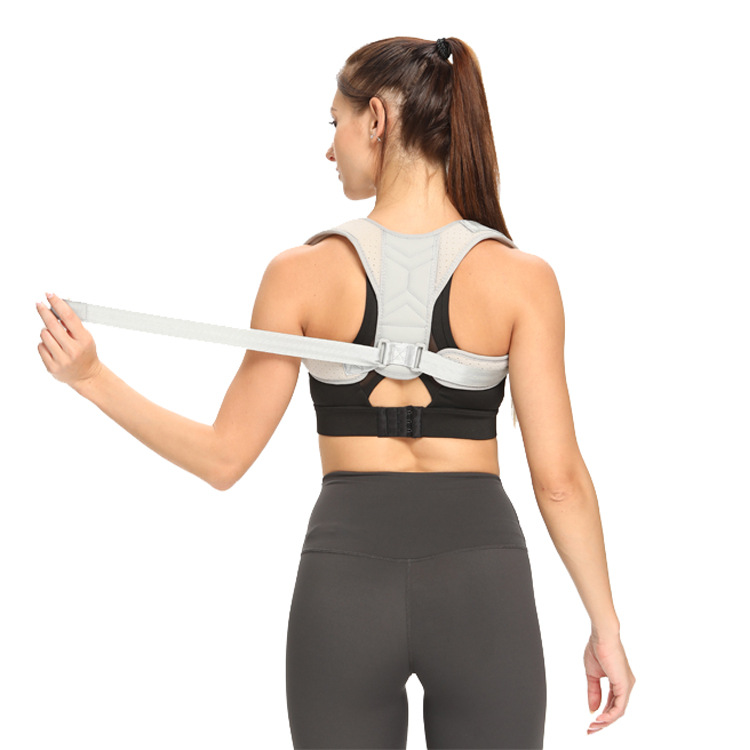
Think of your skeleton as a tent pole held up by guy wires (your muscles).
Do not assume that simply sitting up straight through sheer willpower will fix your posture; without muscle strength, your body will quickly fatigue and slump back down.
- Strengthening weak muscles pulls bones back into proper alignment.
- Stretching tight muscles removes the constant forward pull on your joints.
- Building muscle endurance allows you to maintain good posture throughout the day without fatigue.
| Common Posture Issue | Tight Muscles (Stretch These) | Weak Muscles (Strengthen These) |
|---|---|---|
| Rounded Shoulders. | Chest (Pectorals), Front Shoulders. | Upper Back (Rhomboids, Mid-Traps). |
| Forward Head. | Back of Neck (Suboccipitals). | Front of Neck (Deep Neck Flexors). |
| Arched Lower Back. | Hip Flexors, Lower Back. | Glutes, Abdominals. |
| Flat Back. | Hamstrings, Abdominals. | Hip Flexors, Lower Back Extensors. |
A Simple Daily Posture Routine
You do not need to spend hours in the gym to start seeing improvements in your posture. In fact, short, frequent movement breaks throughout the day are often more effective for retraining your nervous system and muscles than one long workout session.
The following routine is designed to target the most common areas of tightness and weakness. It takes less than ten minutes and can be performed in your living room or office.
Perform the doorway stretch and chin tucks right at your desk during your afternoon break to instantly relieve neck and shoulder tension.
Avoid rushing through the movements; slow, controlled execution is critical for retraining the nervous system.

The Doorway Stretch (Chest Opener)
Stand in an open doorway and place your forearms against the doorframe, with your elbows bent at a 90-degree angle. Gently step forward with one foot until you feel a comfortable stretch across your chest and shoulders.
Chin Tucks (Forward Head Correction)
Sit or stand tall with your shoulders relaxed. Look straight ahead and gently pull your chin straight back, as if you are trying to make a double chin.
Training Mistakes That Can Ruin Your Posture
While fitness is the key to better posture, the wrong kind of training can actually make your alignment worse. Many popular workout routines focus heavily on the ‘mirror muscles’-the chest, shoulders, and quadriceps-while neglecting the muscles along the back of the body.
This unbalanced approach reinforces the exact same hunched positions we adopt while sitting. To keep your posture healthy, your fitness routine must be balanced and mindful of how different muscle groups interact.
A gym-goer who performs heavy bench presses every workout but completely ignores back exercises, leading to a severely hunched upper body.
Do not prioritize heavy weights over proper form; lifting too heavy usually causes your body to compensate using poor posture patterns.
- Overtraining the chest: Excessive chest pressing without equal pulling movements pulls the shoulders forward.
- Ignoring the core: Relying on weight belts or failing to engage the deep abdominals during heavy lifts can.
- Using poor form: Performing exercises with rounded shoulders or a forward head trains your brain to accept those.
- Neglecting flexibility: Focusing solely on building muscle size without maintaining joint mobility leads to stiffness and restricted movement.
FAQs
Is it possible to fix posture with exercise alone?
Exercise is a powerful tool, but it works best when combined with daily awareness. If you exercise for one hour but spend the other twenty-three hours slouching, your progress will be slow.
Is 30 too late to fix poor posture?
It is never too late to improve your posture. While younger bodies adapt more quickly, muscles and connective tissues retain their ability to change and strengthen at any age.
Will going to the gym automatically improve my posture?
If you perform a balanced routine that emphasizes back strength, core stability, and mobility, your posture will improve. However, if you focus only on chest exercises and use poor form, gym workouts can actually worsen your alignment.
How long does it take to see posture improvements from fitness?
You may feel a difference in muscle tension and body awareness within a week or two of starting a routine. Structural changes, such as standing naturally taller without effort, typically take six to twelve weeks of consistent training as your muscles adapt.
Can fitness help correct a hunchback?
If the hunchback is functional (caused by poor habits and muscle weakness), targeted fitness can significantly improve or entirely correct it. However, if it is structural (caused by bone deformities like Scheuermann’s disease or severe osteoporosis), you should consult a medical professional.
Conclusion
Improving your posture is a journey that combines targeted physical training with daily mindfulness. Fitness provides the strength, flexibility, and endurance your body needs to hold itself upright without fatigue.
Remember that consistency is far more important than intensity. A short, daily routine performed with focus and proper form will yield much better results than an exhausting weekly workout.
Related posts
 How to Strengthen Weak Nails: A Practical Guide to Daily Care
Learn how to strengthen weak nails with simple daily habits, protective care, and targeted hydration. Restore your natural nail strength today. Weak, peeling, or brittle nails…
 What Sounds Do Cats Dislike? 7 Noises That Stress Your Pet
Discover what sounds do cats dislike and why. Learn how to protect your cat’s sensitive hearing from stressful household noises and high-frequency hums. Cats dislike sounds…
 Restoring Faded Black Clothing: Practical Methods and Reality Checks
Can you restore faded black clothing? Learn the difference between temporary color revival and permanent redyeing, plus how to prevent future fading. You can restore the…