
Can Fitness Boost Confidence

If you wonder ‘can fitness boost confidence,’ the answer is yes. Regular exercise improves self worth, reduces anxiety, and builds mental strength. Learn the science and practical steps to feel more confident through fitness.
Have you ever finished a workout and felt like you could take on anything? That feeling is real. Many people ask, can fitness boost confidence? The short answer is yes. But let me tell you why. This is not just about looking good in a mirror. It is about feeling strong, capable, and sure of yourself. I have seen this change in my own life and in many friends who started moving their bodies more often.
When you exercise regularly, something shifts inside you. You stand a little taller. You speak a little clearer. You worry less about what others think. This article will show you exactly how fitness builds confidence. You will learn the science, the real life stories, and the simple steps to get started. No fancy equipment needed. Just a honest look at how moving your body changes your mind.
Let us explore this together.
The Direct Link Between Exercise and Self Esteem
Self esteem is how you value yourself. It is the quiet voice that says “I am good enough” or “I can do this.” When that voice is weak, life feels harder. You might avoid social events. You might stay quiet at work. You might say no to new chances.
Here is the good news. Exercise strengthens that voice. A study from the University of Edinburgh found that people who exercised just 30 minutes a few times per week reported higher self esteem. They felt more capable in their jobs and relationships.
So can fitness boost confidence in practical terms? Yes. Think about the last time you pushed through a hard set of squats or finished a long walk. You proved something to yourself. You said “I set a goal and I met it.” That proof adds up.
How Physical Changes Affect Your Mind
When you exercise, your body changes. You get stronger. Your clothes fit differently. You have more energy. But the mental changes happen faster than the physical ones. Even after one workout, your brain releases endorphins. These are natural mood lifters. They wash away stress and leave you feeling lighter.
You also start to feel more in control of your body. That sense of control spreads to other parts of life. You feel more in control of your schedule, your choices, and your reactions to problems.
Table 1: Types of Exercise and Confidence Benefits
| Type of Exercise | Confidence Benefit |
|---|---|
| Walking or Jogging | Clears your mind, reduces overthinking, builds daily consistency |
| Strength Training | Makes you feel physically powerful, shows measurable progress |
| Yoga or Stretching | Improves body awareness, reduces anxiety, teaches patience |
| Group Classes | Builds social confidence, reduces fear of judgment |
| Dancing | Brings joy, removes self consciousness, improves mood fast |
I have a friend named Sarah who started lifting weights two years ago. She was shy and often felt invisible at work. After six months of regular strength training, she volunteered to lead a team project. She told me, “When I can deadlift 150 pounds, a meeting doesn’t scare me anymore.” That is the power of fitness.
“Exercise is a celebration of what your body can do. Not a punishment for what you ate.” – Women’s Health magazine (adapted from common fitness philosophy)
The Science Behind Fitness and Confidence
Let me share what happens inside your brain when you exercise. This is not magic. It is biology. When you move your body, your heart pumps more blood to your brain. This brings oxygen and nutrients that help brain cells grow and connect better.
Brain Chemistry and Mood Regulation
Three main chemicals change when you exercise. First are endorphins. These reduce pain and trigger a happy feeling. Second is serotonin. This helps regulate mood, sleep, and appetite. Low serotonin is linked to depression and low confidence. Third is dopamine. This is the reward chemical. It gives you a sense of achievement.
After a workout, your brain has more of all three. That is why you feel more optimistic and capable. You look in the mirror and see someone who takes action. That person is confident.
Can fitness boost confidence over the long term? Yes, because these chemical changes create new pathways in your brain. Over weeks and months, your brain learns to expect positive feelings after effort. You start to see hard tasks as chances to grow, not threats to avoid.
Another key factor is cortisol. This is the stress hormone. Too much cortisol makes you feel anxious and small. Exercise lowers cortisol levels. Less stress means more mental space to feel good about yourself.

I remember a period in my life when I felt very low. I did not want to leave my apartment. A friend convinced me to go for a short walk each morning. At first, I felt silly. But after two weeks, I noticed a change. I started making eye contact with people. I answered emails faster. That small habit of walking showed me that can fitness boost confidence is not just a question, but a fact.
“The body achieves what the mind believes.” – Anonymous (commonly used in sports psychology)
Real Stories: From Doubt to Strength
Let me tell you about James. He was 52 years old and had not exercised in 20 years. He felt tired all the time. He avoided family photos because he did not like how he looked. One day, his doctor said his blood pressure was too high. James decided to try walking for 10 minutes after dinner.
That first walk was hard. His legs hurt. He felt out of breath. But he kept going. After one month, 10 minutes became 20. After three months, he started jogging a little. After six months, he joined a beginner running group.
What changed? His body got healthier, yes. But his confidence grew much faster. He started speaking up at work. He went to his daughter’s wedding without feeling ashamed. He told me, “I thought I was too old to change. Now I feel like I can learn anything.”
Small Wins Build Big Beliefs
Confidence does not come from huge successes alone. It comes from small wins repeated over time. Every workout is a small win. You showed up. You tried. You finished. That is proof that you are reliable. And you are the one receiving that proof.
Think about it this way. If a friend always showed up when they said they would, you would trust them. You are that friend to yourself. When you keep small promises to yourself, like a morning stretch or a short walk, you build self trust. Self trust is the foundation of confidence.
Can fitness boost confidence for someone who feels very out of shape? Absolutely. Start with five minutes. Five minutes of walking or gentle stretching. Do it every day for a week. By day seven, you will feel proud. You kept a promise. That pride grows.
Practical Ways Fitness Boosts Your Daily Confidence
Let me give you specific examples of how fitness changes your daily life.
Morning Workouts and Positive Momentum
When you exercise in the morning, you start your day with a victory. Before you check emails or hear bad news, you have already done something hard. That sets a tone. You think, “I already worked out. I can handle that tough phone call.” This is called momentum. One good action leads to another.
I know a teacher named Maria. She used to feel nervous before her first class each day. Her hands would shake. Her voice would waver. Then she started doing 10 minutes of yoga before leaving home. She said, “Those 10 minutes remind me that I am strong. When I walk into the classroom, I own the space.”
Table 2: Simple Confidence Building Workouts for Beginners
| Workout | Duration | Confidence Effect |
|---|---|---|
| Walk around your block | 10 minutes | Proves you can start something new |
| Bodyweight squats (5 sets of 5) | 5 minutes | Shows you can do hard things |
| Stretch for 5 minutes after waking | 5 minutes | Creates calm before stress begins |
| Climb stairs for 15 minutes | 15 minutes | Builds endurance and mental toughness |
| Follow a free dance video | 10 minutes | Removes fear of looking silly |
Afternoon Energy and Social Courage
Midday is when many people feel tired and insecure. You might doubt your ideas in a meeting. You might avoid talking to someone new. A short burst of movement, like walking up stairs or doing jumping jacks, wakes up your brain. Your blood flows faster. Your thinking gets sharper. Suddenly, that idea does not seem so scary to share.
Evening workouts help you release the stress of the day. You sleep better. Better sleep means you wake up more confident. It is a cycle. Fitness improves sleep. Sleep improves mood. Mood improves confidence.
“The hard part is not the workout. The hard part is showing up. Once you do that, you have already won.” – Jillian Michaels, fitness trainer
Overcoming Barriers: When You Don’t Feel Confident Enough to Start
Here is a common problem. You want to feel more confident. But you do not feel confident enough to go to a gym or put on workout clothes. That is normal. Many people feel this way.
Start in private. You do not need a gym. You do not need special clothes. Walk in your living room. Do squats while watching TV. Follow a free video on your phone. No one needs to see you.
Can fitness boost confidence even if you exercise alone at home? Yes. Your brain does not care where you move. It only cares that you move. The chemical changes happen anywhere.
Another barrier is time. You are busy. I get it. But you do not need one hour. Research shows that three 10-minute walks give similar benefits to one 30-minute walk. Ten minutes is possible. Park farther from the store. Take the stairs. Do calf raises while brushing your teeth.
Fear of failure stops many people. What if you cannot finish the workout? What if you look silly? Here is the truth. No one is watching as much as you think. And finishing is not the point. Trying is the point. If you try and stop early, you still did something. That something is better than nothing.
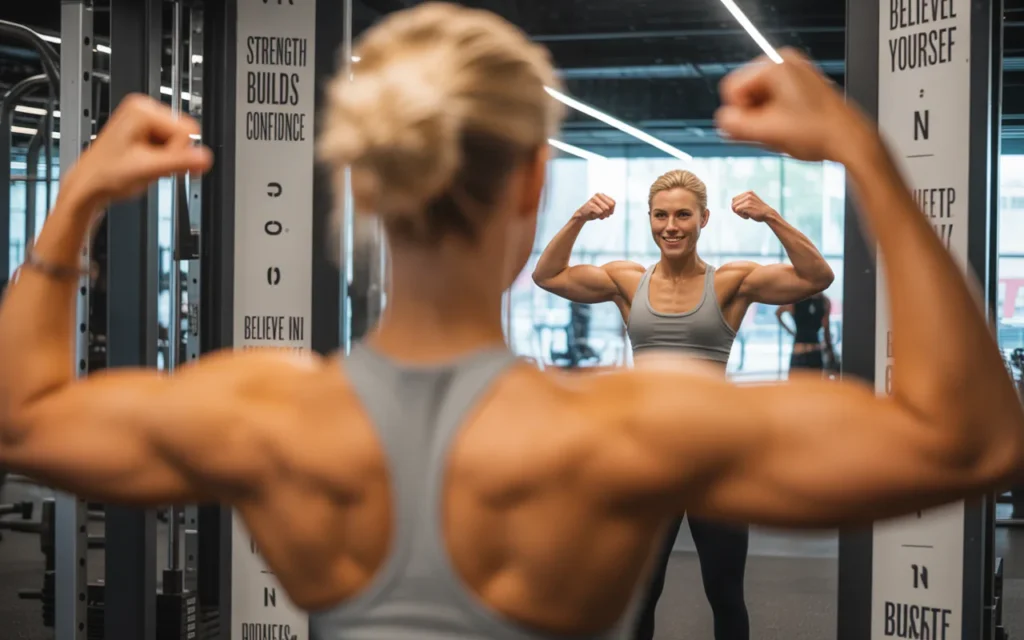
Start Small and Stay Consistent
Consistency matters more than intensity. Doing 5 minutes every day for a month is better than doing 60 minutes once and quitting. Small daily actions build the habit. The habit builds the identity. The identity is “I am someone who exercises.” That identity feels confident.
I suggest picking one tiny action. Walk to your mailbox and back. Do two push ups against the wall. Stand up and sit down five times. Do that same action at the same time each day. After one week, add a little more. After one month, you will have a routine. And you will feel proud of your consistency.
How to Use Fitness to Build Long Term Confidence
Short term confidence from a single workout feels good. But long term confidence comes from seeing real changes over months and years.
Goal Setting and Tracking Progress
Write down your workouts. Use a notebook or a simple note on your phone. Track three things: what you did, how long you did it, and how you felt after. After two weeks, look back. You will see proof of your effort. That proof is powerful.
Set small goals that are easy to measure. For example, “Walk 10 minutes every day this week.” Or “Do 20 squats without stopping.” When you meet that goal, celebrate. Say out loud, “I did that.” Then set a slightly harder goal for next week.
Can fitness boost confidence in someone with depression or anxiety? Research says yes, but it is not a replacement for professional help. Exercise works best alongside therapy or medicine. Many therapists recommend movement as a tool to manage symptoms. Talk to your doctor first if you have serious mental health concerns.
Long term confidence also comes from seeing your body change. But be careful here. Do not chase a perfect look. That can hurt your confidence. Instead, chase what your body can do. Can you lift heavier than last month? Can you walk farther than last week? Can you touch your toes? Those wins build real confidence.
I have been exercising for eight years. My body does not look like a fitness model. But I can carry heavy groceries easily. I can play with my kids without getting tired. I can hike for hours. Those abilities make me feel confident every single day.
“Strength does not come from what you can do. It comes from overcoming the things you once thought you could not.” – Rikki Rogers
Frequently Asked Questions
1. How soon can I see confidence changes from exercise?
Many people feel a small confidence lift right after the first workout. That is the endorphin effect. For lasting changes, give it two to four weeks of regular exercise. You will notice you feel less afraid to try new things.
2. What type of exercise is best for confidence?
The best exercise is the one you will actually do. Walking, lifting weights, yoga, swimming, dancing. They all work. But if you want a specific answer, strength training has strong research for building self esteem because progress is easy to measure.
3. Can fitness boost confidence if I am overweight or have a disability?
Yes. Fitness is for every body. You can adapt any movement to your ability level. Chair exercises, water workouts, or short walks are all valid. The key is to move in a way that feels good for you. Consult a doctor or physical therapist for safe options.
4. What if I miss a few days of exercise?
Do not worry. Missing days is normal. Guilt does not help. Just start again. Do a 5 minute walk today. That one action breaks the cycle of avoiding exercise. Remember, consistency over months matters more than perfection.
5. How do I stay motivated when I do not see fast results?
Focus on how you feel, not just how you look. After two weeks, notice if you sleep better. Notice if you have more energy. Notice if you feel less stressed. Those are real results. Also, take progress photos or write a weekly journal about your mood. You will see changes that the mirror misses.
6. Can fitness boost confidence for public speaking or job interviews?
Yes. Practice power poses after a workout. Your body learns to take up space and feel grounded. Many actors and speakers exercise right before going on stage. It calms nerves and sharpens focus.
7. How do I start if I feel embarrassed to exercise in front of others?
Start at home. Use YouTube videos for beginners. Do simple moves in your room. After a few weeks, you might feel ready for a park or a quiet gym. Or stay at home forever. That is fine too. The confidence comes from moving, not from where you move.

Conclusion
So let me answer the question clearly. Can fitness boost confidence? Yes, without any doubt. Exercise changes your brain chemicals, builds self trust through small wins, and proves to you that you are capable. You do not need to run a marathon or lift huge weights. You just need to start moving. Five minutes today. Five minutes tomorrow. That is enough.
I have seen this work for shy people, for older adults, for busy parents, and for teenagers. It worked for me. It can work for you too. Your body is already good enough. Every step, every stretch, every deep breath is a message to yourself. The message says, “I matter. I am worth the effort. I can grow.”
Pick one small action right now. Stand up and stretch your arms. Walk to your kitchen and back. Do three squats. That is your first win. Keep collecting those wins. Your confidence will grow with each one.
Related posts
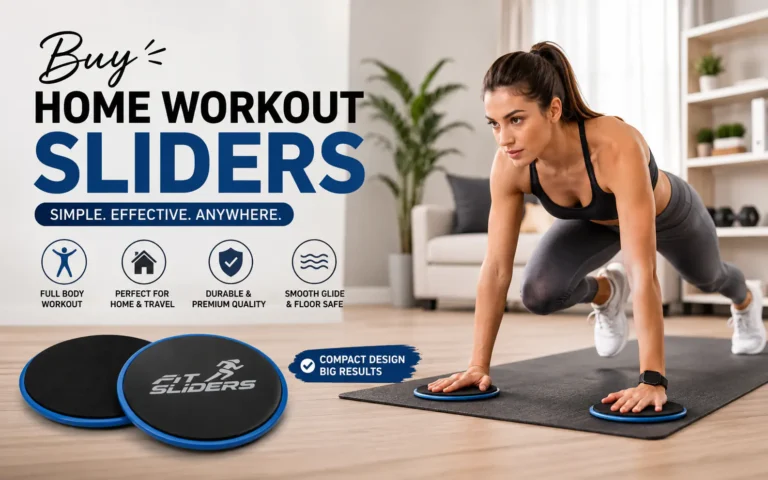 Buy Home Workout Sliders: 2026 Guide to Core Fitness Tools
Looking to buy home workout sliders? Compare top-rated gliding discs and core trainers to find the right equipment for your 2026 fitness routine. Adding core sliders…
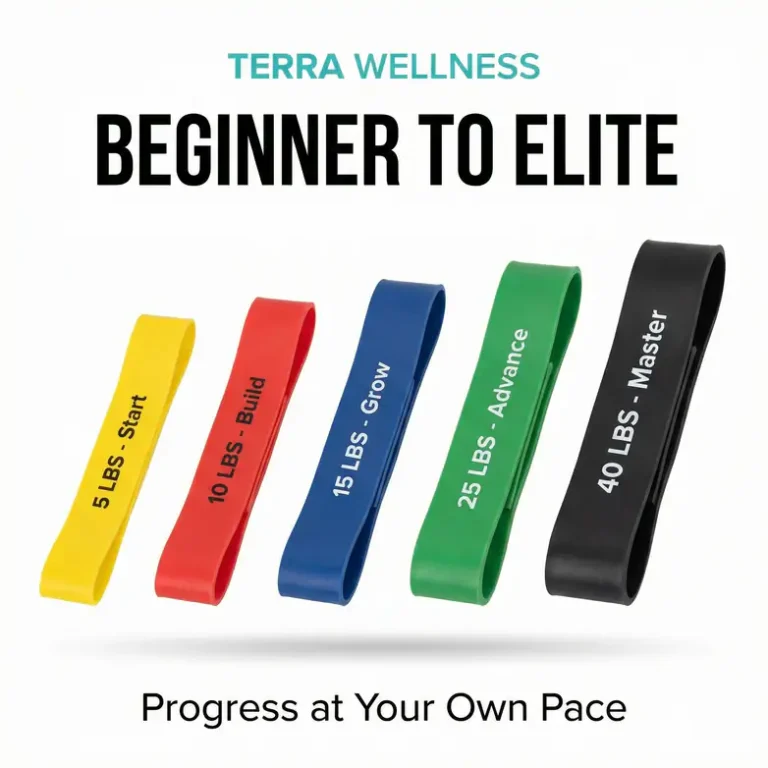 Best Resistance Bands for Beginners: 2026 Buyer Guide
Looking for the best resistance bands for beginners? Compare top-rated loop and handle sets to find the right home gym equipment for your fitness goals. Starting…
 Best Treadmill for Home Use: 2026 Buyer Guide
Finding the best treadmill for home use in 2026. Compare top-rated compact, folding, and incline models to fit your space, budget, and fitness goals. Choosing the…