
Brittle Nails in Women: Understanding the Common Causes
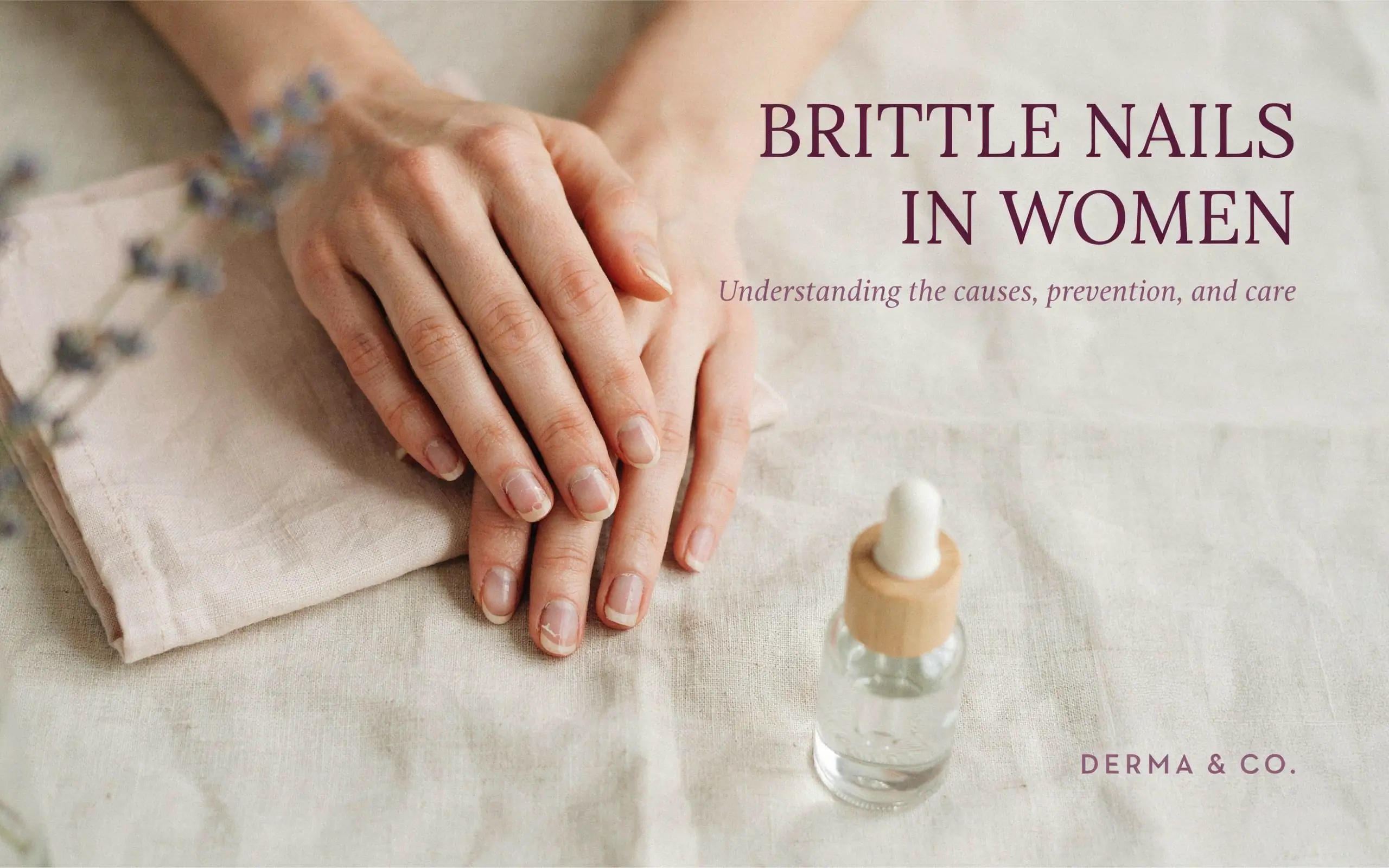
Brittle nails, medically known as onychoschizia, are a common concern for many women, characterized by nails that easily crack, peel, or break. While often seen as a cosmetic issue, they can signal a range of factors.
For women, the causes of brittle nails are diverse and can include frequent exposure to water and harsh chemicals, the natural aging process, hormonal fluctuations, nutritional deficiencies, and certain medical conditions. Understanding these potential triggers is.
| Topic | When it helps | What to keep in mind |
|---|---|---|
| Cause 1 | Women whose nails are frequently exposed to water (e.g., dishwashing, frequent handwashing) or chemicals without. | Ignoring the need for gloves during household chores or using strong nail products regularly can. |
| Cause 2 | Women over 50, or those experiencing perimenopause or menopause, who notice a recent change in. | Attributing all nail changes solely to age without considering other potential factors, especially if symptoms. |
| Cause 3 | Women with restrictive diets, those with heavy menstrual periods, or individuals experiencing fatigue, weakness, or. | Self-diagnosing and taking high doses of supplements without a doctor’s recommendation, as this can be. |
| Cause 4 | Women experiencing other unexplained symptoms alongside brittle nails, such as fatigue, weight changes, hair loss. | Ignoring persistent or worsening nail changes, especially if accompanied by other concerning health symptoms. |
| Cause 5 | Women who frequently get manicures, use their nails for tasks, or have a habit of. | Believing that more frequent or aggressive nail treatments will strengthen nails; often, the opposite is. |
Environmental Factors and Daily Habits
The environment your hands and nails are exposed to daily plays a significant role in their health. One of the most common culprits behind brittle nails is excessive moisture loss.
A woman who frequently washes dishes without gloves might notice her nails becoming dry and prone to splitting.
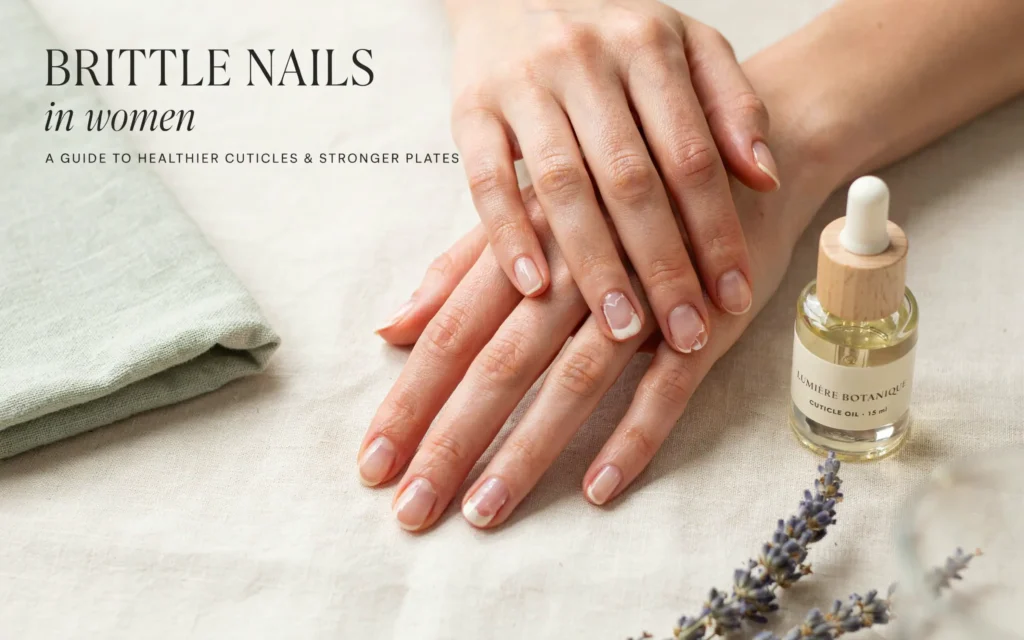
Many women overlook the cumulative effect of frequent handwashing, especially with harsh soaps or sanitizers, believing it’s harmless.
| Common Exposure | Impact on Nails | Simple Protection |
|---|---|---|
| Frequent Water Contact. | Strips natural oils, causes dehydration. | Wear cotton-lined rubber gloves. |
| Harsh Cleaning Chemicals. | Damages nail plate, dries cuticles. | Always use gloves, choose gentler products. |
Age, Hormones, and Internal Influences
Beyond external factors, your body’s internal chemistry and natural life stages significantly influence nail health. As women age, particularly after 50, nails tend to become drier and grow more slowly, making them naturally more susceptible to brittleness.
Dismissing significant changes in nail health as ‘just part of getting older’ without considering that these changes might be exacerbated.
A woman in her late 40s or 50s might notice her nails becoming thinner and more fragile, coinciding with other.
Nutritional Gaps and Hydration
What you put into your body directly impacts the health of your nails. A balanced diet provides the essential building blocks for strong, healthy nails.
A woman following a restrictive diet or experiencing heavy menstrual cycles might develop iron-deficiency anemia, leading to brittle, thin nails.
Assuming that taking a generic ‘hair, skin, and nails’ supplement will automatically fix the problem without first identifying a specific.
- Iron: Found in red meat, poultry, fish, beans, lentils, spinach, and fortified.
- Biotin: Present in eggs, nuts, seeds, sweet potatoes, and avocados.
When to Seek Professional Advice
While many causes of brittle nails can be addressed with simple lifestyle changes and improved nail care, there are times when professional medical advice is essential. Knowing when to consult a doctor can help identify and treat underlying health conditions early.
Delaying a doctor’s visit when brittle nails are severe, persistent, or accompanied by other concerning health symptoms.
If your brittle nails are accompanied by persistent fatigue, unexplained weight changes, hair loss, or changes in nail color or.
- Your nails change color, develop ridges, or show signs of infection (redness.
- You experience other unexplained symptoms like fatigue, hair loss, weight changes, or.
Environmental exposure (water chemicals)
- Brittle nails in women often stem from a combination of external exposure and.
- Frequent handwashing, harsh chemicals, and lack of moisture are common external culprits.
- Aging, hormonal shifts like menopause, and certain health conditions significantly impact nail strength.
The article must cover common
Cause 1. Environmental Exposure and Lack of Moisture
Frequent exposure to water, harsh cleaning products, nail polish removers containing acetone, and even dry climates can strip nails of their natural oils, leading to dehydration and brittleness. This is a very common and.
- Women whose nails are frequently exposed to water (e.g., dishwashing, frequent handwashing) or chemicals without.
- Ignoring the need for gloves during household chores or using strong nail products regularly can.
- Consider wearing cotton-lined rubber gloves for wet tasks and choosing acetone-free nail polish removers.
- Type – External.
Cause 2. Aging and Hormonal Changes
As women age, nails naturally become drier and more prone to brittleness. Hormonal shifts, particularly during menopause, can also play a significant role.
- Women over 50, or those experiencing perimenopause or menopause, who notice a recent change in.
- Attributing all nail changes solely to age without considering other potential factors, especially if symptoms.
- Maintain good hydration and moisturize regularly.
- Type – Internal/Age-Related.
Cause 3. Nutritional Deficiencies
A lack of certain vitamins and minerals can directly impact nail health. Iron deficiency (anemia) is a common culprit, leading to thin, brittle, or spoon-shaped nails.
- Women with restrictive diets, those with heavy menstrual periods, or individuals experiencing fatigue, weakness, or.
- Self-diagnosing and taking high doses of supplements without a doctor’s recommendation, as this can be.
- If you suspect a deficiency, consult your doctor for blood tests.
- Type – Internal/Dietary.
Cause 4. Underlying Health Conditions
Brittle nails can sometimes be a symptom of a broader health issue. Thyroid disorders (both hypothyroidism and hyperthyroidism) are frequently associated with dry, brittle nails, as are certain skin conditions like psoriasis or fungal.
- Women experiencing other unexplained symptoms alongside brittle nails, such as fatigue, weight changes, hair loss.
- Ignoring persistent or worsening nail changes, especially if accompanied by other concerning health symptoms.
- If you have other symptoms or your nails don’t improve with basic care, schedule an.
- Type – Internal/Medical.
Cause 5. Improper Nail Care Habits
Aggressive manicuring, excessive filing, picking at cuticles, or frequently applying and removing gel or acrylic nails can weaken the nail plate over time. Using nails as tools (e.g., opening cans) also contributes to damage.
- Women who frequently get manicures, use their nails for tasks, or have a habit of.
- Believing that more frequent or aggressive nail treatments will strengthen nails; often, the opposite is.
- Adopt gentle nail care practices: file in one direction, avoid cutting cuticles, take breaks from.
- Type – Behavioral.
FAQs
What vitamin are you lacking when your fingernails are brittle?
While several nutrients contribute to nail health, iron deficiency (anemia) is a common cause of brittle nails in women. Biotin (Vitamin B7) deficiency is.
Can brittle nails be cured?
Brittle nails can often be significantly improved or ‘cured’ by addressing the underlying cause. If it’s due to dryness or chemical exposure, protective measures.
What health problems cause brittle nails?
Beyond external factors, brittle nails can be a sign of underlying health issues such as thyroid disorders (hypothyroidism or hyperthyroidism), iron-deficiency anemia, and sometimes.
Conclusion
Brittle nails in women are a common issue with a wide range of potential causes, from daily environmental exposures to deeper internal health factors. By understanding whether your nails are reacting to external stressors, age-related.
Related posts
 Why Do Dogs Stare at Walls? Common Causes and When to Worry
Wondering why do dogs stare at walls? Discover the sensory, behavioral, and medical reasons behind this behavior, and learn when to contact your veterinarian. When you…
 How to Test Car Wiring for Continuity Using a Multimeter
Learn how to test car wiring for continuity safely. Find broken automotive wires, check connector ports, and diagnose electrical issues with a multimeter. Testing car wiring…
 Why Organizing Space Reduces Stress: The Mental Clarity Connection
Discover why organizing space reduces stress. Learn how a tidy environment lowers cortisol, improves focus, and creates a sense of calm in your daily life. Organizing…