
What Age Should Puppies Start Training? A Month-by-Month Timeline
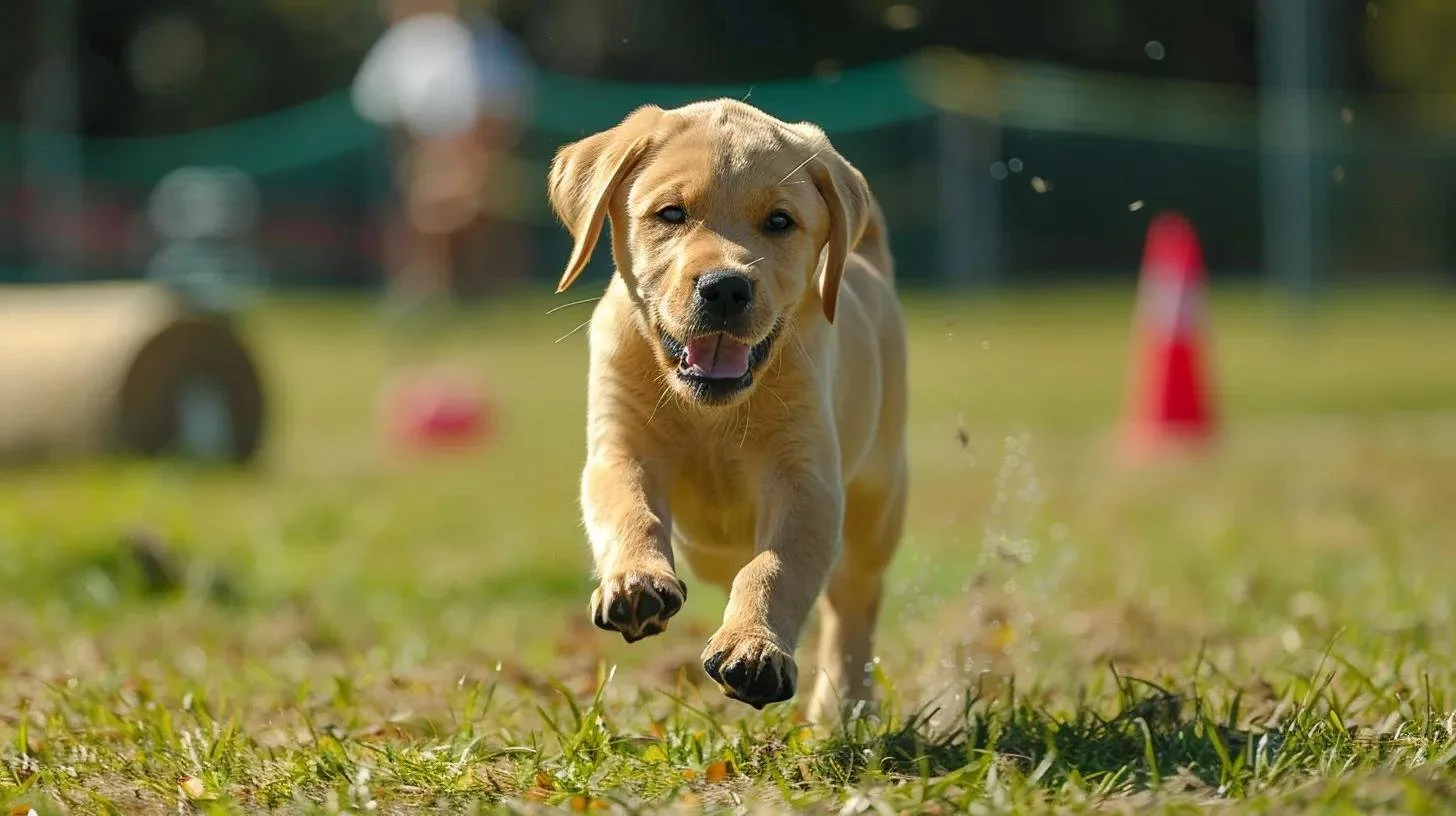
Puppies should start training the very day they arrive at their new home, which is typically around 8 weeks of age. While older training philosophies suggested waiting until a dog was six months old, modern veterinary behaviorists agree that early, positive training is essential for a well-adjusted adult dog.
At 8 weeks old, training does not mean rigorous obedience drills. Instead, it focuses on establishing a daily routine, house training, crate acclimation, and gentle socialization.
Safety checks
- Puppy training should begin at home at 8 weeks of age.
- Early training focuses on routine, socialization, and housebreaking rather than complex commands.
- Formal group classes can safely begin around 12 to 16 weeks, once early vaccinations are complete.
- Socialization is just as critical as obedience and has a narrow developmental window that closes around 16 weeks.
| Topic | When it helps | What to keep in mind |
|---|---|---|
| Phase 1 | Brand new puppies adjusting to a new home environment. | Avoid scolding the puppy for house training accidents; instead, reward them immediately when they go outside. |
| Phase 2 | Puppies who have settled into their home routine and are eager to learn. | Do not pull on the leash if the puppy resists; use treats to lure them to walk beside you. |
| Phase 3 | Puppies with at least their second round of vaccinations. | Avoid public dog parks or areas with high unknown dog traffic until fully vaccinated. |
| Phase 4 | Adolescent dogs testing boundaries. | Do not assume your dog has forgotten their training; they are simply dealing with developmental brain changes. |
Covers the period from 8
Phase 1. 8 to 10 Weeks: Home Foundations and Routine
Focus on building a bond, establishing a predictable bathroom schedule, and introducing the crate. Keep training sessions under two minutes and use the puppy’s daily kibble as rewards.
- Brand new puppies adjusting to a new home environment.
- Avoid scolding the puppy for house training accidents; instead, reward them immediately when they go outside.
- Start crate training by feeding all meals inside the crate with the door open to build positive associations.
- Primary Focus – Housebreaking & Crate.
- Session Length – 1 to 2 minutes.
- Location – Quiet home interior.
Phase 2. 10 to 12 Weeks: Basic Commands and Handling
Introduce simple commands like sit, down, and name recognition. This is also the ideal time to get your puppy used to being handled for grooming, nail trims, and vet exams.
- Puppies who have settled into their home routine and are eager to learn.
- Do not pull on the leash if the puppy resists; use treats to lure them to walk beside you.
- Touch your puppy’s paws, ears, and tail daily while giving high-value treats to prevent future grooming anxiety.
- Primary Focus – Sit, Down, Handling.
- Session Length – 2 to 3 minutes.
- Location – Low-distraction rooms.

Phase 3. 12 to 16 Weeks: Formal Classes and Public Outings
Enroll in a puppy socialization class. These classes are held in sanitized environments where puppies of similar vaccination status can interact safely.
- Puppies with at least their second round of vaccinations.
- Avoid public dog parks or areas with high unknown dog traffic until fully vaccinated.
- Look for puppy classes run by certified positive-reinforcement trainers who prioritize safety and play monitoring.
- Primary Focus – Socialization & Leash.
- Session Length – 5 minutes.
- Location – Puppy class & backyard.
Phase 4. 6 Months and Beyond: Adolescent Reinforcement
As hormones change, your puppy may enter a rebellious phase or show new fears. Reinforce basic commands, increase distractions during training, and introduce advanced skills like a reliable emergency recall.
- Adolescent dogs testing boundaries.
- Do not assume your dog has forgotten their training; they are simply dealing with developmental brain changes.
- Go back to basics with high-value rewards if your dog suddenly ignores commands they previously knew.
- Primary Focus – Proofing & Distractions.
- Session Length – 5 to 10 minutes.
- Location – Parks and public spaces.
The Critical Socialization Window: Why Timing Matters
A puppy’s brain undergoes rapid development during their first few months of life. The window for optimum socialization opens at birth and begins to close around 12 to 16 weeks of age.
Once this window closes, the puppy naturally becomes more cautious of unfamiliar things. If they have not been exposed to a wide variety of sights, sounds, and textures during this early period, they are much more likely to develop fear, anxiety, or reactivity as adult dogs.
Training during this phase is not about strict obedience. It is about building confidence.

A puppy exposed to the sound of vacuum cleaners, umbrellas opening, and people wearing hats before 16 weeks will view these as normal.Waiting until the puppy is fully vaccinated at 16 weeks to let them see the outside world, which misses the peak socialization window.Expose the puppy to different floor textures like tile, carpet, grass, and gravel.Play low-volume recordings of thunderstorms, fireworks, and traffic while feeding treats.Introduce the puppy to people of different ages, sizes, ethnicities, and outfits.Keep all new exposures positive; if the puppy seems scared, increase the distance and offer treats.
| Age Range | Training Focus | Vaccination Status & Safety |
|---|---|---|
| 8 – 10 Weeks. | Housebreaking, crate training, name recognition. | First shots; keep indoors and in private yard only. |
| 10 – 12 Weeks. | Basic commands (sit, down), handling exercises. | Second shots; safe socialization in low-risk areas. |
| 12 – 16 Weeks. | Puppy classes, leash walking, public exposure. | Third shots; safe to attend sanitized group classes. |
| 16+ Weeks. | Distraction training, advanced recall, public manners. | Fully vaccinated; safe for public parks and trails. |
How to Socialize Your Puppy Safely Before Full Vaccination
New puppy owners often face a dilemma: veterinarians warn against taking unvaccinated puppies to public spaces, while behaviorists urge early socialization. Fortunately, you do not have to choose between physical health and mental well-being.
The key is to prevent your puppy’s paws from touching the ground in areas where unknown dogs may have been. You should also avoid letting your puppy interact with dogs whose vaccination history you do not know.
By taking sensible precautions, you can safely introduce your puppy to the world. Focus on visual and auditory exposure rather than physical contact during these early weeks.

Place your puppy in a plastic storage bin lined with a blanket and put the bin in the shopping cart at a pet-friendly home improvement store.Letting your puppy walk on the ground in high-traffic dog areas like pet stores, public parks, or rest stops before they are fully vaccinated.Carry your puppy in a bag or sling through busy outdoor shopping areas.Take your puppy for car rides to different locations, letting them watch the world from the open trunk.Arrange playdates only with healthy, fully vaccinated adult dogs in private, fenced yards.Use a clean blanket on the grass at a quiet park to let your puppy observe people from.
Three Common Pitfalls in Early Puppy Training
Because young puppies are so small and eager to please, it is easy to forget how young they actually are. Expecting too much too soon is one of the quickest ways to stall your training progress and damage your bond with your new pet.
Puppies have physical and mental limitations that dictate how they learn. Recognizing these limits allows you to adjust your expectations and keep training sessions fun and successful.
An owner tries to teach a 9-week-old puppy to ‘stay’ for two minutes in a busy living room.
Using physical punishments or shouting, which teaches the puppy to fear you rather than understand what behavior you want.
- Training for too long: A puppy’s attention span is incredibly short. Keep sessions to one or two minutes.
- Expecting perfect consistency: A puppy who sits perfectly in the kitchen may completely forget the command in the.
- Overusing the puppy’s name: If you repeat your puppy’s name constantly when they are ignoring you, they learn.
FAQs
What is the first thing you should train a puppy?
The first things to train are name recognition, housebreaking, and crate comfort. Teaching your puppy that their name means good things happen, and establishing a consistent bathroom routine, sets the stage for all future training.
Can an 8-week-old puppy learn to sit?
An 8-week-old puppy can easily learn to sit using positive reinforcement. Hold a small treat close to their nose and slowly move it back over their head; their bottom will naturally lower to the ground.
What is the 3-3-3 rule for puppies?
The 3-3-3 rule represents the phases of a puppy’s adjustment to a new home: 3 days to decompress and feel safe, 3 weeks to learn the daily routine and show their true personality, and 3 months to feel completely secure and bonded.
What age are puppies easiest to train?
Puppies are generally easiest to train between 8 and 12 weeks of age. During this period, they are highly motivated by food and attention, have not yet developed strong bad habits, and are naturally inclined to stay close to their owners.
Conclusion
Starting your puppy’s training at 8 weeks of age is the best way to ensure they grow into a confident, well-behaved adult dog. By focusing on short, positive sessions at home, you build a relationship based on trust and clear communication.
Remember to balance behavioral training with physical safety. Keep public outings controlled until vaccinations are complete, and always prioritize patience over perfection during these early developmental months.
Related posts
 How to Strengthen Weak Nails: A Practical Guide to Daily Care
Learn how to strengthen weak nails with simple daily habits, protective care, and targeted hydration. Restore your natural nail strength today. Weak, peeling, or brittle nails…
 What Sounds Do Cats Dislike? 7 Noises That Stress Your Pet
Discover what sounds do cats dislike and why. Learn how to protect your cat’s sensitive hearing from stressful household noises and high-frequency hums. Cats dislike sounds…
 Restoring Faded Black Clothing: Practical Methods and Reality Checks
Can you restore faded black clothing? Learn the difference between temporary color revival and permanent redyeing, plus how to prevent future fading. You can restore the…