
What Causes Sudden Aggression in Cats? Identifying Triggers
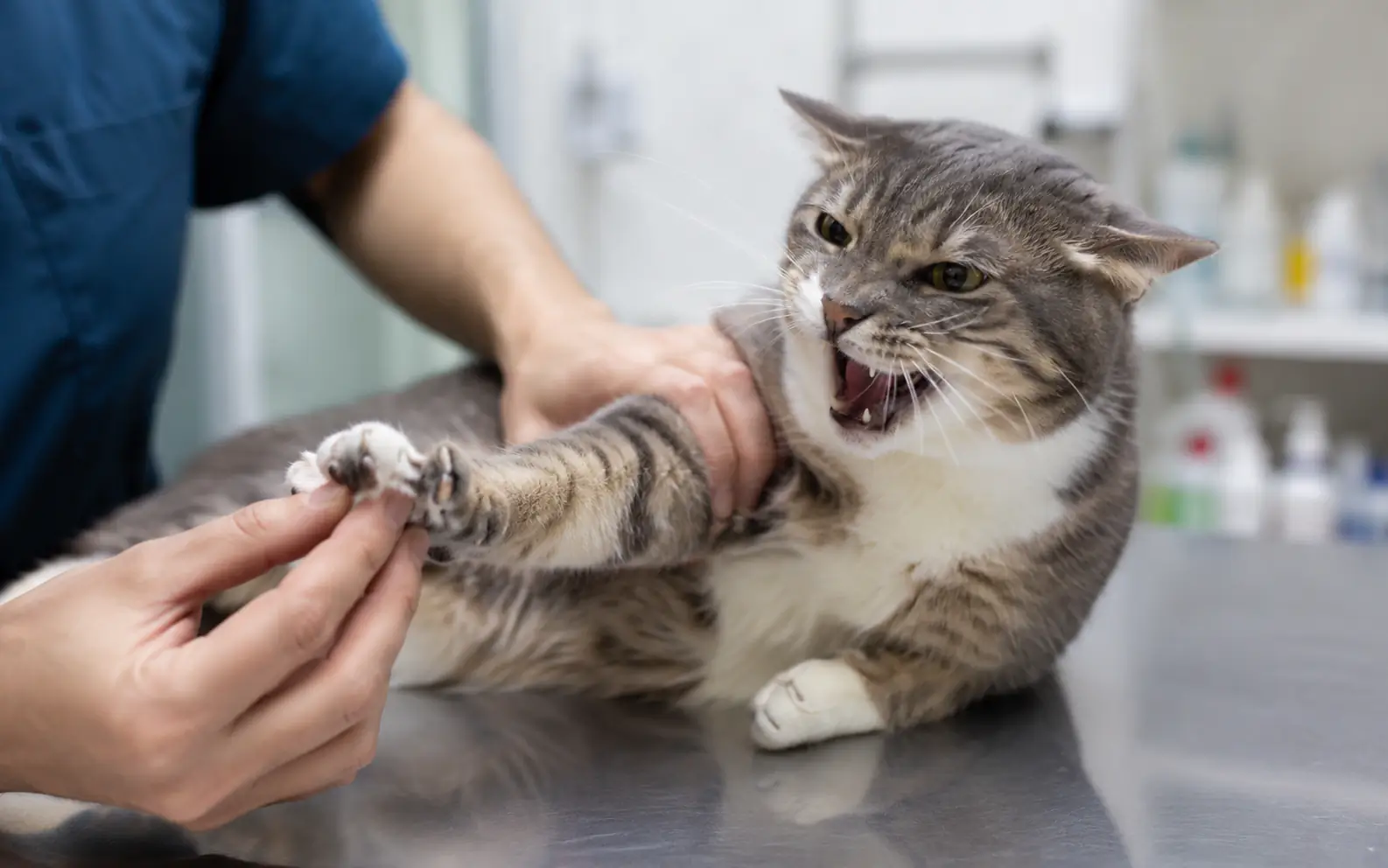
If your cat has suddenly started showing aggressive behavior, it’s natural to be concerned. This abrupt change in temperament is rarely without reason; it’s usually a sign that something is wrong.
Sudden aggression in cats can stem from a variety of factors, ranging from underlying medical conditions and pain to environmental stressors and fear. It’s crucial to approach this behavior change with careful observation and a focus on identifying the specific trigger rather than assuming it’s a permanent personality shift.
| Topic | When it helps | What to keep in mind |
|---|---|---|
| 1 | Older cats or cats with a history of health issues. | Aggression that occurs when the cat is touched in a specific area, or when they attempt to move in a certain way. |
| 2 | Cats who are naturally timid or have had limited socialization. | Aggression that occurs when a specific stimulus is present, such as a visitor arriving or a loud truck passing by. |
| 3 | Cats who are sensitive to routine changes. | Aggression that appears after a significant household event or alteration. |
| 4 | Cats who are territorial or easily frustrated. | Aggression that happens suddenly, often after the cat has been staring intently at something outside or reacting to a loud noise. |
When Your Cat’s Behavior Turns Aggressive
Observing a sudden shift from a friendly demeanor to aggressive behavior in your cat can be startling and upsetting. This isn’t a sign of a ‘bad’ cat, but rather a communication that something is amiss.
When aggression appears out of the blue, it’s essential to approach the situation with a detective’s mindset. The goal is to pinpoint the trigger or underlying cause.
Imagine your normally cuddly cat suddenly hisses and swats when you reach to pet them.
Assuming the cat is ‘mean’ or ‘bad’ without investigating the underlying reasons.
The Role of Pain and Medical Conditions
One of the most common, yet frequently overlooked, causes of sudden aggression in cats is pain or an underlying medical condition. Cats are masters at hiding discomfort, so aggression can be one of the first noticeable signs that something is wrong internally.
Conditions like osteoarthritis, dental disease, urinary tract infections, gastrointestinal issues, or even neurological problems can cause a cat to feel unwell, anxious, or defensive. When a cat is in pain, their natural instinct is to protect themselves, and this can manifest as aggression towards people or other animals, even those they know and love.
If your cat’s aggression is accompanied by other symptoms such as lethargy, changes in eating or drinking habits, vocalization when moving, or hiding more than usual, a veterinary visit is paramount. Ruling out medical causes is always the first and most critical step.
Ignoring signs of pain, such as limping, reduced grooming, or changes in appetite, which can accompany aggression.
An older cat who was always gentle might suddenly swat when picked up.
Fear, Stress, and Environmental Triggers
Beyond physical ailments, a cat’s emotional state plays a huge role in their behavior. Fear and stress are potent triggers for aggression.
Sudden changes in the home environment are a common culprit. This could include the arrival of a new pet, a new baby, a change in your work schedule leading to more time alone, moving to a new home, or even significant rearrangements of furniture.

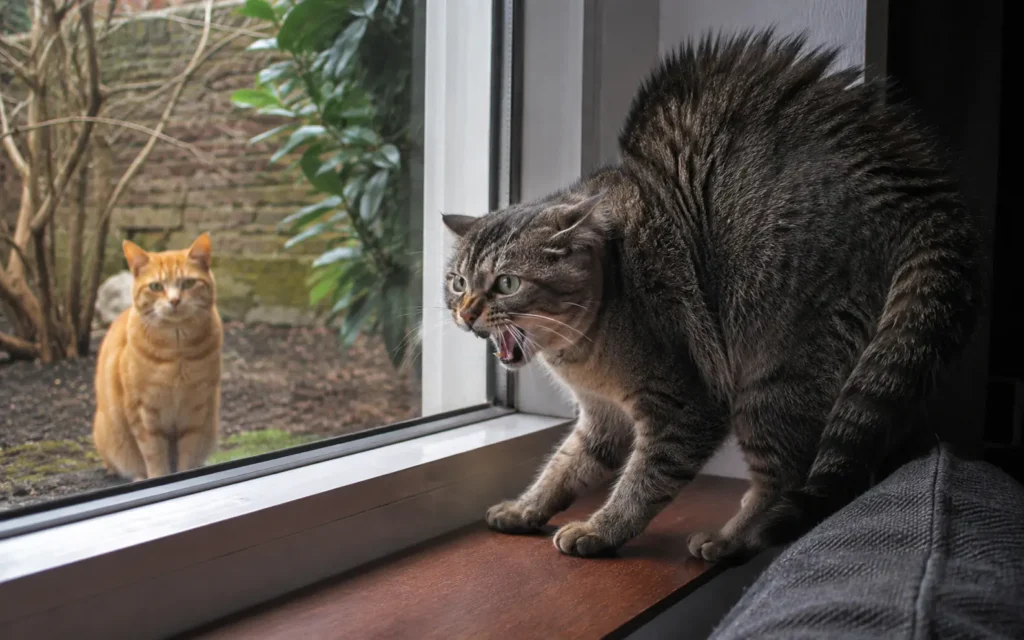
Other triggers include loud, unexpected noises (like fireworks or a dropped object), unfamiliar visitors, or even seeing another animal outside the window. The cat may not be reacting to the person or object directly but to the perceived threat they represent.
A cat that was previously calm might suddenly become aggressive after a loud construction project starts nearby, or if a new, boisterous dog is introduced into the household without proper acclimatization.
Assuming a cat is aggressive because they are ‘stubborn’ or ‘unhappy’ without considering specific environmental stressors.
Understanding Redirected Aggression
Redirected aggression is a particularly tricky form of feline aggression. It occurs when a cat is highly aroused or frustrated by something they cannot reach or confront directly, such as a stray cat outside, a loud noise, or another pet they can’t interact with.
This target is often a person or another pet in the household. The aggression can seem completely unprovoked to the recipient because they weren’t the original cause of the cat’s distress.
Recognizing redirected aggression is key. If your cat suddenly becomes aggressive after staring intently at something outside, or reacting to a noise, it’s likely redirected.
Punishing the cat for redirected aggression, as this will only increase their fear and anxiety, potentially worsening the problem.
Your cat is intensely watching a squirrel outside the window, growling and tail-twitching.
When to Seek Professional Help
While understanding the common causes is helpful, knowing when to seek professional guidance is crucial. If your cat’s aggression is severe, leading to injuries, or if you’ve tried to identify triggers without success, it’s time to involve experts.
Your first point of contact should always be your veterinarian. They can perform a thorough physical examination and diagnostic tests to rule out any underlying medical conditions that might be causing pain or discomfort, which are frequent drivers of sudden aggression.
If medical causes are ruled out, or if the aggression persists despite addressing medical issues, consider consulting a certified feline behaviorist or a veterinary behaviorist. These professionals can help diagnose complex behavioral issues, develop tailored management plans, and provide strategies for modifying the aggressive behavior safely and effectively.
If your cat’s aggression is severe, causing injury, or if you cannot identify a clear trigger after ruling out medical issues, it’s time to consult a veterinarian or a certified feline behaviorist.
Delaying professional help, especially if the aggression is severe, frequent, or causing injury.
Medical conditions causing pain or
- Sudden aggression is often a symptom of an underlying problem, not a personality flaw.
- Pain and medical conditions are frequent, often overlooked, causes.
- Environmental changes and fear are significant triggers for aggressive behavior.
- Always consult a veterinarian to rule out medical issues first.
- Understanding the context of the aggression is crucial for diagnosis.
Focus on the direct causes
1. Medical Causes: Pain and Illness
Many sudden aggression incidents are linked to underlying pain or illness. Cats are stoic and often hide discomfort until it becomes severe.
- Older cats or cats with a history of health issues.
- Aggression that occurs when the cat is touched in a specific area, or when they attempt to move in a certain way.
- Schedule a veterinary check-up immediately if you suspect pain or illness is the cause.
2. Fear and Anxiety Triggers
Sudden loud noises, unfamiliar people or pets, changes in the home environment (like new furniture or a move), or even a negative past experience can trigger fear-based aggression. The cat feels threatened and lashes out defensively.
- Cats who are naturally timid or have had limited socialization.
- Aggression that occurs when a specific stimulus is present, such as a visitor arriving or a loud truck passing by.
- Identify and, if possible, remove or mitigate the fear-inducing stimulus.
3. Environmental Changes and Stress
Even seemingly minor changes can stress a cat. This includes a new pet, a new baby, a change in your work schedule, or even rearranging furniture.
- Cats who are sensitive to routine changes.
- Aggression that appears after a significant household event or alteration.
- Ensure your cat has a stable routine and a safe, predictable environment.
4. Redirected Aggression
This occurs when a cat is highly aroused or frustrated by something they cannot reach (like a stray cat outside a window) and redirects that aggression onto the nearest available target, often their owner. The target is not the actual source of frustration.
- Cats who are territorial or easily frustrated.
- Aggression that happens suddenly, often after the cat has been staring intently at something outside or reacting to a loud noise.
- Do not try to intervene physically.
FAQs
Why is my cat suddenly aggressive towards me?
Sudden aggression towards you can be due to pain, fear, or stress. Your cat might be experiencing discomfort, feel threatened by something you did (even unintentionally), or be reacting to changes in the environment.
How can I tell if my cat’s aggression is due to pain?
Look for other signs of discomfort, such as limping, reluctance to move, changes in appetite or grooming, vocalizing when touched, or guarding a specific body part. Aggression that occurs when you try to touch or move them is a strong indicator of.
What should I do if my cat attacks me?
Do not punish your cat. Try to calmly and safely disengage.
Can stress cause sudden aggression in cats?
Yes, stress is a significant factor. Changes in routine, environment, or the introduction of new elements (people, pets) can cause anxiety and make a cat more prone to aggressive outbursts as a defense mechanism.
How do I stop my cat from being aggressive?
First, consult a veterinarian to rule out medical issues. If medical causes are excluded, identify and manage triggers, provide a safe environment, and consider consulting a feline behaviorist for a tailored plan.

Conclusion
Sudden aggression in cats is a serious behavioral change that demands attention, not punishment. By understanding that this behavior is often a symptom of an underlying issue-whether it’s pain, fear, stress, or redirected frustration-you can begin to address the root cause.
Your immediate next step should be to schedule a visit with your veterinarian. Ruling out medical conditions is paramount.
Related posts
 Why Do Dogs Stare at Walls? Common Causes and When to Worry
Wondering why do dogs stare at walls? Discover the sensory, behavioral, and medical reasons behind this behavior, and learn when to contact your veterinarian. When you…
 How to Test Car Wiring for Continuity Using a Multimeter
Learn how to test car wiring for continuity safely. Find broken automotive wires, check connector ports, and diagnose electrical issues with a multimeter. Testing car wiring…
 Why Organizing Space Reduces Stress: The Mental Clarity Connection
Discover why organizing space reduces stress. Learn how a tidy environment lowers cortisol, improves focus, and creates a sense of calm in your daily life. Organizing…