
What is Food Contamination? Causes, Types, and Prevention
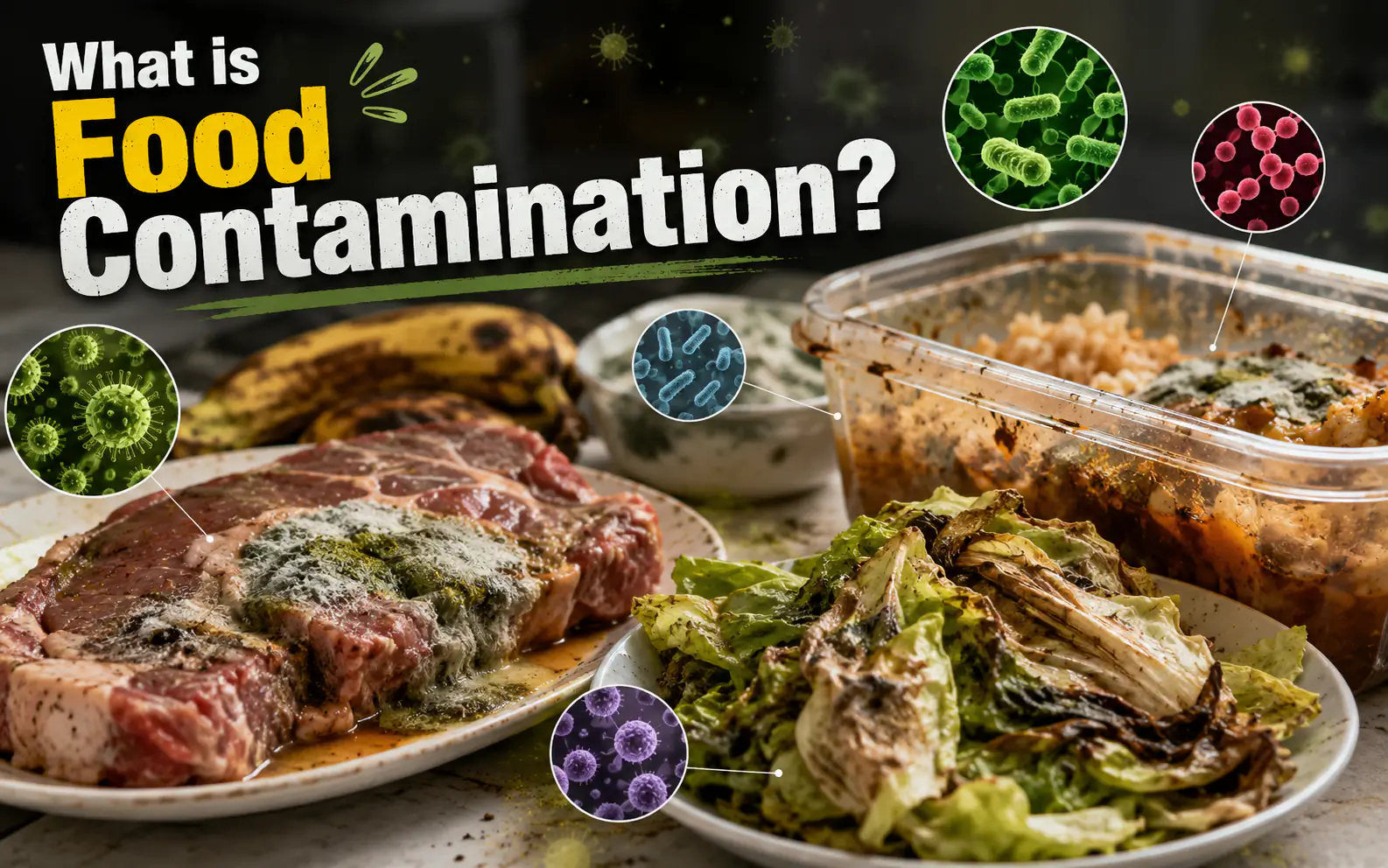
Food contamination occurs when food comes into contact with harmful substances or microorganisms that make it unsafe to eat. These contaminants can be invisible to the naked eye, but their presence can lead to serious health issues, commonly known as foodborne illnesses or food poisoning.
Understanding what food contamination is involves recognizing the different ways it can happen and the types of agents involved. This knowledge is the first step in ensuring the safety of the food you prepare and consume, protecting yourself and your loved ones from preventable sickness.
| Topic | When it helps | What to keep in mind |
|---|---|---|
| 1 | Understanding the primary source of most foodborne illnesses. | Many harmful bacteria don’t change the smell, taste, or appearance of food, making them hard to detect. |
| 2 | Identifying risks beyond just germs. | Improperly stored cleaning supplies near food preparation areas are a common culprit. |
| 3 | Recognizing accidental contamination sources. | Physical contaminants can cause choking hazards or internal injuries. |
What Exactly is Food Contamination?
Food contamination is the presence of any substance or agent in food that can cause illness or injury to a person who consumes it. These agents are not naturally part of the food and can be introduced at any point from the farm to the fork.
The impact of food contamination can range from mild discomfort to severe illness, hospitalization, and in rare cases, even death. Public health organizations worldwide focus on preventing food contamination as a primary strategy for reducing foodborne diseases.
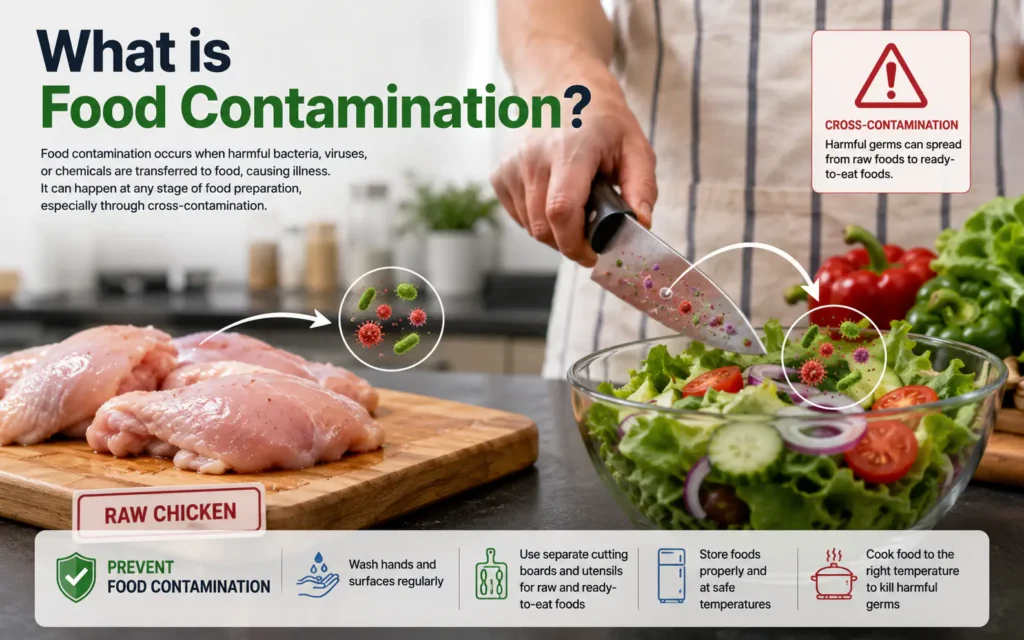
Imagine a piece of raw chicken juice dripping onto a salad.
Confusing spoilage with contamination.
The Different Types of Food Contaminants
Contaminants are broadly categorized into three main types, each posing distinct risks. Understanding these categories helps in identifying potential sources and implementing targeted prevention measures.
Biological contaminants are living organisms that can cause illness. These include bacteria like Salmonella and E.
Chemical contaminants are non-living substances that can be toxic. This category includes pesticides, herbicides, cleaning solutions, sanitizers, and even heavy metals that might leach from cooking equipment.
A restaurant worker not washing their hands after using the restroom and then handling ready-to-eat food is a common way for norovirus (a virus) to contaminate meals, leading to outbreaks.
Assuming all contamination is caused by bacteria.
How Does Food Become Contaminated?
Food contamination isn’t limited to one stage; it can happen anywhere along the food supply chain. Understanding these points of potential contamination is crucial for effective prevention.
At the farm level, contamination can occur from contaminated water, soil, or animal waste. During processing and manufacturing, issues can arise from unsanitary equipment, poor handling practices, or cross-contamination between different food products.
In transit and storage, temperature abuse can allow bacteria to multiply. At the retail level, improper handling by staff or cross-contamination in display cases poses risks.
A farmer’s market stall where raw meat is displayed too close to ready-to-eat fruits.
Believing contamination only happens in restaurants or factories.
Cross-Contamination
This is a major pathway for contamination, occurring when harmful microorganisms are transferred from one food or surface to another. For example, using the same cutting board for raw chicken and then for salad without washing it in between can spread bacteria.
- Separate raw meat, poultry, seafood, and eggs from other foods.
- Wash cutting boards, utensils, and countertops with hot, soapy water after each.
- Never place cooked food on a plate that previously held raw meat.
Poor Personal Hygiene
The hands of food handlers are a primary vehicle for spreading germs. Not washing hands properly after using the restroom, coughing, sneezing, or touching raw food can transfer pathogens to food.

- Wash hands thoroughly with soap and warm water for at least 20.
- Wash hands after using the restroom, changing diapers, touching pets, or blowing.
- Cover any cuts or sores on your hands with a bandage and.
The Health Risks of Consuming Contaminated Food
Consuming contaminated food can lead to a range of illnesses, collectively known as foodborne diseases. The symptoms and severity depend on the type of contaminant, the amount ingested, and the individual’s health status.
Common symptoms include nausea, vomiting, diarrhea, abdominal pain, fever, and headaches. These symptoms can appear within hours or days of eating contaminated food.
Certain groups are at higher risk of severe illness, including young children, pregnant women, older adults, and individuals with weakened immune systems. For these populations, foodborne illnesses can have more serious and long-lasting consequences.
Eating undercooked chicken contaminated with Salmonella can lead to symptoms like diarrhea, fever, and abdominal cramps, typically appearing 6 hours to 6 days after infection and lasting 4 to 7 days.
Underestimating the severity of foodborne illnesses.
- Gastrointestinal distress (nausea, vomiting, diarrhea).
- Fever and chills.
- Headaches and muscle aches.
- Fatigue and weakness.
- In severe cases: dehydration, kidney failure, paralysis, or death.
Preventing Food Contamination: Your Kitchen Safety Guide
Preventing food contamination is an ongoing process that involves careful practices in the kitchen. By adopting a few key habits, you can significantly reduce the risk of foodborne illness.
The principles of food safety, often summarized as ‘Clean, Separate, Cook, and Chill,’ are your best defense. These practices address the main ways contamination occurs and how to mitigate it.
Maintaining a clean environment is paramount. This includes washing hands frequently, sanitizing surfaces and utensils, and ensuring your kitchen is free from pests.
After chopping raw chicken, you immediately use the same knife to slice tomatoes for a salad.
Skipping the step of washing produce, even if you plan to peel it.
| Action | Why It Matters | Example |
|---|---|---|
| Clean. | Removes germs and dirt. | Wash hands before and after handling food; sanitize countertops. |
| Separate. | Prevents cross-contamination. | Use different cutting boards for raw meat and produce. |
| Cook. | Kills harmful bacteria. | Cook poultry to 165°F (74°C) and ground meats to 160°F (71°C). |
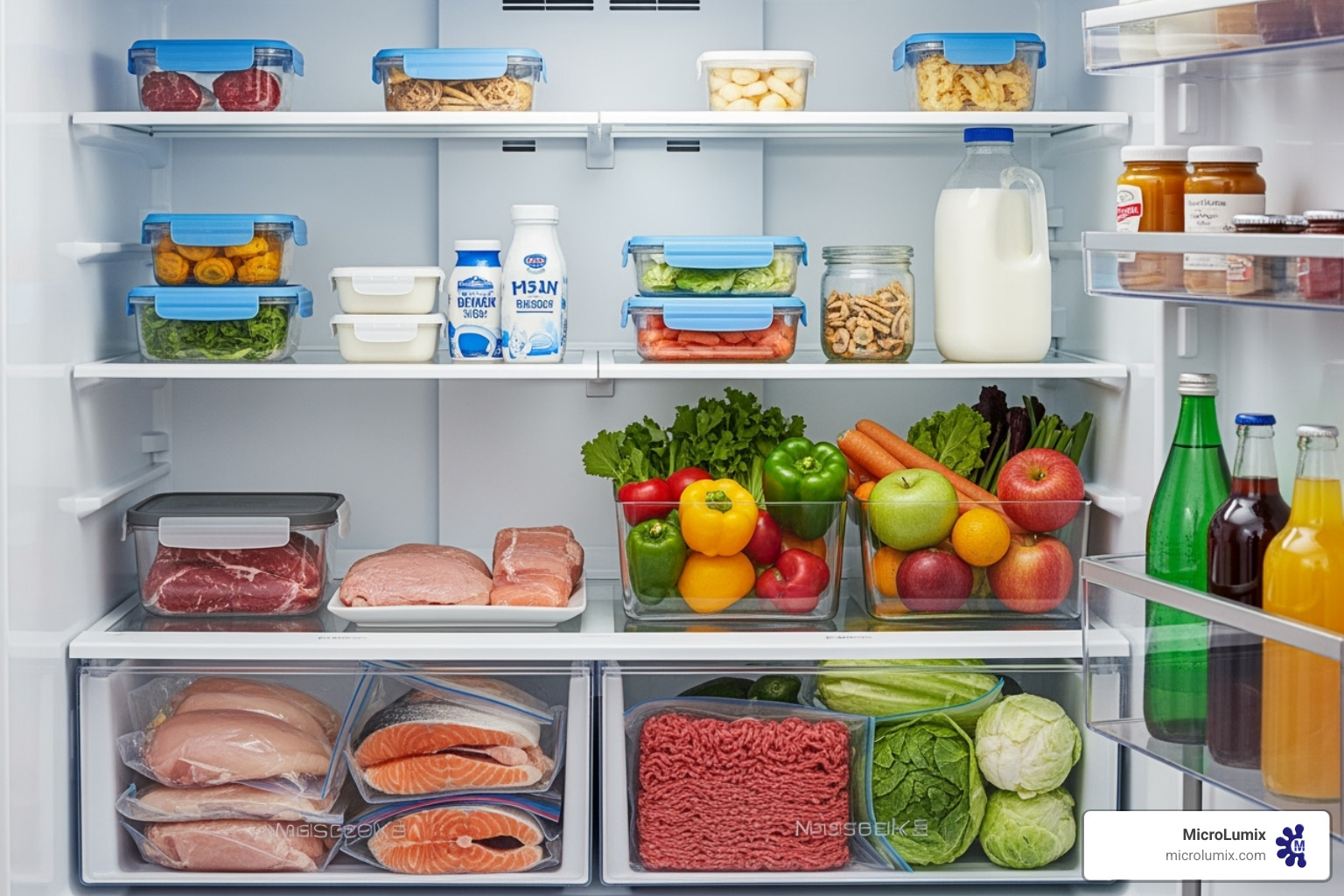
| Chill. | Slows bacterial growth. | Refrigerate perishable foods within two hours. |
Safety checks
- Food contamination is the presence of harmful agents in food.
- Contaminants can be biological (germs), chemical (pesticides), or physical (glass).
- Contamination can occur at any stage, from farm to table.
- Proper hygiene, cooking, and storage are crucial for prevention.
- Preventing contamination protects against foodborne illnesses.
This article should define food
1. Biological Contamination
This is the most common type, caused by living organisms like bacteria, viruses, parasites, and fungi. These microorganisms can multiply rapidly in food, especially when it’s not stored or cooked properly.
- Understanding the primary source of most foodborne illnesses.
- Many harmful bacteria don’t change the smell, taste, or appearance of food, making them hard to detect.
- Always cook food to the recommended internal temperature to kill harmful bacteria.
2. Chemical Contamination
Occurs when food is exposed to harmful chemicals. This can include pesticides on produce, cleaning agents used in kitchens, heavy metals leaching from cookware, or natural toxins in certain plants or seafood.
- Identifying risks beyond just germs.
- Improperly stored cleaning supplies near food preparation areas are a common culprit.
- Wash all produce thoroughly and store chemicals away from food items.
3. Physical Contamination
Involves the presence of foreign objects in food. These can range from small items like hair, fingernails, or pieces of plastic to larger objects like glass shards, metal fragments, or stones.
- Recognizing accidental contamination sources.
- Physical contaminants can cause choking hazards or internal injuries.
- Inspect food for foreign objects before serving, and be mindful of potential sources in your kitchen.
FAQs
What are the four main types of food contamination?
The four main types are biological (microorganisms like bacteria and viruses), chemical (pesticides, cleaning agents), physical (glass, metal, hair), and allergenic (undeclared allergens like peanuts or soy).
What is the most common cause of food contamination?
The most common cause is biological contamination, primarily from bacteria such as Salmonella, E. coli, Listeria, and Campylobacter, often spread through improper food handling and cross-contamination.
Can food that looks and smells fine be contaminated?
Many harmful bacteria and viruses do not change the appearance, smell, or taste of food, making it impossible to detect contamination by sensory means alone.
What is the difference between contamination and spoilage?
Contamination refers to the presence of harmful agents that can cause illness. Spoilage refers to the process where food deteriorates in quality, often due to microbial growth, making it unappetizing but not necessarily harmful.
How can I prevent cross-contamination at home?
Prevent cross-contamination by keeping raw meats, poultry, seafood, and eggs separate from other foods. Use separate cutting boards and utensils for raw and cooked items, and wash everything thoroughly with hot, soapy water after contact with raw ingredients.
Conclusion
Food contamination is a significant concern for anyone preparing or consuming food. By understanding that it involves the presence of harmful biological, chemical, or physical agents, you can better protect yourself and your family.
The key to preventing contamination lies in diligent food handling practices. Consistently applying the principles of cleaning, separating raw and cooked foods, cooking to safe temperatures, and chilling perishables promptly are your most effective tools against foodborne illnesses.
Related posts
 How to Strengthen Weak Nails: A Practical Guide to Daily Care
Learn how to strengthen weak nails with simple daily habits, protective care, and targeted hydration. Restore your natural nail strength today. Weak, peeling, or brittle nails…
 What Sounds Do Cats Dislike? 7 Noises That Stress Your Pet
Discover what sounds do cats dislike and why. Learn how to protect your cat’s sensitive hearing from stressful household noises and high-frequency hums. Cats dislike sounds…
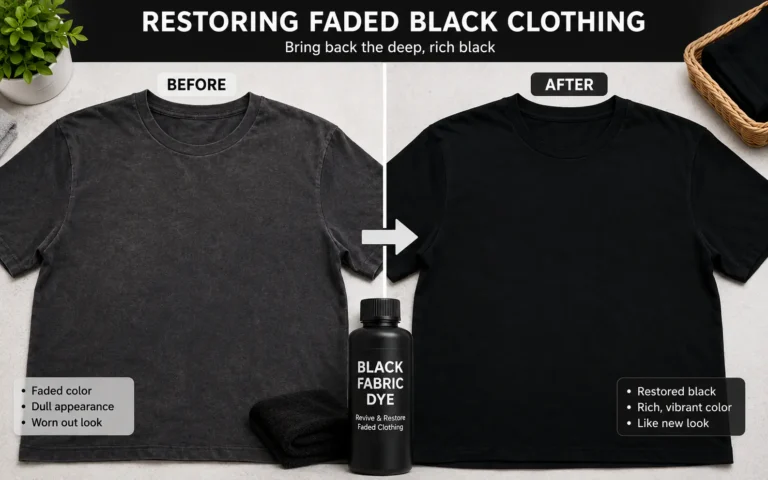 Restoring Faded Black Clothing: Practical Methods and Reality Checks
Can you restore faded black clothing? Learn the difference between temporary color revival and permanent redyeing, plus how to prevent future fading. You can restore the…