
What Is Smart Home Technology
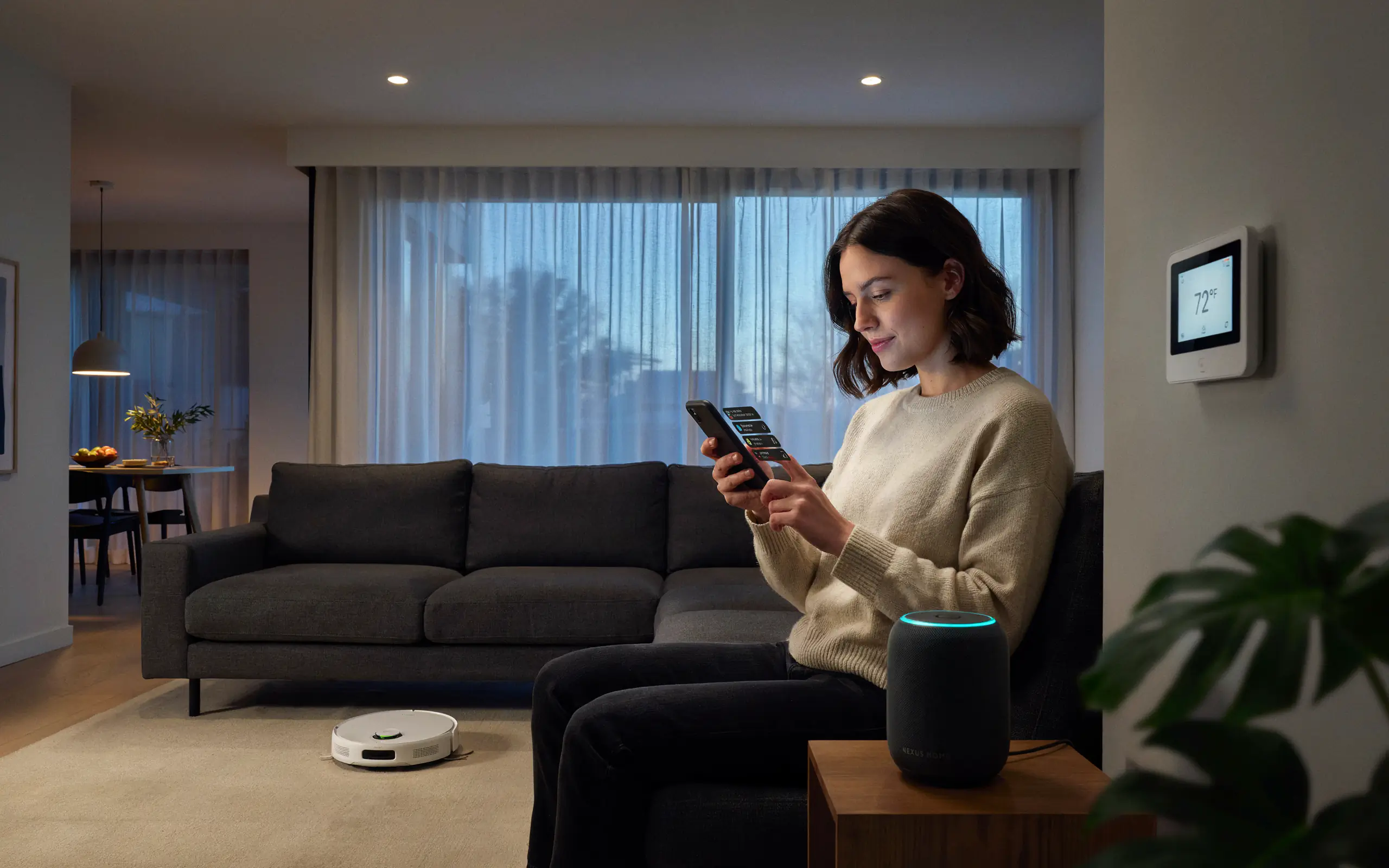
If you’ve ever wondered what is smart home technology, this guide explains how it connects your devices to make life easier. Discover how smart home technology can automate your home, save energy, and give you peace of mind.
Picture this. You wake up in the morning, and your bedroom lights slowly brighten to mimic a sunrise. Your coffee maker starts brewing your favorite blend. Your smart thermostat adjusts the temperature to a comfortable level. You don’t have to lift a finger. This isn’t a scene from a science fiction movie. This is the reality of smart home technology.
More and more households are adopting these intelligent systems. They want convenience, security, and energy savings. But if you are new to this concept, you might have many questions. What exactly is this technology? How does it work? Is it expensive? Is it difficult to set up? This article answers all these questions in a simple, straightforward way.
Whether you are a tech enthusiast or a complete beginner, this guide will help you understand the basics. We will explore what smart home technology is, how it works, its benefits, and the potential downsides. By the end, you will have a clear picture of whether a smart home is right for you.
What Is Smart Home Technology? A Clear Definition
Let’s start with the basics. What is smart home technology? At its core, this technology refers to a group of devices, appliances, and systems that connect to a common network. This network is usually your home Wi-Fi. You can control these devices remotely. You can also automate them to perform certain tasks.
Think of it as giving your home a brain. This brain allows different parts of your home to communicate with each other. For example, your motion sensor can tell your lights to turn on. Your smart doorbell can send a video feed to your phone. The central idea is to make your home more responsive to your needs. Smart home technology simplifies daily routines. It can also help you save money and increase your home’s safety.
How Does Smart Home Technology Actually Work?
Understanding how this technology works can help you feel more confident about using it. The system operates through a combination of hardware, software, and network connections.
The Core Components
First, you have the devices. These are the physical items in your home. Examples include smart bulbs, smart plugs, smart locks, and smart speakers. These devices contain sensors and chips. These components allow them to process information and connect to a network.
Second, you have the connectivity. Most smart home devices use Wi-Fi, Zigbee, or Z-Wave to communicate. Wi-Fi is the most common. It is what your phone and computer use. Zigbee and Z-Wave are different wireless protocols. They are designed for low-power devices. They often work better for devices that are far from your router.
Third, you have the control system. This is how you interact with your devices. You might use a smartphone app. You might use a voice assistant like Amazon Alexa, Google Assistant, or Apple Siri. You might also use a central hub. A hub is a device that connects all your smart gadgets together. It acts like a translator. It makes sure different brands and types of devices can work together.
How They Communicate
Let’s use a simple example. You have a smart plug. You plug a lamp into it. You connect the smart plug to your home Wi-Fi. You then install the manufacturer’s app on your phone. When you tap the “on” button in the app, it sends a signal. This signal travels through your Wi-Fi network. It reaches the smart plug. The plug then turns on, and your lamp lights up.
For automation, things get more interesting. You can set a rule that says, “Turn on the lamp at sunset.” Now, the system checks the time of sunset each day. When the sun goes down, the system sends that signal automatically. You do not need to do anything.
The Main Types of Smart Home Technology
There is a wide variety of smart home technology available. Each serves a different purpose. Here is a breakdown of the main categories.
Smart Lighting
This is one of the most popular starting points. Smart lighting allows you to control your lights from anywhere. You can turn them on, off, or dim them. You can change their color in many cases. You can set schedules. You can even sync them with music or movies. This type of technology adds ambiance to your home. It can also make it look like someone is home when you are away.
Smart Heating and Cooling
This is where you can see the most savings on your energy bills. Smart thermostats learn your schedule. They adjust the temperature based on your preferences. For example, they can lower the heat when you are at work. Then, they can warm the house back up before you return. They can also be controlled remotely. This means you can turn the air conditioning on from your car on a hot day. The house will be cool when you walk in.
Smart Security
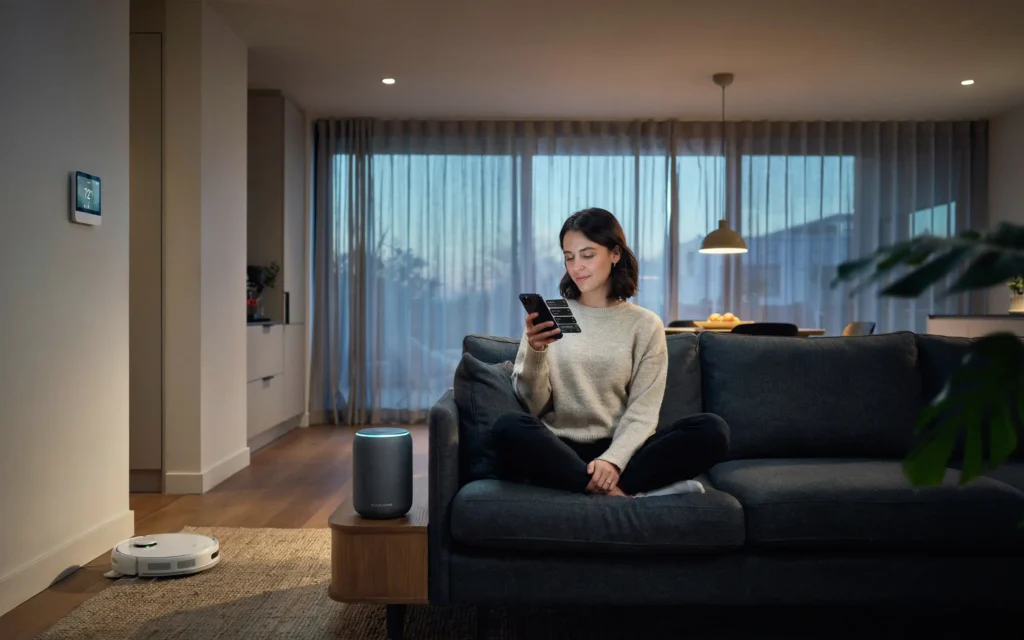
Security is a major reason why people adopt this technology. It offers peace of mind. Smart doorbells have cameras. You can see who is at your door from your phone. You can even talk to them. Smart locks let you lock and unlock your doors remotely. You can give temporary access to guests or service workers. Smart security cameras can send alerts when they detect motion. Smart sensors can detect smoke, carbon monoxide, or water leaks.
Smart Appliances
Our home appliances are getting smarter too. Smart refrigerators can tell you when you are low on milk. They can even show you what is inside without opening the door. Smart ovens can be preheated from your phone. Smart washing machines can be started remotely. They can also send notifications when your laundry is done.
| Smart Home Category | Key Features | Example Devices |
|---|---|---|
| Lighting | Remote control, dimming, color changes, schedules | Smart bulbs, smart switches, motion sensors |
| Energy Management | Learning schedules, remote temperature control, usage reports | Smart thermostats, smart plugs, energy monitors |
| Security | Remote monitoring, motion alerts, video recording | Smart cameras, video doorbells, smart locks |
| Convenience | Voice control, automated routines, remote operation | Smart speakers, smart displays, smart hubs |
The Many Benefits of Smart Home Technology
Why should you consider adding this technology to your home? There are many compelling reasons. These benefits go beyond just having cool gadgets.
Convenience and Comfort
This is the most obvious benefit. Imagine controlling your entire home with your voice or a single app. You can turn off all the lights from your bed. You can adjust the temperature without getting up. You can start your robot vacuum while you are at work. These small conveniences add up. They make your daily life simpler and more comfortable. For people with limited mobility, this technology can be life-changing.
Energy Efficiency and Cost Savings
This is a huge plus. Smart thermostats can save you up to 15% on your cooling and heating costs. Smart plugs can turn off devices that use energy even when they are not in use. This “vampire energy” can add up to a significant amount on your bill. By using smart home technology to manage your energy use, you can save money. You are also helping the environment by reducing your energy consumption.
Improved Home Security
Smart security features offer excellent protection. The ability to monitor your home from anywhere is powerful. It gives you peace of mind when you are on vacation or at work. You can check on your pets. You can see if your kids got home from school safely. Smart locks eliminate the worry of losing your keys. You can lock your door from anywhere. These systems can also deter burglars.
Aging in Place and Accessibility
This is a very meaningful benefit. Smart home technology helps people live independently for longer. Simple voice commands can control lights and appliances. This helps those who have difficulty moving around. Smart sensors can detect falls and send alerts. Medication dispensers can remind people when to take their pills. This technology supports seniors and people with disabilities.
Peace of Mind
Knowing that you have control over your home makes a big difference. You will never have to wonder if you left the iron on or forgot to lock the door. You can simply check your app. If you did forget, you can fix it remotely. This reduces anxiety and makes you feel more in control.
Potential Downsides and Challenges
While smart home technology is great, it is not perfect. There are some challenges to be aware of.
Initial Cost
The upfront cost can be a barrier. Smart devices are more expensive than their traditional counterparts. A smart bulb costs more than a regular LED bulb. A smart lock costs more than a standard deadbolt. However, the cost is decreasing. Many devices are becoming more affordable. You can also start small. You do not need to automate your entire house at once.
Privacy and Data Security
This is a very valid concern. These devices collect data. They know when you are home and when you are away. They know what you like to watch on TV. Companies that make these devices could potentially access this data. There is also the risk of hackers gaining access to your network. To mitigate this, you should use strong passwords. You should also update your devices’ firmware regularly. Be cautious about which devices you connect to your network.
Complexity and Compatibility
The “smart home” market is somewhat fragmented. Not all devices work together perfectly. Some use Wi-Fi. Others use Zigbee or Z-Wave. Some are built for Google Assistant. Others work best with Alexa. This can be confusing for a beginner. You need to do your research before buying. You need to make sure the devices you choose are compatible with each other. Using a central hub can sometimes solve these problems.
Reliance on Internet and Power
Your smart home depends on your internet connection. If your Wi-Fi goes down, many of your devices will stop working. You might not be able to control your lights or lock your door. The same is true during a power outage. Most smart devices will stop working. It is good to have manual backups for critical devices like door locks.
Getting Started with Your Own Smart Home
If you are interested in building your own smart home, where should you start? It is best to take it slow. Do not try to do everything at once.
Step 1: Choose Your Ecosystem
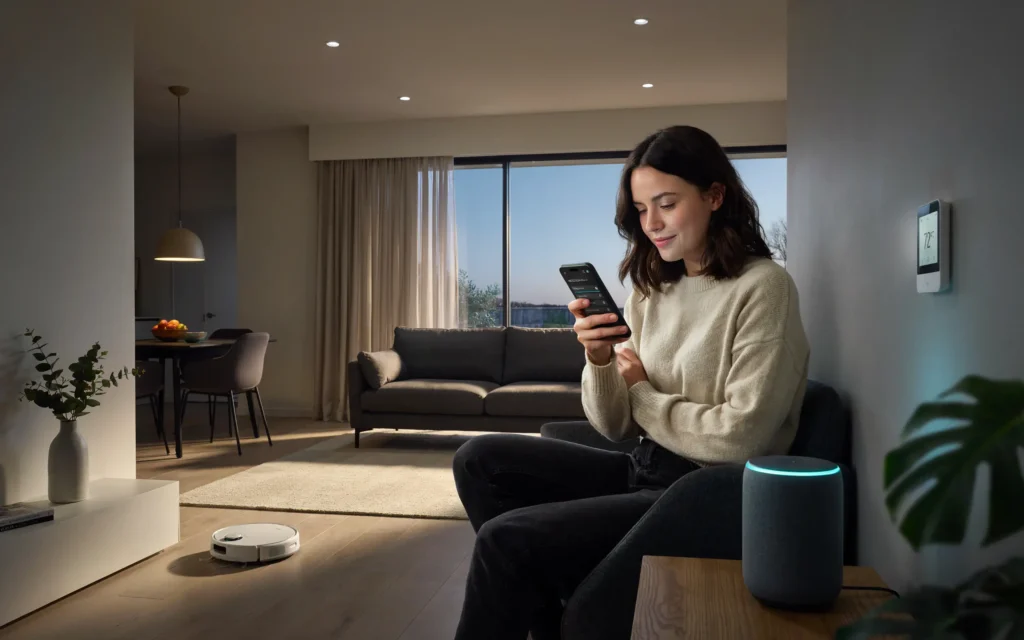
The first step is to pick a voice assistant. The three main ones are Amazon Alexa, Google Assistant, and Apple Siri. These act as your central command center. They will control your devices and execute your routines. If you already have a phone or tablet from one of these ecosystems, it makes sense to stick with it.
Step 2: Start with a Simple Device
Buy one simple, low-cost device to begin. A smart plug is a perfect choice. It is easy to set up. You can plug a lamp into it. You can then practice controlling it with your phone. You can set a simple schedule. This gives you a feel for how smart home technology works.
Step 3: Expand Gradually
Once you are comfortable with one device, you can add another. You might want to try a smart speaker next. This will let you use voice commands. After that, you could add a smart bulb. Over time, you can grow your system. You can add smart thermostats, cameras, and locks. The key is to build your system at your own pace.
Step 4: Create Simple Routines
Now for the fun part. You can start creating automations. For example, you can create a “Good Morning” routine. This could turn on your lights, start your coffee maker, and read you the news. A “Good Night” routine could turn off all the lights and lock the front door. These routines are the heart of the smart home experience. They make your life easier.
Popular Devices to Consider
The market is full of options. Here is a simple table of some of the most popular devices to get you started. Remember to check compatibility before buying.
| Device Type | Popular Examples | Key Features |
|---|---|---|
| Smart Speaker | Amazon Echo, Google Nest, Apple HomePod | Voice control, music playback, central hub |
| Smart Plug | TP-Link Kasa, Wemo, Amazon Smart Plug | Remote on/off, energy monitoring, scheduling |
| Smart Bulb | Philips Hue, LIFX, Wyze | Color changing, dimming, scheduling |
| Smart Thermostat | Nest Thermostat, Ecobee, Honeywell Home | Learning schedules, remote control, energy reports |
| Video Doorbell | Ring, Nest Hello, Arlo | Two-way talk, motion alerts, video recording |
| Smart Lock | August, Schlage Encode, Yale | Remote locking, keyless entry, access codes |
The Future of Smart Home Technology
What does the future hold? The trend is toward more intelligence and integration. Artificial intelligence (AI) will play a bigger role. Your home will not just respond to commands. It will anticipate your needs. It will learn your habits deeply. It will adjust your environment automatically.
We will see more integration between our devices and our services. For example, your smart fridge might communicate with your grocery delivery service. The technology will also become more affordable. This will make it accessible to more people. We can expect a more connected and intuitive living experience.
“Technology is best when it brings people together.” – Matt Mullenweg
Frequently Asked Questions
Is smart home technology safe from hackers?
Smart home technology can be vulnerable if not properly secured. You should use strong, unique passwords for your Wi-Fi and device accounts. Enable two-factor authentication when available. Keep your devices updated with the latest firmware. These simple steps significantly improve your security.
Can I use smart home technology without Wi-Fi?
Some devices can work locally without an internet connection, but you will lose remote access and most voice control features. The devices might still function on a schedule or through direct manual control. However, to get the full benefit, a stable Wi-Fi connection is recommended.
Is it expensive to set up a smart home?
The initial cost can be high, but it does not have to be. You can start small. A few smart plugs and a smart speaker are very affordable. The technology also saves you money in the long run through energy efficiency.
Do smart home devices work with each other?
Not always. You need to check compatibility before purchasing. Google Home, Amazon Alexa, and Apple HomeKit are the main ecosystems. If your devices work with the same assistant, they will usually work together. Using a hub like SmartThings can also help bridge different devices.
“What we need to see is the full integration of our smart home devices.” – Satya Nadella
Conclusion
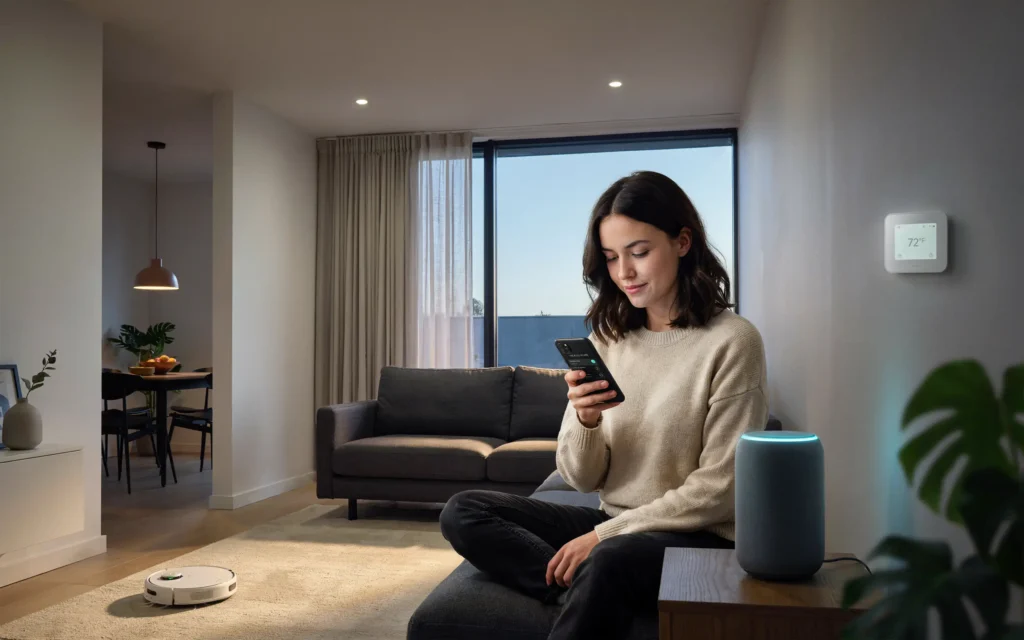
So, what is smart home technology? It is more than just a novelty. It is a practical way to make your life simpler, safer, and more efficient. It is about creating a home that responds to your needs. You can control your environment with a tap on your phone or a simple voice command. You can automate routine tasks and save energy.
While there are challenges like cost and security, the benefits often outweigh the drawbacks. The technology is becoming more accessible. It is also becoming more integrated into our daily lives. You do not need to be a tech expert. You can start with a simple smart plug and grow your system over time.
“Any sufficiently advanced technology is indistinguishable from magic.” – Arthur C. Clarke
This technology can make your house feel truly like a home. It gives you comfort, peace of mind, and control. Whether you are looking to save money, improve your security, or just enjoy the convenience, smart home technology has something to offer. It is a smart investment for your present and your future. Start exploring the possibilities today. Your future self will thank you for it.
Related posts
 How to Strengthen Weak Nails: A Practical Guide to Daily Care
Learn how to strengthen weak nails with simple daily habits, protective care, and targeted hydration. Restore your natural nail strength today. Weak, peeling, or brittle nails…
 What Sounds Do Cats Dislike? 7 Noises That Stress Your Pet
Discover what sounds do cats dislike and why. Learn how to protect your cat’s sensitive hearing from stressful household noises and high-frequency hums. Cats dislike sounds…
 Restoring Faded Black Clothing: Practical Methods and Reality Checks
Can you restore faded black clothing? Learn the difference between temporary color revival and permanent redyeing, plus how to prevent future fading. You can restore the…