
What Makeup kit Is Best For Beginners
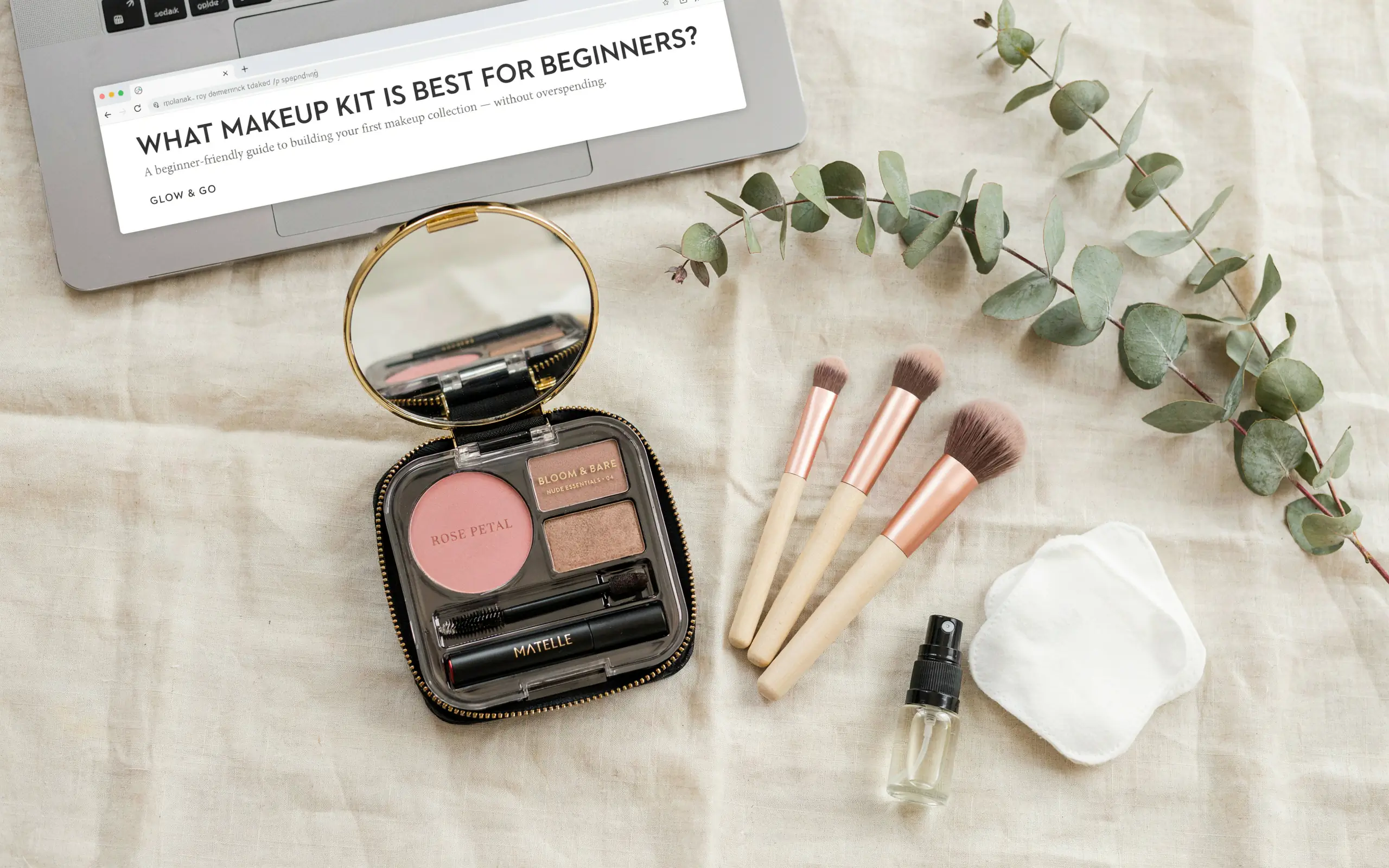
Finding the right makeup kit is best for beginners who want a simple start. This guide covers essential products, tools, and top kit choices to help you build a collection that works for your skin type and budget.
Walking into a beauty store for the first time can feel like stepping into a candy shop with no labels. Rows of foundations, endless eyeshadow palettes, and brushes of every shape and size. It is easy to freeze and ask yourself, “What do I actually need?”
The truth is, you do not need a hundred products to get started. A well-chosen makeup kit for beginners is about quality, not quantity. It is about picking items that are easy to use, suit your skin, and help you build confidence one step at a time.
In this guide, we will break down exactly what a makeup kit is best for beginners to own. We will cover the must-have products, the tools that make application simple, and how to choose between buying a pre-made kit or building your own. By the end, you will have a clear plan and feel ready to start your beauty routine without stress.
Why a Good Starter Kit Matters
Starting with the right products makes all the difference. When you have a solid base, learning becomes fun instead of frustrating. A thoughtful beginner makeup kit saves you from buying items that do not work together or do not suit your skin type.
Think of it like learning to cook. You would not start with a complicated recipe that needs fifty ingredients. You would begin with a few basic tools and simple dishes. Makeup works the same way. A focused makeup kit is best for beginners because it keeps things simple and lets you grow your skills naturally.
Another reason to start smart is your budget. Buying products one by one without a plan often leads to wasted money. You might pick a foundation that is too dark or a concealer that creases. A curated kit removes that guesswork and gives you products that are tested to work together.
“Makeup should be fun, not stressful. The best kit for a beginner is one that feels like a friend, not a challenge.” – Valeria H, Senior Beauty Editor at Real Beauty School
The Essential Products Every Beginner Needs
Let us get straight to the point. What should your first makeup kit actually contain? Here is a list of core items that cover all the basics without overwhelming you.
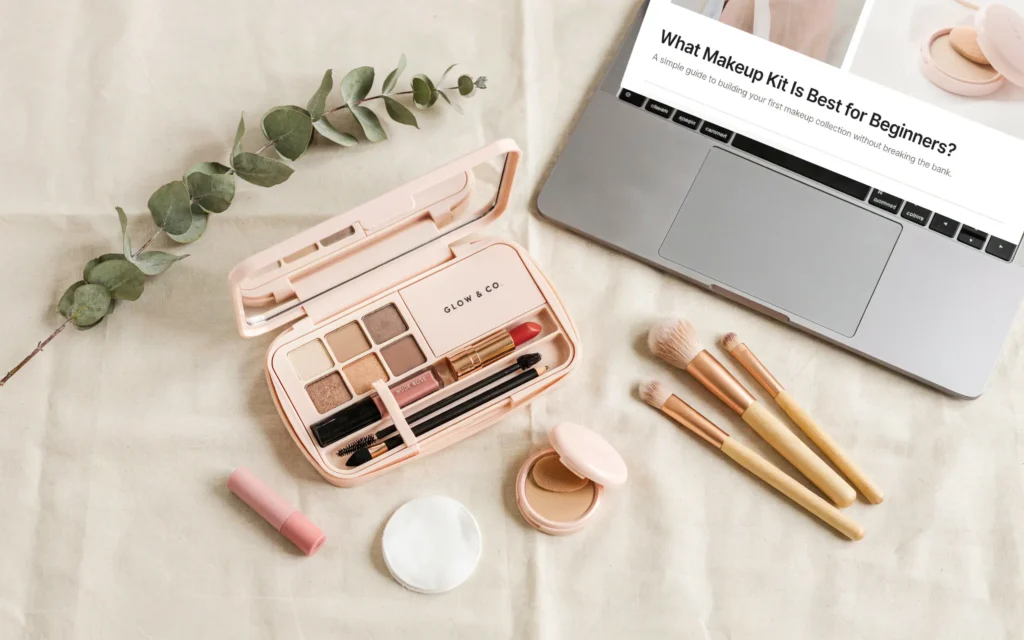
Face Base Essentials
Your base is the canvas for everything else. Getting this right sets you up for a natural, polished look.
Primer: This product goes on before anything else. It smooths your skin, fills in pores, and helps your makeup stay put longer. If you have oily skin, choose a mattifying primer. If your skin is dry, go for a hydrating one.
Foundation or Tinted Moisturizer: For beginners, a lightweight formula works best. Sheer foundations and tinted moisturizers are forgiving and blend easily. They give you a natural look without feeling heavy. Medium coverage is also a good choice because it evens out your skin tone without hiding your natural beauty.
Concealer: This little tube is a lifesaver. Use it to cover dark circles, blemishes, or any redness. A creamy concealer blends well and is easy to apply with your fingers or a sponge.
Setting Powder: A pressed powder or translucent powder locks everything in place. It prevents creasing and keeps shine under control. Pressed powders are easier for beginners to handle than loose powders.
Color and Definition
Once your base is set, you add life and shape to your face.
Blush: A pop of color on your cheeks makes you look awake and healthy. Powder blushes are simple to apply, while cream blushes give a dewy finish. Peach or pink tones suit most skin types.
Bronzer: This adds warmth and dimension to your face. Apply it lightly where the sun naturally hits your forehead, cheeks, and nose. Cream bronzers blend easily and look natural.
Highlighter: A touch of highlighter on your cheekbones, brow bone, and the bridge of your nose gives a soft glow. Powder or liquid options both work well for beginners.
Eye Makeup Must-Haves
Your eyes are often the focal point of any look. Keep it simple at first.
Eyebrow Pencil or Gel: Well-groomed brows frame your face. A pencil that matches your natural brow color is easy to use. Look for one with a spoolie brush on the end to blend out harsh lines.
Eyeshadow Palette: You do not need thirty shades. A small palette with four to six neutral colors like browns, taupes, and soft pinks is plenty. Matte shades work for everyday wear, and one or two shimmer shades add fun for special occasions.
Mascara: This opens up your eyes and makes your lashes look fuller. Choose a waterproof formula if you want it to last through humidity or tears.
Eyeliner: A pencil or gel liner is easier to control than liquid for beginners. Black or brown are safe choices that define your eyes without looking too harsh.
Lip Products
Lipstick or Lip Gloss: Start with a neutral shade for daily wear and add a brighter color for events. Pink, peach, or soft red shades are universally flattering. A tinted lip balm is also a great option for a natural look with hydration.
Setting Spray
A quick spritz of setting spray at the end keeps your makeup fresh for hours. It is the final step that locks everything together.
Beginner Makeup Kit Checklist
| Category | Product | Why You Need It |
|---|---|---|
| Face Base | Primer | Smooths skin and helps makeup last |
| Face Base | Foundation or Tinted Moisturizer | Evens out skin tone |
| Face Base | Concealer | Covers dark circles and blemishes |
| Face Base | Setting Powder | Prevents creasing and controls shine |
| Color | Blush | Adds healthy color to cheeks |
| Color | Bronzer | Brings warmth and definition |
| Color | Highlighter | Gives a subtle glow |
| Eyes | Brow Pencil | Frames and defines your face |
| Eyes | Neutral Eyeshadow Palette | Creates easy eye looks |
| Eyes | Mascara | Makes lashes look fuller |
| Eyes | Eyeliner | Defines your eyes |
| Lips | Lipstick or Gloss | Adds color and finish |
| Setting | Setting Spray | Locks makeup in place |
Tools You Will Need
Products are only half the story. The right tools make application smooth and enjoyable.
Brushes and Sponges
You do not need a huge brush collection. A few good pieces will cover everything.
Foundation Brush or Sponge: A damp beauty sponge gives a flawless, streak-free finish. It is very forgiving for beginners.
Powder Brush: A large, fluffy brush is perfect for applying setting powder or bronzer.
Blush Brush: A medium-sized angled brush works well for blush and contour.
Eyeshadow Blending Brush: A small, fluffy brush helps you blend eyeshadow seamlessly.
Spoolie: This tiny brush combs through your brows and blends pencil strokes.
Other Helpful Items
- Makeup Mirror: A small mirror with good lighting helps you see what you are doing.
- Makeup Bag: Keep your products organized and easy to carry.
- Makeup Remover: Always remove your makeup at the end of the day to keep your skin healthy.
Pre-Made Kits vs. Building Your Own
Now you face a choice: buy a ready-made kit or pick individual products. Both have their pros and cons.
Pre-Made Kits
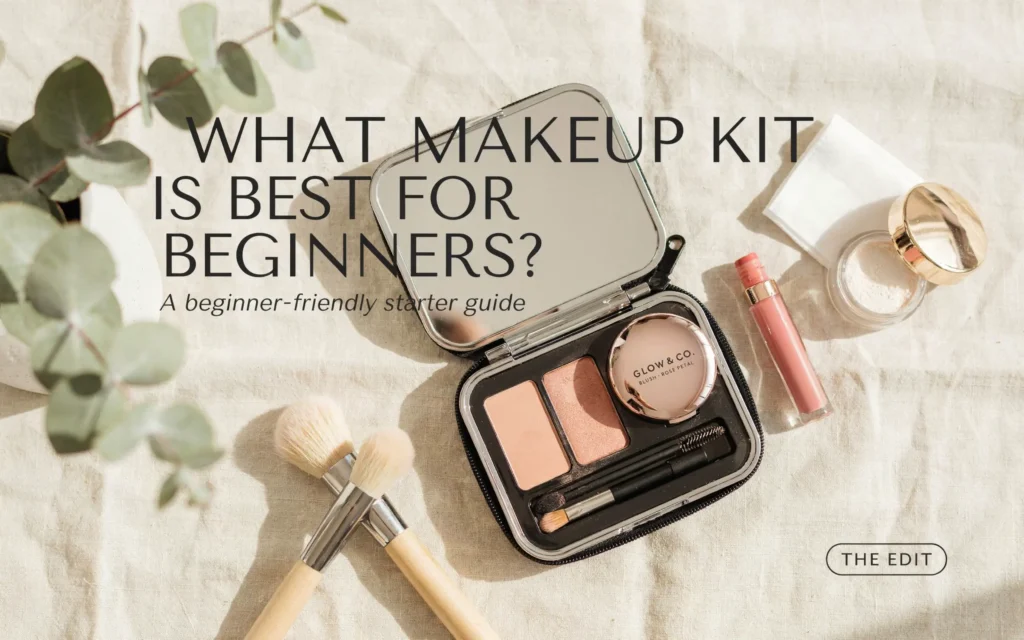
These are boxes or sets that include a range of products. Brands often design them to work together in terms of shades and formulas.
Advantages:
- Everything is coordinated, so you do not have to worry about clashing colors.
- They save time and remove the guesswork.
- They often cost less than buying each item separately.
Disadvantages:
- You may not use every product in the kit.
- The shades might not perfectly match your skin tone.
- Quality can vary between different kits.
Some popular pre-made kits include the SHANY Fierce & Flawless All-in-One Kit and the Maúve Carry All Trunk Train Case. These offer a wide range of colors and tools in one package.
Building Your Own Kit
This means choosing each product based on your personal needs.
Advantages:
- You pick exactly what suits your skin type and tone.
- You can invest more in products you will use often.
- You learn more about makeup as you research each item.
Disadvantages:
- It takes more time and effort.
- You might make mistakes and buy products that do not work.
- It can be more expensive upfront.
Which Path Is Right for You?
If you feel overwhelmed and want a simple start, a pre-made kit is a great choice. Look for one that includes the essentials listed above and has good reviews. If you enjoy research and want full control, building your own kit is rewarding. Many beauty experts suggest starting with a kit and then adding individual products as you learn what you like.
“A curated starter set eliminates shade mismatches and formula clashes. Pre-coordinated palettes and bases are tested to work together, saving you from wasted budget and frustrating trial-and-error.” – LazBlog Beauty Team
How to Choose Products Based on Your Skin Type
Your skin type plays a big role in which products work best. Here is a simple guide.
Oily Skin
- Primer: Choose a mattifying primer that controls shine.
- Foundation: Look for oil-free, matte finish foundations.
- Powder: Use a translucent powder to absorb excess oil.
- Setting Spray: Pick a spray that controls shine.
Dry Skin
- Primer: Go for a hydrating primer that adds moisture.
- Foundation: Choose dewy or hydrating foundations.
- Concealer: Creamy formulas work best and do not cling to dry patches.
- Setting Spray: A dewy setting spray keeps your skin looking fresh.
Combination Skin
- Primer: Use a balancing primer or apply different primers to different areas.
- Foundation: A natural finish foundation works well.
- Powder: Apply powder only to your T-zone (forehead, nose, chin) where you get oily.
Sensitive Skin
- Look for products labeled “fragrance-free” and “hypoallergenic.”
- Test a small amount on your wrist before using it on your face.
- Mineral makeup is often a gentle choice.
Skin Type Product Recommendations
| Skin Type | Primer | Foundation | Concealer | Powder |
|---|---|---|---|---|
| Oily | Mattifying | Matte, oil-free | Creamy, oil-free | Translucent pressed |
| Dry | Hydrating | Dewy, hydrating | Creamy, moisturizing | Light, finely milled |
| Combination | Balancing | Natural finish | Creamy | Apply only to T-zone |
| Sensitive | Gentle, fragrance-free | Mineral or hypoallergenic | Gentle formula | Mineral or fragrance-free |
Step-by-Step Application for Beginners
Knowing what to buy is one thing. Knowing how to use it is another. Here is a simple routine to follow.
Step 1: Prep Your Skin
Start with clean, moisturized skin. Apply your primer and let it sit for a minute. This creates a smooth base.
Step 2: Apply Foundation
Dot foundation on your forehead, cheeks, nose, and chin. Blend it out with a damp sponge or a brush. Make sure to blend down your jawline so there is no visible line.
Step 3: Conceal
Apply concealer under your eyes in a triangle shape and blend it out. Also, dab it on any blemishes or redness. A creamy concealer blends easily with your finger or a small brush.
Step 4: Set with Powder
Lightly dust setting powder over your T-zone and under your eyes. This stops your makeup from moving around.
Step 5: Define Your Brows
Fill in your brows with short, feathery strokes using a brow pencil. Brush through with the spoolie to soften the look.
Step 6: Add Eye Color
Sweep a neutral shade across your eyelid. Add a slightly darker shade in the crease for depth. Blend well so there are no harsh lines.
Step 7: Line and Curl
Apply eyeliner close to your lash line. Curl your lashes and apply mascara from root to tip.
Step 8: Add Color to Cheeks
Smile and apply blush to the apples of your cheeks. Blend it upward toward your temples.
Step 9: Bronzer and Highlighter
Apply bronzer in the hollows of your cheeks, along your jawline, and on your forehead. Then add a touch of highlighter to your cheekbones, brow bone, and the bridge of your nose.
Step 10: Finish with Lips and Setting Spray
Apply your lipstick or gloss. Finish with a few spritzes of setting spray to lock everything in place.
Budget-Friendly Options
You do not need to spend a fortune to get a good starter kit. Drugstore brands offer excellent quality at affordable prices.
Drugstore Favorites
- Primer: e.l.f. Power Grip Primer
- Foundation: Maybelline Fit Me Matte + Poreless
- Concealer: Maybelline Instant Age Rewind
- Mascara: Essence Lash Princess or L’Oréal Voluminous
- Setting Spray: PAC Makeup Prime and Setting Spray
Many of these products cost under $15 and perform as well as high-end brands. The key is to know your skin type and choose formulas that match.
“The key to shopping drugstore is knowing your skin and doing a tiny bit of homework.” – InStyle Beauty Team
Common Mistakes Beginners Make
Let us look at a few pitfalls to avoid.
Buying Too Much at Once: It is tempting to grab every shiny product you see. Start with the essentials and add more as you learn.
Skipping Skincare: Makeup looks best on healthy skin. Always cleanse and moisturize before applying products.
Not Testing Shades: Always test foundation on your jawline in natural light. Your wrist is not the right place.
Using the Wrong Tools: Your fingers can work for some products, but brushes and sponges give a smoother finish.
Forgetting to Blend: Harsh lines are a giveaway. Take time to blend your foundation, concealer, and eyeshadow.
Frequently Asked Questions
1. What should a beginner makeup kit include?
A basic kit should have primer, foundation or tinted moisturizer, concealer, setting powder, blush, bronzer, brow pencil, neutral eyeshadow palette, mascara, eyeliner, lipstick or gloss, and setting spray. This covers all the essentials for a complete look.
2. How much should I spend on my first makeup kit?
You can build a good starter kit for $50 to $100 using drugstore products. If you choose mid-range brands, expect to spend $150 to $250. The most important thing is to pick products that suit your skin, not the price tag.
3. Should I buy a pre-made kit or build my own?
Both work well. A pre-made kit saves time and removes guesswork. Building your own gives you more control. If you are new and feel lost, a pre-made kit is a great starting point.
4. What is the best foundation for beginners?
A lightweight, buildable foundation or tinted moisturizer is best. It is forgiving and gives a natural look. Medium coverage foundations also work well because they even out your skin without feeling heavy.
5. Do I really need a primer?
Primer is not strictly required, but it makes a big difference. It smooths your skin, helps your makeup last longer, and can address specific concerns like oiliness or dryness.
6. How do I choose the right shade of foundation?
Test the shade on your jawline in natural daylight. The right shade should disappear into your skin. Also, consider your undertone – warm, cool, or neutral.
7. Can I use my fingers to apply makeup?
Yes, for some products like concealer and cream blush, your fingers work well. For foundation and eyeshadow, brushes and sponges give a more even finish.
8. How long does makeup last before it expires?
Most liquid products last 6 to 12 months after opening. Powders can last 1 to 2 years. Always check the symbol on the packaging that looks like a jar with a number – that tells you how many months the product is good for.
9. What is the easiest eyeliner for beginners?
A pencil or gel eyeliner is easier to control than liquid. Start with a soft pencil and practice drawing small dots along your lash line.
10. How do I know if a makeup kit is good quality?
Read reviews from other users. Look for kits that include well-known brands or have positive feedback about pigmentation, blendability, and wear time. Also, check that the kit includes a good mix of neutral and accent shades.
Conclusion
Choosing the right makeup kit for beginners does not have to be hard. Focus on the essentials, pick products that suit your skin type, and do not be afraid to start small. A makeup kit is best for beginners when it is simple, functional, and makes you excited to practice.
Remember that makeup is a skill. You will get better with time. Your first few attempts might not look perfect, and that is okay. Every expert started exactly where you are now. The goal is not to be flawless from day one. The goal is to enjoy the process, learn what you like, and build confidence along the way.
Start with the checklist we shared, pick a kit or build your own, and take it one step at a time. Before you know it, you will have a routine that feels natural and a collection that truly works for you. The best makeup kit is best for beginners who are ready to explore, experiment, and have fun with beauty.
“Makeup doesn’t need 15 steps, 15 tools, or 15 hours to look good. All it needs is structure, quality basics, and a little guidance.” – Fresh Beauty Co. Editor
So go ahead, pick your products, and start creating looks that make you feel great. Your beauty journey is just beginning, and it is going to be wonderful.
Related posts
 How to Strengthen Weak Nails: A Practical Guide to Daily Care
Learn how to strengthen weak nails with simple daily habits, protective care, and targeted hydration. Restore your natural nail strength today. Weak, peeling, or brittle nails…
 What Sounds Do Cats Dislike? 7 Noises That Stress Your Pet
Discover what sounds do cats dislike and why. Learn how to protect your cat’s sensitive hearing from stressful household noises and high-frequency hums. Cats dislike sounds…
 Restoring Faded Black Clothing: Practical Methods and Reality Checks
Can you restore faded black clothing? Learn the difference between temporary color revival and permanent redyeing, plus how to prevent future fading. You can restore the…