
How To Set Up A Budget Car Workshop
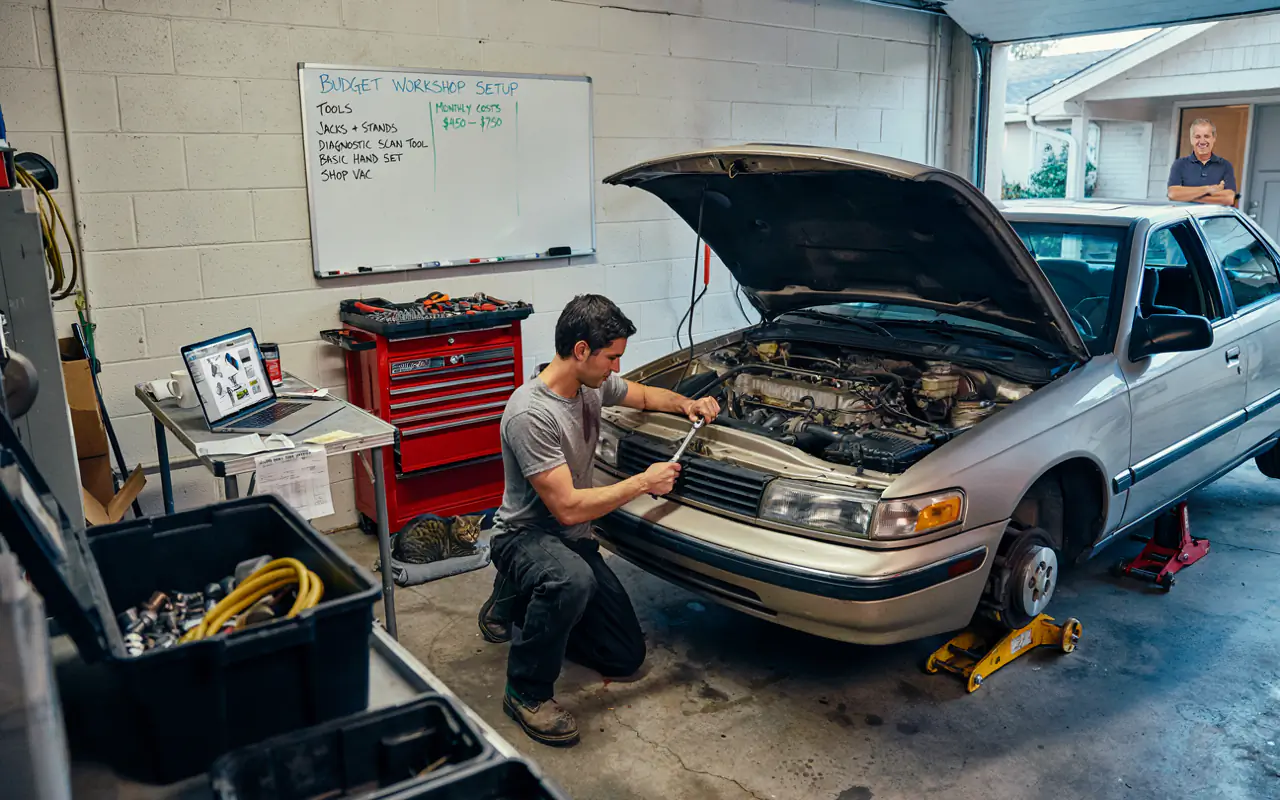
Planning to set up a budget car workshop? This guide covers everything from choosing a cheap location and essential tools to getting licenses and finding customers. Start your auto repair business with less money and more confidence.
Have you ever thought about starting your own auto repair business but felt held back by the cost? You are not alone. Many skilled mechanics dream of having their own space to work on cars, fix problems, and build a loyal customer base. The good news is that you can set up a budget car workshop without spending a fortune. It takes careful planning, smart choices, and a bit of creativity. This guide will walk you through every step, from the first idea to opening your doors for business.
Starting an auto repair shop is a big step, but it does not have to empty your bank account. With the right approach, you can create a functional, professional workspace that helps you earn a good living. Let us explore how you can set up a budget car workshop that works for you and your customers.
Why a Budget Workshop Makes Sense
Many people think you need a huge building and expensive equipment to start a car repair business. That is simply not true. You can begin small and grow over time. Starting on a budget helps you test the waters, learn what works, and avoid taking on too much debt. It also forces you to be resourceful and efficient, which are great habits for any business owner.
I remember talking to a mechanic who started his shop in a single-car garage with just a few hand tools. He slowly added equipment as he earned more money. Today, he runs a busy shop with three bays. His story shows that you can set up a budget car workshop and turn it into a successful business.
Step 1: Make a Solid Plan Before You Spend Anything
Before you buy a single tool or rent a space, you need a plan. A good plan saves you money and keeps you focused. Start by asking yourself some basic questions.
What Services Will You Offer?
Decide what kind of work you want to do. Will you focus on oil changes and brake repairs? Or do you want to handle engine diagnostics and transmission work? When you are on a tight budget, it is better to specialize in a few services rather than trying to do everything.
Some popular areas for a budget workshop include:
- Brake repairs and replacements
- Oil changes and fluid services
- Tire rotations and replacements
- Battery testing and replacement
- Basic engine diagnostics
Choosing a niche helps you buy only the tools you need. It also makes it easier to market your business because you can tell customers exactly what you do well.
Who Is Your Target Customer?
Think about the people in your area. Are there many families with older cars? Do you see a lot of commercial vans and trucks? Understanding your potential customers helps you decide what services to offer and how to price them.
What Will You Charge?
Look at what other shops in your area charge for similar services. You do not want to be too cheap or too expensive. Set prices that are fair and competitive. Remember, you are building a business, not just a hobby.
Step 2: Find a Cheap Location for Your Workshop
The location of your workshop plays a huge role in your startup costs. Rent can be one of your biggest expenses, so you need to find a space that fits your budget.
Consider Starting at Home
If you have a garage or a large shed, you can start there. Many successful mechanics began their businesses at home. Check your local zoning laws to make sure you can run a business from your property. You may need a permit, but it is often cheaper than renting a commercial space.
Look for Affordable Commercial Spaces
If you cannot work from home, look for small industrial units or garages in less expensive areas. You do not need a prime location on a busy street. Many customers will find you through online searches and word of mouth. A slightly out-of-the-way location with lower rent can help you set up a budget car workshop more easily.
Share a Space with Another Business
Some auto shops have extra space they do not use. You might be able to rent a bay or two from an existing shop. This can be a great way to get started without signing a long-term lease.
What to Look for in a Workshop Space
When you check out a potential space, pay attention to these things:
- Enough room for at least one car bay
- Good lighting, both natural and artificial
- Proper electrical wiring for your tools
- A solid floor that can handle heavy vehicles
- Good ventilation
- A secure place to store tools and parts
Step 3: Handle the Legal and Insurance Matters
Running a car repair shop means you have to follow certain rules. Getting the legal stuff right from the start saves you from big problems later.
Get the Right Licenses and Permits
Most places require a business license to operate. You may also need a special permit for auto repair work. Check with your local city or county government to find out what you need. Some states also require environmental permits for handling things like waste oil and antifreeze.
Choose Your Business Structure
Decide how you want to set up your business. A sole proprietorship is the easiest and cheapest option, but it does not protect your personal assets if someone sues you. An LLC costs a bit more but keeps your personal and business money separate. Many shop owners choose an LLC because it offers good protection at a reasonable cost.
Get Insurance for Your Shop
Insurance is a must for any auto repair business. At a minimum, you need general liability insurance. This covers you if a customer gets hurt on your property or if you accidentally damage a customer’s car. The average cost for general liability insurance is about $54 per month.
You may also want garage keepers insurance, which covers customer vehicles while they are in your care. The total cost for a full insurance package is often between $720 and $960 per year.
Step 4: Buy the Right Tools and Equipment
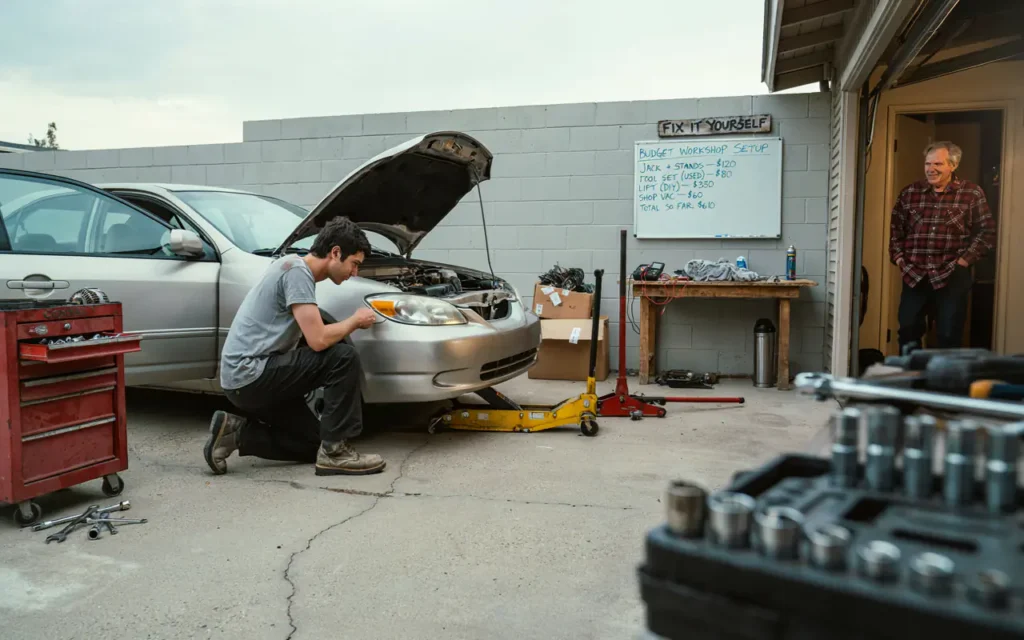
This is where many people spend too much money. You do not need the most expensive tools to set up a budget car workshop. Start with the basics and add more as you grow.
Essential Hand Tools
Every workshop needs a good set of hand tools. Here is what you should get first:
- Socket set (metric and standard sizes)
- Combination wrench set
- Screwdrivers (flathead and Phillips)
- Pliers and wire cutters
- Hammer
- Torque wrench
- Oil filter wrench
You can find good quality hand tools at reasonable prices. Look for sales at hardware stores or buy used tools from other mechanics.
Must-Have Equipment
Some equipment costs more but is worth the investment. Here are the key items for a basic workshop:
- Floor jack and jack stands: You need these to lift cars safely. A good floor jack costs about $100 to $200.
- Air compressor: Many tools run on compressed air. A small compressor is fine for starting out.
- OBD-II scanner: This diagnostic tool reads error codes from cars. You can get a basic one for under $50.
- Oil drain pan: For catching old oil during changes.
- Workbench: A sturdy table for working on parts. You can build one yourself to save money.
Consider Buying Used Equipment
Used equipment can save you a lot of money. Check online marketplaces, auctions, and local classifieds for used lifts, compressors, and diagnostic tools. Many shops sell their old equipment when they upgrade. Just make sure the equipment works properly before you buy it.
Estimated Costs for Essential Workshop Equipment
| Equipment Item | New Cost (Approx.) | Used Cost (Approx.) | Notes |
|---|---|---|---|
| Floor Jack and Jack Stands | $150 – $300 | $75 – $150 | Buy good quality for safety |
| Air Compressor | $200 – $500 | $100 – $250 | Small portable unit is fine to start |
| OBD-II Scanner | $50 – $150 | $25 – $75 | Basic model reads most error codes |
| Socket and Wrench Set | $100 – $250 | $50 – $150 | Look for sets with both metric and standard sizes |
| Workbench | $150 – $300 | $50 – $150 | Build your own for even less |
| Oil Drain Pan and Fluids | $50 – $100 | $25 – $50 | New is better for cleanliness |
| Lighting Fixtures | $100 – $200 | $50 – $100 | Good lighting helps you work accurately |
Step 5: Set Up Your Workshop Layout
How you arrange your workspace affects your efficiency and safety. A good layout helps you work faster and reduces the risk of accidents.
Plan Your Workflow
Think about the steps you take when you repair a car. Where will you park the car? Where will you keep your tools? Where will you store parts? Arrange your space so you can move easily from one task to the next.
Create a Safe Workspace
Safety should be your top priority. Make sure you have:
- A fire extinguisher within easy reach
- Proper ventilation for fumes
- Good lighting over your work areas
- Clear pathways free of clutter
- A first aid kit
Use Vertical Space for Storage
When you set up a budget car workshop, you probably do not have a lot of floor space. Use your walls and ceiling for storage. Install shelves for parts and tools. Hang items like hoses and cords on hooks. This keeps your work area clean and organized.
Build Your Own Workbenches and Shelves
Building your own furniture saves money and gives you exactly what you need. You can build a sturdy workbench from lumber for a fraction of the cost of a store-bought one. Simple shelves are also easy to build and help you stay organized.
Step 6: Market Your Workshop Without Spending Much
Getting customers is essential for any business. You do not need a big marketing budget to attract clients. There are many low-cost ways to let people know about your shop.
Use Word of Mouth
Your first customers will come from your personal network. Tell your friends, family, and former colleagues about your new workshop. Offer them a discount for their first service. Happy customers will tell others about you.
Create a Simple Website or Social Media Page
You do not need an expensive website. A simple Facebook page or Instagram account can help you show your work and connect with customers. Post photos of repairs you have done and share tips about car maintenance. This builds trust and shows your expertise.
Claim Your Google Business Profile
Many people search online for “car repair near me.” Make sure your shop shows up in these searches. Claim your Google Business Profile for free. Add your address, phone number, and hours of operation. Ask happy customers to leave reviews.
Partner with Local Businesses
Talk to nearby auto parts stores, tire shops, and gas stations. They may refer customers to you. You can also offer them a small referral fee for each customer they send your way.
Step 7: Manage Your Money Carefully
Running a business on a budget means you have to watch every dollar. Good money management helps you stay in business and grow over time.
Track All Your Income and Expenses
Keep records of every transaction. This helps you see where your money goes and plan for the future. You can use simple spreadsheets or accounting software.
Set Up Accounts with Parts Suppliers
Most parts suppliers offer credit terms to businesses. This means you can buy parts now and pay for them later. This helps with cash flow, especially in the early months.
Price Your Services Correctly
Make sure you charge enough to cover your costs and make a profit. Include the cost of parts, your time, and a margin for overhead. Do not be afraid to charge what you are worth. Customers will pay for good, honest work.
Monthly Operating Costs for a Budget Workshop
| Expense Category | Estimated Monthly Cost | Notes |
|---|---|---|
| Rent | $500 – $1,500 | Depends on location and size |
| Utilities | $150 – $400 | Electricity, water, internet |
| Insurance | $60 – $150 | General liability and garage keepers |
| Parts Inventory | $200 – $500 | Replenish as you use |
| Marketing | $50 – $200 | Social media, signs, flyers |
| Maintenance | $50 – $150 | Shop cleaning, tool repair |
| Total | $1,010 – $2,900 | Varies based on your specific situation |
Step 8: Build a Strong Reputation
Your reputation is your most valuable asset. When customers trust you, they come back and bring their friends. Here is how to build a great reputation.
Be Honest with Customers
Always tell customers the truth about their car’s condition. Explain what needs to be fixed and why. Give them clear estimates before you start work. If you find a new problem, call them and explain it before you do the work.
Do Quality Work
Take pride in every job you do. Double-check your work and make sure everything is done right. A small mistake can lead to a big problem for the customer and damage your reputation.
Offer Good Customer Service
Be friendly and helpful. Answer questions clearly. Return phone calls promptly. These small things make a big difference in how customers see you.
Common Mistakes to Avoid When You Set Up a Budget Car Workshop
Learning from others’ mistakes can save you time and money. Here are some common pitfalls to watch out for.
Buying Too Many Tools at Once
It is tempting to buy every tool you see. But you do not need everything right away. Start with the basics and add tools as you need them for specific jobs.
Underestimating Startup Costs
Many new business owners are surprised by how much it costs to get started. Make a detailed list of all your expenses and add a buffer for unexpected costs.
Neglecting the Business Side
Being a good mechanic does not automatically make you a good business owner. Take time to learn about marketing, accounting, and customer service. These skills are just as important as your technical skills.
Setting Prices Too Low
Some new shops charge very low prices to attract customers. This can hurt your business in the long run. You need to charge enough to cover your costs and make a profit. Fair prices attract serious customers who value quality work.
“Success in the auto repair business comes from doing honest work at a fair price. Customers remember how you treat them, not just how you fix their car.” – Tommy Johnson, owner of Johnson’s Auto Care
Frequently Asked Questions
How much does it cost to set up a budget car workshop?
The cost varies a lot depending on your location and what equipment you buy. You can start with as little as $2,000 to $5,000 if you already have a space and buy used tools. A more complete setup might cost $10,000 to $20,000. The key is to start small and grow over time.
Do I need a special license to open a car repair shop?
Yes, most places require a business license and possibly a special permit for auto repair. Check with your local government to find out what you need. You may also need environmental permits for handling waste oil and other fluids.
What insurance do I need for my workshop?
At a minimum, you need general liability insurance. This covers you if someone gets hurt or if you damage a customer’s car. Garage keepers insurance is also a good idea because it covers customer vehicles while they are in your care.
Can I run a car repair shop from my home garage?
In many areas, yes. But you need to check your local zoning laws. Some places allow home-based businesses, while others do not. You may also need a special permit.
What tools do I need to start?
Start with a good set of hand tools: sockets, wrenches, screwdrivers, and pliers. You will also need a floor jack, jack stands, an air compressor, and an OBD-II scanner. Buy used equipment when possible to save money.
How do I find customers for my new shop?
Start with word of mouth. Tell everyone you know about your new business. Create a simple website or social media page. Claim your Google Business Profile so people can find you online. Ask happy customers to leave reviews.
How much should I charge for my services?
Look at what other shops in your area charge. Set your prices to be competitive but not too low. Make sure you cover your costs and make a profit. You can always adjust your prices as you learn more about your market.
Is it better to specialize or offer general repairs?
When you are on a budget, specializing is often better. It lets you buy fewer tools and become an expert in a specific area. You can always add more services later as you grow.
Conclusion
Starting your own auto repair shop is a big dream for many mechanics. You can make that dream come true even if you do not have a lot of money. The key is to plan carefully, make smart choices, and grow slowly.
To set up a budget car workshop, you need to focus on what really matters. Find a cheap location, buy only the tools you need, and handle the legal stuff correctly. Market your business through word of mouth and online platforms. Manage your money well and always put your customers first.
Remember, every successful shop started somewhere. Many of the busiest auto repair businesses began in small garages with basic tools. What made them successful was not expensive equipment. It was hard work, honest service, and a commitment to doing good work.
Take the first step today. Write down your plan, start looking for a space, and begin buying your tools. With patience and effort, you can build a workshop that serves your community and provides a good living for you and your family.
“The best time to start your own business was yesterday. The second best time is today.” – Sarah Mitchell, small business coach
“Do not wait for the perfect moment. Start where you are, use what you have, and do what you can.” – Arthur Boyd, author of “Starting Small, Thinking Big”
Your journey to owning a successful auto repair shop starts now. Set up a budget car workshop that fits your needs and your budget. Learn as you go, improve every day, and watch your business grow. You have the skills and the drive. Now you have the plan. Go make it happen.
Related posts
 How to Strengthen Weak Nails: A Practical Guide to Daily Care
Learn how to strengthen weak nails with simple daily habits, protective care, and targeted hydration. Restore your natural nail strength today. Weak, peeling, or brittle nails…
 What Sounds Do Cats Dislike? 7 Noises That Stress Your Pet
Discover what sounds do cats dislike and why. Learn how to protect your cat’s sensitive hearing from stressful household noises and high-frequency hums. Cats dislike sounds…
 Restoring Faded Black Clothing: Practical Methods and Reality Checks
Can you restore faded black clothing? Learn the difference between temporary color revival and permanent redyeing, plus how to prevent future fading. You can restore the…