
How To Restart Fitness After Long Break
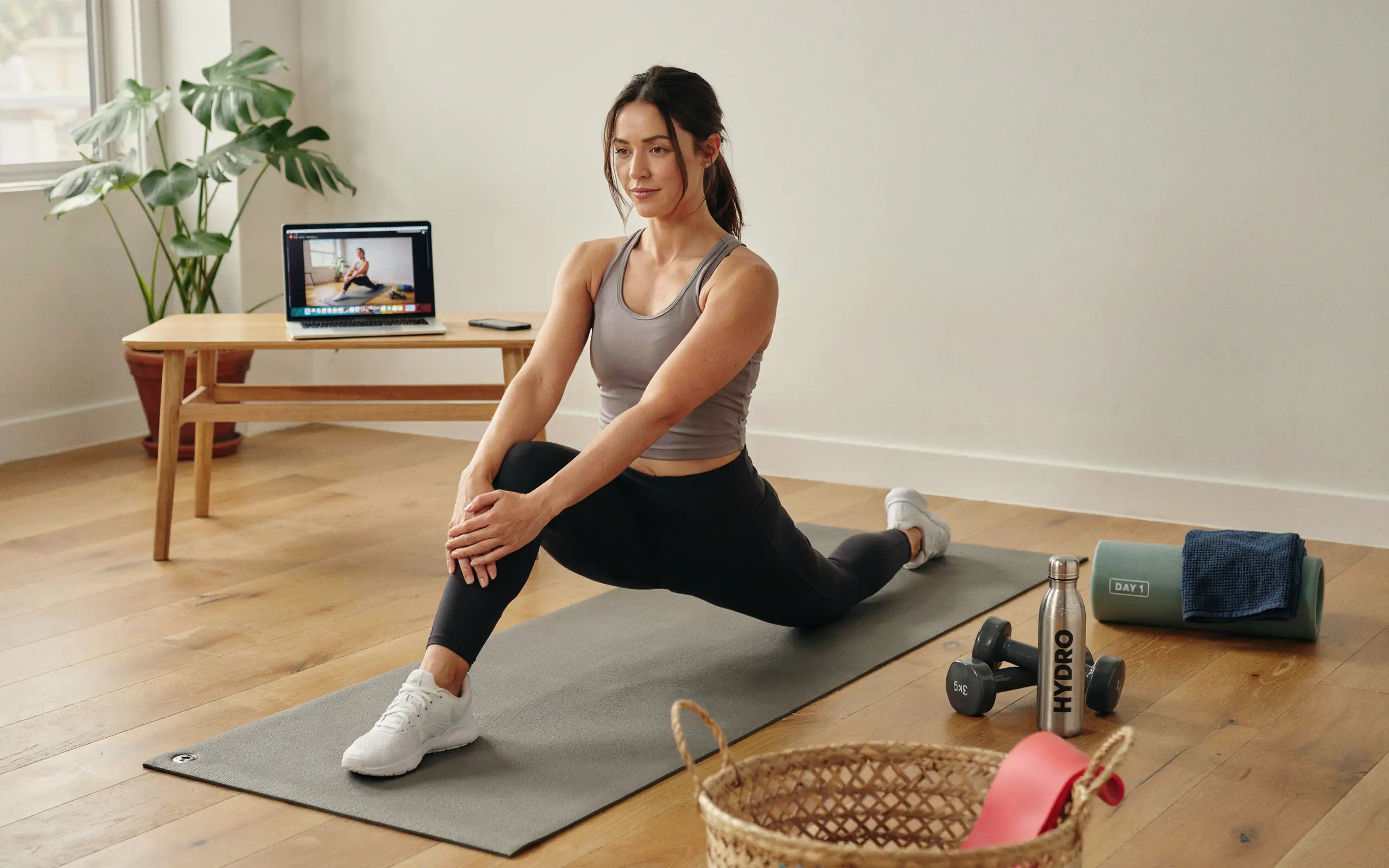
If you want to restart fitness after a long break, the best way is to start slowly, set small goals, and focus on consistency over intensity. This guide shows you exactly how to begin again safely.
So, you are ready to get moving again. That is a great decision. Maybe life got busy. Perhaps an injury kept you on the sidelines. Or maybe you just lost the motivation for a while. Whatever the reason, you are here now, and that is what counts.
The thought of a restart fitness after long break can feel heavy. Your mind might remember how strong you used to be. You might compare your current self to your past self. Stop doing that right now. This is a new chapter.
You are not starting from zero. You are starting from experience. Your body remembers how to move. Your mind knows the benefits. We just need to wake those memories up gently.
This guide is for you. It is a simple, safe, and friendly plan to help you restart fitness after long break. We will cover the mindset, the physical steps, and the nutrition needed to make this comeback stick.
Why It Feels So Hard to Start Again
Let’s be honest. The first step is often the hardest. You might feel stiff. You might feel clumsy. You might feel like you have lost all your previous gains.
This is normal. When you stop training, your body adapts to rest. Your cardiovascular endurance drops. Your muscle strength decreases. This is called detraining.
But here is the good news. Muscle memory is real. The neural pathways you built before are still there. When you restart fitness after long break, those pathways reactivate faster than they were built initially. It will come back quicker than you think.
The mental block is often bigger than the physical one. You might be afraid of failure. You might be worried about injuries. This is where we start. We will take this slow and steady.

Phase 1: The Mental Prep Work
Before you put on your shoes, prepare your mind. This is the most important phase.
Accept Your New Starting Point
Forget your old personal bests. They belong to a different version of you. That version had a different routine. That version didn’t have the same stress or schedule.
Accept where you are right now. This is your new baseline. If you could walk for 10 minutes today, that is your starting point. It is perfect because it is true.
Set Realistic and Small Goals
You want to restart fitness after long break in a way that lasts. This means you cannot go too hard too fast.
Instead of saying, “I want to run a marathon,” say, “I want to run for 10 minutes without stopping.” Small wins build momentum. They give you a sense of achievement.
- Week 1 Goal: Move for 15 minutes a day, 3 times a week.
- Week 2 Goal: Increase the time by 5 minutes or the intensity slightly.
This method works. It builds confidence. It makes the process less scary.
Find Your “Why”
Why do you want to restart fitness after long break?
- Is it to have more energy for your kids?
- Is it to sleep better?
- Is it to feel stronger in your daily life?
- Is it to manage stress?
Connect with that reason. Write it down. Put it on your mirror. When you feel like quitting, remind yourself of that “why.”
Phase 2: The Physical Comeback Plan
Now we move to the body. This plan is designed for safety and success. We will focus on three areas: Movement, Strength, and Flexibility.
Start with Low-Impact Movement
Do not hit the ground running, literally. The best way to restart fitness after long break is by starting with low-impact activities.
- Walking: This is underrated. Walking is fantastic for your heart and joints.
- Cycling: A stationary bike or a regular one is gentle on the knees.
- Swimming: This is full-body and easy on the joints.
- Elliptical: Good for cardio without the harsh impact.
Start with 15 to 20 minutes. Do this for the first week. See how your body feels. There is no rush. You are building a habit.
Rebuild Core Strength
Your core is your foundation. It supports your back, your balance, and your posture. It is essential to strengthen this before you lift heavy weights.
Here are some simple core exercises to restart fitness after long break:
- Planks (Knee Version): Hold for 20 seconds.
- Bird-Dog: On all fours, extend one arm and the opposite leg.
- Glute Bridges: Lie on your back, knees bent, lift your hips.
- Dead Bug: Lie on your back, lift your legs and arms, and gently move them.
You can do these at home. They do not require equipment. Do 2 sets of 10 reps for each exercise.
Introduce Resistance (Bodyweight First)
You do not need a gym membership to restart fitness after long break. Your body weight is a powerful tool.
- Squats: Stand with feet hip-width apart. Sit back as if you are sitting in a chair. Keep your chest up.
- Lunges: Step forward and lower your back knee. Do not let your front knee go past your toes.
- Push-ups (Knee Version): This is a great way to build upper body strength.
- Rows (with bands): If you have resistance bands, use them to pull towards you.
Start with 1 set of 8 to 10 reps. Focus on form over speed. Good form prevents injuries. Good form makes the exercise effective.
The Importance of Rest Days
This is a critical point. When you restart fitness after long break, your body is not used to stress. The tissue needs time to repair.
Rest days are not lazy days. They are growth days. Your muscles repair and get stronger on these days.
- Schedule: Plan for at least one rest day between workout days.
- Active Rest: You can still walk or stretch on rest days. Just keep it very light.
| Phase of Comeback | Frequency | Duration | Intensity Level |
|---|---|---|---|
| Week 1-2 | 2-3 days/week | 15-20 min | Very Low (You can sing) |
| Week 3-4 | 3 days/week | 20-30 min | Low (You can talk) |
| Week 5-6 | 3-4 days/week | 30-45 min | Moderate (Short phrases) |
This table shows a safe progression.
“The secret of getting ahead is getting started.” – Mark Twain
Mark Twain was right. The hardest part is the first step. Once you start the first workout, the rest is easier.
Nutrition: Fueling the Comeback
Exercise is one part of the puzzle. Nutrition is the other. You need to give your body the right fuel to perform and recover.
Protein for Repair
When you exercise, you create micro-tears in your muscle fibers. Protein helps rebuild these fibers. This makes you stronger.
Make sure you eat protein at every meal. Good sources are:
- Chicken
- Fish
- Eggs
- Greek Yogurt
- Beans and Lentils
- Tofu
Carbs for Energy
Carbohydrates are not your enemy. They are your body’s primary fuel source. They give you energy for your workouts.
Choose complex carbs. These provide steady energy without the crash.
- Oats
- Brown Rice
- Sweet Potatoes
- Whole Wheat Bread
- Quinoa
Hydration is Key
Water is crucial for every function in your body. It regulates temperature and lubricates joints.
- Drink water before, during, and after your workouts.
- A good rule is to drink half your body weight in ounces of water daily.
Listen to Your Hunger Cues
When you restart fitness after long break, your metabolism may shift. You might feel hungrier. This is normal. You are burning more energy.
However, do not use exercise as an excuse to eat junk. Focus on nutrient-dense foods. These will fill you up and help you recover.
| Fuel Type | Purpose | Best Sources |
|---|---|---|
| Protein | Muscle repair and growth. | Lean meats, eggs, beans, Greek yogurt. |
| Carbohydrates | Sustained energy for workouts. | Oats, brown rice, sweet potatoes, fruit. |
| Fats | Hormone balance and joint health. | Avocado, nuts, olive oil, fish. |
Overcoming Common Hurdles
Let’s talk about the obstacles. You will face them. It is part of the process. Here is how to manage them.
Dealing with Soreness
Delayed Onset Muscle Soreness (DOMS) is common. This is the pain you feel 24-48 hours after a workout.
- Do not panic: This is a sign your muscles are adapting.
- Move gently: Light walking helps blood flow and can ease the pain.
- Stretch: Incorporate some gentle stretching after your warm-up.
- Foam roll: This can release tightness.
If you are very sore, take an extra rest day. It is better to take a day off than to risk injury.
Finding Time
“I don’t have time” is the biggest excuse. We all have the same 24 hours. It is about priority.
- Short Workouts: You don’t need an hour. A 15-minute workout is effective.
- Schedule It: Put it on your calendar. Treat it like a meeting.
- Wake Up Early: 20 minutes in the morning can change your whole day.
- Use Your Lunch: Go for a quick walk or do a desk workout.
Staying Motivated
Motivation is a feeling. It comes and goes. We cannot rely on it. We need discipline.
- The 5-Minute Rule: Tell yourself you will just do 5 minutes. Usually, you will keep going.
- Track It: Write down your workouts. Seeing progress is motivating.
- Find a Friend: Having a workout buddy makes you accountable.
- Celebrate Small Wins: Did you work out for 3 days in a row? Celebrate that.
“It’s not about perfect. It’s about effort.” – Jillian Michaels
Jillian Michaels knows what she is talking about. You don’t need to do a perfect workout. You just need to show up and try.
Tracking Your Progress
You need to know if you are improving. This keeps you going.
Do not just look at the scale. The scale can lie. It does not tell you if you are losing fat and gaining muscle.
- Take Measurements: Measure your waist, hips, and arms.
- Progress Photos: Take a photo once a month. You will see changes the scale misses.
- Performance Metrics: Can you walk farther? Can you lift heavier? This is huge progress.
When you restart fitness after long break, these metrics are more important than weight.
The First 30 Days: A Sample Schedule
Here is a simple plan. You can follow this exactly or adjust it to your needs.
- Week 1:
- Monday: 15 min walk + 5 min stretching.
- Wednesday: 15 min walk + 5 min stretching.
- Friday: 15 min walk + 5 min stretching.
- Week 2:
- Monday: 20 min walk + Core workout (2 sets).
- Wednesday: 20 min walk + Core workout (2 sets).
- Friday: 20 min walk + Core workout (2 sets).
- Week 3:
- Monday: 25 min walk + Bodyweight Squats and Push-ups.
- Wednesday: 25 min walk + Bodyweight Squats and Push-ups.
- Friday: 25 min walk + Bodyweight Squats and Push-ups.
- Week 4:
- Monday: 30 min walk + Full body routine.
- Wednesday: 30 min walk + Full body routine.
- Friday: 30 min walk + Full body routine.
This is a basic guide. As you feel stronger, you can increase the difficulty.
The First Workout: What to Do
Let’s get specific. Here is your first official workout. Do this after a warm-up.
Warm-up (5 minutes):
- Jumping jacks (30 seconds)
- Arm Circles (30 seconds forward, 30 seconds back)
- Leg Swings (30 seconds each leg)
- Walking in place
The Workout (Circuit Style):
Do each exercise for 45 seconds. Rest for 15 seconds between each. Repeat the circuit 2 times.
- Squats: Stand tall. Sit back and down.
- Wall Push-ups: Place hands on the wall. Bend elbows and push back.
- Glute Bridges: Lie down. Push hips up.
- Bird-Dog: On all fours. Extend opposite arm and leg.
- Plank (Knee): Hold a straight line from head to knees.
Cool-down (5 minutes):
- Walk slowly.
- Stretch your quads.
- Stretch your chest.
- Stretch your back.
This is enough to restart fitness after long break. It is challenging but doable.
Listening to Your Body
This is the most important rule. You need to listen to your body.
- Sharp Pain: This is a warning sign. Stop immediately.
- Dizziness: Stop and sit down. Drink some water.
- Unusual Fatigue: You might be pushing too hard.
It is okay to modify. It is okay to stop. It is better to be safe than sorry. You want to be able to work out tomorrow.
Creating a Sustainable Lifestyle
We do not want a quick fix. We want a long-term change. How do we make it stick?
- Make it Fun: If you hate running, don’t run. Try dancing. Try hiking. Try a sport. Find what you love.
- Mix it Up: Doing the same thing gets boring. Try a new class. Try a new route.
- Plan for Obstacles: Life happens. Know that you will miss a workout. That is okay. Just get back on track the next day.
The goal is to build a habit. A habit that becomes part of your identity. This is how you restart fitness after long break successfully.
“Success is the sum of small efforts, repeated day in and day out.” – Robert Collier
Robert Collier highlights the power of consistency. It’s not about one big workout. It is about the small daily actions.

Frequently Asked Questions
How often should I work out when I restart fitness after a long break?
Start with 2 to 3 days per week. This gives your body time to recover. As you get stronger, you can increase to 4 or 5 days.
Is it normal to be sore when I restart fitness after a long break?
Yes, it is very normal. This soreness is called DOMS. It usually peaks 48 hours after a workout. Gentle movement and stretching can help.
What if I feel like I have lost all my strength when I restart fitness after a long break?
That is expected. Your body detrained. But muscle memory will help you. You will gain strength back much faster than the first time.
What should I eat right after a workout to help recovery?
You should eat a mix of protein and carbs within an hour of finishing. For example, a banana with peanut butter, or a protein shake.
How do I avoid injury when I restart fitness after a long break?
Warm up properly. Cool down after. Do not increase your workout time or intensity by more than 10% each week. Most importantly, listen to your body.
Conclusion
You have made a decision to change. That decision is powerful. You want to restart fitness after long break, and now you have a plan.
Remember to be kind to yourself. This is a process. There will be good days and hard days. Do not let a bad day stop you. Just start again the next day.
Focus on progress, not perfection. Celebrate the small wins. Enjoy the feeling of moving your body again. You are doing this for your health, your happiness, and your future self.
Put on your shoes. Get out there. Your body is waiting. You have got this. Your comeback starts right now.
Related posts
 Why Do Dogs Stare at Walls? Common Causes and When to Worry
Wondering why do dogs stare at walls? Discover the sensory, behavioral, and medical reasons behind this behavior, and learn when to contact your veterinarian. When you…
 How to Test Car Wiring for Continuity Using a Multimeter
Learn how to test car wiring for continuity safely. Find broken automotive wires, check connector ports, and diagnose electrical issues with a multimeter. Testing car wiring…
 Why Organizing Space Reduces Stress: The Mental Clarity Connection
Discover why organizing space reduces stress. Learn how a tidy environment lowers cortisol, improves focus, and creates a sense of calm in your daily life. Organizing…