
How To Make Workouts Enjoyable
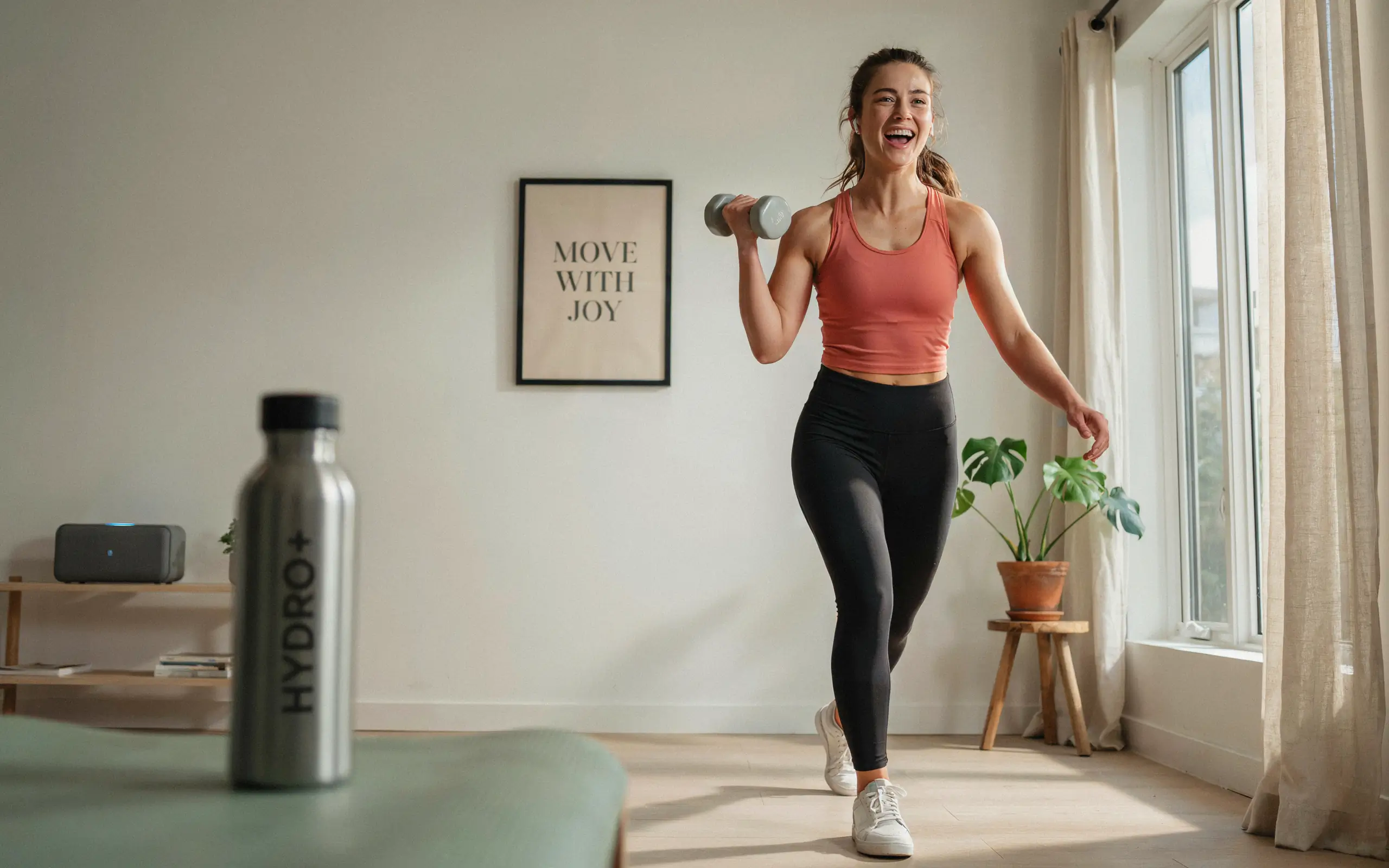
Learn how to make workouts enjoyable with simple, science-backed strategies. This guide shares fun ideas, social tips, and mindset shifts to help you actually look forward to exercise.
Let’s be honest for a second. How many times have you started a fitness routine with all the excitement in the world, only to find yourself dreading it by the second week? You are not alone in this. Many people struggle to stick with exercise because it feels like a chore. It feels like something you have to do, not something you want to do.
The good news is that it does not have to be this way. The secret to staying active for life is not about having more willpower. It is about learning how to make workouts enjoyable. When you actually enjoy what you are doing, exercise stops feeling like punishment. It becomes something you look forward to. This shift in perspective is the key to building a healthy habit that lasts.
Research supports this idea completely. A study of 273 exercisers found that enjoyment predicts habit formation, the intention to continue, and how often people work out. As behavior change expert Dr. Heather McKee puts it, “Enjoyment isn’t a nice-to-have, it’s a behavioural signal”. This means your brain uses enjoyment as a cue to keep doing something. If a workout feels good, your brain wants to repeat it. If it feels bad, your brain tries to avoid it. It is that simple.
So, how do you actually make this happen? How do you transform your relationship with exercise from dread to delight? This guide will walk you through practical, proven strategies to make workouts enjoyable. We will cover everything from choosing the right activities to changing your mindset, making it social, and using fun tools like music and games. By the end, you will have a clear plan to turn fitness into a rewarding part of your day.
Why Enjoyment Matters More Than You Think
Many people believe that exercise has to be hard, sweaty, and miserable to be effective. This is a myth. The most effective workout is the one you will actually do consistently. If you hate running, forcing yourself to run every day is not going to work long term. You might stick with it for a few weeks out of sheer determination, but that determination will eventually run out.
Enjoyment is the fuel that keeps you going. When you make workouts enjoyable, you are more likely to show up, put in effort, and keep coming back. This consistency is what leads to real results, not the intensity of any single session.
A UCLA Health sports medicine specialist, Dr. Josh Goldman, emphasizes this point clearly. He advises people to “choose an activity you genuinely enjoy” because “when exercise is enjoyable, people are far more likely to stick with it over the long term”. This is not just common sense; it is backed by science. Studies show that exercise enjoyed during leisure time is more beneficial for mental health than physical activity performed out of obligation. The benefits go beyond just physical health. Enjoyable movement reduces stress, improves mood, and supports overall mental well-being.
The Science of Fun
What happens in your brain when you enjoy a workout? Your body releases endorphins, which are natural mood elevators. You also get a boost of dopamine, the “feel-good” neurotransmitter associated with reward and motivation. This chemical cocktail makes you feel happy, reduces stress, and creates a positive association with the activity you just did.
On the flip side, if a workout is miserable, your brain releases stress hormones like cortisol. Over time, this can make you associate exercise with anxiety and discomfort. No wonder you want to skip it!
The goal is to create a positive feedback loop. You want your brain to think, “That felt good. Let’s do that again.” This is how you make workouts enjoyable and build a sustainable habit.
Find Your “Why” and Let It Guide You
Before you even think about what type of exercise to do, take a moment to reflect on why you want to be active in the first place. Your “why” is your personal reason for moving your body. It is the deep motivation that will keep you going when your initial enthusiasm fades.
Your reason does not have to be complicated. It could be:
- To have more energy to play with your kids or grandkids.
- To reduce stress and feel calmer.
- To sleep better at night.
- To feel stronger and more capable in your daily life.
- To manage a health condition.
- To simply feel good in your own skin.
Connecting your workout choices to personal values creates meaningful motivation that goes beyond physical appearance. When you know your why, you can choose activities that directly support that goal. If your goal is stress relief, a gentle yoga class or a walk in nature might be perfect. If your goal is to feel strong, you might enjoy weightlifting or bodyweight exercises.
Write your why down and keep it somewhere you can see it. This simple act can help you stay focused and make workouts enjoyable because every session feels purposeful.
Match Your Workout to Your Personality
One of the most effective ways to make workouts enjoyable is to choose activities that fit your personality. Not everyone is built for the same type of exercise, and that is perfectly okay.
Research published in Frontiers in Psychology found that our personality traits influence what types of exercise we enjoy most. For example, people who are outgoing and score high on extraversion tend to enjoy high-intensity sessions with others around, including team sports. On the other hand, people who score high on neuroticism often prefer private workouts. They might still enjoy high intensity, but they need short breaks in between.
Think about your own personality. Are you a social person who thrives in groups? Then a group fitness class, a sports league, or a running club might be a great fit. Are you someone who prefers quiet, solo activities? Then running, swimming, cycling, or following a workout video at home could be more your style.
Dr. Flaminia Ronca, the lead author of the study, explains, “Our brains are wired in different ways, which drives our behaviors and how we interact with our environment”. So, it makes sense that your workouts should be wired to fit you, too.
Matching Workouts to Your Personality
| Your Personality Trait | Workout Styles That Might Fit |
|---|---|
| Extraverted (Outgoing, Social) | Team sports (basketball, soccer), group fitness classes, running clubs, partner workouts, dance classes. |
| Introverted (Quiet, Solitary) | Solo running, swimming, cycling, weightlifting, home workout videos, yoga, Pilates. |
| Conscientious (Organized, Disciplined) | Structured programs with clear goals, like a 12-week strength plan, training for a race, or following a specific app-based routine. |
| Open (Curious, Adventurous) | Trying new things like aerial yoga, rock climbing, kickboxing, paddleboarding, or dance styles you have never done before. |
| Neurotic (Anxious, Prone to Stress) | Private workouts, gentle yoga, Pilates, walking in nature, or any activity with a calming, low-pressure environment. |
Ditch the “All or Nothing” Mindset
A huge barrier to making exercise enjoyable is the belief that you have to do a lot for it to “count.” This “all or nothing” thinking sets you up for failure. If you miss a day or have a short workout, you might feel like you failed and give up entirely.
This could not be further from the truth. Even 10 minutes of movement is valuable. Short workouts are not a waste of time. They are a win. They keep the habit alive and give you a boost of energy and good feelings.
Dr. Josh Goldman advises people to “start low and go slow”. He emphasizes that “establishing consistency is far more important than doing too much too soon”. This approach helps reduce the risk of injury and prevents people from becoming discouraged early on.
Give yourself permission to do less. If you are not feeling a 60-minute workout, do 15 minutes. If you do not want to go to the gym, go for a walk around the block. The goal is to keep moving and to make workouts enjoyable by removing the pressure. When exercise feels manageable, you are much more likely to do it again tomorrow.
The Power of Temptation Bundling
One of the smartest psychological tricks to make workouts enjoyable is called “temptation bundling.” This is a fancy term for a simple idea: pair something you want to do with something you need to do.
In a large study with over 6,000 participants, researchers found that when people were told to pair their exercise session with a pleasurable audiobook they only listened to when they exercised, it boosted their likelihood of doing a weekly workout by 10 to 14%. That is a significant increase from such a simple change.
Here is how you can apply this:
- Only listen to your favorite podcast or audiobook while you walk or run.
- Watch your favorite TV show only while you are on the treadmill or stationary bike.
- Call a friend or family member you love talking to while you take a walk.
- Treat yourself to a fancy coffee or smoothie only after you finish your workout.
Psychologists Dr. Diana Hill and movement expert Katy Bowman explain this concept in their book. They suggest thinking about the type of exercise you are trying to motivate yourself to do, then coming up with fun, enjoyable activities you can do at the same time. For example, Katy Bowman says she loves rocking out to music but struggles to find time for it. For her, heading out for a walk is just as much about a chance to listen to music uninterrupted as it is about the exercise.
This strategy works because it gives you an immediate reward. You are not just exercising for some future benefit. You are getting a treat right now. This is a powerful way to make workouts enjoyable and something you actually anticipate.
Make It a Social Event
Humans are social creatures. We are wired to connect with others, and exercise is no exception. Working out with a friend, family member, or group can significantly boost your enjoyment and accountability.
When you have a workout buddy, you are less likely to skip a session. You do not want to let the other person down. This sense of shared commitment makes it much harder to make excuses. As one reader told the British Heart Foundation, “Making a commitment with a friend is a motivator”. Another reader shared, “When I’m walking with a friend, I’m so busy chatting, I don’t notice how many steps I’m doing and I go further than usual”.
The social aspect of exercise can take many forms:
- Join a group fitness class at your local gym or community center.
- Find a running or walking group in your area.
- Play a recreational sport like pickleball, basketball, or soccer.
- Schedule regular workout dates with a friend.
- Join an online fitness community for support and encouragement.
Even if you prefer to work out alone, you can still add a social element. You can share your progress with a friend, use a fitness app with leaderboards, or listen to recordings of cheering crowds. The key is to find a way to feel connected, which helps make workouts enjoyable and keeps you motivated.
Use Music to Boost Your Mood
Music is one of the simplest and most effective tools to make workouts enjoyable. It is not just background noise. Music has a real, measurable impact on your brain and body during exercise.
Listening to rhythmic, high-tempo music activates reward centers in the brain and reduces how hard the workout feels. Studies have shown that upbeat music with strong rhythms can keep us motivated to move and distract us from mild discomfort. Music does not just make workouts more enjoyable; it also changes how your brain and body respond to effort.
Here is how to use music strategically:
- Match the tempo to your activity: For endurance training like running or cycling, look for music around 120 to 140 BPM. For high-intensity intervals, choose songs with a faster tempo of 150 to 170 BPM.
- Choose music you love: Your personal preference matters. Music you enjoy triggers a dopamine release, which boosts your mood and motivation.
- Create a dedicated workout playlist: Having a go-to playlist can help you get into the right mindset before you even start moving.
- Use music to recover: After an intense session, slower music can help you cool down and relax mentally.
Whether you are at the gym, running outside, or working out at home, a good playlist can transform your experience. It is a simple way to make workouts enjoyable and push through tough moments.
Bring Back the Fun of Being a Kid
Think back to when you were a child. What did you love to do? Did you enjoy riding your bike, climbing trees, playing tag, or hula hooping? Chances are, you were getting a great workout without even realizing it.
You can still enjoy these activities today. Exercise does not have to look like a traditional gym session. It can be play. Rediscovering the activities you loved as a kid is a wonderful way to make workouts enjoyable.
Here are some ideas:
- Hula hooping: It is a fantastic core workout and surprisingly fun. One reader told the British Heart Foundation, “I attend a local group for hulahooping across the age ranges. I hadn’t hula-hooped for over 60 years and it came back to me very easily”.
- Jumping rope: This is an excellent cardio workout that you can do almost anywhere.
- Playing a sport: Join a recreational league for basketball, soccer, volleyball, or tennis.
- Skateboarding or rollerblading: These activities work your balance and leg muscles.
- Flying a kite or throwing a frisbee: These might not be intense workouts, but they get you outside and moving.
- Dancing: Put on your favorite music and dance around your living room. It is a fantastic full-body workout.
The best workout is the one that gets you moving and smiling. Do not be afraid to be a little silly and have some fun with it.
Gamify Your Fitness Routine
Turning your workout into a game is another excellent strategy to make workouts enjoyable. Gamification adds an element of challenge, competition, and reward that can make exercise feel less like work and more like play.
Here are some ways to gamify your fitness:
- Use fitness apps: Many apps track your steps, distance, and calories burned. They often include challenges, badges, and leaderboards to keep you engaged.
- Try “Fitness Roulette”: Write different exercises on pieces of paper, put them in a jar, and draw one for each workout segment. You never know what you will get next!
- Create a bingo card: Make a bingo card with different exercises or activities. Try to get a “bingo” by completing a row or column during the week.
- Use apps like Pokémon GO or Geocaching: These apps turn walks into digital treasure hunts.
- Track your micro-wins: Instead of only focusing on big goals, celebrate small victories. Did you show up on a day you did not feel like it? Did you improve your form? Did you walk a little further than last week? These are all wins worth celebrating.
When you add a game-like element to your workouts, you shift your focus from the effort to the fun. This is a powerful way to make workouts enjoyable and keep you coming back for more.
Change Your Environment
Sometimes, all it takes to make workouts enjoyable is a change of scenery. The environment you exercise in can have a big impact on how you feel.
If you are tired of the gym, try moving your workout outdoors. Exercising in nature has been shown to lead to higher positive emotions like joy and satisfaction, and lower negative emotions like anxiety. Fresh air, natural light, and green spaces reduce stress, making outdoor movement a powerful tool for both physical and mental health.
Here are some ideas for changing your environment:
- Walk or run in a new park or neighborhood.
- Try a “10-10-10” workout: Do 10 minutes of one activity, 10 minutes of another, and 10 minutes of a third.
- Take your workout to the beach or a local trail.
- If you are at home, create a dedicated workout space: Make it inviting with good lighting, a clean layout, and maybe a special playlist.
- Go to a different gym or fitness studio for a change of pace.
Even small changes can make a big difference. Just walking or running in the opposite direction on your usual route can be stimulating. The goal is to break the monotony and keep things fresh, which helps make workouts enjoyable.
Indoor vs. Outdoor Workout Ideas
| Indoor Workouts | Outdoor Workouts |
|---|---|
| Group fitness classes (Zumba, spin, yoga) | Walking, running, or hiking |
| Weightlifting at the gym | Cycling |
| Swimming at an indoor pool | Swimming in a lake or ocean |
| Home workout videos | Team sports (basketball, soccer) |
| Treadmill or stationary bike | Outdoor yoga or Pilates |
| Climbing gym | Paddleboarding or kayaking |
| Dance classes | Gardening or yard work |
Focus on How You Feel, Not How You Look
One of the biggest mistakes people make is focusing solely on external results like weight loss or muscle gain. While these goals are not bad, they are not always enough to keep you motivated long-term. Results can be slow, and if you do not see them quickly, you might get discouraged.
A better approach is to focus on how exercise makes you feel in the moment and right after. This is called an “intrinsic” motivation. It is about moving because it feels good, not because you are trying to change your appearance.
Dr. Heather McKee advises fitness professionals to “frame workouts as feel-good experiences, not punishments” and to “encourage members to notice what feels good in terms of their energy or mood”. She points out that “there is a wealth of evidence that how someone feels during and right after exercise predicts whether they’ll return”.
So, pay attention to the positive feelings. Notice the rush of energy after a good workout. Feel the stress melt away. Appreciate the sense of accomplishment. When you connect exercise to these positive feelings, you naturally want to do it again. This is the most sustainable way to make workouts enjoyable.
Treat Yourself (The Right Way)
Rewarding yourself for your efforts is a great way to make workouts enjoyable and reinforce the habit. This is called positive reinforcement. When you give yourself a reward after a workout, your brain starts to associate exercise with a positive outcome.
The key is to choose rewards that are healthy and support your goals. Avoid using food as a reward, especially junk food, as this can create an unhealthy relationship with eating.
Here are some healthy reward ideas:
- Buy new workout clothes or gear.
- Book a massage or a relaxing bath.
- Give yourself extra time to read a book or watch a movie.
- Go to a movie or a fun event.
- Buy a new piece of fitness equipment you have been wanting.
- Simply take a moment to acknowledge your effort and feel proud of yourself.
The American Council on Exercise suggests giving yourself a small non-food-related reward after completing a workout, doing all the workouts you scheduled for yourself in a week, or when you hit a goal. This strengthens the association between effort and reward in your brain.
Be Kind to Yourself
Finally, and most importantly, be kind to yourself. Building a new habit takes time. There will be days when you do not feel like working out. There will be days when your workout does not go well. That is completely normal.
Do not beat yourself up over a missed session or a low-energy workout. Instead, practice self-compassion. Treat yourself with the same kindness you would offer a good friend.
If you do not enjoy a particular workout, do not force yourself to keep doing it. As researcher Dr. Flaminia Ronca says, “It’s ok if we don’t enjoy a particular session. We can try something else”. The goal is to experiment and find what works for you. There are countless ways to be active. You are bound to find something you love if you keep an open mind and keep trying.
Remember, the goal is to build a sustainable, loving relationship with movement. As Dr. Heather McKee puts it, “Punishing yourself at the gym is not how you build a loving, sustainable relationship with movement. What actually helps is doing activities you enjoy; leaving sessions feeling capable and wanting to do it again”.
Frequently Asked Questions
1. What if I have never enjoyed any form of exercise?
That is completely okay. It just means you have not found the right type of movement yet. Start by thinking about activities you enjoyed as a child. Consider activities that do not feel like traditional exercise, like dancing, gardening, or playing a sport. The key is to experiment with different things without pressure. Give yourself permission to try something new and stop if you do not like it. The goal is to find movement that feels good to you.
2. How can I make workouts enjoyable when I am short on time?
Short workouts are still beneficial. Even 10 minutes of movement counts. To make short sessions enjoyable, focus on doing something you like. Put on your favorite song and dance. Do a quick bodyweight circuit of exercises you enjoy. Take a brisk walk around the block. The key is to remove the pressure and just move. When you have less time, you can often push a little harder, which can be fun and rewarding in its own way.
3. Is it okay to do the same workout every day if I enjoy it?
While consistency is great, doing the exact same workout every day can lead to boredom and eventually make workouts less enjoyable. It can also lead to overuse injuries. It is a good idea to add some variety to your routine. This does not mean you have to completely change what you are doing. You could try a different route for your walk, add a few new exercises to your strength routine, or change the music you listen to. Small changes can keep things fresh and make workouts enjoyable for the long haul.
4. How do I stay motivated when I do not see results quickly?
Focus on how you feel rather than how you look. Notice if you have more energy, if you are sleeping better, or if you feel less stressed. These are real, positive results that happen quickly. Also, celebrate non-scale victories. Did you lift a little heavier? Walk a little further? Feel proud of yourself for showing up? These are all signs of progress. Remember, consistency is more important than intensity.
5. What if my friends or family do not want to work out with me?
That is okay. You can still make your workouts social in other ways. Join a group fitness class where you can meet new people. Find an online fitness community for support. You can also use technology to connect. Share your progress with a friend who lives far away, or use a fitness app that allows you to compete with or encourage others. The social element is about feeling connected, which you can achieve in many different ways.
Conclusion
Learning how to make workouts enjoyable is the single most important thing you can do for your long-term health and fitness. It is not about having more willpower or pushing through pain. It is about finding joy in movement. When you enjoy your workouts, you will do them more often. When you do them more often, you will see results. And when you see results, you will feel even more motivated. It is a beautiful, positive cycle.
Start by finding your “why.” Choose activities that fit your personality. Pair your workouts with things you love. Make it social. Use music. Play games. Change your environment. Focus on how you feel. And above all, be kind to yourself.
There is no one right way to exercise. The best workout is the one you look forward to doing. So, give yourself permission to experiment, to play, and to have fun. Your body and mind will thank you for it. Remember, you do not have to be perfect. You just have to keep moving and keep enjoying the process.
Related posts
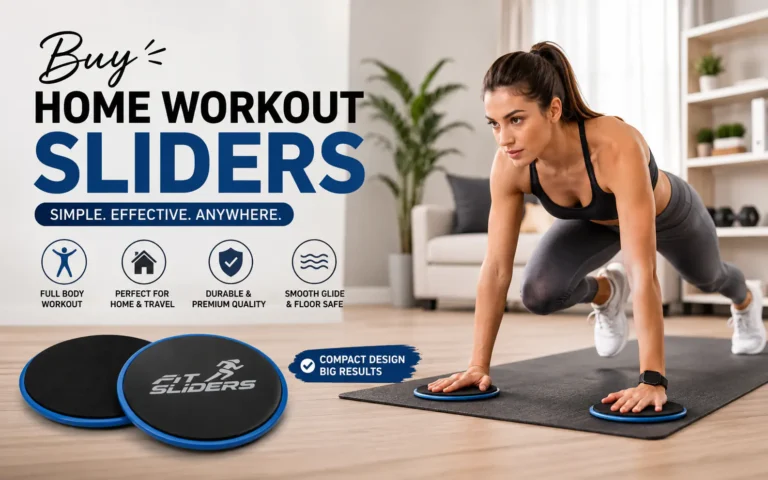 Buy Home Workout Sliders: 2026 Guide to Core Fitness Tools
Looking to buy home workout sliders? Compare top-rated gliding discs and core trainers to find the right equipment for your 2026 fitness routine. Adding core sliders…
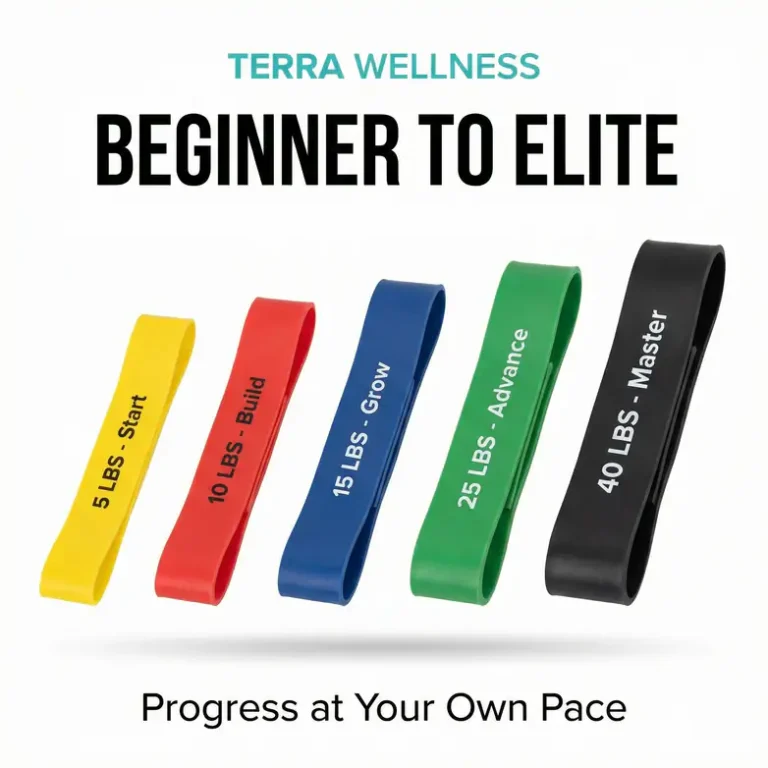 Best Resistance Bands for Beginners: 2026 Buyer Guide
Looking for the best resistance bands for beginners? Compare top-rated loop and handle sets to find the right home gym equipment for your fitness goals. Starting…
 Best Treadmill for Home Use: 2026 Buyer Guide
Finding the best treadmill for home use in 2026. Compare top-rated compact, folding, and incline models to fit your space, budget, and fitness goals. Choosing the…