
Can Fitness Fix Back Pain
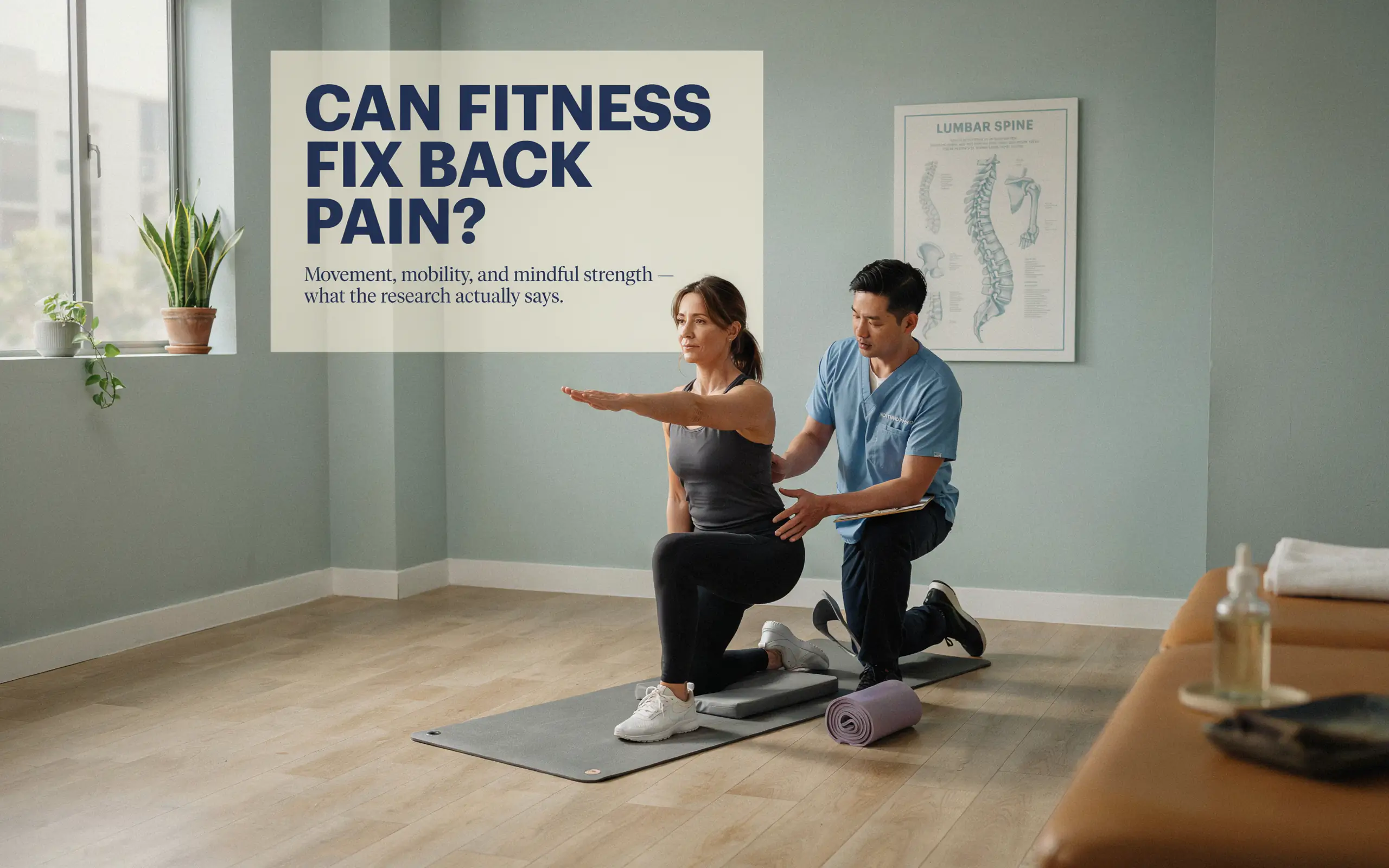
Many people ask can fitness fix back pain. The direct answer is yes for most common back pain cases. Exercise strengthens muscles, improves posture, and reduces stiffness. Regular movement often works better than bed rest. Learn safe ways to start.
You wake up with that familiar twinge in your lower back. Or maybe you have been sitting at your desk too long, and now standing up feels like a challenge. Back pain is one of those problems that almost everyone faces at some point. And the first question that comes to mind is often this: can fitness fix back pain?
I have talked to many people who think rest is the only answer. They lie down, avoid moving, and hope the pain goes away. But research tells a different story. For most types of back pain, movement is actually the cure. Not quick fixes or expensive gadgets. Just smart, consistent fitness.
Let me be clear. I am not a doctor. But I have spent years studying exercise science and helping friends and family deal with their own back issues. What I share here comes from trusted medical research and real life experience. The goal is to give you honest, useful answers without confusing terms.
So, can fitness fix back pain? The short answer is yes, but only when you do the right kind of exercise in the right way. This article will show you exactly what works, what to avoid, and how to start safely.
What Does Science Say About Fitness and Back Pain?
Scientists have studied this question for decades. And the evidence is strong. A major review published in the British Journal of Sports Medicine looked at many studies. It found that exercise reduces chronic back pain better than usual care or other treatments like painkillers.
Another large study from the American College of Physicians now recommends exercise as a first line treatment for low back pain. That means before drugs or surgery. Why? Because our spines are built to move. When we stop moving, muscles get weak. Joints get stiff. And pain often gets worse.
Think of your back like a bridge. A bridge that never gets any traffic or maintenance will rust and decay. But a bridge that carries the right amount of weight stays strong. Your spine is the same. Fitness keeps the supporting structures healthy.
| Type of Back Pain | How Fitness Helps | Expected Outcome |
|---|---|---|
| Acute (less than 6 weeks) | Gentle movement reduces stiffness | Faster recovery than bed rest |
| Chronic (over 12 weeks) | Strengthens weak muscles | Long term pain reduction |
| Mechanical (muscle strain) | Improves flexibility and posture | Prevents repeat episodes |
| Degenerative disc disease | Builds core support around spine | Slows progression and eases pain |
This table shows that different back problems respond well to different types of exercise. But the common thread is movement. So can fitness fix back pain for most of these types? Yes, research says yes for mechanical back pain, which is the most common form.
The Main Causes of Back Pain
To understand how fitness helps, you need to know what causes back pain in the first place. Most back pain is called nonspecific. That means doctors cannot find a single clear cause like a broken bone or tumor. Instead, several factors work together.
Weak core muscles are a big reason. Your core includes the deep abdominal muscles, lower back muscles, and pelvic floor. These muscles act like a natural back brace. When they are weak, your spine takes more stress with every move. That leads to pain over time.
Poor posture is another cause. Many of us spend hours hunched over phones or computers. This puts uneven pressure on spinal discs. Eventually, the discs can bulge or wear down. Tight hip flexors and hamstrings also pull on the pelvis. This changes the curve of your lower back.
Inactivity makes everything worse. A 2020 study found that people who sit for more than 8 hours a day with no exercise have much higher rates of back pain. The spine needs regular movement to pump fluid into the discs. Without that, discs become dry and brittle.
So can fitness fix back pain caused by these issues? Absolutely. Exercise directly targets weak muscles, poor posture, and inactivity. It is like fixing the root of the problem instead of just covering up the symptoms.
“Movement is medicine for the spine. The right exercise program can resolve up to 80 percent of chronic back pain cases without any other intervention.” – Dr. Stuart McGill, spine biomechanics expert
How Exercise Helps Relieve Back Pain
Exercise helps in several specific ways. It is not just about getting stronger. The benefits go deeper. Let me break down the main mechanisms.
Strengthening the Core Muscles
Your core is more than just your abs. It is a cylinder of muscles around your midsection. This includes the transverse abdominis (the deepest layer), the multifidus (small muscles along your spine), and the pelvic floor. When these muscles work together, they create internal pressure that stabilizes each vertebra.
A strong core acts like a shock absorber. When you lift something heavy or twist suddenly, the core takes the load instead of your spinal discs. Many back pain patients have weak core activation. Their brains forget how to engage these muscles properly. Fitness retrains that brain muscle connection.
Simple exercises like planks, bird dogs, and dead bugs are great starting points. You do not need heavy weights. Body weight is enough for most people. The key is slow, controlled movement with proper form. Over weeks and months, you build a natural brace that protects your back all day long.
Improving Flexibility and Mobility
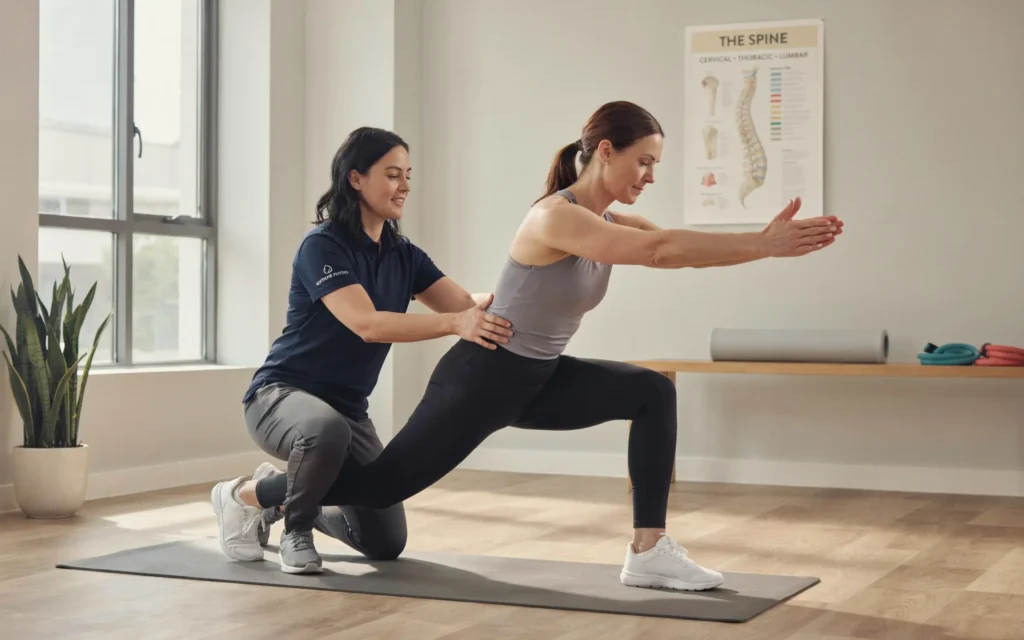
Tight muscles pull your spine out of alignment. For example, tight hamstrings flatten the lower back curve. Tight hip flexors tilt the pelvis forward. Both cause extra stress on spinal joints. Stretching these tight areas helps restore normal movement patterns.
But do not just stretch the back itself. Stretching the hamstrings, hip flexors, quads, and chest often helps more than stretching the back. Why? Because back pain is rarely just a back problem. It is a whole body movement problem. Your fitness routine should include stretches for all major muscle groups.
Mobility is different from flexibility. Mobility means how well your joints move through their full range. Your spine needs mobility in the upper back (thoracic spine) especially. Many people have stiff upper backs. They then overuse the lower back for twisting and bending. That leads to pain. Thoracic mobility exercises like open books and cat cow stretches help fix this.
Boosting Blood Flow for Healing
Pain signals often come from areas with poor blood flow. When you exercise, your heart pumps more blood. This brings oxygen and nutrients to spinal tissues. It also carries away inflammatory waste products. That is why gentle movement often reduces pain right away.
Think of it like this. A stiff, painful joint is like a rusty hinge. Moving it back and forth spreads oil (blood) around the joint. The rust (inflammation) starts to break up. Within minutes, the hinge moves more freely. Your back responds the same way to low intensity movement like walking or swimming.
Exercise also releases natural painkillers called endorphins. These are chemicals your body makes to block pain signals. A 20 minute walk can raise endorphin levels enough to reduce back pain for several hours. Over time, regular exercise keeps these natural pain relieving systems active.
Safe Fitness Moves for Back Pain Relief
Now let us get practical. Here are specific exercises that are safe for most people with common back pain. Remember to start slow. Stop any move that causes sharp pain. A little muscle soreness is fine. Shooting or stabbing pain is not.
Low Impact Cardio Options
Walking is the most underrated back exercise. It is free, easy, and very safe. A study found that walking 20 to 30 minutes a day reduced back pain by half in many people. The gentle spinal rotation that happens with each step pumps fluid into your discs. Walk on flat ground first. Avoid hills until your pain improves.
Swimming and water walking are even better. Water supports your body weight. This takes pressure off spinal joints while allowing full movement. The warmth of a therapy pool also relaxes tight muscles. Just avoid butterfly stroke or any twisting motion that hurts. Breaststroke with a gentle kick works well.
Stationary cycling is another good choice. Use an upright or recumbent bike. Keep your back straight. Do not hunch forward. Start with 5 to 10 minutes of easy pedaling. Increase slowly over weeks.
Gentle Strength Exercises
The bird dog is a classic. Start on hands and knees. Keep your back flat like a table. Slowly lift one arm straight forward and the opposite leg straight back. Hold for 2 seconds. Lower with control. Do 8 to 10 reps on each side. This builds deep core and lower back strength without spinal compression.
The glute bridge is another safe move. Lie on your back with knees bent and feet flat. Squeeze your buttocks to lift your hips off the floor. Your body should form a straight line from shoulders to knees. Hold for 3 seconds. Lower down. Do 12 to 15 reps. Strong glutes take pressure off your lower back.
The plank is excellent but start easy. Hold the top of a push up position on your elbows and toes. Keep your body straight. Do not let your hips sag or rise. Aim for 15 seconds at first. Work up to 45 seconds over a month. If this hurts your back, do a knee plank instead.
Stretches That Soothe
The cat cow stretch feels wonderful for stiff backs. Start on hands and knees. Inhale and drop your belly down while lifting your head and tailbone up (cow pose). Exhale and round your back like an angry cat, tucking your chin and pelvis (cat pose). Move slowly with your breath. Repeat 10 times.
Knee to chest stretch targets the lower back. Lie on your back. Pull one knee toward your chest. Hold for 20 seconds. Switch legs. Then pull both knees together. This gently opens the spinal joints. Do this after a short walk when muscles are warm.
The child’s pose is a resting stretch. Kneel on the floor. Sit back on your heels. Fold forward and rest your forehead on the ground. Let your arms relax by your sides. Breathe deeply. Stay for 30 seconds. This decompresses the lumbar spine.
| Do This | Avoid This |
|---|---|
| Warm up with 5 minutes of walking | Cold stretching or heavy lifting first |
| Keep your spine neutral (straight) | Rounded back or arched back during lifts |
| Breathe steadily through each move | Holding your breath while straining |
| Stop if pain gets worse | Pushing through sharp or shooting pain |
| Exercise every day but vary the moves | Doing the same high impact workout daily |
“Most patients are afraid to move when their back hurts. But my first prescription is almost always walking and gentle core work. It works better than any pill.” – Dr. Rachel Zoffness, pain management specialist
When Fitness Is Not The Answer
Let me be honest. Fitness does not fix every type of back pain. There are some serious conditions where exercise alone is not enough. You need to know the red flags.
Signs You Need Medical Help
See a doctor before starting any fitness program if you have any of these symptoms. Numbness or tingling in your groin or legs. Sudden loss of bladder or bowel control. Fever along with back pain. Unexplained weight loss. Pain that wakes you up at night. A recent fall or accident. A history of cancer or osteoporosis.
These signs could mean a serious problem like a fracture, infection, or tumor. In those cases, fitness might make things worse. Your doctor will tell you what is safe.
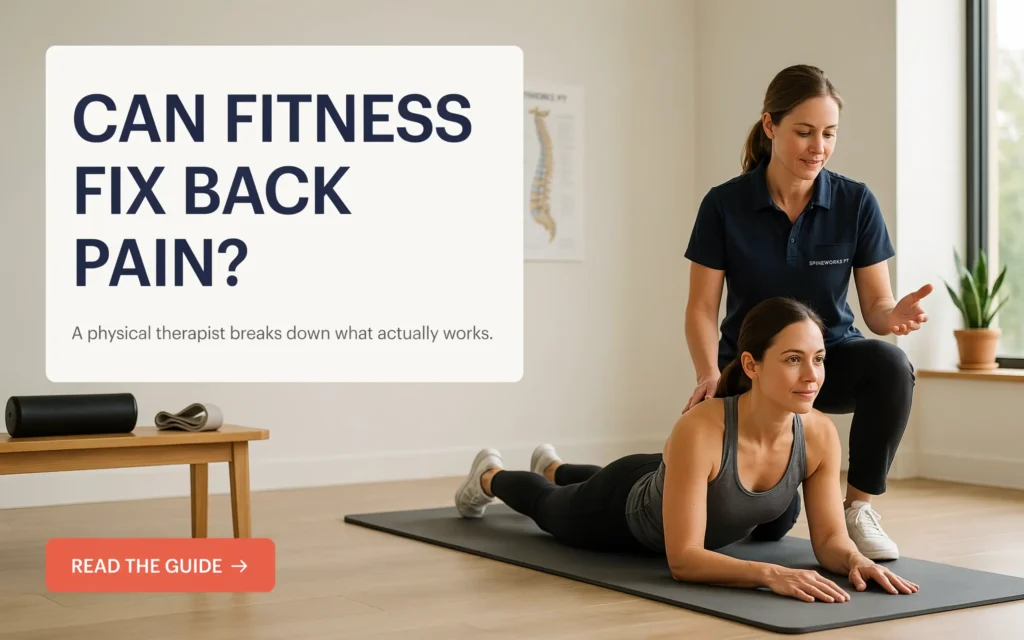
Also, if your pain lasts longer than 6 weeks despite trying gentle exercise, get checked. Some people have herniated discs or spinal stenosis that need physical therapy or other treatments. Do not suffer needlessly. A good physiotherapist can design a program specific to your condition.
For the vast majority of people with simple mechanical back pain, fitness is safe and helpful. But listen to your body. It is the best guide you have.
“The spine wants to move. But it also wants to move correctly. Bad exercise is worse than no exercise for a painful back. Learn proper form first.” – Kelly Starrett, physical therapist and author
Creating a Sustainable Fitness Routine
Knowing which exercises help is one thing. Sticking with them is another. Here is how to build a routine that lasts.
Start Slow and Listen to Your Body
Many people make the same mistake. Their back feels a little better, so they go all out. Then they hurt themselves again. Do not do that. Start with 5 minutes of walking and 3 gentle exercises. Do this every other day for the first week.
If no pain gets worse, add 2 minutes to walking the next week. Add one more rep to each exercise. This slow build gives your tissues time to adapt. Remember, your back has probably been weak for months or years. It will not get strong in a week. Be patient.
Keep a simple log. Write down what you did and how your back felt before and after. You will see patterns. Maybe walking on soft grass feels better than pavement. Maybe morning exercise works better than evening. Use this information to adjust your plan.
Consistency Beats Intensity
Doing a little bit every day is much better than doing a hard workout once a week. Your spine responds to regular movement. Think of it like brushing your teeth. You do not brush hard once a week. You brush gently every day. Same with back fitness.
Set a very low bar. Promise yourself you will do at least 5 minutes of movement each day. That is so easy that you cannot say no. Most days, you will do more. But on bad days, 5 minutes keeps the habit alive. Over months, those small daily efforts add up to big changes.
Mix your activities. Walk on Monday. Do strength exercises on Tuesday. Stretch on Wednesday. Swim on Thursday. This variety prevents boredom and works different muscle groups. It also reduces overuse injuries.
Here is a sample weekly routine for someone with chronic back pain.
Monday: 15 minute walk + 5 minutes of cat cow stretches
Tuesday: 10 minute stationary bike + bird dogs and glute bridges (2 sets of 10)
Wednesday: 15 minute walk + child’s pose and knee to chest stretches
Thursday: rest day or very gentle 5 minute walk
Friday: 15 minute walk + planks (3 sets of 20 seconds) and bird dogs
Saturday: 10 minute swim or water walking
Sunday: 10 minute walk + full stretching routine
Adjust based on how you feel. Some weeks you might need more rest. That is fine. The goal is progress over months, not perfection every day.
Frequently Asked Questions
Can fitness fix back pain that I have had for years?
Yes, many people with chronic back pain see big improvements with consistent exercise. Studies show that even pain lasting over a year can reduce by 50 percent or more after 8 to 12 weeks of proper training. The key is patience. Do not expect overnight results.
How long does it take for fitness to fix back pain?
For acute pain that just started, gentle movement can help within a few days. For chronic pain, expect 4 to 6 weeks to feel real change. Full recovery of strength and function might take 3 to 6 months. Everyone is different. Stick with it.
What if exercise makes my back pain worse?
Stop that specific move. Try something easier. If walking hurts, walk for only 2 minutes. If bird dogs hurt, just do the arm part without lifting the leg. Pain that is sharp or shooting means you are doing something wrong. Dull muscle soreness that goes away within an hour is normal. If pain stays worse for more than 24 hours, see a doctor.
Can fitness fix back pain from a herniated disc?
Sometimes yes, with careful guidance. Many herniated discs heal with conservative treatment including specific exercises. But you need a physical therapist to show you the right moves. Avoid forward bending and heavy lifting. Extension based exercises like press ups often help disc problems. Never guess with a disc herniation. Get professional help.
Is bed rest better than fitness for back pain?
No. Research clearly shows that bed rest for more than a day or two makes back pain worse. Muscles weaken quickly. Joints get stiff. And blood flow decreases. Unless your doctor tells you otherwise, stay as active as your pain allows. Even light activity in the house is better than lying down all day.
What type of fitness is best for back pain?
Walking is the best starting point for almost everyone. Then add core stability exercises like bird dogs and planks. Then add stretching for tight hips and hamstrings. Low impact cardio like swimming or cycling is excellent. Avoid high impact activities like running or jumping until your pain is completely gone for several weeks.
Can I lift weights with back pain?
Yes, but with major changes. Use very light weights or just body weight. Focus on slow, controlled form. Avoid deadlifts, heavy squats, and any twisting under load. Machines that support your back are safer than free weights. Always brace your core before each lift. If you feel any back strain, stop.

Conclusion
So, can fitness fix back pain? The answer is a clear yes for the most common types of back pain. Weak muscles, poor posture, and inactivity are often the real culprits. Exercise directly addresses these causes. It strengthens your core. It improves flexibility. It increases blood flow for healing. And it releases natural pain relieving chemicals.
But fitness is not magic. It requires consistency and patience. You cannot do one workout and expect your back to be perfect forever. You need to build daily habits. Start with 5 minutes of walking. Add gentle core exercises. Stretch tight muscles. Pay attention to what your body tells you. Avoid moves that cause sharp pain.
For serious conditions like fractures, infections, or nerve damage, exercise alone is not enough. See a doctor first if you have red flag symptoms. But for the millions of people with simple mechanical back pain, fitness is the best treatment available. It works better than bed rest. It often works better than pain pills. And it has zero negative side effects when done correctly.
Your back is designed to move. Do not let fear of pain keep you still. Start today with one small step. Walk to the end of your driveway and back. Do two bird dogs on each side. Stretch for 30 seconds. That is enough. Tomorrow, do a little more. Over weeks and months, you will build a stronger, more resilient back. The pain that once controlled your life will start to fade. You will move easier. You will sleep better. You will feel like yourself again.
Fitness is not the only answer for every back problem. But for most people, it is the best answer we have. Give it a real try for 8 weeks. Follow the safe guidelines in this article. Listen to your body but do not give up. Many people have fixed their back pain with nothing more than smart, consistent movement. You can be one of them.
Related posts
 Best Home Workout Equipment for Your Fitness Goals
Discover the best home workout equipment to build your ideal fitness space. Compare mats, trainers, bands, and steppers for your exercise needs. Setting up a home…
 Best Dumbbells for Home Gym: Top Picks for Your Fitness Space
Find the best dumbbells for home gym with our detailed comparison. Explore neoprene, rubber hex, and full sets to match your fitness goals and space. Setting…
 Best Exercise Bike for Weight Loss: Finding Your Ideal Home Workout
Compare the best exercise bikes for weight loss, from full stationary models to compact pedal exercisers. Find your perfect fit for home workouts and fitness goals.…