Many pet owners ask: is raw food good for dogs? Research shows both benefits like shinier coats and risks like bacterial contamination. This complete guide helps you decide based on science and veterinary advice.
You love your dog. You want the best for them. Every day, you see ads for raw meat, bones, and organs. The promise is simple: feed like a wolf, get a healthier dog. But before you switch, you need real answers. So let’s talk openly about the question so many pet parents ask: is raw food good for dogs?
I have worked with dogs for years. I have seen happy raw-fed dogs. I have also seen sick dogs from bad diets. This article shares honest facts, risks, and benefits. No hype. No fear. Just help.
By the end, you will know if raw feeding fits your dog’s life. You will also learn how to do it safely, if you choose that path.
What Does Raw Food Mean for Dogs?
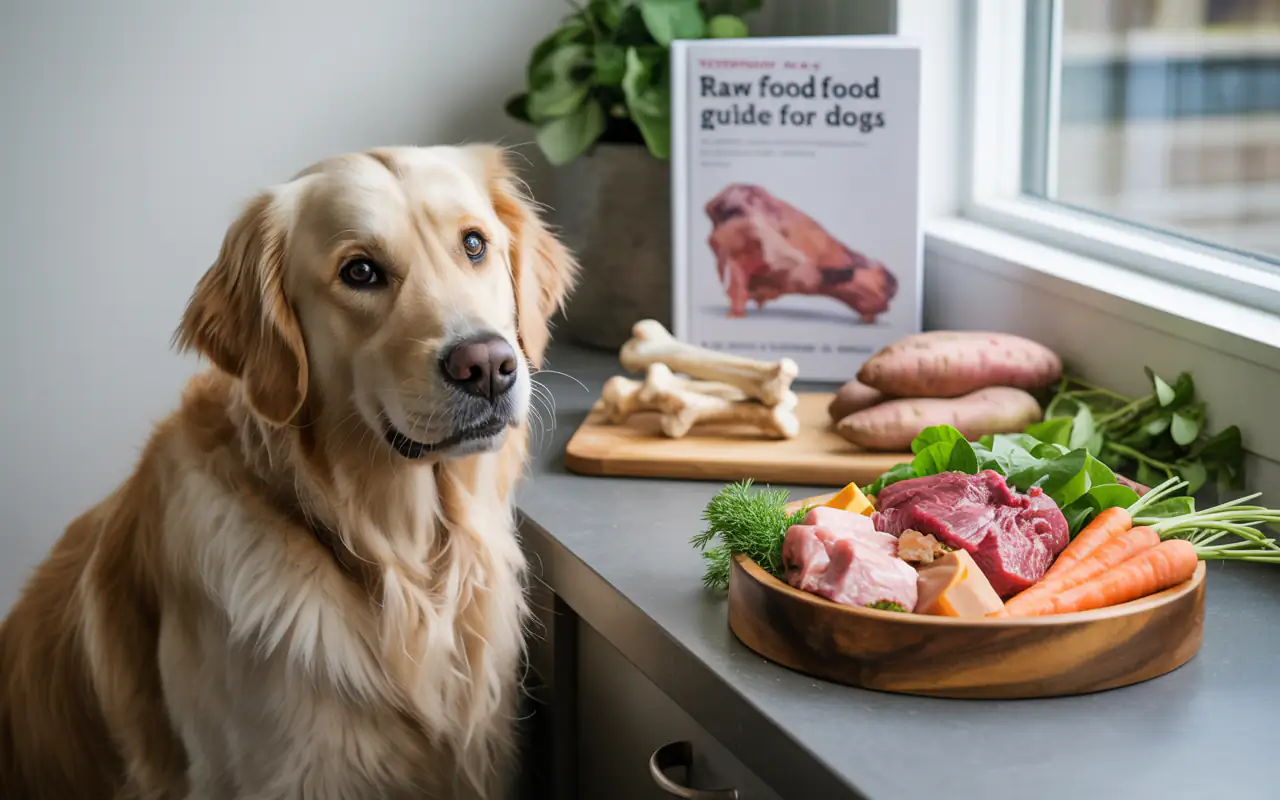
Raw food for dogs is not just a hunk of meat from the grocery store. A balanced raw diet includes:
This is often called a “biologically appropriate raw food” or BARF diet. Some people buy frozen commercial raw patties. Others make meals at home.
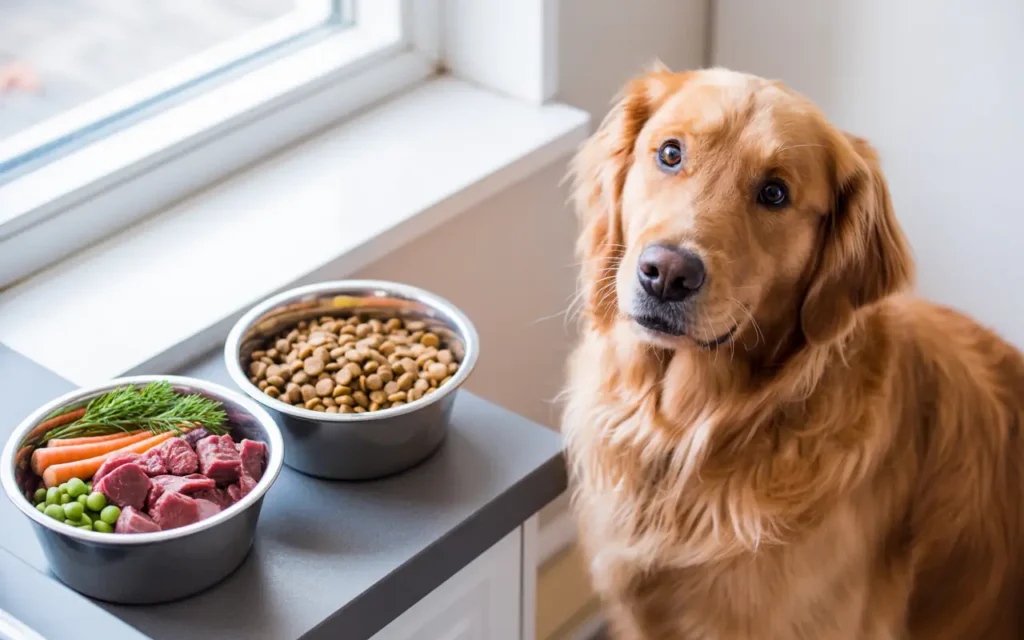
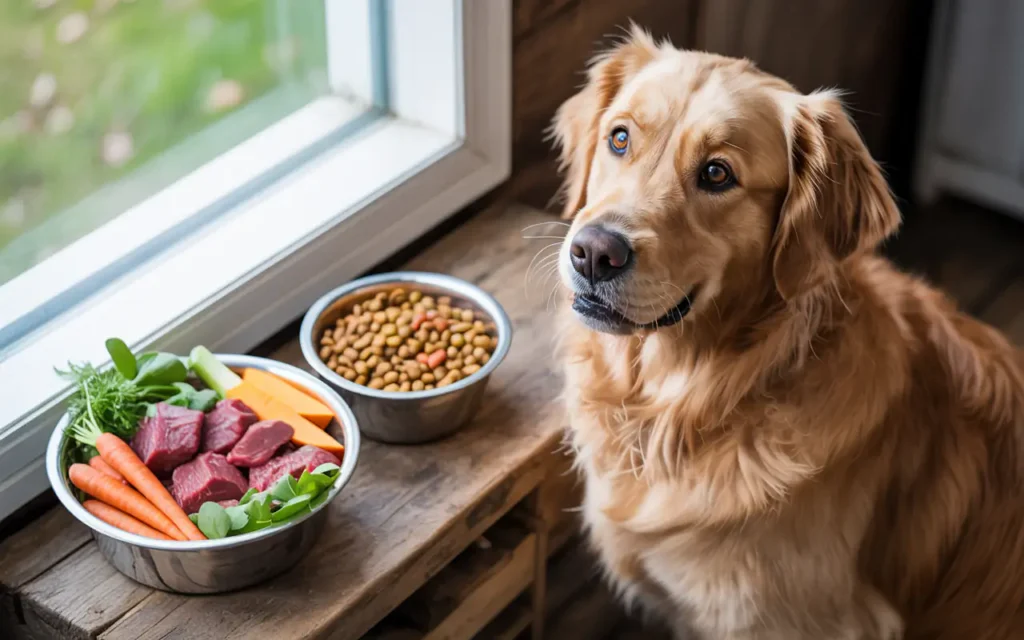
But here is the real question: is raw food good for dogs compared to high quality kibble or canned food? The answer is not black and white. It depends on the dog, the owner, and how the food is prepared.
“Raw feeding can work very well for some dogs, but it requires knowledge, cleanliness, and commitment. It is not for every pet or every household.” – Dr. Lisa Freeman, Veterinary Nutritionist at Tufts University
The Potential Benefits of Raw Feeding
Many dog owners who feed raw report positive changes. Science backs some of these claims. Let’s look at the most common benefits.
Shinier Coat and Healthier Skin
Raw food contains natural fats and oils. These come from fresh meat and fish. The fatty acids help reduce dry, flaky skin. Many owners say their dog’s coat becomes soft and shiny within weeks. In one small study, dogs on raw diets had higher levels of certain skin-friendly nutrients.
If you wonder is raw food good for dogs with allergies or itchy skin, some vets say yes. But not all allergies are food related. Pollen, dust, or fleas can also cause itching.
Cleaner Teeth and Better Breath
Chewing raw bones scrapes plaque off teeth. This is a natural toothbrush. Dogs who chew raw, meaty bones often have less tartar. Their breath smells better too. Kibble does not clean teeth well because dogs swallow most pieces whole.
However, be careful. Hard bones can crack teeth. Always supervise chewing. Choose bones that are soft enough to dent with a fingernail.
More Energy and Smaller Stools
Raw food has less filler than dry food. No corn, wheat, or soy. Dogs digest raw meat very well. So they produce less waste. Stools become firm, small, and less smelly. Many owners report their older dogs act younger. They run and play more.
So is raw food good for dogs who seem sluggish on kibble? Possibly. Better nutrient absorption can boost energy.
Better Hydration
Raw food has high water content. Dry kibble has almost none. Dogs on raw diets drink less water from the bowl. This helps kidney function. It also supports dogs prone to urinary crystals or bladder stones.
The Risks You Need to Know
Raw feeding is not all positive. There are real dangers. You must know them before deciding.
Bacterial Contamination
Raw meat can carry Salmonella, E. coli, Listeria, and Campylobacter. These germs can make dogs sick. But dogs have strong stomach acid. Many healthy adult dogs handle these bacteria without symptoms. However, puppies, older dogs, and dogs with weak immune systems can get very ill.
Even worse: you and your family can get infected. Bacteria from raw food can spread to countertops, floors, bowls, and your hands. Children, elderly people, and pregnant women face higher risk.
A 2018 study tested commercial raw dog foods. Over 30% contained dangerous bacteria. That is a high number. So if you ask is raw food good for dogs in a home with a baby or an immunocompromised person, many vets would say no.
Nutritional Imbalance
Making raw meals at home is hard. Dogs need the right balance of calcium, phosphorus, vitamins, and minerals. Too much liver gives vitamin A poisoning. Too little calcium causes weak bones. A study by the UC Davis veterinary school found that over 90% of homemade raw diets were missing key nutrients.
Even commercial raw foods can have problems. Some brands add too much fat. Others lack taurine, which is crucial for heart health.
Physical Injury
Raw bones can cause choking, broken teeth, or punctures in the stomach and intestines. Cooked bones are even worse because they splinter. But raw bones are not risk free. Small, sharp bone pieces can block the gut. This requires emergency surgery.
“I have treated dogs with intestinal blockages from raw bones. I have also seen puppies with severe salmonella infections. The risks are real, even though many raw feeders never see problems.” – Dr. Joe Bartges, Professor of Internal Medicine at University of Georgia
Comparison Table: Pros and Cons of Raw Food for Dogs
Benefits
Risks
Shinier coat and healthier skin
Bacterial infection (Salmonella, E. coli)
Cleaner teeth and less bad breath
Nutritional imbalances if not formulated correctly
Smaller, firmer stools
Choking or intestinal blockage from bones
Better hydration
Higher cost than kibble
More energy in some dogs
Time needed for preparation and cleanup
What Do Veterinarians Say?
Most mainstream veterinary organizations do not recommend raw diets. The American Veterinary Medical Association (AVMA) opposes feeding raw meat to dogs. The CDC also warns against it. Their main concern is public health. Raw food can spread bacteria to humans.
But some holistic vets support raw feeding. They say that when done right, raw food is excellent for dogs. They point to improvements in dental health, coat quality, and weight management.
So is raw food good for dogs according to science? The answer depends on your risk tolerance. If you are careful, use high quality sources, and follow safety rules, many dogs do well. If you are casual about hygiene or have vulnerable family members, the risks may outweigh the benefits.
“I have seen raw diets transform dogs with chronic ear infections and inflammatory bowel disease. But I only recommend it to owners who are ready to learn and follow strict safety protocols.” – Dr. Karen Becker, Integrative Veterinarian
Is Raw Food Good for Dogs? A Balanced View
Let’s answer directly. Is raw food good for dogs? For a healthy adult dog with a careful owner, yes, it can be good. For a puppy, senior, or sick dog, probably not. For a family with young kids or elderly grandparents, the safety risks are high.
Think about your own situation. Ask yourself these questions:
Does my dog have any health issues?
Can I afford high quality raw food (often 2 to 3 times more than kibble)?
Do I have time to thaw, portion, and clean bowls safely every day?
Is anyone in my home pregnant, under 5, over 65, or on immune suppressing medication?
If you answered yes to the last question, many experts will say raw feeding is too risky.
If you have a robust adult dog and a clean, dedicated feeding area, raw could work. But you must do it right.
How to Feed Raw Safely
If you decide to try raw feeding, follow these safety steps.
Start Slowly
Do not switch all at once. Sudden changes cause stomach upset. Start with 25% raw mixed with 75% current food. After 3 days, go to 50/50. After another 3 days, 75/25. By day 10, you can feed 100% raw.
Watch for vomiting, diarrhea, or tiredness. If your dog gets sick, go back a step or stop.
Choose Quality Sources
Buy raw food from reputable brands. Look for AAFCO statements on the bag. This means the food meets basic nutrition standards. Good brands include Primal, Stella & Chewy’s, and Darwin’s. Avoid cheap raw patties from unknown sources.
If you make food at home, work with a veterinary nutritionist. They can create a recipe that is complete and balanced. Do not guess.
Practice Extreme Hygiene
Use separate cutting boards and bowls for raw food. Wash everything with hot soapy water after each use. Clean counters and floors with disinfectant wipes. Wash your hands for 20 seconds before and after handling raw meat.
Do not let your dog lick your face after eating raw food. Keep raw meals away from children’s play areas.
Watch Your Dog Closely
Check for signs of illness: vomiting, diarrhea, loss of appetite, or fever. If you see any of these, stop raw feeding and call your vet. Also watch for choking or trouble pooping, which could mean a bone blockage.
Safety Table: How to Handle Raw Dog Food at Home
Do This
Avoid This
Thaw raw food in the refrigerator
Thaw on the counter at room temperature
Wash bowls in the dishwasher or hot soapy water
Let bowls sit out for hours
Clean all surfaces with disinfectant afterward
Use the same sponge for raw meat and human dishes
Freeze raw food until you need it
Keep raw food in the fridge for more than 2 days
Scoop food with a dedicated spoon
Touch raw meat with bare hands (use gloves or utensils)
Frequently Asked Questions
Can puppies eat raw food?
Puppies have weaker immune systems. They are more likely to get sick from bacteria. Some raw feeders raise healthy puppies on raw, but most vets advise against it. If you choose raw for a puppy, use a commercial raw diet made for growth. Never add bones because puppy teeth and guts are fragile.
Is raw food good for dogs with kidney disease?
No. Dogs with kidney disease need low phosphorus diets. Raw meat is high in phosphorus. Also, kidney dogs can get dehydrated easily. Raw food has water, but the bacteria risk is too high for sick dogs. Stick to a prescription kidney diet from your vet.
Can I mix raw and kibble in the same meal?
Yes, but be aware they digest at different speeds. Kibble takes hours to break down. Raw meat digests faster. Some dogs get gas or loose stools from mixing. Try small amounts first. Many owners feed raw in the morning and kibble at night. That works better.
How often should a dog eat raw food?
Most adult dogs do well on two raw meals per day. Puppies need three to four small meals. Feed about 2% to 3% of your dog’s body weight per day. A 50 pound dog would get 1 to 1.5 pounds of raw food daily. Split that into two meals.
Is raw food good for dogs with allergies?
Sometimes. Many dogs with food allergies react to proteins like chicken or beef. Raw feeding lets you try novel proteins like rabbit, venison, or duck. But the allergy could also be to something else. Work with your vet to do an elimination diet first. Do not guess.
What is the cheapest way to feed raw?
Buying whole animals or bulk meat from a butcher is cheaper. For example, whole chickens, beef hearts, and pork liver. Grind them yourself or cut into pieces. Add a premix powder like Alnutrin or Balance IT. This lowers cost but adds work. Always freeze for two weeks first to kill parasites.
How do I know if raw food is good for my specific dog?
Try a 30 day trial. Take before photos of teeth, coat, and weight. Keep a daily journal of energy, stool quality, and behavior. After 30 days, compare. If you see clear improvements and no health issues, it might be a good fit. If you see no change or problems, stop.
“Every dog is an individual. What works for a young, active Labrador may harm a senior Shih Tzu with pancreatitis. Listen to your dog and your veterinarian.” – Dr. Marty Goldstein, Holistic Veterinarian and Author
Conclusion
So let’s return to our main question one last time: is raw food good for dogs? The honest answer is: it can be, but not for every dog and not for every family.
Raw feeding offers real benefits. Shinier coats, cleaner teeth, smaller stools, and better hydration are attractive. Many dogs thrive on carefully prepared raw diets. At the same time, bacterial risks and nutritional dangers are real. You cannot ignore them.
If you have a healthy adult dog, no vulnerable people at home, and the time to follow strict safety rules, raw feeding may be a great choice. If you have puppies, seniors, sick dogs, or high risk humans, stick to cooked food or high quality kibble. There are excellent cooked fresh food brands like The Farmer’s Dog or JustFoodForDogs that give many raw benefits without the bacteria risk.
No single diet works for all dogs. Your job is to research, watch your dog, and talk openly with your vet. Do not let social media pressure you. A fed dog is a happy dog. Whether that food is raw, cooked, or kibble, what matters most is love, care, and regular vet checkups.
Now you have the facts. You know the question is raw food good for dogs does not have one simple answer. But you have the tools to make the right choice for your best friend. Good luck, and give your dog a belly rub from me.
Looking to buy dog food online? Explore our top 2026 recommendations for dry and wet formulas tailored to different breed sizes, sensitivities, and nutritional needs. Choosing…

 Buy Dog Toys Online: Top 2026 Picks for Every Play Style
 Buy Dog Food Online: Top 2026 Selections for Every Breed
 Buy a Dog Harness Online in 2026