
How Often Should You Replace Mechanic Tools
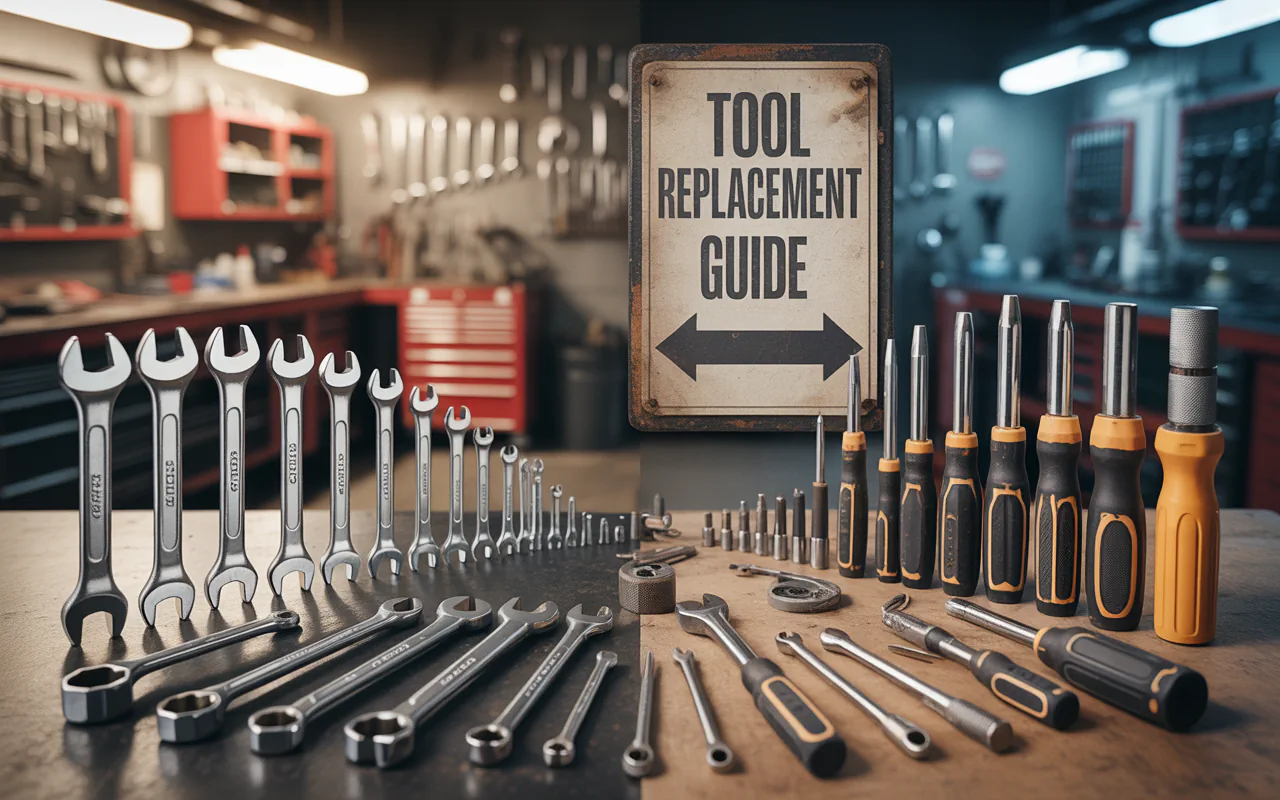
Knowing how often should you replace mechanic tools is key for safety and accuracy. Most hand tools last 3-5 years with care. Power tools need checking every year. Replace any tool with cracks, rust, or slipping parts right away.
Ask any mechanic what scares them, and many will say a broken tool. A wrench that snaps. A ratchet that spins free. A socket that splits. These things happen when we keep tools too long. So the big question is: how often should you replace mechanic tools? The answer is not a single number. It depends on use, care, and the tool itself. But I will give you clear rules to follow. Think of this as your friendly guide from someone who has turned many bolts and learned the hard way.
Let me share a story. Early in my garage days, I used a cheap ratchet for two years. It felt fine. Then one day, it slipped while I pulled hard on a stuck bolt. My knuckles hit the frame. Blood and swearing followed. That day taught me a lesson. A worn tool is not a bargain. It is a risk. So let us talk about real timelines, real signs, and real solutions.
Why Tool Replacement Matters More Than You Think
Tools are not just metal and plastic. They are extensions of your hands. When a tool gets old or worn, two big problems show up.
Safety First
A broken tool can hurt you. A chisel with a mushroomed head can send sharp chips flying. A cracked socket can explode under torque. A slipping ratchet can make you lose balance. Your body is worth more than any tool. So replacing old tools is not waste. It is protection.
“Never trust a tool that has given up on you.” – Carroll Smith, race car engineer and author
Quality of Work
Worn tools make bad repairs. A rounded wrench will strip bolt heads. A worn hex key will not turn tight screws. A dull cutter will leave rough edges. If you want clean, safe, and lasting repairs, you need tools that work right. New or well kept tools give you that.
Signs Your Tools Need Replacement Now
Do not wait for a calendar date. Look at your tools. Here is a simple table of red flags.
| Red Flag | What It Looks Like | What To Do |
|---|---|---|
| Rust or pitting | Brown spots, rough surfaces, flaking metal | Replace if deep; try light rust removal first |
| Cracks | Thin lines on metal, especially near joints | Replace immediately – do not use |
| Slipping gears | Ratchet turns but does not grip | Replace or rebuild if possible |
| Bent shafts | Wrenches or screwdrivers that are not straight | Replace – they will break under load |
| Worn jaws | Adjustable wrench that does not hold tight | Replace |
| Mushroomed head | Chisel or punch with flared, flat top | Replace – risk of flying shards |
If you see any of these, do not think twice. The answer to how often should you replace mechanic tools is simple: replace them as soon as they show these signs. Do not wait for a yearly check. Do it now.
Replacement Frequency by Tool Type
Different tools have different lives. A simple hammer can last decades. A torque wrench needs regular calibration. Here is a second table to help you plan.
| Tool Type | Light Home Use (1-2 times a month) | Heavy Pro Use (daily) |
|---|---|---|
| Wrenches (combination) | 10+ years | 3-5 years |
| Sockets (chrome) | 8-12 years | 2-4 years |
| Ratchets | 5-7 years | 1-2 years |
| Screwdrivers | 8-10 years | 2-3 years |
| Pliers | 10+ years | 3-5 years |
| Torque wrenches | Calibrate every 2 years | Calibrate every year or 5,000 clicks |
| Air impact wrenches | 10+ years | 3-5 years |
| Cordless drills/drivers | 5-8 years (battery fails first) | 2-3 years |
| Tool chests/cabinets | Lifetime | 10-15 years |
These are averages. Your real answer to how often should you replace mechanic tools depends on many things. Let me explain those next.
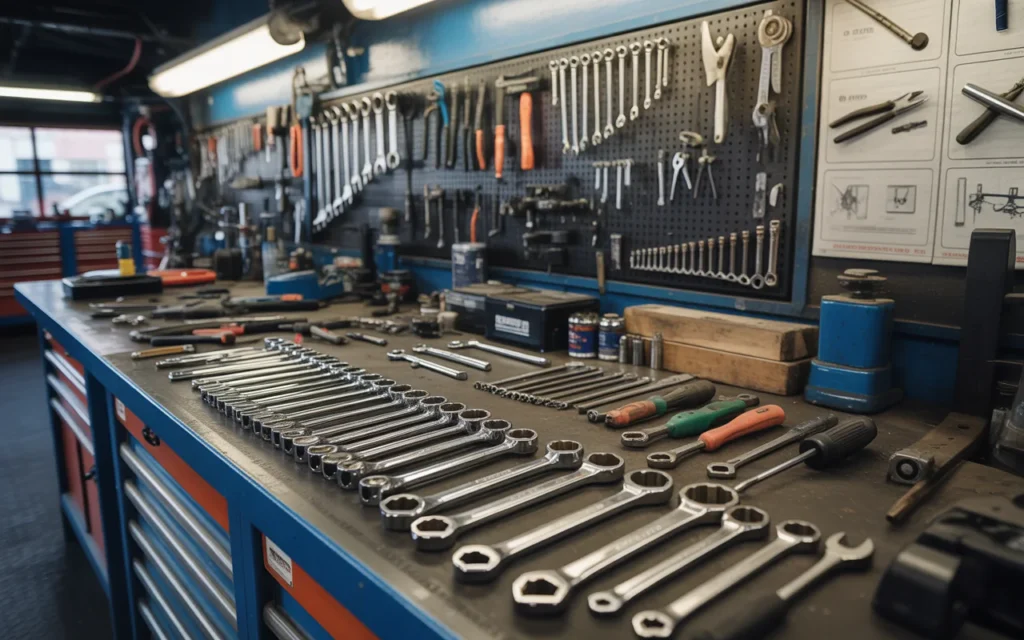
Factors That Change How Often You Replace Tools
Why does one mechanic replace a ratchet every year while another keeps the same one for a decade? These factors make the difference.
Frequency of Use
A tool used every day wears faster. Metal fatigues. Gears grind. Jaws stretch. If you work in a shop, you will replace tools more often than a weekend hobbyist. That is normal. Plan for it.
Quality of Brand
A cheap wrench from a discount store may last one year. A good brand like Snap-on, Mac, or Proto can last ten years or more. You pay for better steel, better heat treatment, and better design. But even good tools wear out. The difference is how long they last before showing problems.
Storage and Care
Tools thrown in a drawer get damaged. They hit each other. They collect moisture. They rust. Tools kept in a clean, dry box with proper organizers will last much longer. Wipe them after use. Keep oil on moving parts. This simple habit changes the answer to how often should you replace mechanic tools. Good care can double a tool’s life.
Type of Work
Working on rusty farm equipment is harder on tools than building furniture. High torque jobs stress ratchets and sockets. Precision work on engines needs sharp tools. The harder you push a tool, the sooner it needs replacement.
“Quality tools last, but only if you care for them.” – Tom Lipton, author of “Mistakes with Tools”
Professional vs. Home Mechanic: Different Timelines
If you earn a living with your tools, your replacement schedule is tight. Here is a simple breakdown.
For pros: Check your most used tools every month. Replace ratchets every 12 to 24 months. Replace impact sockets every 2 years. Replace screwdrivers when tips show wear. Calibrate torque wrenches every year. For you, the answer to how often should you replace mechanic tools is measured in months, not years.
For home users: You can go longer. Check tools twice a year. Replace ratchets every 5 to 7 years. Replace sockets when they crack or round edges. Replace screwdrivers when tips twist. For you, a good set can last a decade or more. But still inspect them. Rust and cracks do not care if you are a pro or a hobbyist.
How to Inspect Your Tools Before Each Job
You do not need a fancy process. Just a few quick steps before you start turning bolts.
First, look at each tool you pick up. Check for rust, cracks, or bends. Run your finger over the surface. Feel for rough spots.
Second, test moving parts. Open and close pliers. Turn the ratchet. Make sure the switch works. Listen for grinding sounds.
Third, check fit. Put a socket on a bolt that you know is the right size. It should feel snug, not loose. A wrench should fit without wobble.
Fourth, test power tools. Turn them on briefly. Listen for odd noises. Check the cord for cuts if it is corded. For cordless, check battery contacts for rust.
If anything feels wrong, stop. Do not use that tool. That is the smart way to answer how often should you replace mechanic tools. When in doubt, replace it out.
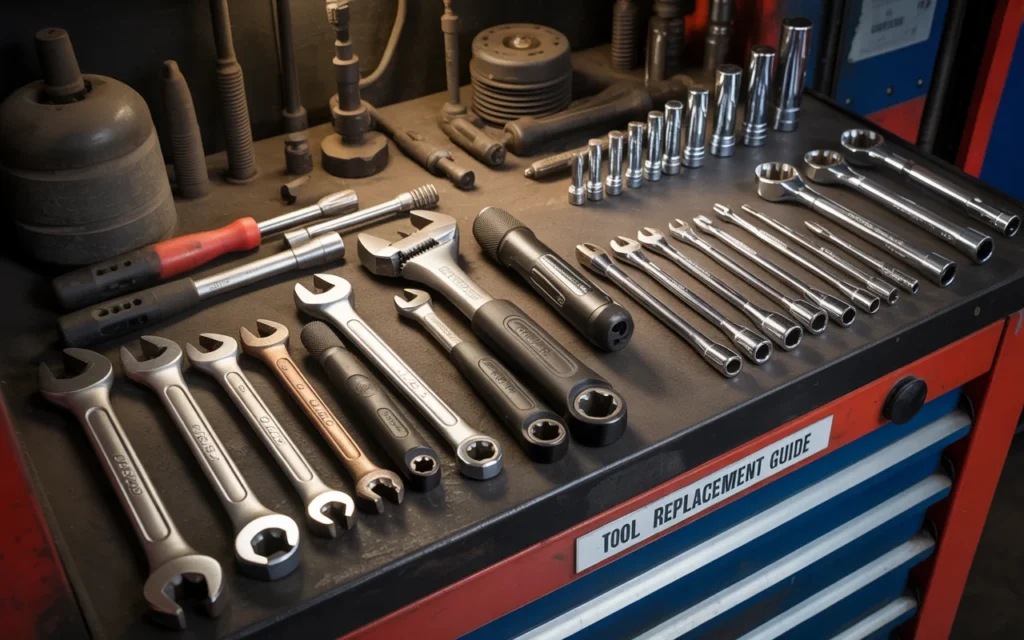
Tips to Make Your Tools Last Longer
You want to stretch the life of your tools without risking safety. These tips help.
Keep tools dry. Moisture is the enemy. Add silica gel packs in your tool box. Or use a dehumidifier in your garage.
Clean after each job. Wipe off grease, oil, and dirt. Use a rag and a little degreaser. Dry thoroughly.
Lubricate moving parts. A drop of light oil on ratchet gears, plier joints, and adjustable wrenches makes a big difference. Do this every few months.
Store properly. Use foam organizers or magnetic strips. Keep tools from banging into each other. Close the box when not in use.
Buy quality where it counts. You do not need a top brand for every tool. But spend more on ratchets, torque wrenches, and impact sockets. These take the most stress.
“The bitterness of poor quality remains long after the sweetness of low price is forgotten.” – Benjamin Franklin (often quoted in tool context)
What Happens If You Don’t Replace Worn Tools?
Let me be direct. Keeping worn tools is false economy. Here is what you risk.
Injury. Slipping ratchets smash knuckles. Breaking sockets send metal shards flying. Mushroomed chisels create sharp needles. These injuries can cost you time, money, and pain.
Damaged parts. A rounded wrench strips bolt heads. Then you need a bolt extractor. That takes more time. Sometimes you ruin a whole part. A 10wornwrenchcanturnintoa200 repair.
Lost trust. When you work on your own car or for a customer, you need reliability. A tool that fails halfway makes you look bad. For pros, that means angry customers and lost repeat business.
Frustration. There is a special kind of anger when a tool fails at the worst moment. Avoid that. Replace old tools before they fail.
So when you ask yourself how often should you replace mechanic tools, think about these costs. A new ratchet is cheap compared to a trip to the doctor or a ruined engine.
Frequently Asked Questions
How often should you replace mechanic tools that are rarely used?
Even rarely used tools can rust or get damaged in storage. Check them once a year. If they look clean and work fine, keep them. But replace any with rust pitting or cracks. No need to replace good tools just because of time.
Do expensive tools last forever?
No. Expensive tools last longer, but they still wear out. The metal still fatigues. The moving parts still grind. Expect premium brands to give 3 to 5 times more life than cheap ones. But forever is not real.
Can I rebuild a ratchet instead of replacing it?
Yes, many good ratchets have rebuild kits. Brands like Snap-on, Proto, and SK sell internal parts. Rebuilding is cheaper and keeps a good tool body. Do this every 2 to 3 years for daily use. But if the outer shell is cracked or bent, replace the whole tool.
How often should you replace mechanic tools like torque wrenches?
Torque wrenches need calibration, not full replacement, unless damaged. Calibrate a beam type torque wrench every 2 to 3 years. Calibrate a click type every year or 5,000 cycles. Replace the tool if it fails calibration or if the head is loose.
Is there a legal requirement to replace tools in a professional shop?
OSHA does not give a specific timeline. But OSHA requires tools to be in safe working condition. If an inspector finds worn or broken tools, you can get fined. Many shops set their own replacement schedules to stay safe and avoid liability.
What about battery powered tools? How often to replace?
Batteries wear out first. Most lithium batteries last 2 to 5 years or 300 to 500 charge cycles. The tool itself can last longer. Replace the battery when runtime drops below half of new. Replace the whole tool if the motor smells burnt or if the chuck wobbles.
How often should you replace mechanic tools that see rust?
Surface rust can be cleaned with wire brush and oil. Deep rust with pitting means replace. Pits are weak points. A pit in a wrench or socket can cause sudden breaking. Do not gamble. Replace pitted tools.
Conclusion
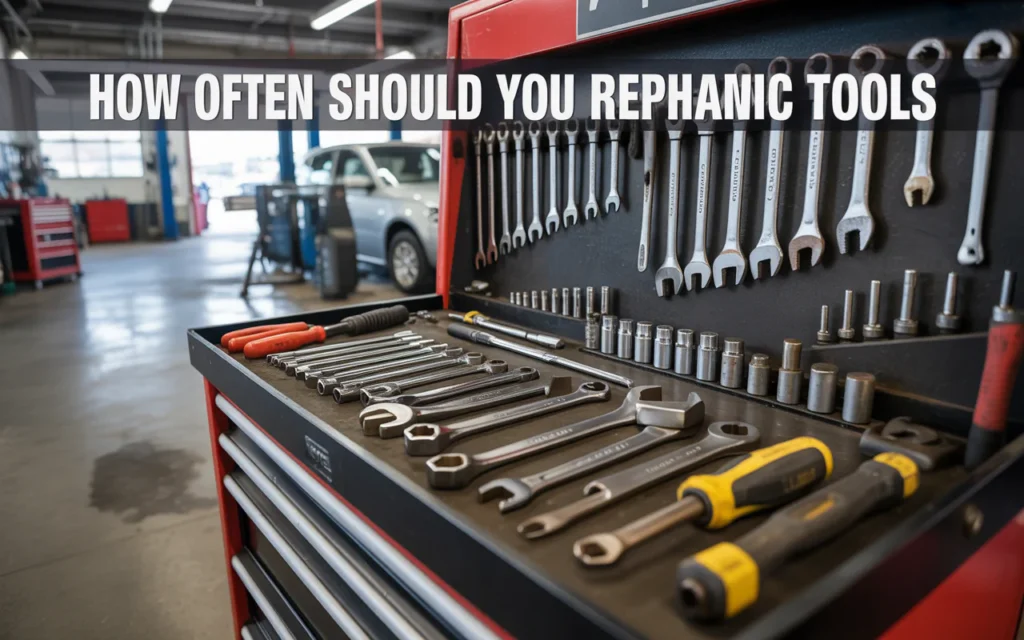
So let us bring this home. The honest answer to how often should you replace mechanic tools is not a single year or month. It is a habit of inspection and common sense. For most home mechanics, a good set of wrenches and sockets can last 5 to 10 years. Ratchets every 5 to 7 years. Power tools when batteries die or motors sound bad. For pros, cut those times in half or more.
But the real rule is this. Look at your tools before you use them. Feel for cracks, rust, and looseness. If a tool feels wrong, replace it. Do not wait for a calendar. Do not hope it lasts one more job. A new tool costs money. A broken hand or a ruined engine costs much more.
Keep your tools clean and dry. Lubricate moving parts. Store them with care. That way, you push the replacement date far out. But you never ignore the warning signs.
Thank you for reading. Now go check your tool box. Look at that old ratchet you almost trust. Look at that chisel with the flat head. Look at that wrench with the spread open jaw. You know what to do. Replace it. Your knuckles will thank you.
Related posts
 Best Wire Crimping Tool for Automotive Wiring in 2026
Find the best wire crimping tool for automotive wiring. We compare five top-rated hand tools to help you choose the right fit for your vehicle projects.…
 Best Budget Automotive Tools for 2026 DIY Maintenance
Discover the best budget automotive tools for 2026. We compare essential diagnostic scanners, trim kits, and pliers to help you save on car repairs. Maintaining your…
 Best Automotive Work Light Options for 2026
Find the best automotive work light for your garage or roadside repairs. We compare top-rated hands-free, magnetic, and heavy-duty lighting solutions for 2026. Finding the best…