
Can Puppies Climb Stairs
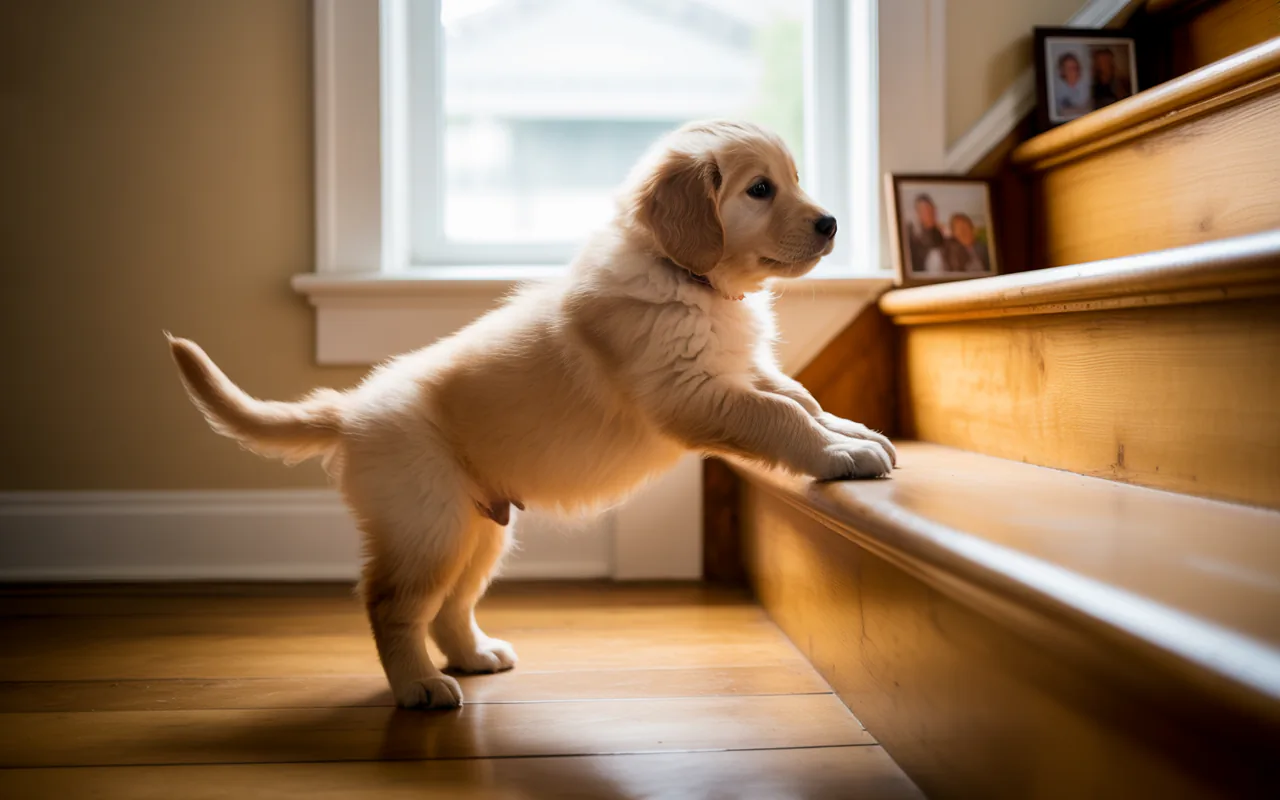
New dog owners frequently wonder about important safety topics and ask can puppies climb stairs without harm to their development. Generally, most puppies can begin learning around 12 to 16 weeks with close watching, positive training, and attention to their breed and size to prevent joint problems and falls while building their confidence over time. This guide shares clear steps, risks to know, and tips to make stair time safe and fun for your growing dog.
You bring home your new puppy and suddenly every part of the house feels like a big adventure. Stairs catch your eye right away because they look fun for a playful dog but you pause and think about safety first. Many people in the same spot ask themselves can puppies climb stairs at such a young age. The answer depends on a few key things like how old the puppy is and what breed it comes from. You want to do the right thing so your furry friend grows up strong and happy without any unnecessary strain on those little bones and muscles.
Puppies explore the world with lots of energy but their bodies need time to catch up to all that excitement. When you consider can puppies climb stairs you start to see why patience matters so much in the early weeks. A quick trip up or down might seem harmless yet it can put pressure on areas that are still forming. You can help your puppy learn in a way that feels natural and positive. This article walks you through everything step by step so you feel sure about your choices and ready to support your dog the best way possible.
Why the Question Can Puppies Climb Stairs Comes Up So Often
New puppy parents notice stairs everywhere in their homes and they want to know if their little one should use them right away. The concern grows because everyone hears stories about dogs that seem to fly up and down steps with ease yet young ones look wobbly and unsure. When you search your mind for answers about can puppies climb stairs you realize it connects to basic health and growth. Puppies have soft bones and joints that harden over months. Letting them tackle full flights too soon could lead to slips or long term discomfort later on.
You might live in a two story house or apartment with steps to the yard and you picture your puppy following you everywhere. That image feels warm but you also picture a possible tumble if the timing is off. Asking can puppies climb stairs shows you care about prevention instead of fixing problems after they start. Good owners think ahead and learn what experts recommend so they set their dogs up for success. Simple choices now make a big difference in how confident and healthy your puppy becomes as it grows.
Puppy Body Development and Stair Readiness
Puppies go through fast changes in their first few months as bones lengthen and muscles gain strength. Their coordination improves each week but early on they lack the balance needed for uneven surfaces like stairs. You see this when your puppy tries to step over a small toy and ends up tumbling in a cute but clumsy way. The same idea applies when you wonder can puppies climb stairs because each step requires good control of back legs and front paws together.
Joints called growth plates stay open and soft for quite a while and they close gradually as the puppy matures. Heavy impact or repeated strain before closure can affect how those plates form properly. You want your dog to run and play freely someday so you pay close attention to activities that might push developing parts too hard. Watching your puppy move on flat floors first gives you clues about when it might handle a step or two without trouble.
Safe Age Guidelines for When Can Puppies Climb Stairs
Most puppies reach a good point for stair practice between twelve and sixteen weeks old. At that stage their legs have grown stronger and their sense of balance has improved enough for short supervised sessions. You still keep things slow and never let them race up and down alone. Some puppies show readiness a little earlier while others need extra time and that is perfectly normal.
Small breeds often wait longer because their short legs make each step feel like a bigger challenge. Large breeds need care too since their bodies grow quickly and their hips work extra hard to support all that weight. You check with your veterinarian for personalized advice because every puppy is unique. The goal stays the same no matter the size which is to introduce stairs gently so your dog feels secure and capable.
Here is a short table that shows general age guidelines by puppy size.
| Breed Size | Recommended Starting Age | Key Notes |
|---|---|---|
| Small | 4 to 6 months | Short legs need more time to build strength |
| Medium | 12 to 16 weeks | Good balance develops at this stage |
| Large or Giant | 6 to 12 months | Growing hips require extra caution |
You use this table as a starting point and adjust based on how your puppy moves and what your vet says. It helps you plan ahead and avoid rushing things.
Risks Involved If You Let Puppies Use Stairs Too Soon
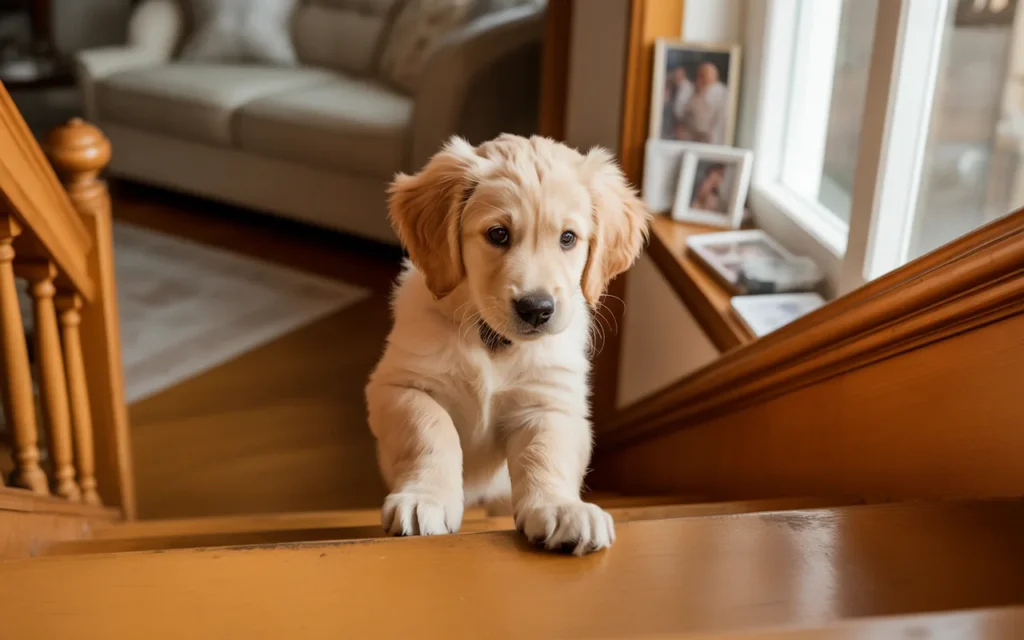
Young puppies that try full stairs before their bodies are ready face higher chances of joint strain. A ten year study from Norway found that puppies under three months who walk on stairs often show more signs of hip dysplasia later in life. That information makes you pause and think carefully before opening the gate to the staircase. You want strong legs for your dog not problems that show up years down the road.
Falls happen easily when coordination is still developing and a single slip can cause bruises or worse. Going down stairs feels especially tricky because depth perception takes time to sharpen. Your puppy might misjudge the drop and land awkwardly. Back injuries worry owners of long bodied breeds like dachshunds or corgis because their spines carry extra stress on steps. You protect your pet by waiting until the right age and using safety tools like baby gates in the meantime.
How Breed Differences Affect Can Puppies Climb Stairs
Every breed grows at its own pace and that shows clearly when you look at stair skills. Small dogs with tiny frames like chihuahuas or yorkies often need extra months before steps feel comfortable. Their delicate joints simply require more time to toughen up. You notice they hop more than step at first and that is a sign to keep training light.
Larger dogs such as labrador retrievers or german shepherds grow fast yet their hips stay sensitive during the rapid growth phase. You give them plenty of time on flat ground before adding stairs to their routine. Mixed breed puppies fall somewhere in the middle and you watch their individual development instead of guessing by size alone. Breed knowledge helps you set realistic expectations and celebrate small wins along the way.
Step by Step Ways to Teach Safe Stair Use
You start training with just one or two steps in a quiet area where your puppy feels calm. Place a favorite treat on the next step and use happy words to encourage a single move forward. Your puppy learns that stairs mean good things when you stay patient and positive. Repeat short sessions a few times each day so the skill builds without pressure.
After the first steps feel easy you add one more and practice going up slowly. Going down comes later because it demands more focus. You stay right beside your puppy the whole time and use a leash if needed for gentle guidance. Praise every success with pets and cheerful talk so your dog connects stairs with fun and safety. Over weeks the confidence grows and soon your puppy handles a full flight with ease.
This table lists simple training steps you can follow.
| Training Step | Action to Take | Helpful Tip |
|---|---|---|
| 1 | One step with treat | Keep sessions short and fun |
| 2 | Add second step going up | Stay close and offer praise |
| 3 | Practice going down slowly | Use non slip mats for grip |
| 4 | Full flight with supervision | Watch for tired signs and stop |
You follow these steps and your puppy learns at a comfortable pace. The process feels like play rather than work.
Signs That Show Your Puppy Is Ready for Stairs
Your puppy moves with steady balance on flat surfaces and shows no fear of small height changes. It can jump onto the couch or bed without slipping which hints at better leg strength. You see good paw placement when walking across the room and that tells you coordination has improved. These clues help you decide the time is right to try a step or two.
Energy levels stay high after short play and your puppy recovers quickly from activity. No limping or stiffness appears after normal exercise which means the body handles movement well. You talk to your veterinarian during a checkup and get the green light based on the exam. All these signs together give you confidence that can puppies climb stairs safely now applies to your dog.
Common Mistakes Owners Make With Puppy Stairs
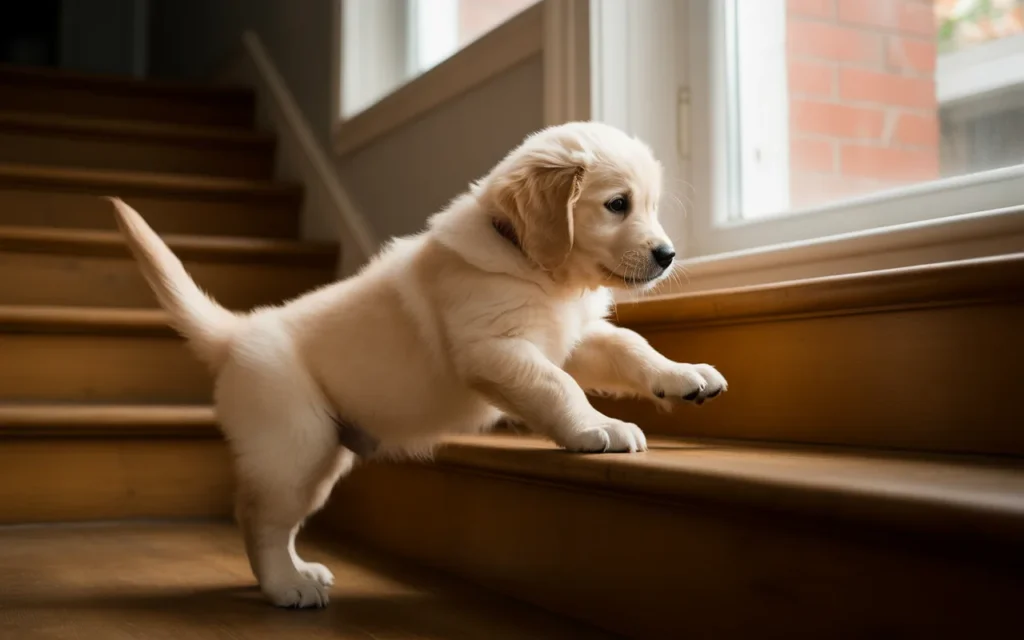
Some people let their young puppy run free on stairs thinking it will learn naturally. That approach can lead to bad habits or injuries because supervision is missing. You avoid this by staying nearby every single time until the skill is solid. Another mistake is pushing too many steps at once instead of building gradually.
Owners sometimes forget about non slip surfaces and their puppy slides on slick wood or tile. You add rugs or special stair treads to create better grip. Rushing the down direction before the up direction feels solid creates confusion. You take time with each part and your puppy gains true confidence instead of fear.
Making Your Home Safer for Stair Practice
Baby gates block access when you cannot watch closely and that simple tool prevents surprise trips. You place them at the top and bottom of every staircase in your home. Soft carpet runners or pet safe mats give extra traction on each step. Good lighting helps your puppy see clearly so no shadows cause hesitation.
Ramps offer a gentle slope alternative for very young or small puppies and you can use them beside stairs for easy access to favorite spots. Carrying your puppy up and down remains a safe choice until training progresses well. These small changes create a secure environment where learning happens without worry. You feel good knowing you have thought of everything.
Puppies need time for their joints and muscles to develop properly before they tackle stairs on a regular basis. ” Dr. Emily Carter DVM
Expert Views on Puppy Stair Safety
Veterinarians and trainers agree that patience leads to the best results with young dogs. They point out that controlled practice builds strength in a healthy way while too much too soon creates unnecessary strain. You listen to these professionals because their experience helps you avoid common pitfalls. Their advice matches what you observe in your own puppy and that builds trust in your plan.
Trainers emphasize positive methods because fear on stairs can last a lifetime if introduced the wrong way. You use treats and praise to keep the mood light and your puppy stays eager to try. Experts also remind owners that every dog learns at its own speed so comparison to other puppies does not help. You focus on your pet and celebrate its personal progress.
” Teaching stairs slowly with lots of praise and treats helps your puppy gain confidence without risk. ” Erin Askeland Professional Dog Trainer
” Always supervise young puppies on stairs and consider ramps or carrying them to keep everyone safe. ” Dr. Michael Reed Veterinarian
Frequently Asked Questions About Can Puppies Climb Stairs
How old should my puppy be before I let it try stairs? Most puppies do well with short supervised sessions starting at twelve to sixteen weeks but you check your specific breed and size first. Small dogs often wait longer and large dogs need careful timing to protect growing hips. Your veterinarian gives the best advice for your individual puppy after a quick exam. You never force the issue and let readiness guide the schedule instead.
Is going down stairs harder than going up for puppies? Yes going down usually feels trickier because depth perception develops gradually. Your puppy might hesitate or jump awkwardly at first. You practice the downward direction after upward moves feel solid and you stay right there to offer support. Gentle guidance and lots of encouragement make the difference over a few short days.
What if my puppy seems scared of stairs? Fear is common at first and you respect that feeling by moving extra slowly. Start with one step and plenty of treats so the experience stays positive. Never push or pull your puppy because that can make the fear stronger. Consistent calm practice over time usually turns hesitation into happy exploration.
Can I use a ramp instead of stairs for my young puppy? Ramps work wonderfully as a safe alternative especially while your puppy is still building strength. You place one beside the stairs or use it for furniture access so your dog avoids big drops. Many owners keep ramps even after stair training because they offer an easy option on busy days. Your puppy appreciates the choice and you feel confident about joint safety.
Do all breeds learn to climb stairs at the same time? No breed differences play a big role in timing. Short legged dogs need more weeks to feel steady while bigger dogs require attention to hip health. You observe your puppy closely and adjust the plan to fit its body type and personality. That personalized approach leads to smoother learning and fewer worries.
Should I carry my puppy up and down stairs forever? Carrying works great for the earliest weeks but you transition to training once age and strength allow. The goal is independence with safety so your dog moves freely as it grows. You keep gates in place until full confidence appears and you continue to supervise longer sessions. This balance keeps everyone happy and healthy.
What surface makes stairs safest for puppies? Non slip mats or carpeted treads give the best grip on wood or tile stairs. You avoid slick finishes that could cause slides during practice. Good lighting also helps your puppy see each edge clearly. These easy home adjustments reduce accident chances and let your dog focus on learning.
Conclusion
You now have a clear picture of how to handle stairs with your new puppy and that knowledge brings peace of mind. The question can puppies climb stairs no longer feels mysterious because you understand the age guidelines the risks and the smart training steps. Your dog will thank you for the careful approach as it grows into a strong and confident adult. Every small success on the stairs adds to your bond and creates happy memories together.
Take time to watch your puppy develop and enjoy the process without rushing. You have the tools to make stair time safe and positive so your home stays a wonderful place for exploration. Share your own experiences with other puppy owners because everyone learns from each other. Your thoughtful care sets the foundation for years of active adventures and that feels rewarding for any dog lover. Keep the gates handy the treats ready and your patience strong because the results are worth it. Your puppy is lucky to have an owner who cares this much about its well being and future health.
Related posts
 Buy Dog Toys Online: Top 2026 Picks for Every Play Style
Looking to buy dog toys online? Explore our 2026 guide to the best durable chews, interactive balls, and plush favorites to keep your pup happy and…
 Buy Dog Food Online: Top 2026 Selections for Every Breed
Looking to buy dog food online? Explore our top 2026 recommendations for dry and wet formulas tailored to different breed sizes, sensitivities, and nutritional needs. Choosing…
 Buy a Dog Harness Online in 2026
Looking to buy a dog harness online? Explore our 2026 guide to finding the right fit, style, and control features for your dog's daily walks. Finding…