
Why Meal Prep Is Important: Save Time, Money, and Eat Healthier
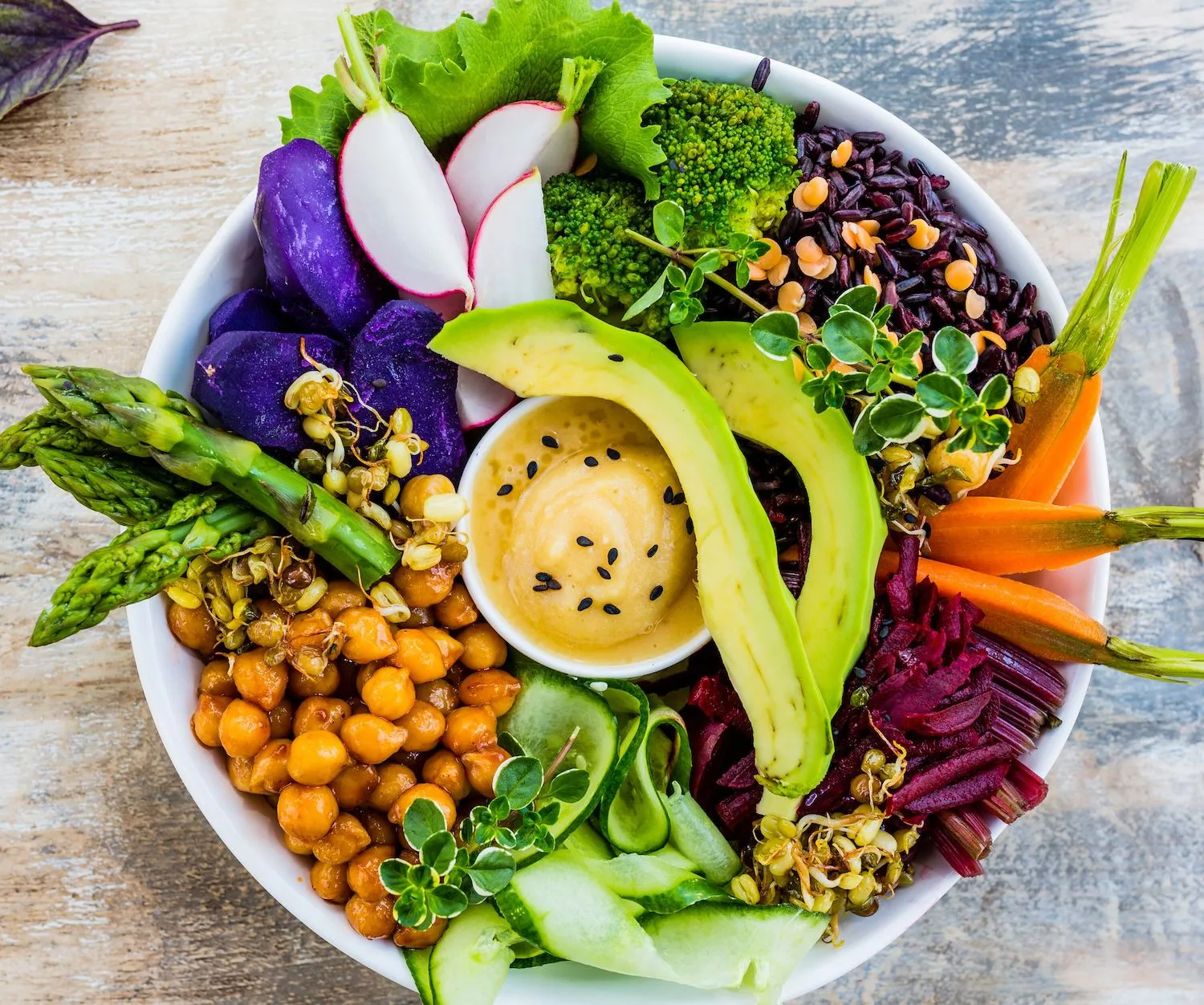
Meal prepping is important because it fundamentally changes how you approach your week, offering substantial benefits across time management, finances, health, and stress reduction. By dedicating a few hours to prepare meals and snacks in advance, you create a foundation for easier, healthier, and more budget-friendly eating throughout the week.
Instead of facing daily decisions about what to cook or grab on the go, you have ready-to-eat options that align with your goals. This proactive approach not only simplifies your schedule but also empowers you to make more conscious food choices, leading to a more balanced lifestyle.
Time savings
- Meal prepping is a powerful strategy for reclaiming your time during busy weeks.
- It offers tangible financial savings by reducing dining out and impulse buys.
- Consistent meal prep supports healthier eating habits and better nutritional control.
- The act of planning and preparing meals can significantly lower daily stress levels.
- Meal prepping contributes to a more sustainable lifestyle by reducing food waste.
| Topic | When it helps | What to keep in mind |
|---|---|---|
| Benefit 1 | Busy professionals, parents, students, or anyone feeling overwhelmed by daily mealtime demands. | Over-scheduling prep time can lead to burnout. |
| Benefit 2 | Individuals or families looking to save money on groceries and dining out. | The initial cost of ingredients can seem high, but it’s an investment that pays off over the week. |
| Benefit 3 | Anyone aiming for healthier eating habits, weight management, or specific dietary needs. | It’s easy to fall into unhealthy prep habits if not mindful of balanced nutrition. |
| Benefit 4 | Individuals who experience decision fatigue or feel overwhelmed by daily planning. | If prep day itself becomes a source of stress, simplify your approach. |
| Benefit 5 | Environmentally conscious individuals and those looking to be more mindful of their resource consumption. | Improper storage can still lead to spoilage, even with prepped meals. |
The Core Advantages of Meal Prep
At its heart, meal prepping is about strategic planning that pays dividends throughout your week. It’s more than just cooking ahead; it’s about creating a system that supports your lifestyle and goals.
Think about the cumulative time spent each day deciding what to eat, grocery shopping for last-minute items, cooking, and cleaning. Meal prepping consolidates much of this effort into one or two dedicated sessions, freeing up valuable hours for work, hobbies, family, or relaxation.
Imagine a busy Tuesday evening.
Viewing meal prep as a rigid, time-consuming chore rather than a flexible tool for convenience and well-being.
How Meal Prep Supports Health and Wellness
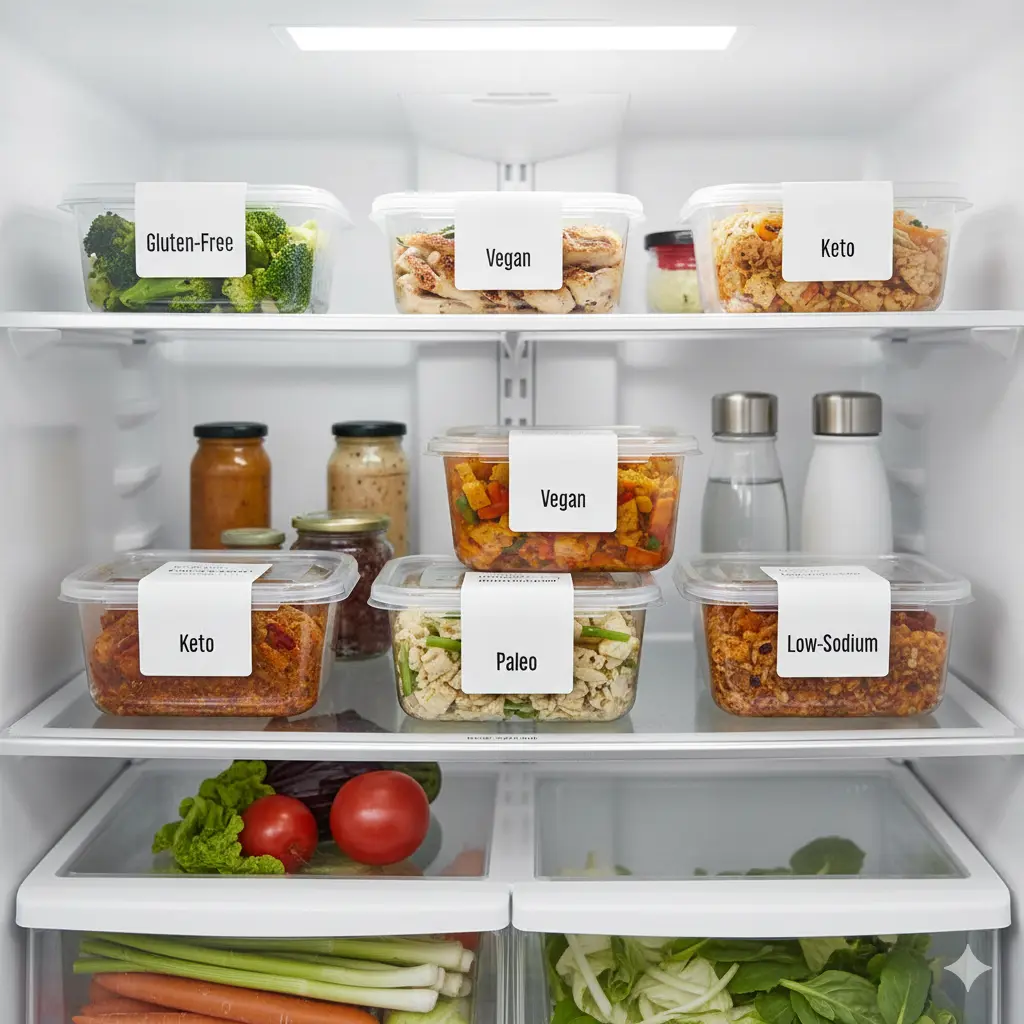
Beyond convenience, meal prepping is a cornerstone for achieving and maintaining health and wellness goals. When you prepare your own meals, you gain unparalleled control over what you consume.
For those focused on weight management, meal prepping is invaluable. It allows for consistent calorie control and balanced macronutrient distribution.
Someone aiming to increase their vegetable intake might prep a large batch of roasted broccoli and bell peppers to add to various meals throughout the week, ensuring they meet their daily targets without extra effort.
Prepping only unhealthy comfort foods, which defeats the purpose of improving nutrition.
- Consistent portion control for weight management.
- Increased intake of fruits, vegetables, and whole grains.
- Reduced consumption of processed foods and added sugars.
- Better management of dietary restrictions or allergies.
Financial Savvy: Saving Money and Reducing Waste
The financial implications of meal prepping are substantial and often underestimated. Eating out frequently or relying on convenience foods can quickly drain a budget.
Furthermore, meal prepping is a powerful tool against food waste. When you plan your meals, you buy only what you need and are more likely to use up ingredients before they expire.
Instead of buying a $15 lunch every workday, prepping a week’s worth of lunches for $50 means a direct saving of $25 in that week alone.

Overbuying ingredients for prep, leading to spoilage and wasted money.
- Lower cost per meal compared to dining out.
- Reduced impulse purchases of snacks and drinks.
- Efficient use of ingredients, minimizing spoilage.
- Less food waste contributes to environmental sustainability.
The Mental Game: Reducing Stress and Decision Fatigue
In today’s demanding world, mental well-being is as crucial as physical health. Meal prepping plays a significant role in reducing daily stress and combating decision fatigue.
This proactive approach provides a sense of control and order in a potentially chaotic schedule. It frees up mental energy that can be better directed towards work, personal growth, or simply relaxing.
A parent can feel a sense of calm knowing that after picking up their kids from school, a healthy, pre-made dinner is ready to be served, eliminating the evening rush and potential arguments about food.
Making the meal prep process itself overly complicated or time-consuming, which can create its own stress.
- Eliminates the daily ‘what’s for dinner?’ dilemma.
- Reduces decision fatigue associated with meal choices.
- Provides a sense of control and organization.
- Frees up mental energy for other tasks or relaxation.
Focus on the core benefits
Benefit 1. Reclaim Your Time
Meal prepping significantly cuts down on daily cooking and cleanup, freeing up hours each week. Instead of spending time deciding, shopping, cooking, and cleaning up after every meal, you can enjoy pre-portioned meals ready to eat or quickly reheat.
- Busy professionals, parents, students, or anyone feeling overwhelmed by daily mealtime demands.
- Over-scheduling prep time can lead to burnout.
- Assess your busiest days and prioritize prepping meals for those times first.

Benefit 2. Boost Your Budget
Preparing meals at home is almost always more cost-effective than eating out or relying on convenience foods. Meal prepping helps you control portion sizes, avoid impulse purchases at restaurants or convenience stores, and utilize ingredients efficiently, reducing overall food expenses.
- Individuals or families looking to save money on groceries and dining out.
- The initial cost of ingredients can seem high, but it’s an investment that pays off over the week.
- Plan meals around ingredients that are on sale or in season.
Benefit 3. Enhance Your Health and Nutrition
When you meal prep, you have complete control over the ingredients, portion sizes, and cooking methods. This allows you to consistently choose healthier options, incorporate more fruits and vegetables, manage your intake of sodium and sugar, and support specific dietary goals, whether for weight management or general well-being.
- Anyone aiming for healthier eating habits, weight management, or specific dietary needs.
- It’s easy to fall into unhealthy prep habits if not mindful of balanced nutrition.
- Focus on including a protein source, healthy fats, and plenty of vegetables in each meal.
Benefit 4. Reduce Daily Stress
The daily question of ‘What’s for dinner?’ can be a significant source of stress. Meal prepping eliminates this uncertainty.
- Individuals who experience decision fatigue or feel overwhelmed by daily planning.
- If prep day itself becomes a source of stress, simplify your approach.
- Start with prepping just lunches or dinners to ease into the routine.
Benefit 5. Minimize Food Waste
By planning your meals and shopping with a specific list, you’re less likely to buy ingredients you won’t use. Prepping also means you’re more likely to consume food before it spoils, leading to less food waste and a more sustainable approach to your kitchen.
- Environmentally conscious individuals and those looking to be more mindful of their resource consumption.
- Improper storage can still lead to spoilage, even with prepped meals.
- Use airtight containers and label prepped meals with the date.
FAQs
Is meal prepping actually worth the time investment?
Yes, for most people, the time invested in meal prepping pays off significantly by saving time during the busy weekdays. The hours spent prepping once or twice a week are often less than the cumulative time spent on daily cooking and decision-making.
What are the biggest downsides of meal prep?
Potential downsides include the initial time commitment, the need for proper storage to maintain freshness, and the risk of monotony if the same meals are prepped repeatedly. It also requires some planning and organizational skills.
How many days a week should I meal prep?
Many people find success prepping for 3-5 days at a time, often on a Sunday or Monday. Some prefer to prep for the entire week, while others might only prep lunches or dinners, depending on their schedule and needs.
Can meal prepping help me lose weight?
Meal prepping gives you direct control over ingredients and portion sizes, making it easier to manage calorie intake, increase nutrient density, and avoid high-calorie convenience foods, all of which are crucial for weight loss.
What if I get bored of eating the same meals?
To avoid boredom, vary your meal components, use different seasonings, and try new recipes. You can also prep a few different types of meals or components to mix and match throughout the week.
Conclusion
Ultimately, the importance of meal prep lies in its ability to streamline your life, offering a practical pathway to healthier eating, financial savings, and reduced daily stress. It’s a proactive strategy that empowers you to take control of your well-being and make the most of your valuable time.
By understanding these core benefits, you can begin to see meal prepping not as an obligation, but as a powerful tool for a more balanced and fulfilling week. Start small, focus on what matters most to you, and discover how much easier your life can become.
Related posts
 Why Kitchen Ventilation is Crucial for Health and Home
Discover why kitchen ventilation is crucial for health removing pollutants, controlling odors, preventing grease buildup, and ensuring a healthier, safer home environment. Kitchen ventilation is crucial…
 Why Motivation Fades After Weeks: Understanding and Rekindling Your Drive
Feeling Why Motivation Fades After Weeks ? Discover common reasons why motivation wanes and practical strategies to reignite your drive and stay on track. It’s a…
 Why Non-Stick Cookware Remains Popular: Key Benefits for Home Cooks
Discover why non-stick cookware remains popular is a kitchen favorite. Learn about its ease of use, quick cleanup, and versatility that make it popular for everyday…