
Why Non-Stick Cookware Remains Popular: Key Benefits for Home Cooks
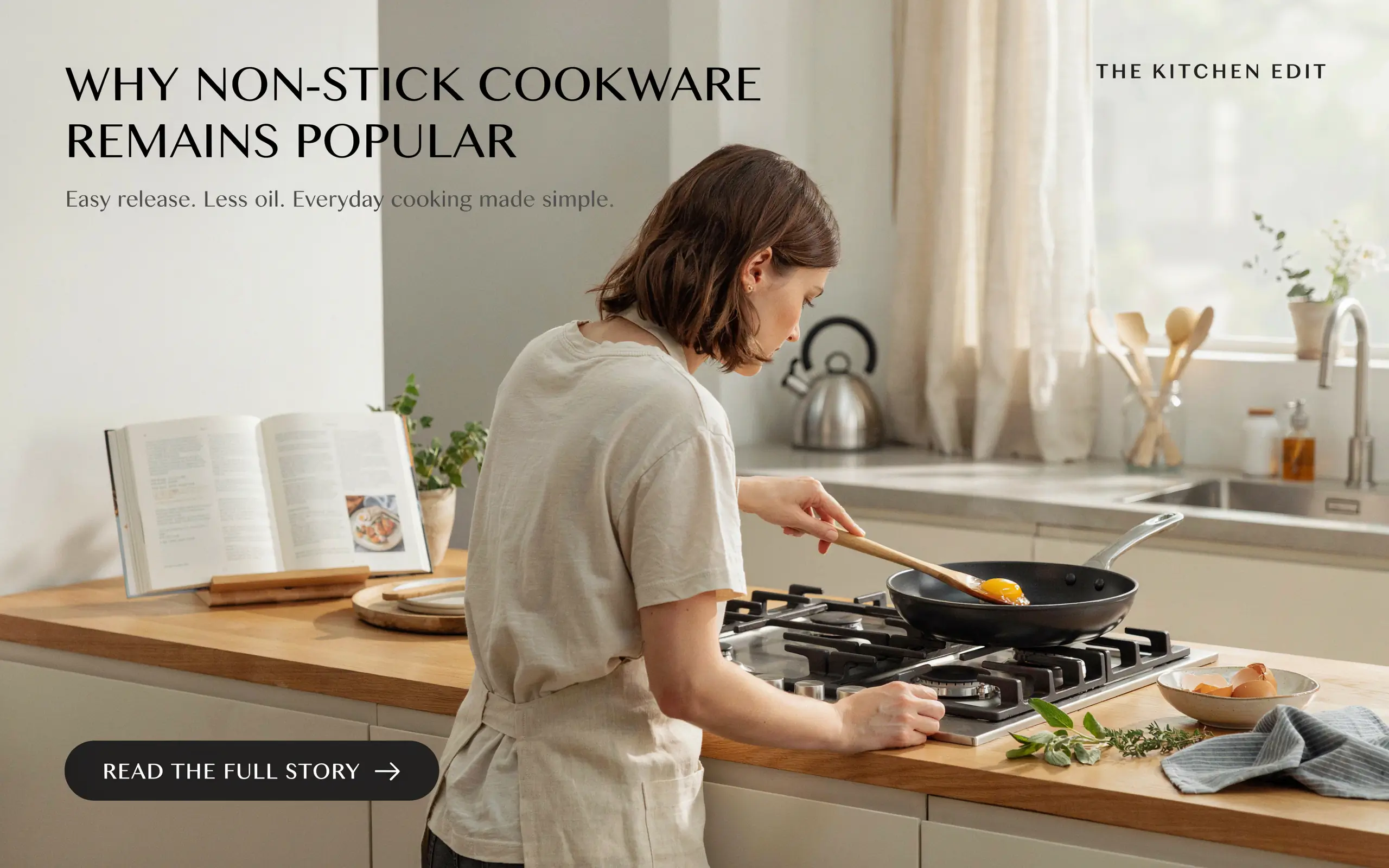
Non-stick cookware remains incredibly popular in kitchens worldwide primarily because it simplifies cooking and cleanup. Its specially coated surface prevents food from adhering, making tasks like flipping eggs or searing delicate fish remarkably easy.
This convenience translates into less frustration at the stove and significantly less effort at the sink. For many home cooks, the ability to effortlessly slide food out of a pan and wipe it clean is a major time-saver and a key reason for its widespread appeal.
Ease of food release
- Non-stick cookware excels at preventing food from sticking, making cooking and cleanup much easier.
- It’s ideal for delicate foods like eggs, fish, and pancakes, ensuring they cook evenly and release cleanly.
- Using non-stick pans can help reduce the amount of oil or butter needed for cooking.
- Proper care, including using appropriate utensils and avoiding high heat, is crucial for extending its lifespan.
| Topic | When it helps | What to keep in mind |
|---|---|---|
| 1 | Cooking eggs (scrambled, fried, omelets), delicate fish fillets, pancakes, crepes, and stir-fries where ingredients need to move freely. | Overheating can damage the non-stick coating, reducing its effectiveness over time and potentially releasing fumes. |
| 2 | Busy individuals or anyone who prioritizes quick and easy kitchen cleanup after meals. | Avoid abrasive scrubbers or harsh detergents, which can scratch and degrade the non-stick surface. |
| 3 | Dishes where presentation matters, such as perfectly flipped pancakes or intact fish fillets, and for cooking sticky sauces or glazes. | While versatile for many delicate tasks, non-stick isn’t ideal for high-heat searing or achieving a deep, crispy crust, as these often require. |
| 4 | Health-conscious cooks, preparing low-fat meals, or anyone managing dietary restrictions that limit oil consumption. | While less oil is needed, some fat can still enhance flavor and aid in browning. |
| 5 | First-time buyers, those with limited budgets, or anyone needing a versatile pan without a significant upfront investment. | While initially inexpensive, non-stick pans typically have a shorter lifespan than other cookware types and may need replacement more frequently, which can. |
The article must cover the
1. Superior Food Release
The primary draw of non-stick cookware is its ability to prevent food from sticking to the surface. This makes cooking delicate items like eggs, pancakes, and fish much easier, as they slide off the pan effortlessly without tearing or leaving residue.
- Cooking eggs (scrambled, fried, omelets), delicate fish fillets, pancakes, crepes, and stir-fries where ingredients need to move freely.
- Overheating can damage the non-stick coating, reducing its effectiveness over time and potentially releasing fumes.
- If you frequently cook foods prone to sticking, a good non-stick pan will significantly improve your cooking experience and results.
- Primary Benefit – No sticking.
- Ease of Use – High.
2. Simplified Cleanup
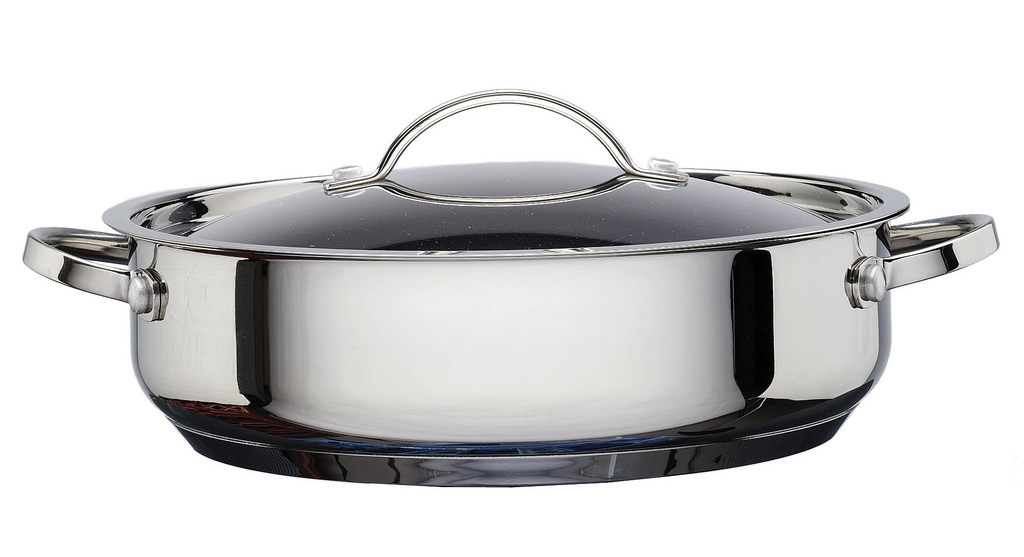
Because food doesn’t stick, cleaning non-stick cookware is often a breeze. A quick wipe with a sponge and warm, soapy water is usually enough to remove any residue, saving time and effort compared to scrubbing stuck-on food from other pan types.
- Busy individuals or anyone who prioritizes quick and easy kitchen cleanup after meals.
- Avoid abrasive scrubbers or harsh detergents, which can scratch and degrade the non-stick surface.
- To maintain the easy-clean surface, always let the pan cool completely before washing and use soft cleaning tools.
- Cleanup Effort – Low.
- Time Saving – Significant.
3. Versatility for Delicate Foods
Non-stick pans are particularly well-suited for cooking foods that are fragile or tend to break apart easily. Their smooth surface ensures that items like omelets or pan-fried fish maintain their shape and integrity, resulting in more appealing dishes.
- Dishes where presentation matters, such as perfectly flipped pancakes or intact fish fillets, and for cooking sticky sauces or glazes.
- While versatile for many delicate tasks, non-stick isn’t ideal for high-heat searing or achieving a deep, crispy crust, as these often require.
- Reserve your non-stick pans for their strengths: low to medium heat cooking of delicate items, and consider other cookware for high-heat tasks.
- Food Type Suitability – Delicate.
- Cooking Style – Gentle frying, sautéing.
4. Healthier Cooking with Less Oil
The slick surface of non-stick cookware means you can often cook with minimal or even no added oil or butter. This can be a significant advantage for those looking to reduce fat intake in their diet without sacrificing flavor or cooking performance.
- Health-conscious cooks, preparing low-fat meals, or anyone managing dietary restrictions that limit oil consumption.
- While less oil is needed, some fat can still enhance flavor and aid in browning.
- Experiment with just a light spray of oil or a small amount of butter to find the right balance for your cooking.
- Dietary Benefit – Reduced fat.
- Cooking Method – Light frying.
5. Budget-Friendly and Accessible
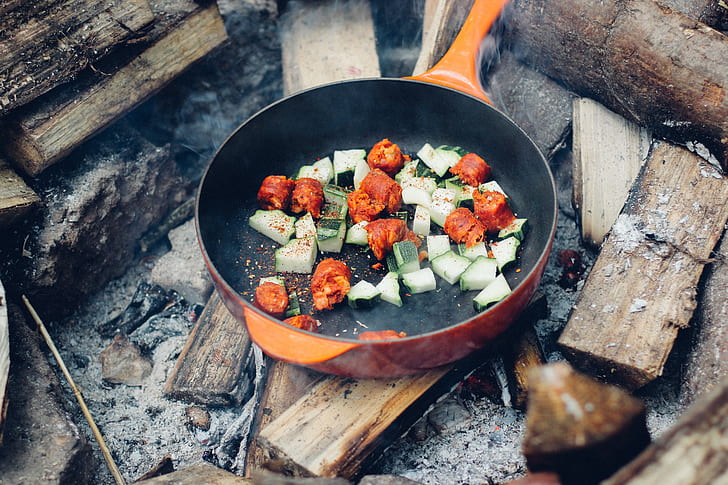
Compared to premium stainless steel, cast iron, or copper cookware, non-stick options are generally more affordable and widely available. This makes them an accessible choice for students, new homeowners, or anyone on a budget looking to equip their kitchen.
- First-time buyers, those with limited budgets, or anyone needing a versatile pan without a significant upfront investment.
- While initially inexpensive, non-stick pans typically have a shorter lifespan than other cookware types and may need replacement more frequently, which can.
- Consider non-stick as a practical, entry-level option or a specialized tool for specific tasks, rather than a lifetime investment.
- Cost – Low.
- Availability – High.
The Core Appeal: Why Non-Stick Stands Out
Non-stick cookware has carved out a permanent place in kitchens due to its undeniable convenience. For many home cooks, the thought of food sticking to a pan is a source of frustration, and non-stick technology offers a simple, effective solution.
The ability to cook with minimal fuss and clean up with ease makes these pans incredibly appealing, especially for busy weeknights or when preparing delicate dishes. It’s a tool that promises a smoother cooking experience from start to finish.
Imagine effortlessly flipping a delicate omelet without it tearing or sticking to the pan, then wiping the pan clean in seconds.
Assuming all non-stick pans are the same; quality and coating types can vary significantly, impacting performance and longevity.
| Benefit | Practical Impact |
|---|---|
| Food Release. | Effortless cooking of delicate items like eggs and fish. |
| Easy Cleanup. | Quick wipe-down, saving time and effort after meals. |
| Versatility. | Ideal for specific dishes, preventing tearing and sticking. |
| Healthier Cooking. | Allows for less oil or butter, reducing fat intake. |
Understanding Non-Stick: Care, Limitations, and Longevity
While non-stick cookware offers significant advantages, understanding its limitations and proper care is key to maximizing its value. These pans are not designed for every cooking task, particularly those requiring very high heat.
The non-stick coating, typically made from materials like PTFE (polytetrafluoroethylene), can degrade when exposed to extreme temperatures. This degradation not only reduces the pan’s non-stick properties but can also lead to the release of fumes, which is why manufacturers recommend using low to medium heat.
Using a wooden or silicone spatula instead of a metal one when cooking in a non-stick pan directly prevents scratches that can ruin the coating and shorten the pan’s life.
Using high heat or metal utensils, which are the quickest ways to damage the non-stick coating and render the pan ineffective.
- Always use wooden, silicone, or plastic utensils to avoid scratching the surface.
- Wash by hand with a soft sponge and mild soap; avoid abrasive scrubbers and dishwashers.
- Allow the pan to cool completely before washing to prevent warping and coating damage.
- Store pans carefully, ideally with pan protectors, to prevent scratches from other cookware.
FAQs
Why do some professional chefs avoid non-stick pans?
Many professional chefs avoid non-stick pans for high-heat cooking tasks like searing meats, which require temperatures that can damage non-stick coatings. They also prefer the durability and even heat distribution of stainless steel or.
Is non-stick cookware safe to use?
Modern non-stick cookware is generally considered safe for everyday use when used correctly. The primary concern with older non-stick coatings was PFOA, which has largely been phased out.
How long does non-stick cookware typically last?
The lifespan of non-stick cookware varies greatly depending on quality, frequency of use, and care. Generally, a well-cared-for non-stick pan might last anywhere from 1 to 5 years.
What are the best foods to cook in a non-stick pan?
Non-stick pans are best for delicate foods that tend to stick, such as eggs (fried, scrambled, omelets), pancakes, crepes, fish fillets, and stir-fries. They are also excellent for cooking sticky sauces or reheating leftovers.
Can I put non-stick cookware in the dishwasher?
While some manufacturers claim their non-stick pans are dishwasher safe, handwashing is almost always recommended. The harsh detergents and high heat in dishwashers can degrade the non-stick coating and dull the exterior finish over.
Conclusion
Non-stick cookware earns its popularity through undeniable convenience. Its ability to release food effortlessly, simplify cleanup, and facilitate healthier cooking with less oil makes it an invaluable tool for everyday meals.
While it may not be the ideal choice for every cooking task, and proper care is essential for its longevity, the practical benefits it offers are clear. For many home cooks, non-stick pans provide a straightforward path to more enjoyable and less stressful kitchen experiences.
Related posts
 Why Kitchen Ventilation is Crucial for Health and Home
Discover why kitchen ventilation is crucial for health removing pollutants, controlling odors, preventing grease buildup, and ensuring a healthier, safer home environment. Kitchen ventilation is crucial…
 Why Motivation Fades After Weeks: Understanding and Rekindling Your Drive
Feeling Why Motivation Fades After Weeks ? Discover common reasons why motivation wanes and practical strategies to reignite your drive and stay on track. It’s a…
 Yoga vs. Gym: Which is Better for Your Fitness Goals?
Yoga vs. Gym: Which is Better for Your Fitness Goals. Decide between yoga and gym workouts based on your fitness goals. Compare benefits for strength, flexibility,…