
Why Does My Cat Sleep So Much? Understanding Normal vs. Concerning Habits
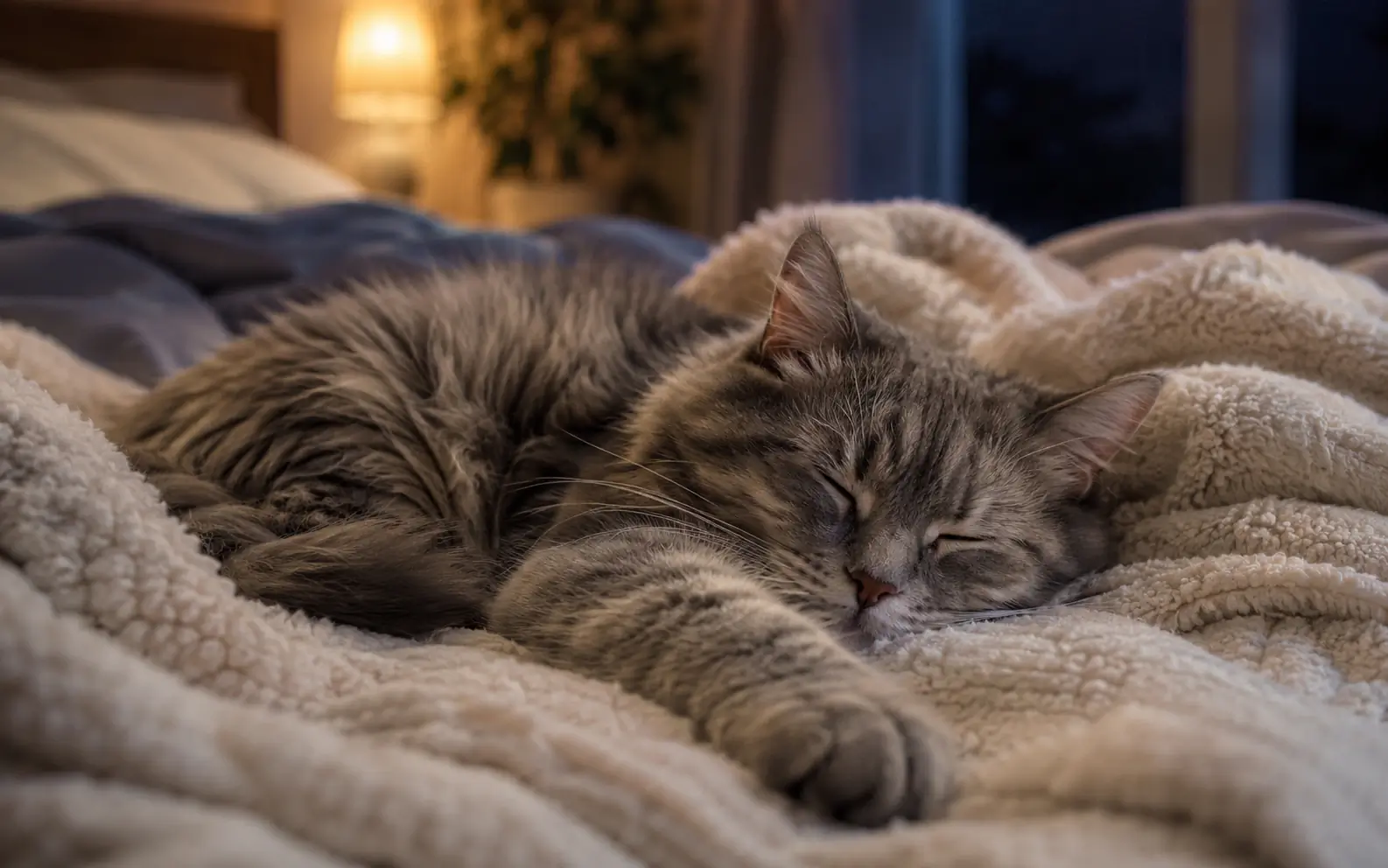
It is completely normal for most healthy cats to sleep between 12 and 16 hours every day. Because cats are natural predators, they have evolved to conserve energy for short, intense bursts of activity, such as hunting or playing. If your cat spends the majority of the day napping, they are likely just following their natural biological rhythm.
However, the key to understanding your cat’s sleep is identifying what is ‘normal’ for them. If your cat has always been a heavy sleeper, there is usually no cause for concern. The primary indicator of a potential health issue is a sudden, noticeable change in their routine rather than the total number of hours spent sleeping.
| Topic | When it helps | What to keep in mind |
|---|---|---|
| Energy Conservation | Understanding why young, healthy cats sleep so much. | Do not mistake this for laziness; it is a biological survival trait. |
| Age-Related Needs | Owners of very young or older cats. | Sudden increases in sleep for a middle-aged cat should be monitored. |
| Environmental Factors | Indoor-only cats with limited enrichment. | Excessive sleep due to boredom can lead to weight gain. |
| Health Monitoring | Identifying when to seek professional help. | Do not wait for symptoms to worsen if the change is sudden. |
Why Cats Sleep So Much: The Biological Baseline
Cats are crepuscular, meaning they are naturally most active during the twilight hours of dawn and dusk. This is when their prey would typically be most active in the wild. During the middle of the day and the middle of the night, they are programmed to rest.
Most of the time, your cat is not in a deep, restorative sleep. They spend a significant portion of their resting time in a light doze. This allows them to remain alert to their surroundings, ready to spring into action if they hear a noise or spot movement.
Notice how your cat might be fast asleep but their ears twitch at the sound of a treat bag; they are in a light ‘cat nap’ state, not deep sleep.
Assuming that because a cat is sleeping, they are bored or depressed.
- Light dozing allows for quick reaction times.
- Deep sleep usually occurs in short, 15-to-30-minute intervals.
- Total daily sleep is a combination of many short naps rather than one long block.
| Life Stage | Typical Sleep Range |
|---|---|
| Kitten | 18-20 hours |
| Adult | 12-16 hours |
| Senior | 16-18 hours |
Troubleshooting: When to Be Concerned
The most important factor is not the total number of hours, but the change in behavior. If your cat has always been a sleeper, their current schedule is likely normal. However, if your cat is suddenly sleeping significantly more than their personal baseline, it is time to look for other clues.
Look for ‘hidden’ symptoms that accompany the increased sleep. A cat that is ill often tries to mask it, but they may show subtle changes in their daily routine.
Ignoring other subtle symptoms like changes in grooming or litter box habits.
If your cat usually greets you at the door but has spent the last two days hiding under the bed and sleeping, this is a change that warrants a vet check.
- Changes in appetite or water consumption.
- Avoiding social interaction or hiding in unusual places.
- Difficulty jumping or moving as easily as before.
- Changes in grooming habits (e.g., a matted or unkempt coat).
- Noticeable weight loss or gain.
Average daily sleep hours for
- Most cats sleep 12 to 16 hours daily, which is perfectly normal.
- Cats are crepuscular, meaning they are most active at dawn and dusk.
- Sudden changes in sleep duration are more concerning than the total amount of sleep.
- Monitor for secondary symptoms like appetite loss or hiding to gauge health.
Focus on natural feline sleep
Energy Conservation. The Predator’s Recharge
Cats are built for short, high-energy bursts. Sleeping allows them to store energy for hunting, even if their ‘prey’ is just a feather toy.
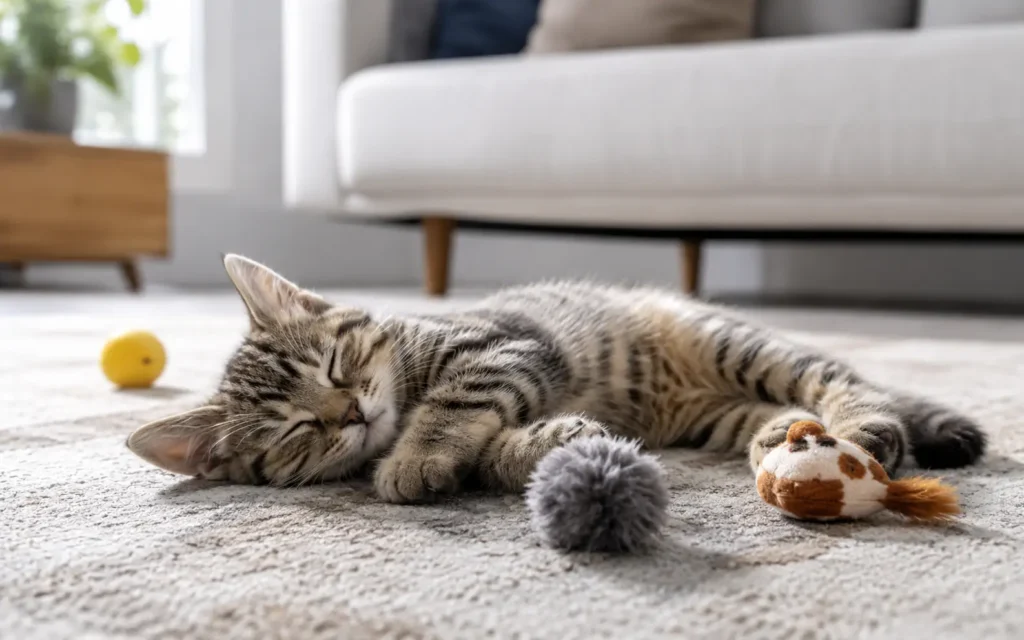
- Understanding why young, healthy cats sleep so much.
- Do not mistake this for laziness; it is a biological survival trait.
- Provide interactive play sessions to satisfy their hunting instinct.
- Energy Type – Burst
- Primary Need – Conservation
Age-Related Needs. Life Stages and Sleep
Kittens and senior cats naturally require more sleep than prime-age adults to support growth or manage lower energy levels.
- Owners of very young or older cats.
- Sudden increases in sleep for a middle-aged cat should be monitored.
- Adjust play expectations based on your cat’s life stage.
- Kittens – 18-20 hours
- Seniors – 16-18 hours
Environmental Factors. Boredom vs. Contentment
A cat in a quiet, low-stimulation environment may sleep more simply because there is nothing else to do.
- Indoor-only cats with limited enrichment.
- Excessive sleep due to boredom can lead to weight gain.
- Rotate toys or add vertical space to encourage activity.
- Stimulation – Low
- Activity – Sedentary
Health Monitoring. Signs of Abnormal Lethargy
If your cat is sleeping more than usual and shows signs of hiding, loss of appetite, or difficulty moving, it may indicate pain or illness.
- Identifying when to seek professional help.
- Do not wait for symptoms to worsen if the change is sudden.
- Keep a log of sleep hours for 3 days to confirm a pattern.
- Action – Consult Vet
- Urgency – High
FAQs
Is it normal for my cat to sleep all day while I am at work?
Yes. Since cats are crepuscular, they naturally prefer to rest during the day when the house is quiet and their human is away.
What is the 3-3-3 rule for cats?
The 3-3-3 rule is a guideline for rescue cats: 3 days to decompress, 3 weeks to learn your routine, and 3 months to feel at home. It is not a rule about sleep duration.
Is my cat bored if they sleep all day?
Possibly, but not necessarily. If your cat is active and playful during their awake hours, they are likely just resting. If they seem listless even when you try to engage them, they may need more environmental enrichment.
Should I wake my cat up if they sleep too much?
It is generally best to let them sleep. Waking a cat from a deep sleep can be startling and stressful. If you are concerned about their activity levels, try engaging them with a toy during their natural active hours at dawn or dusk.
Conclusion
In most cases, a cat that sleeps a lot is simply acting according to their natural instincts. By understanding that cats are crepuscular predators designed for energy conservation, you can feel more confident that your cat’s long naps are a sign of a healthy, well-rested pet.
The most reliable way to monitor your cat’s health is to pay attention to their baseline behavior. If you notice a sudden, persistent change in their sleep habits accompanied by other signs like appetite loss or withdrawal, consult your veterinarian to rule out underlying health issues.
Related posts
 Why Pest Control Is Important at Home: Protecting Health and Property
Discover why pest control is important at home. Learn how regular pest management protects your family’s health, prevents property damage, and secures your food. Understanding why…
 How to Test a Car Ground Connection: Step-by-Step Multimeter Methods
Learn how to test a car ground connection using a digital multimeter. Follow our step-by-step guide to diagnose voltage drops, resistance, and bad grounds. A car…
 Why Do Dogs Stare at Walls? Common Causes and When to Worry
Wondering why do dogs stare at walls? Discover the sensory, behavioral, and medical reasons behind this behavior, and learn when to contact your veterinarian. When you…