
What Are The Best Roof Racks For Cars

If you want to carry more gear, finding the best roof racks for cars will help you clear space inside your vehicle and transport your bikes, kayaks, or luggage safely on every single road trip you take.
When you plan a long trip with your family, car space fills up fast. Bags, tents, sports gear, and coolers take up every single inch of your trunk. Pretty soon, your passengers feel cramped and uncomfortable for hours. This is why many people look for a good way to move extra items to the top of their vehicle. Finding the best roof racks for cars can change how you travel by giving you more breathing room inside. You can store your large items up high and keep the cabin clear for your friends and family. It makes long drives much more pleasant for everyone in the car.
Choosing a cargo setup requires some thought because cars come in all shapes and sizes. A rack that fits a large SUV might not fit a small sedan at all. You need to know what kind of roof your car has before you buy any parts. Some cars have smooth roofs, while others come with rails that run from front to back. We will look at all the options to help you choose the right fit. We want to make sure you get a safe, strong system that lasts for years.
Adding space to your car is the main reason to look for a rack system. When you carry large items like kayaks, skis, or bikes, they simply will not fit inside a standard trunk. Even if you have a big SUV, folding down the back seats means you lose passenger space. A roof rack solves this issue by creating a stable platform on top of your car. You can attach specialized carriers for your specific outdoor gear with ease. It keeps your muddy or wet gear outside the car so your interior stays clean and dry.
Another big plus is safety. Some people try to tie items directly to the roof of their vehicle using simple ropes or straps. This can scratch your paint, dent your roof, or cause your items to fly off on the highway. A proper rail system connects firmly to the strong parts of your vehicle frame. This keeps your cargo steady even when you drive at fast highway speeds or face strong crosswinds. Investing in a solid setup protects your car, your gear, and other drivers on the road.
Learn Your Vehicle Roof Type Before Shopping
Before you shop for the best roof racks for cars, you must look closely at the top of your vehicle. Car makers design roofs in several different ways, and each type requires a specific mounting style. If you buy the wrong parts, they will not attach correctly, which can be dangerous. Let us break down the four main types of vehicle roofs you will see today.
How Smooth and Bare Roofs Work
A bare roof is completely smooth. It does not have any rails, tracks, or special holes from the factory. Many sedans and compact cars have this type of smooth top. To install a system here, you need crossbars that use special clips or hooks. These clips reach inside the door frame and grip the edge tightly. You must look for a kit made exactly for your specific car model to get a tight, safe grip.
These systems use rubber pads under the feet to protect your paint. The pads stop the metal parts from scratching your car top. You must make sure the door frame area is clean before you install them. If dirt gets trapped under the rubber feet, it can act like sandpaper and ruin your paint finish over time.
How Raised Factory Rails Work
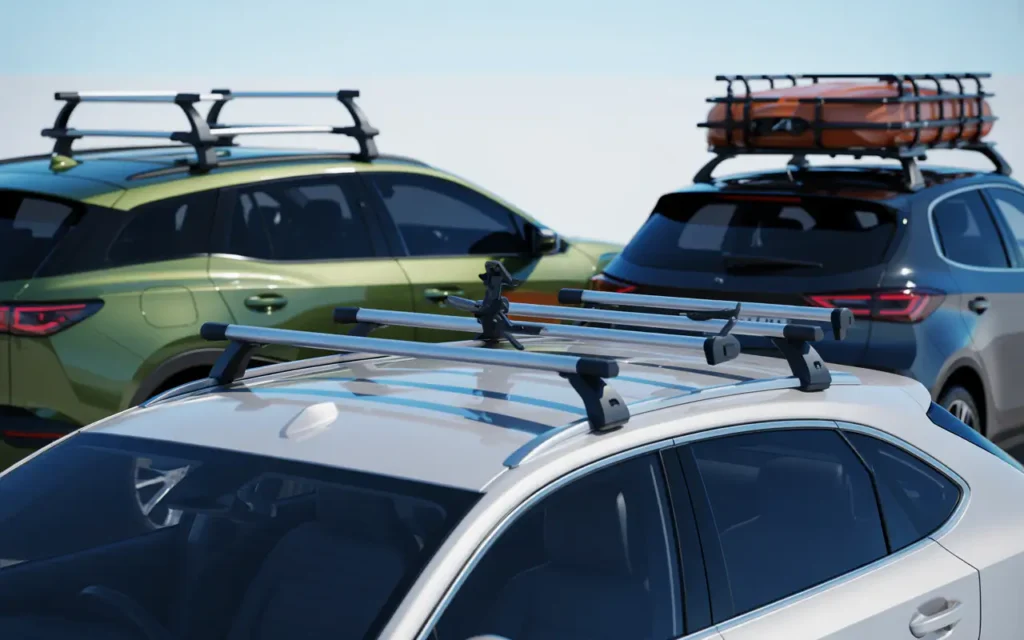
Raised side rails are very common on factory SUVs, crossovers, and station wagons. These are bars that run from the front of the car to the back. They sit a few inches above the roof surface, leaving an open gap between the rail and the car top. This is one of the easiest roofs to work with. You just need crossbars that clamp around these existing rails. The installation is quick and usually does not require special tools.
Because these rails are already raised, you have a lot of flexibility. You can slide the crossbars forward or backward to fit your cargo. This makes it easy to carry items of different lengths, like a short cargo box or a long kayak. It is a very user friendly design that people love.
How Flush Factory Rails Work
Flush side rails look like raised rails, but they do not have a gap underneath. They sit flat against the roof of the car with no open space below them. They look sleek and stylish, but they require a different kind of clamp. You need a foot pack that grips the outer and inner grooves of the flush rail. Make sure to check the fit guide for your car since these rails vary in shape between brands.
These rails are common on newer crossovers and luxury SUVs. They keep a low profile, which helps reduce wind resistance when you do not have crossbars attached. When you choose a rack for this style, ensure the clamps match the exact shape of your side rails.
How Fixed Point Systems Work
Some cars look like they have a bare roof, but they actually have hidden connection points. These fixed points are usually under small plastic covers on the roof ditch lines. When you flip the covers open, you will find threaded holes. A rack system for this roof uses screws that go directly into these holes. This creates a very strong and secure connection that looks very clean.
Fixed points remove all guesswork from installation. You do not have to measure where the bars go because the car maker already chose the safest spots. This system is very stable and can handle heavy loads well.
Let us look at a quick comparison of these roof types to help you see the differences clearly.
| Roof Type | How It Attaches | Easy to Install? |
| Bare Roof | Hooks into door frames | Medium |
| Raised Rails | Clamps around the bars | Very Easy |
| Flush Rails | Grips inner and outer grooves | Medium |
| Fixed Points | Screws into hidden holes | Easy |
Key Features of the Best Roof Racks for Cars
When you start comparing products, you will notice many different styles and price points. It helps to know what features matter most for your daily drives and weekend trips. You do not want to buy a cheap rack that makes loud noises or rusts after one rainy week. Here are the key things you should evaluate before making a final choice on the best roof racks for cars.
A good roof rack transforms your vehicle from a simple commuter car into a versatile adventure machine.” – Marcus Vance, Outdoor Gear Expert
Total Weight and Carrying Capacity
Every vehicle and every roof system has a strict weight limit. Most standard crossbars can hold between 150 and 165 pounds. This includes the weight of the bars themselves and any carriers you add. Always check your car owner manual to see how much weight your specific roof can handle. Exceeding this limit can damage your car frame or affect how your vehicle handles when turning and braking.
Remember that static weight and dynamic weight are different. Dynamic weight is the limit when the car is moving down the road. Static weight is the limit when the car is parked. If you plan to use a rooftop tent, the rack needs to support the tent plus the people inside while parked. This is why checking weight ratings is so important.
Choosing Metal Types for Your Bars
You will usually choose between steel and aluminum bars. Steel bars are very strong and often cost less money. However, they are heavy and can rust if the outer coating gets scratched. Aluminum bars are much lighter and do not rust. They are also easier to lift onto your car during setup. Most high-quality systems use anodized aluminum to ensure they look good and last for a very long time.
Steel bars are often square or round, which can look a bit old-fashioned. Aluminum bars can be molded into aerodynamic shapes. If you want a rack that stays on your car all year, aluminum is usually the better choice. It handles bad weather without showing wear.
Wind Shape and Fuel Savings
Old-school roof bars were simple round or square tubes. When you drive fast, these shapes block the wind and create a loud whistling noise. They also create drag, which lowers your fuel mileage. Modern bars often use an aerodynamic wing shape, similar to an airplane wing. This shape lets air flow smoothly over and under the bar. It cuts down on cabin noise and saves you money at the gas pump.
Some brands add small rubber strips with special textures on top of the bars. These textures break up the wind flow even more to quiet the ride. If you hate annoying noises while driving on the highway, look for these aero-shaped bars.
Reviews of the Best Roof Racks for Cars
Now that you know the basics, let us look at some specific options. Finding the best roof racks for cars means matching your budget with your cargo needs. There are premium brands known for high quality, as well as affordable choices that work well for occasional trips.
Aerodynamic Wing Style Bars
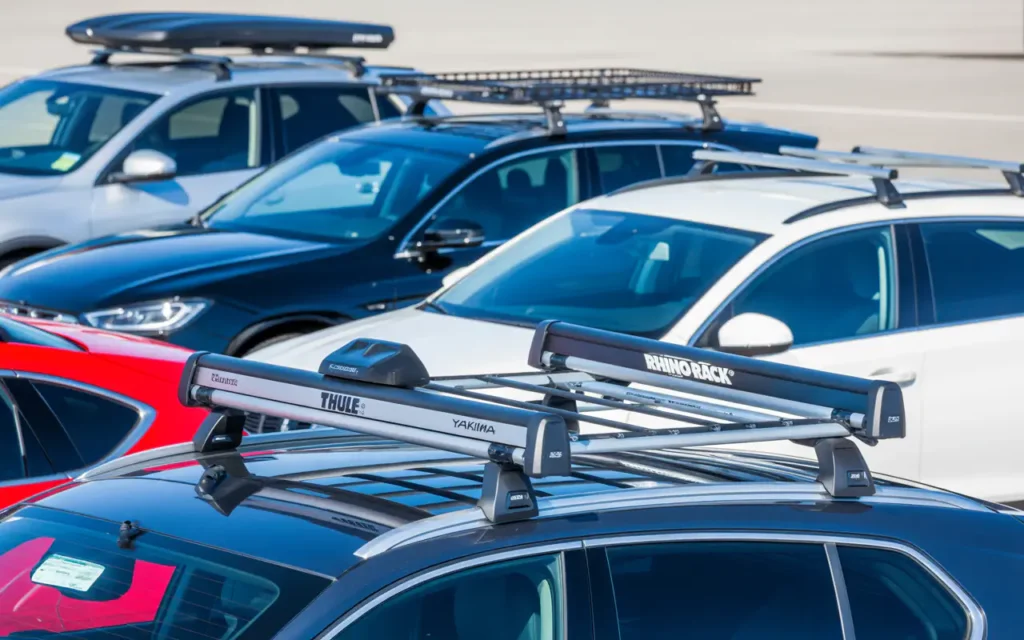
Premium wing-shaped bars are excellent for drivers who plan to leave the rack on their car all year. These systems are quiet and look great on modern vehicles. They feature built-in tracks on top, which let you slide in bike mounts or ski carriers easily. They also come with locks to prevent theft, giving you peace of mind when you leave your car parked outside. While they cost more upfront, the build quality and lack of noise make them worth the price.
These bars are usually made of thick aluminum. They can support heavy loads without bending or flexing. The locking systems mean you do not have to worry about someone stealing your rack while you are away from your vehicle. It is a smart option for regular travelers.
Heavy Duty Cargo Platforms
If you love camping or off-road adventures, a flat platform might be best. Instead of just two crossbars, a platform is a large flat tray that covers most of your roof. This gives you many more tie-down points for heavy gear like spare tires, fuel cans, and rooftop tents. Platforms distribute weight evenly across the roof frame. They are heavier and cause more wind resistance, but they offer maximum storage space for serious trips.
Platforms are popular with truck and SUV owners. They allow you to mount gear to the sides as well as the top. This gives you a lot of options for how you arrange your camping setup. They are very tough and built to take a beating on rough dirt roads.
Simple Budget Friendly Crossbars
For people who only need a rack a few times a year, universal options are a smart choice. These are usually basic square or round steel bars that clamp onto raised side rails. They do not look as sleek and they will make some wind noise on the highway. However, they get the job done without breaking the bank. They are easy to put on before a trip and remove once you get back home.
These budget options are great for moving large items from the store now and then. You can store them in your garage when you do not need them. They offer a simple way to get extra utility out of your car without spending hundreds of dollars.
| Rack Style | Best For | Main Benefit |
| Aero Crossbars | Daily use and fuel economy | Very quiet and sleek |
| Platform Trays | Heavy camping and overlanding | Huge cargo space |
| Universal Bars | Budget buyers and short trips | Affordable and simple |
Clear Step by Step Installation Instructions
Once you pick out the best roof racks for cars, you need to install them correctly. A poor installation can lead to damaged paint or loose cargo. Take your time and follow the manual carefully.
“Safety always comes first when you put items on top of your vehicle, so pick a rack that fits your specific roof type.” – Sarah Jenkins, Automotive Engineer
Cleaning Your Roof Surface
First, clean your car roof thoroughly. Any dirt or sand left under the mounting feet can scratch your vehicle paint once weight is applied. Wash the area with soap and water, then dry it with a soft cloth. Gather all the tools included in your kit before you begin.
Cleaning the roof also helps the rubber feet grip better. If there is a layer of wax or oil, the feet might slip slightly. A clean, dry surface ensures the best bond between the rack and your vehicle.

Measuring Your Bar Spacing
Second, measure the distance between the bars. The manual will tell you exactly how far apart the front and rear bars should sit. This spacing is vital for stability. Use a tape measure to ensure both sides match perfectly. If the bars are crooked, your cargo carriers will not mount straight.
Correct spacing also reduces wind noise. If the front bar is too far forward, it might catch too much air from the windshield. Following the manual measurements keeps everything in the sweet spot for a quiet ride.
Tightening Your Hardware Safely
Third, tighten all bolts evenly. Do not tighten one side completely before starting the other. Instead, turn each bolt a few times, moving back and forth between sides. This ensures the rack settles evenly onto your roof. Many kits include a special tool that clicks when you reach the correct torque.
Over-tightening can dent your roof or strip the bolts. Under-tightening can cause the rack to fly off while you drive. Using a torque tool or following the feel guides in the manual keeps your setup secure and safe.
Testing the Stability of Your Rack
Finally, give the rack a strong shake test. Grab the crossbars with both hands and pull hard in all directions. The entire car should rock back and forth, but the bars should not slip or move on the roof. If you notice any play, loosen the parts and adjust the fit again.
Do this test before every single trip you take. It only takes a few seconds but gives you huge peace of mind. If the rack feels solid during the shake test, you are ready to start loading your gear.
How to Pack and Secure Your Cargo Safely
Loading items onto your roof changes how your vehicle behaves on the road. The higher center of gravity affects your balance when turning corners. Therefore, you must pack smart to stay safe during your travels when using the best roof racks for cars.
Balancing Your Cargo Load
Place your heaviest items inside the car trunk if possible. Keep the lighter, bulkier items for the roof rack. If you must put heavy items on top, place them centered between the crossbars, not too far forward or back. This keeps the weight balanced over the middle of the vehicle.
An unbalanced load can cause your car to lean when you take sharp turns. It can also put too much stress on one part of the rack system. Keeping the center of gravity low and centered makes your car much safer to drive at high speeds.
Choosing the Right Tie Down Straps
Use high-quality straps to tie down your gear. Heavy-duty ratchet straps or cam-buckle straps are much safer than simple bungee cords. Bungee cords can stretch and snap under high wind pressure on the highway. Wrap your straps around the metal bars of the rack, not just around the plastic parts of your cargo.
Make sure any loose ends of the straps are tied down tightly. If you leave them flapping in the wind, they can make a loud hitting noise against your roof. They can also get caught in your wheels or doors, which is dangerous.
Checking Your Load on the Road
Check your load after driving a short distance. Stop after the first fifteen or twenty miles of your trip to inspect the straps. The vibration of the road can cause items to shift, which makes the straps loose. Tighten them up if needed, and check them again whenever you stop for fuel.
Wind forces on the highway can be very strong. Items that felt tight in your driveway might settle and loosen up once you hit sixty miles per hour. A quick check at your first rest stop prevents accidents before they happen.
Comparing Roof Boxes vs Roof Baskets
Once you have your crossbars installed, you need to decide how to hold your smaller bags and gear. The two most common choices are enclosed roof boxes and open roof baskets. Both options have distinct benefits depending on where you travel.
When to Choose a Cargo Box
A cargo box is a hard plastic shell that opens with a hinge. It is completely enclosed, which means your gear stays dry even during heavy rain storms. It also keeps your items safe from dust and road grime. Most cargo boxes come with built-in locks, so you can leave your car parked at a hotel without worrying about theft.
Cargo boxes are ideal for families carrying extra clothing, sleeping bags, and strollers. Because they have a smooth exterior shape, they cut through the air easily. This helps keep your fuel economy higher compared to an open basket loaded with loose bags.
When to Choose an Open Basket
A roof basket is an open metal frame with raised sides. It looks like a shallow metal cage on top of your car. Baskets are great for holding irregular items that will not fit inside a shaped plastic box. You can carry bulky items like firewood, muddy tires, or large coolers with ease.
The main downside to a basket is weather protection. You must use waterproof bags or a tarp if you expect rain. You also need to spend more time securing items with a cargo net or multiple straps. However, for rugged camping trips, a basket offers unmatched versatility.
Simple Care and Maintenance Methods
To ensure your system lasts for many years, you should give it regular care. Roof racks face harsh weather, sun rays, rain, and road grime. Over time, bolts can loosen up due to constant vibrations from driving. It is a smart habit to look after your gear so it always performs well when you need it.
Cleaning Off Road Dirt and Salt
When you wash your car, do not forget to clean the rack parts. Use mild soap and water to rinse away dirt, salt, and bug splats. If you live near the ocean or in an area with snowy winters, road salt can cause corrosion. Rinsing the metal parts often will protect the finish from damage.
Avoid using harsh chemical cleaners on your rack. Cleaners with strong acids or solvents can damage the rubber pads and plastic end caps. Simple car wash soap and a soft sponge are all you need to keep everything looking clean and new.
Checking and Tightening Loose Bolts
The constant vibrations from driving on bumpy roads can cause bolts to loosen over time. Make it a habit to check the tightness of your hardware every few months. Use the tool that came with your kit to ensure every bolt remains snug.
If you hear a new rattling noise while driving, pull over and check your rack immediately. A loose bolt can cause the rack feet to shift on your roof. Catching loose hardware early protects your car from unnecessary scratches.
Storing Your Rack in the Winter
Consider removing the crossbars when you are not using them for long periods. Leaving them on all winter when you have nothing to carry creates unnecessary wind drag. This can lower your gas mileage over time. Taking them off also protects the rubber pads and plastic covers from sun damage. Store the parts in a dry place like your garage.
When you store your rack, keep all the small parts together. Put the keys, bolts, and tools in a sealed bag and tape it to the bars. This ensures you have everything you need when it is time to put the rack back on for your next summer trip.
“The right gear setup means you worry less about your luggage and focus more on the open road ahead.” – David Brody, Travel Blogger
Frequently Asked Questions About Roof Racks
Here are some common questions drivers ask when looking for the best roof racks for cars.
Will a roof rack damage my car paint?
If installed correctly on a clean roof, it should not damage your paint. High-quality systems use soft rubber pads where the feet touch the car. Always clean the roof before putting the rack on to avoid trapping dirt underneath.
How much does a roof rack lower gas mileage?
You may see a small drop in fuel economy, usually between one and five percent. Aerodynamic wing-shaped bars cause less drag than square bars. Removing the rack when you do not need it will save fuel.
Can I take my car through a car wash with a roof rack on?
It is safest to avoid automatic drive-through car washes with brushes. The large brushes can catch on the bars and damage either your rack or the wash equipment. Touchless car washes are usually safer, but removing the bars first is best.
How do I know if a rack fits my car?
You should always use the fit guide provided by the rack manufacturer. You enter your car make, model, and year to see a list of compatible parts. Never guess the fit, as even minor changes in car body designs matter.
Are roof racks easy to steal?
Basic racks without locks can be removed quickly by anyone with a wrench. Most premium systems include built-in lock cylinders or offer them as an add-on. Buying locks is highly recommended if you leave your car parked in public areas.
What is the difference between crossbars and side rails?
Side rails run from the front of your car to the back and are often installed by the factory. Crossbars run from side to side across the roof. You need crossbars to actually mount cargo boxes, bikes, or other gear safely.
Conclusion
Finding the best roof racks for cars is a wonderful way to expand your vehicle utility. It opens up a world of travel possibilities by ensuring you never have to leave important gear behind. Whether you choose premium aerodynamic bars for silent daily driving or a budget system for yearly camping trips, matching the rack to your specific roof style is the key to safety. Take your time during installation, follow weight limits, and enjoy the extra comfort inside your car on your next big adventure.
Related posts
 2026 Torque Wrench Reviews: Choosing the Right Tool for Precision Fastening
Explore our 2026 torque wrench reviews to find the right tool for your automotive, bike, or gunsmithing projects. Compare top models for accuracy and value. Finding…
 Top Automotive Tools for Beginners: Essential Gear for 2026
Discover the top automotive tools for beginners in 2026. Compare essential pry kits, wrench sets, and repair gear to start your DIY car maintenance journey. Starting…
 Top Rated Mechanic Tool Brands for 2026
Explore top rated mechanic tool brands for 2026. Compare reliable socket sets and hand tools to find the right equipment for your home garage or auto…