
How To Make Exercise Part Of Life
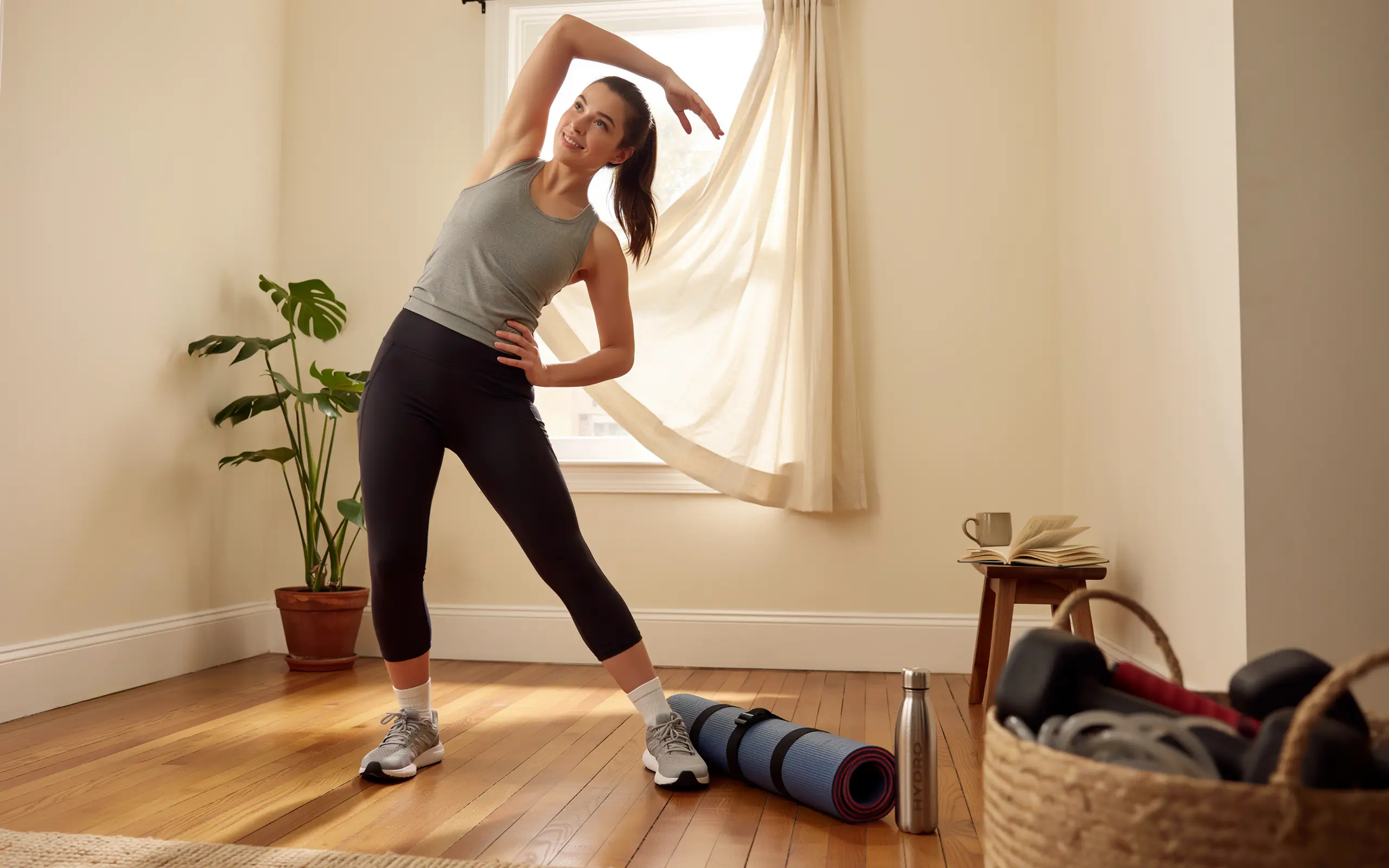
“Want to make exercise part of life? Start with 5 minutes daily. This guide shows simple ways to build a fitness habit that sticks, using small changes and enjoyable activities.”
Many people think exercise means painful gym sessions or running for hours. That idea stops most of us before we even begin. But the truth is simpler. You can make exercise part of life without turning your whole schedule upside down. I have helped friends and family members go from zero movement to active days. They did not use special equipment or extreme diets. They just changed a few small things.
This article shares real, practical steps. You will learn how to start, how to keep going, and how to enjoy moving your body. No pressure. No shame. Just honest advice from someone who has been on both sides. Let us begin.
“Movement is a medicine for creating change in a person’s physical, emotional, and mental states.” – Carol Welch
The Real Reason Exercise Feels Hard
Have you ever told yourself “I should exercise more” and then felt tired just thinking about it? That feeling is normal. Most people believe they need to do long, intense workouts. They think anything less is worthless. This all or nothing mindset is the biggest barrier.
When you expect too much from yourself, you set up for failure. One missed workout makes you feel guilty. Then you skip another day. Soon, you stop trying. The problem is not your willpower. The problem is your approach. You try to change too much at once.
Another reason exercise feels hard is that we separate it from daily life. We treat it as a special event that needs gym clothes, a water bottle, and an hour of free time. That makes it feel heavy. When you make exercise part of life, you stop seeing it as a chore. You see it as a natural part of your day, like brushing your teeth or making coffee.
Small steps work better than big leaps. A five minute walk is better than no walk. Ten squats while waiting for your tea to brew counts. You do not need perfection. You need consistency. And consistency starts with tiny actions that feel easy.
Start Smaller Than You Think
The best way to make exercise part of life is to begin with movements so small they feel silly. One push up. Thirty seconds of marching in place. A single stretch when you wake up. This approach works because it lowers resistance. Your brain does not fight back against something that takes less than a minute.
Once you do that tiny action, you often feel like doing a little more. But even if you stop there, you have succeeded. You kept your promise to yourself. That builds trust. Over time, you can increase the duration or intensity. But never skip the small start.
Here is a table of micro workouts you can try right now. Each takes one minute or less.
| Activity | How Long | Where to Do It |
|---|---|---|
| Standing calf raises | 30 seconds | While brushing teeth |
| Desk chair squats | 1 minute | At your office desk |
| Wall push ups | 45 seconds | In any hallway |
| Torso twists | 30 seconds | While waiting for coffee |
| High knees (slow) | 1 minute | During a TV commercial |
These tiny efforts add up. Do five of these across your day, and you have moved for several minutes without blocking out a big chunk of time. That is how you make exercise part of life without feeling overwhelmed.
“The secret of getting ahead is getting started. The secret of getting started is breaking your complex overwhelming tasks into small manageable tasks, and then starting on the first one.” – Mark Twain
How to Build a Habit That Lasts
Knowing what to do is one thing. Doing it every day is another. Habits form through repetition and cues. You need a trigger that reminds you to move. Then you need a simple action. Finally, you need a reward, even a small one like feeling proud.
Use the 2 Minute Rule
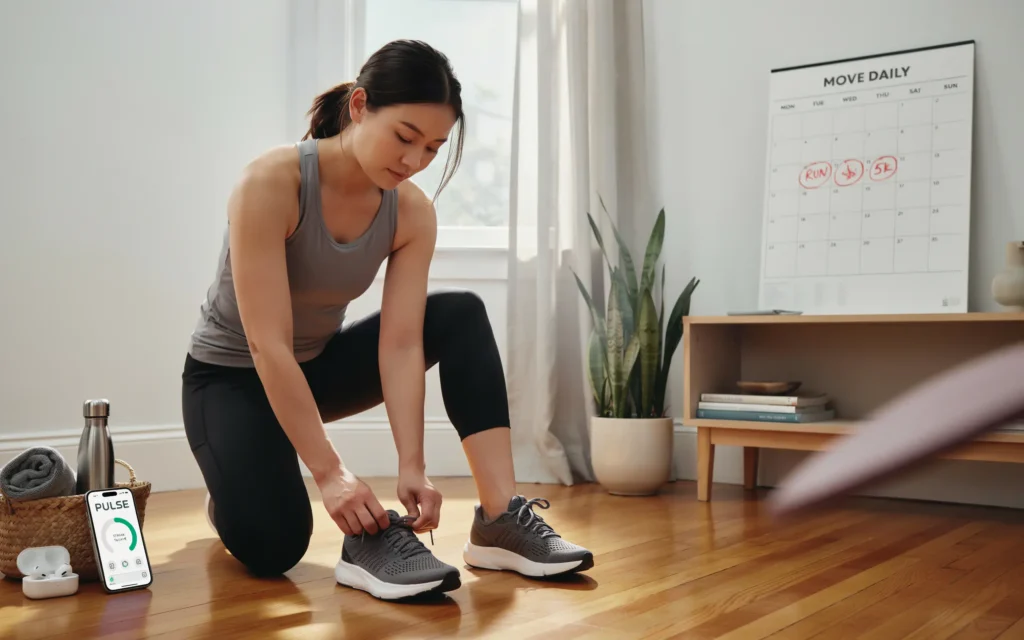
The 2 minute rule says this: when you start a new habit, it should take less than two minutes to do. For exercise, that means put on your shoes and step outside. Or unroll your yoga mat. Or do one jumping jack. After you start, you can stop if you want. But most times, you will keep going because starting is the hardest part.
I have used this rule for years. On low energy days, I tell myself “just put on my sneakers.” That small action leads to a short walk. Some days I only walk for two minutes. That is still a win. The habit stays alive.
Attach Exercise to Existing Routines
Find something you already do every day. Then add a small movement right before or after. This is called habit stacking. For example:
- After you use the bathroom, do five squats.
- While your morning coffee brews, stretch your arms and back.
- Before you sit down for dinner, do ten leg lifts.
Soon, the trigger (coffee brewing) automatically reminds you to move. You do not need to remember or motivate yourself. The environment does the work for you. This is a powerful way to make exercise part of life permanently.
“We first make our habits, then our habits make us.” – John Dryden
Find Movement You Actually Enjoy
If you hate running, do not run. If the gym makes you bored, stay away. Forcing yourself to do activities you dislike will never create a lasting habit. The secret is to find movement that feels good to your body and your mind.
Think back to what you enjoyed as a child. Did you like dancing? Swimming? Riding a bike? Playing catch? Those activities still count as exercise. You can also try new things like:
- Following a free dance video on your phone
- Walking while listening to a podcast you love
- Gardening or yard work
- Playing with your kids or pets in an active way
- Taking the stairs instead of the elevator
- Parking farther from the store entrance
When you enjoy the movement, you do not need discipline. You will want to do it. That is the real goal. To make exercise part of life, you need to remove the word “workout” from your mind and replace it with “play” or “move.”
You can also vary your activities. Do something different each day. Monday a short walk. Tuesday some stretching. Wednesday dancing to three songs. Thursday carrying groceries. Friday easy yoga. Variety keeps boredom away and uses different muscles.
Create Your Personal Exercise Schedule
Schedules sound strict, but they help. You do not need a detailed plan. Just pick a few time blocks each week where you will move. Make them short and flexible. Write them down or set a phone reminder.
Here is a sample weekly schedule for someone who wants to make exercise part of life without stress. Adjust it to fit your own hours.
| Day | Time | Activity | Duration |
|---|---|---|---|
| Monday | Morning after waking | Stretching | 5 minutes |
| Tuesday | Lunch break | Walk around block | 10 minutes |
| Wednesday | Evening before dinner | Bodyweight squats and lunges | 6 minutes |
| Thursday | Afternoon | Dance to one song | 3 minutes |
| Friday | Morning | Stretching | 5 minutes |
| Saturday | Flexible | Outdoor walk or bike | 15 minutes |
| Sunday | Rest or gentle movement | Easy yoga | 5 minutes |
This schedule has less than one hour of planned movement for the whole week. But it is consistent. You can always do more if you feel good. The key is to protect these small time slots. Do not let meetings, TV shows, or tiredness take them away. Treat these minutes as non negotiable, like a doctor appointment.
Overcome Common Obstacles
Everyone faces barriers. Let us talk about the three biggest ones and how to handle them.
No Time
You are busy. I get it. But you have five minutes. Everyone does. Look at your phone screen time. Most people spend hours scrolling. Replace five of those minutes with movement. Also, combine exercise with other tasks. Do calf raises while brushing teeth. Walk while on a phone call. Stretch while watching the news. When you make exercise part of life, you stop needing extra time. You just use time differently.
No Energy
Low energy often comes from sitting too much. It sounds strange, but movement gives energy. A short walk can wake you up better than coffee. Start with one minute of gentle movement. Swing your arms. March slowly. Breathe deeply. Often that small action raises your energy level. If you still feel tired after one minute, stop and rest. That is fine. Try again later.
No Motivation
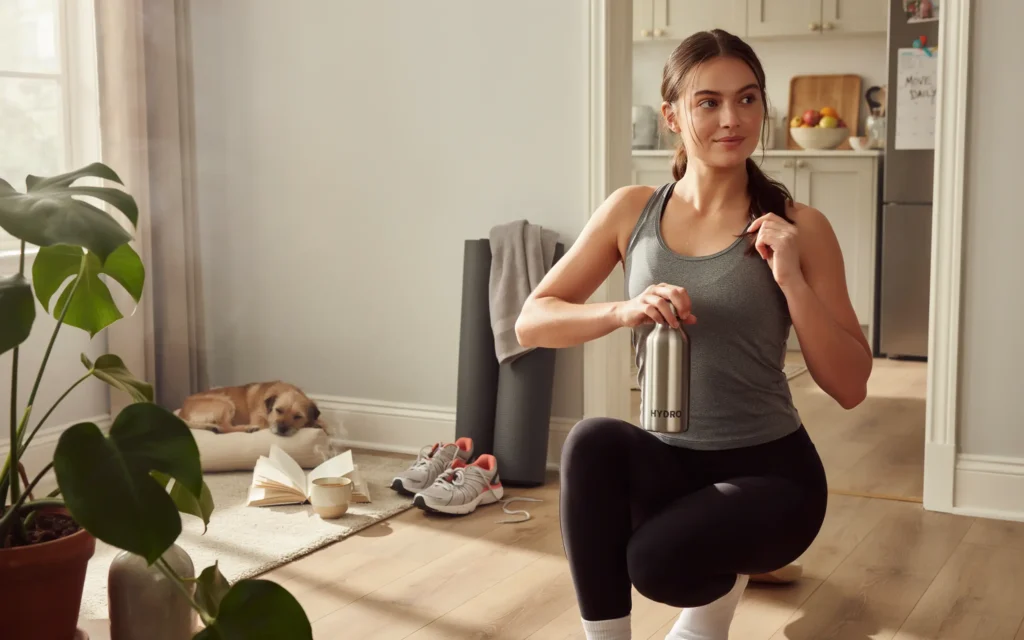
Motivation is unreliable. It comes and goes like the weather. Do not wait for it. Instead, use discipline for the first few seconds. Tell yourself “I will just put on my shoes.” Then let the habit take over. Also, lower your standards. On a low motivation day, your only goal is to show up. Do one sit up. Walk to your mailbox. That counts. You are still building the identity of someone who moves regularly.
Remember, missing one day does not ruin everything. The problem is missing two days in a row. So if you skipped yesterday, do something tiny today. Even thirty seconds. That breaks the chain of skipping.
Track Progress Without Obsession
Tracking can help, but do not become a slave to numbers. Simple methods work best. Put an X on a paper calendar for each day you do any planned movement. A chain of X’s looks nice and encourages you to keep it going.
You can also use a note on your phone. Write down one sentence each day. “Walked 10 minutes.” “Did squats while waiting for pasta.” That is enough. You do not need to track calories, heart rate, or steps. Those details often add pressure.
What you track matters less than the act of noticing. When you write it down, you remind yourself that you showed up. That builds self confidence. After a few weeks, look back at your log. You will see real proof that you can make exercise part of life. That proof matters more than any motivational quote.
Also, celebrate small wins. Did you exercise three days this week? That is great. Last week was zero. Progress is progress. Do not compare yourself to someone who runs marathons. Compare yourself to who you were yesterday.
Make Social Support Work for You
Other people can help you stay on track. But you do not need a full workout group. Simple social support works well.
Tell one friend or family member about your goal. Ask them to check on you once a week. That small accountability can push you through lazy days. You can also find an exercise partner for one short session per week. Walk together or stretch together. The shared time makes it more fun.
Join an online community focused on small daily habits. Many free groups exist on social media where people post “I moved today” messages. Reading those posts gives you ideas and motivation. But be careful. Do not compare your start to someone else’s middle. Stay in your lane.
You can also use a bit of friendly competition. Challenge your sibling to see who can do more days of movement in a month. The winner gets bragging rights. Keep it light and playful. If competition stresses you, skip it.
Another idea: involve your kids. Say “let’s see who can do ten jumping jacks faster.” They will laugh and move. You get exercise and quality time together. That is how you make exercise part of life in a way that fits your whole household.
Frequently Asked Questions
How long does it take to make exercise a regular habit?
Research suggests 2 to 3 months of consistent action. But you will feel easier after 2 to 3 weeks. The key is not the number of days. It is never skipping two days in a row. Keep your starts tiny, and the habit will stick.
What if I have a physical limitation or injury?
Talk to your doctor first. Then focus on what you can do safely. Seated exercises, gentle stretches, and very short walks often work. You can make exercise part of life even from a chair. Move your arms, turn your neck, lift your legs. Every bit helps.
Do I need special clothes or equipment?
No. Wear comfortable clothes you already own. Use a water bottle you have. You do not need weights, bands, or a gym membership. Bodyweight exercises like squats, lunges, and push ups work great. If you want to add equipment later, a cheap resistance band is enough.
What is the single best exercise for beginners?
Walking. It is free, low impact, and easy to do anywhere. Start with 5 minutes. Add 1 minute each week. Soon you will walk 15 or 20 minutes without noticing. Walking also clears your mind and improves mood. Do not underestimate it.
How do I get back on track after stopping for weeks?
Start smaller than before. Do one minute of movement today. Then one minute tomorrow. Do not try to make up for lost time. Guilt does not help. Fresh starts do. Your past breaks do not matter. What matters is the single step you take right now.
Conclusion
You have the tools. You know that small starts beat big plans. You know that enjoyment keeps you coming back. You know that you can make exercise part of life without a gym or a hour of free time. The only thing left is action.
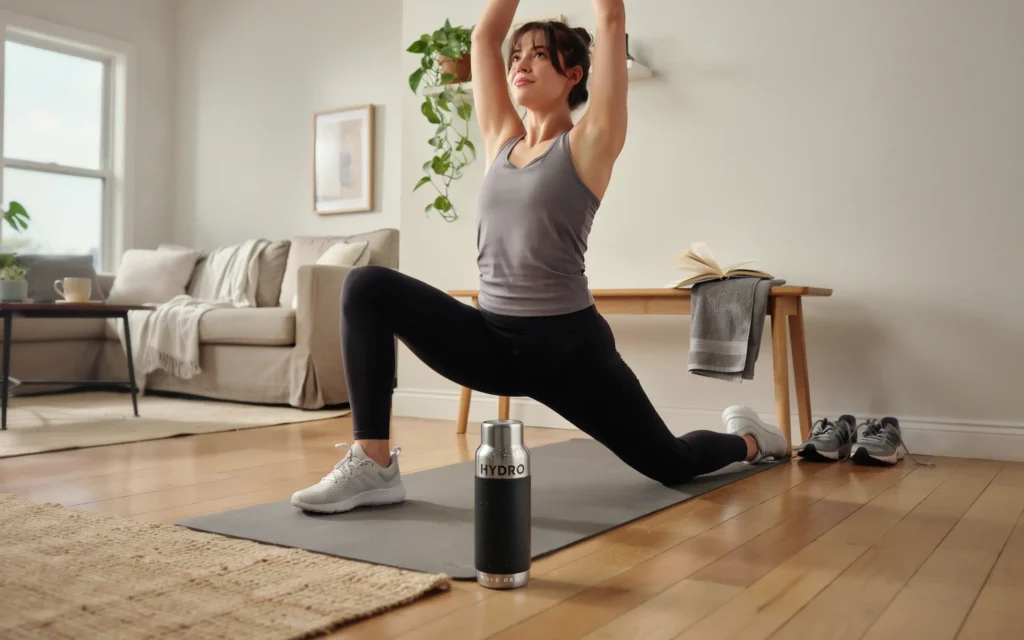
Pick one tiny movement. Do it today. Right after you finish reading this sentence. Stand up and stretch your arms to the sky. March in place for ten seconds. That is your first step. Tomorrow, do the same. Add one more tiny movement somewhere in your day.
Do not wait for Monday. Do not wait for perfect conditions. Your body is ready right now. It does not care if you are fit or out of shape. It just wants to move. Give it that gift. Start so small you cannot fail. Then watch how those small moments build into a healthier, happier life. You can do this. One minute at a time.
Related posts
 Understanding Fitness Checkup Consultation Cost and Professional Assessment Resources for 2026
Explore Understanding fitness checkup consultation cost factors and professional assessment resources to help you make informed decisions about your health and training goals. Navigating the world…
 Gym Membership Discount Price Alternatives for 2026 Home Fitness
Looking for a gym membership discount price Alternatives? Explore smart home fitness alternatives and equipment to save money and build your own workout space in 2026.…
 Buy Home Workout Sliders: 2026 Guide to Core Fitness Tools
Looking to buy home workout sliders? Compare top-rated gliding discs and core trainers to find the right equipment for your 2026 fitness routine. Adding core sliders…