
Is Linen Good for Everyday Clothing? The Practical Wear and Care Reality
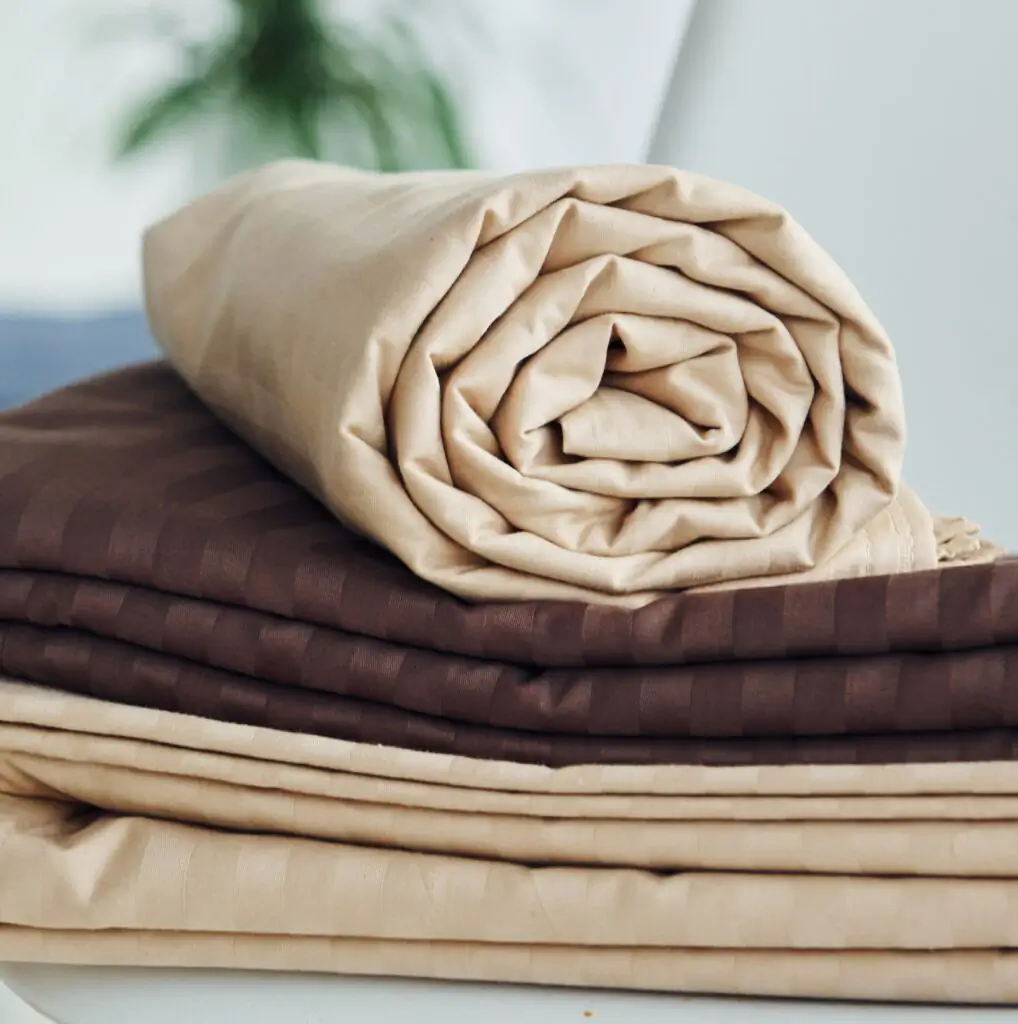
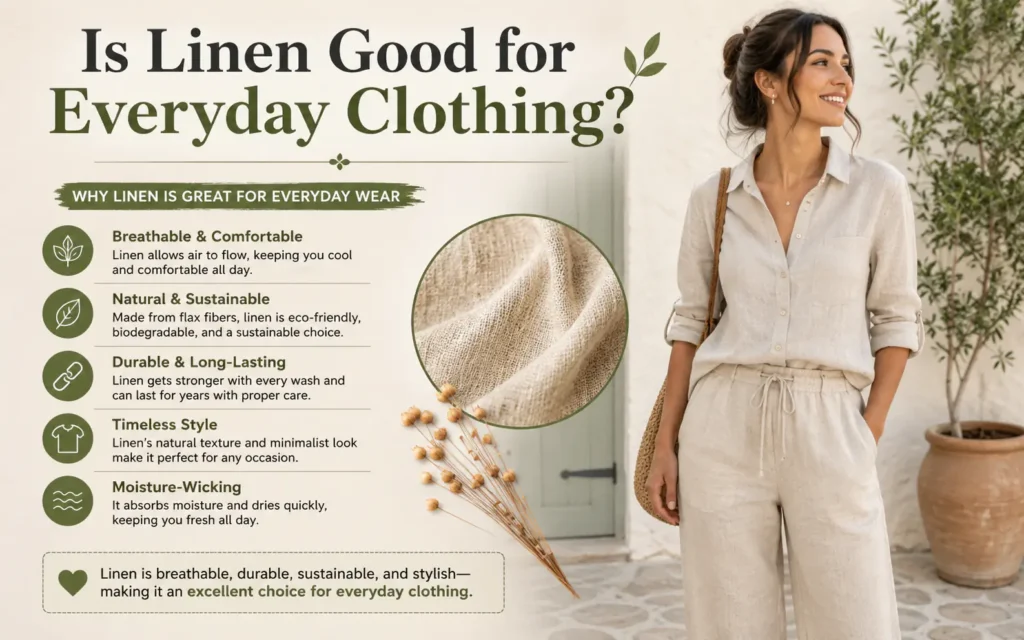
Yes, linen is excellent for everyday clothing, especially if you value breathability, durability, and natural comfort. Made from the fibers of the flax plant, linen is one of the strongest natural textiles available. It naturally wicks moisture away from the body and allows air to circulate freely, making it incredibly comfortable for warm weather and daily activities.
However, whether linen is right for your specific daily routine depends on your relationship with wrinkles. Pure linen creases almost immediately upon wear. If your daily life requires a pristine, stiffly pressed look, you might find pure linen high-maintenance. For a more relaxed, casual lifestyle, its lived-in texture is part of its classic charm.
To make linen work for everyday wear, you do not need to spend hours ironing. Choosing the right fabric weight, considering smart fiber blends, and using simple laundry habits can give you all the comfort of linen without the constant upkeep.
| Topic | When it helps | What to keep in mind |
|---|---|---|
| 100% Pure Linen | Hot, humid days, casual weekend wear, and loose-fitting shirts or trousers. | Will crease deeply the moment you sit down; requires a relaxed attitude toward wrinkling. |
| Linen-Cotton Blend | Smart-casual work environments, everyday t-shirts, and structured shorts. | Slightly less cooling than pure linen in extreme heat. |
| Linen-Viscose Blend | Dresses, fluid skirts, and lightweight summer blazers. | Viscose can weaken when wet, so these garments require gentler washing. |
The Real Pros and Cons of Daily Linen Wear
Linen is a powerhouse fabric when it comes to longevity. Unlike synthetic fibers that trap heat and degrade after a few dozen washes, linen fibers are thick and resilient. In fact, linen actually becomes stronger when wet, meaning it holds up exceptionally well to frequent laundering. It also dries much faster than cotton, which is a major plus for a rotating daily wardrobe.
The main hurdle for most people is the creasing. Flax fibers are stiff and lack elasticity. When they bend, they stay bent until moisture or heat relaxes them again. If you can reframe those creases as a sign of high-quality, natural luxury, linen becomes incredibly liberating to wear.
Sitting at a desk for four hours in pure linen trousers will create deep creases across the lap. Knowing this helps you choose a darker color or a blend to camouflage the folds.
Expecting pure linen to stay perfectly smooth throughout a busy workday.
- Highly absorbent: Pulls moisture away from the skin to keep you dry.
- Hypoallergenic: Gentle on sensitive skin and less likely to trap dust or pollen.
- Eco-friendly: Flax requires significantly less water and pesticides to grow than conventional cotton.
- Static-free: Does not cling to the body or attract lint like synthetic fabrics.
| Fabric Type | Breathability | Wrinkle Level | Best Daily Use |
|---|---|---|---|
| 100% Linen | Maximum | High | Casual shirts, beachwear, loose trousers |
| Linen-Cotton Blend | High | Moderate | Office casual, daily shorts, structured dresses |
| Linen-Viscose Blend | Medium-High | Low-Moderate | Draped dresses, soft jackets, skirts |
| Linen-Polyester Blend | Medium | Low | Travel wear, uniforms, budget-friendly basics |
How to Wear Linen Daily Without Looking Messy
The secret to wearing linen successfully every day lies in contrast and structure. If you wear a loose linen top, pair it with more structured bottoms, like tailored chinos or fitted jeans. This prevents the overall silhouette from looking sloppy.
Color choice also plays a massive role in how visible wrinkles are. Light colors like white, cream, and pastel blue show shadows clearly, making creases stand out. Darker shades like navy, olive, charcoal, and black hide wrinkles incredibly well, making them much safer choices for a casual office environment.
Pairing a relaxed, slightly wrinkled linen button-down shirt with structured, dark denim jeans and leather loafers creates a balanced, intentional outfit.
Wearing oversized, unpressed linen from head to toe, which can look like sleepwear rather than a thought-out outfit.
- Embrace textured weaves: Herringbone or slub-textured linen naturally hides creases better than flat weaves.
- Layer strategically: A linen blazer over a smooth cotton t-shirt adds texture without looking unkempt.
- Choose the right fit: Avoid skin-tight linen garments. A slightly looser fit allows the fabric to drape naturally and reduces high-tension creasing at the joints.
Essential Care Rules for Everyday Linen
Caring for daily linen does not require a trip to the dry cleaners. In fact, machine washing is usually better for the fabric, as it helps break in the stiff fibers over time. The key is to avoid high heat and excessive friction, which can cause the fibers to break and fray.
When washing linen, use a gentle cycle with cool or lukewarm water and a mild detergent. Avoid overloading the machine, as linen needs room to move around freely to prevent deep, tangled creases from forming during the spin cycle.
Instead of ironing a dry linen shirt, hang it in the bathroom while you take a hot shower. The steam will naturally relax the major creases without any physical effort.
Putting linen in a hot dryer until it is bone-dry, which bakes wrinkles into the fabric and weakens the flax fibers.
- Shake it out immediately: As soon as the wash cycle ends, take the garment out, give it a vigorous shake, and smooth the seams with your hands.
- Air dry when possible: Hang the garment on a padded hanger or lay it flat to dry. If you must use a dryer, use a low-heat setting and remove the garment while it is still slightly damp.
- Iron while damp: If you prefer a crisp look, iron linen while it is still damp using a high steam setting. Ironing dry linen is highly inefficient and can scorch the fabric.
Breathability and temperature regulation
- Linen is exceptionally durable and actually becomes softer and stronger with every wash.
- Wrinkling is a natural characteristic of flax fibers; embracing the relaxed look is key to enjoying pure linen.
- Linen-cotton or linen-viscose blends offer a smoother look with less maintenance than 100% linen.
- Proper washing-avoiding high heat and shaking the fabric out wet-drastically reduces deep creases.
Focus on the physical properties
100% Pure Linen. Pure Flax Linen
The traditional, unblended fabric. It offers maximum breathability, a distinct textured weave, and exceptional durability. It softens beautifully over time but wrinkles very easily.
- Hot, humid days, casual weekend wear, and loose-fitting shirts or trousers.
- Will crease deeply the moment you sit down; requires a relaxed attitude toward wrinkling.
- Choose medium-weight pure linen for pants and skirts to prevent them from looking too sheer or wearing out quickly in high-friction areas.
- Breathability – Excellent
- Wrinkle Resistance – Low
- Softness – Improves with age
Linen-Cotton Blend. Linen and Cotton Mix
By combining flax with cotton fibers, this blend retains much of linen’s airy feel while gaining the softness and structure of cotton. It wrinkles significantly less than pure linen.

- Smart-casual work environments, everyday t-shirts, and structured shorts.
- Slightly less cooling than pure linen in extreme heat.
- Look for a 55% linen and 45% cotton split for the perfect balance of texture and easy care.
- Breathability – Very Good
- Wrinkle Resistance – Moderate
- Softness – Soft from the start
Linen-Viscose Blend. Linen and Viscose/Rayon Mix
Viscose adds a silky drape and a soft hand-feel to the rustic texture of linen. This blend hangs beautifully on the body and resists sharp, stubborn creases.
- Dresses, fluid skirts, and lightweight summer blazers.
- Viscose can weaken when wet, so these garments require gentler washing.
- Check the care label, as some high-viscose blends may require dry cleaning or delicate hand-washing.
- Breathability – Good
- Wrinkle Resistance – Good
- Softness – Very Soft
FAQs
What is the main downside of linen?
The primary downside of linen is its lack of elasticity, which causes it to wrinkle very easily. It also tends to feel stiff when brand new, though it softens significantly with subsequent washes.
Does linen shrink when you wash it?
Yes, pure linen can shrink, especially during its first wash. To prevent this, wash your linen garments in cold or lukewarm water and avoid hot tumble drying. Air drying is the safest method.
Is cotton or linen healthier to wear?
Both are healthy, natural fibers. However, linen is often considered superior for skin health in hot weather because it is more breathable, highly absorbent, and naturally hypoallergenic, making it less likely to irritate sensitive skin.
Can you wear linen to a professional office?
Yes, but it is best to choose structured linen blazers, darker colors, or linen-cotton blends. These options maintain a sharper shape throughout the day while still offering the cooling benefits of flax.
How do you soften stiff new linen quickly?
You can soften new linen by washing it with a cup of baking soda or a splash of white vinegar in place of fabric softener. Regular wear and washing will also naturally soften the fibers over time.

Conclusion
Linen is a fantastic choice for everyday clothing if you appreciate natural comfort, exceptional durability, and a relaxed aesthetic. While it does wrinkle easily, choosing smart blends like linen-cotton or opting for darker colors can easily mitigate this characteristic for professional settings.
By adopting a few simple laundry habits-like washing in cool water and hanging garments to dry while damp-you can enjoy all the cooling benefits of this ancient fabric without feeling chained to an ironing board. Start with one versatile piece and experience how much more comfortable your daily routine can be.
Related posts
 Best Claw Clips for Thick Hair in 2026
Finding the best claw clips for thick hair requires a balance of grip and size. Explore our top 2026 recommendations for secure, stylish, and reliable styling.…
 Best Conditioner for Dry Hair Women: 2026 Selection Guide
Find the best conditioner for dry hair women in 2026. We compare top-rated formulas to help you choose the right hydration and repair for your hair…
 Best Anti Aging Devices for Home Skincare in 2026
Explore the best anti aging devices for home 2026. Compare top-rated skin therapy wands, LED masks, and beauty massagers to find the right fit for your…