
Is Cardio Necessary For Fat Loss
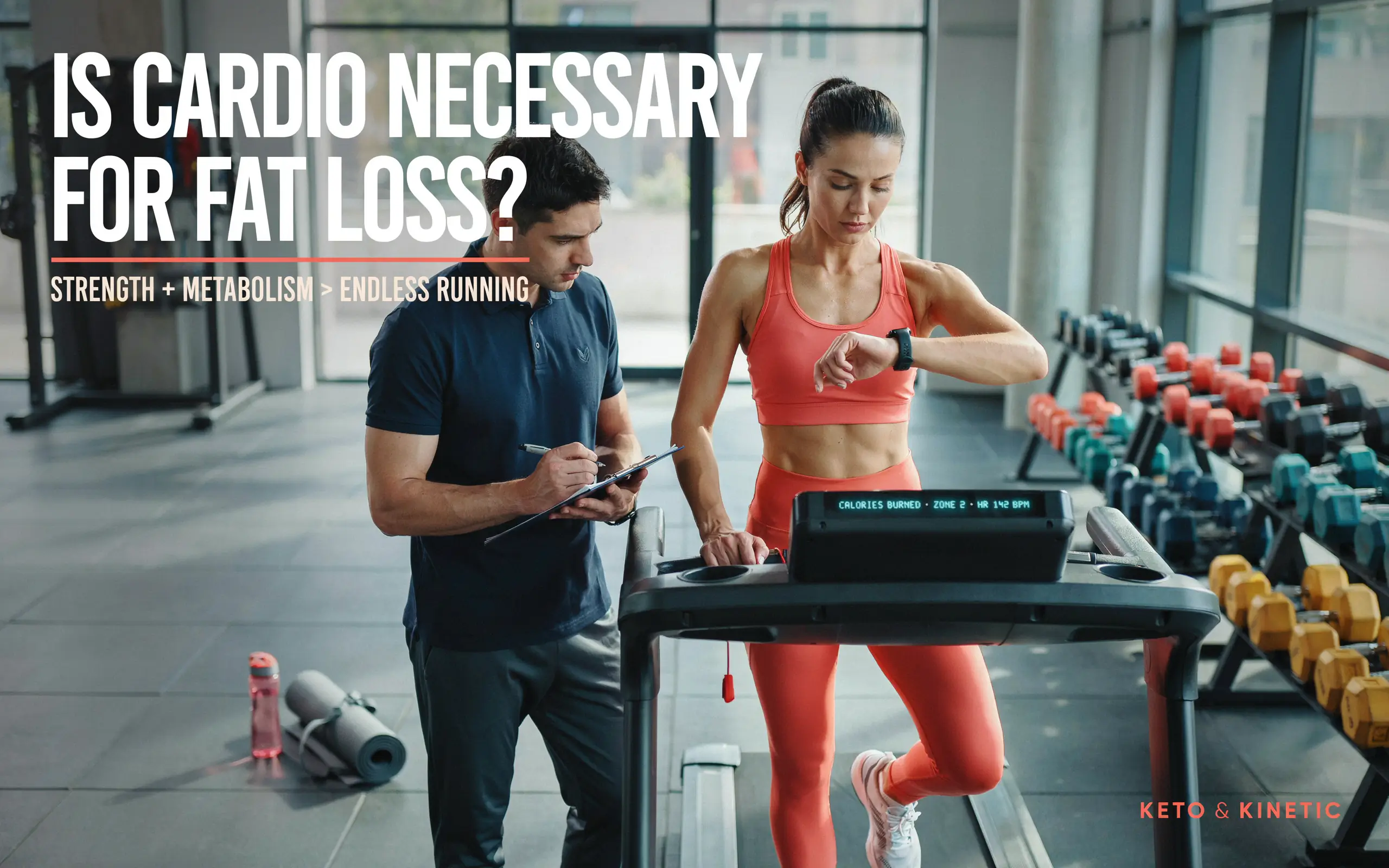
If you have ever wondered is cardio necessary for fat loss, the short answer is no. While cardio helps burn calories, you can lose fat through diet and strength training alone. Learn the facts here.
If you have spent any time looking into weight loss, you have probably seen conflicting advice about cardio. Some people say you must run for hours to shed body fat. Others claim cardio is a waste of time. So which is it? Is cardio necessary for fat loss, or can you skip it altogether?
Let us clear this up right now. The short answer is no. Cardio is not strictly necessary for fat loss. You can lose fat without doing any cardio at all. However, that does not mean cardio has no value. It can be a helpful tool, but it is not the magic bullet many people think it is.
In this article, we will break down what the science actually says. We will look at how fat loss works, what role cardio plays, and whether you really need it to reach your goals. By the end, you will know exactly what to do based on your own preferences and lifestyle.
What Actually Causes Fat Loss?
Before we answer whether cardio is necessary, we need to understand how fat loss happens. The basic principle is simple. You lose fat when you are in a calorie deficit. That means you consume fewer calories than your body uses each day.
Your body gets energy from three main sources: the food you eat, stored glycogen, and body fat. When you eat less than you burn, your body turns to its fat stores for fuel. Over time, this reduces your total body fat percentage.
There are two main ways to create a calorie deficit. You can eat fewer calories, or you can burn more calories through physical activity. The most effective approach for most people is a combination of both. But here is the key point. You do not have to do cardio to create that deficit. You can achieve it through diet alone.
Many studies have shown that dietary changes produce greater fat loss than exercise alone. One meta-analysis found that cardio without dietary changes was the least effective method for losing fat. In fact, the fat loss effect was very small. One researcher noted that over eight weeks of aerobic training, the average fat loss was only about half a pound.
So if you are wondering is cardio necessary for fat loss, the evidence says clearly that it is not. Nutrition plays a much bigger role.
Does Cardio Help Burn Fat?
Even though cardio is not required, it does help. Cardio increases your total daily energy expenditure. That means you burn more calories throughout the day, which can widen your calorie deficit.
When you do cardio, your body uses energy from carbohydrates and fats. Over time, regular aerobic exercise can improve your metabolic flexibility. This is your body’s ability to switch between burning carbs and fats for fuel. Cardio also improves insulin sensitivity, which may reduce fat storage over time.
However, the amount of fat you burn during a cardio session is often overestimated. A typical 30-minute jog burns around 200 to 300 calories. That is roughly the same as a large handful of nuts. It is much easier to cut those calories from your diet than to burn them off through exercise.
Fitness expert Jeremy Ethier points out that the calories burned from typical cardio sessions are relatively small. He notes that a half-hour jog three times a week adds up to only about 600 extra calories burned. To lose one pound of body fat, you need a deficit of about 3,500 calories.
So while cardio does help burn fat, it is not the most efficient way to create a large calorie deficit. Diet is far more effective.
Cardio vs. Diet for Creating a Calorie Deficit
| Approach | Calories Affected | Effort Required | Sustainability |
|---|---|---|---|
| Reducing daily food intake by 500 calories | 500 calories less per day | Moderate | High with good food choices |
| 30 minutes of jogging | 200-300 calories burned | High | Can be hard to maintain daily |
| 1 hour of brisk walking | 250-350 calories burned | Low to moderate | Easier to do regularly |
| Cutting out one sugary drink per day | 150-250 calories less | Very low | Very sustainable |
This table shows why diet often wins for fat loss. Cutting calories from food takes less time and effort than burning them through exercise.
What Does the Research Say About Cardio and Fat Loss?
The research on cardio for fat loss is clear. Cardio can help, but it is not the most important factor. A 2025 meta-analysis of 31 randomized controlled trials compared aerobic exercise, resistance training, and a combination of both. The results showed that programs including aerobic exercise led to slightly more fat loss than resistance training alone. The difference was about 1.1 kilograms, or 2.4 pounds.
However, resistance training came out ahead for preserving muscle mass. Participants who did strength training gained about 0.9 kilograms more muscle compared to those who only did cardio.
Another analysis found that for studies lasting longer than 10 weeks, aerobic training edged out resistance training for fat loss by about one kilogram. But the difference was small. And in studies that matched total energy expenditure between groups, there was no significant difference at all.
What does this mean for you? It means both cardio and strength training can help with fat loss. But neither is absolutely necessary. The most important factor is maintaining a calorie deficit.
Dr. Layne Norton, a respected figure in the fitness industry, puts it simply. He says that cardio is not an absolute necessity for achieving fat loss. You can absolutely lose fat without doing cardio as long as you get a calorie deficit through lifting and nutrition.
Can You Lose Fat Without Cardio?
Yes, you can. Many people have lost significant amounts of body fat without doing any traditional cardio. They focus on their diet and incorporate strength training instead.
Strength training is particularly valuable for fat loss because it helps preserve muscle mass. When you are in a calorie deficit, your body can break down muscle tissue for energy. Resistance training signals your body to hold onto that muscle. This is important because muscle tissue is metabolically active. It burns calories even when you are at rest.
Dr. Norton himself lost nearly 30 pounds not through cardio, but by consistently hitting his daily step goal and focusing on his diet. He did not spend hours on a treadmill. He simply moved more throughout the day and ate properly.
You can also lose fat through diet alone. Studies have shown that dietary restriction without exercise can produce significant weight loss. The key is to create a calorie deficit that is sustainable for you.
So if you hate running or cycling, do not worry. You do not have to force yourself to do cardio. There are other ways to reach your fat loss goals.
Why Do People Think Cardio Is Necessary?
The idea that cardio is necessary for fat loss comes from a few places. First, cardio does burn calories. It is logical to think that burning more calories will lead to more fat loss. And that is true to some extent. But the effect is often smaller than people expect.
Second, the fitness industry has promoted cardio for decades. In the 1970s and 1980s, aerobics and steady-state cardio were seen as the main ways to lose weight. This message stuck. Many people still believe that you have to sweat for hours to see results.
Third, cardio has many health benefits. It improves heart health, lung function, and overall fitness. These benefits are real and important. But they are separate from fat loss. You can be healthy without doing cardio, and you can lose fat without doing cardio.
The confusion comes from mixing up health benefits with fat loss requirements. Cardio is great for your heart. But it is not required for losing body fat.
The Benefits of Cardio Beyond Fat Loss
Even though cardio is not necessary for fat loss, it still offers many benefits. These are worth considering when you decide whether to include cardio in your routine.
Heart health: Cardio strengthens your heart and lungs. Regular aerobic exercise reduces your risk of heart disease, stroke, and high blood pressure.
Longevity: Studies have linked regular cardio exercise to a longer life. Even moderate amounts of activity can make a difference.
Mood and mental health: Exercise releases endorphins that improve your mood. It can reduce stress, anxiety, and symptoms of depression.
Better sleep: Regular physical activity helps you fall asleep faster and sleep more deeply.
Increased energy: Over time, cardio improves your stamina and energy levels throughout the day.
These benefits are valuable. They are reasons to consider adding cardio to your life, even if it is not required for fat loss.
How Much Cardio Do You Really Need?
If you decide to include cardio, how much should you do? The answer depends on your goals and preferences. There is no set amount that works for everyone.
The American Heart Association recommends at least 150 minutes of moderate-intensity aerobic activity per week for general health. That is about 30 minutes, five days a week. For more substantial fat loss, some studies have found that 300 minutes per week leads to greater reductions in body fat.
But remember, these recommendations are for health, not necessarily for fat loss. You do not need to hit these targets to lose fat. You can lose fat with less cardio or none at all.
If you enjoy cardio, by all means, do it. If you do not enjoy it, you can focus on other methods. Consistency matters more than the specific type of exercise you choose.
Types of Cardio and Their Characteristics
| Type of Cardio | Intensity | Calories Burned | Effect on Muscle | Best For |
|---|---|---|---|---|
| Low-intensity steady-state (walking) | Low | Moderate | Minimal loss | Beginners, recovery days |
| Moderate-intensity (jogging, cycling) | Moderate | Good | Some loss possible | General fitness, heart health |
| High-intensity interval training (HIIT) | High | Very good | Minimal loss | Time-efficient fat loss |
| Incline walking | Moderate | Good | Minimal loss | Fat loss with low joint impact |
This table shows that different types of cardio have different effects. HIIT burns more calories in less time. Low-intensity walking is easier to recover from. Choose what fits your lifestyle.
Should You Combine Cardio With Strength Training?
Combining cardio with strength training is often the best approach for overall health and body composition. Research suggests that people who combine both are more likely to maintain weight loss long-term.
Strength training preserves muscle mass during fat loss. This is crucial because losing muscle can slow down your metabolism. When you lose muscle, your resting metabolic rate drops. That means you burn fewer calories at rest, which can make it harder to keep the weight off.
Cardio, on the other hand, increases your daily calorie burn. It helps you create a larger deficit without cutting too many calories from food. This can make your diet more flexible and enjoyable.
The combination of both gives you the best of both worlds. You burn extra calories through cardio while protecting your muscle through strength training.
Fitness expert Jeff Nippard notes that it takes about three hours of brisk walking to burn 1,000 calories for a person weighing 77 kilograms. That is a lot of walking. But when combined with a proper diet, even moderate amounts of cardio can make a difference.
What About Fasted Cardio?
Fasted cardio is a popular trend. The idea is that doing cardio on an empty stomach forces your body to burn more fat for fuel. While it is true that fasted cardio increases fat oxidation during the workout, this does not necessarily translate to greater fat loss over time.
Studies comparing fasted and fed cardio show no significant difference in overall body fat reduction. The total calorie deficit matters more than when you eat relative to your workout.
Dr. Layne Norton clarifies that fasted cardio is a matter of personal preference, not a necessity for effective weight loss. If you enjoy working out on an empty stomach, go ahead. But do not expect it to give you better results than fed cardio.
Practical Tips for Fat Loss Without Cardio
If you want to lose fat without doing cardio, here are some practical steps you can take.
Focus on your diet: This is the most important factor. Create a moderate calorie deficit by eating whole, nutrient-dense foods. Prioritize protein, fiber, and healthy fats.
Lift weights: Strength training helps you preserve muscle mass while losing fat. Aim for at least two to three sessions per week.
Increase your daily activity: You do not need formal cardio. Simply walking more, taking the stairs, and staying active throughout the day can make a big difference.
Get enough sleep: Poor sleep can disrupt hormones that regulate hunger and fat storage. Aim for seven to nine hours per night.
Manage stress: Chronic stress can lead to emotional eating and increased fat storage, especially around the belly.
These strategies work together to create a sustainable fat loss plan. You do not need to run on a treadmill to see results.
Frequently Asked Questions
Is cardio necessary for fat loss?
No, cardio is not necessary for fat loss. You can lose fat through diet and strength training alone. Cardio can help, but it is not required.
Can I lose weight without doing cardio?
Yes, you can lose weight without cardio. Creating a calorie deficit through diet is the most effective way to lose fat.
Does cardio burn belly fat?
Cardio can help reduce overall body fat, including belly fat. However, spot reduction is not possible. You cannot choose where you lose fat from.
How much cardio should I do for fat loss?
There is no set amount. Some studies suggest 150 to 300 minutes per week for health benefits. But you can lose fat with less or no cardio.
Is HIIT better than steady-state cardio for fat loss?
HIIT burns more calories in less time and may have a slight afterburn effect. Both HIIT and steady-state cardio can help with fat loss.
Will cardio make me lose muscle?
Excessive cardio without strength training can lead to muscle loss. Combining cardio with resistance training helps preserve muscle.
What is the best exercise for fat loss?
The best exercise is the one you enjoy and can do consistently. Both cardio and strength training can help with fat loss.
Can I do cardio every day?
You can do cardio every day, but rest and recovery are important. Overtraining can lead to fatigue and injury.
Does fasted cardio work better for fat loss?
Research shows no significant difference between fasted and fed cardio for fat loss. It is a matter of personal preference.
Should I do cardio before or after weights?
Some studies suggest doing weights before cardio may lead to slightly better fat loss results. However, the difference is small. Do what works best for your schedule.
Conclusion
So is cardio necessary for fat loss? The answer is no. You can absolutely lose fat without doing any cardio. The key to fat loss is a calorie deficit, and you can achieve that through diet alone.
Cardio does have benefits. It burns extra calories, improves heart health, and boosts your mood. But it is not a requirement. If you enjoy cardio, include it in your routine. If you do not, focus on your nutrition and strength training instead.
The most important thing is to find an approach that works for you. Consistency matters more than any single exercise or diet rule. Whether you choose to do cardio or not, the best plan is one you can stick with long-term.
Remember what Dr. Layne Norton said. Cardio is not an absolute necessity for achieving fat loss. You can absolutely lose fat without doing cardio as long as you get a calorie deficit through lifting and nutrition.
Focus on what you eat, move your body in ways you enjoy, and be patient. Fat loss takes time, but it is achievable without endless hours on a treadmill.
Related posts
 How to Strengthen Weak Nails: A Practical Guide to Daily Care
Learn how to strengthen weak nails with simple daily habits, protective care, and targeted hydration. Restore your natural nail strength today. Weak, peeling, or brittle nails…
 What Sounds Do Cats Dislike? 7 Noises That Stress Your Pet
Discover what sounds do cats dislike and why. Learn how to protect your cat’s sensitive hearing from stressful household noises and high-frequency hums. Cats dislike sounds…
 Restoring Faded Black Clothing: Practical Methods and Reality Checks
Can you restore faded black clothing? Learn the difference between temporary color revival and permanent redyeing, plus how to prevent future fading. You can restore the…