
How to Organize a Kitchen with Limited Cabinets: Practical Storage Steps
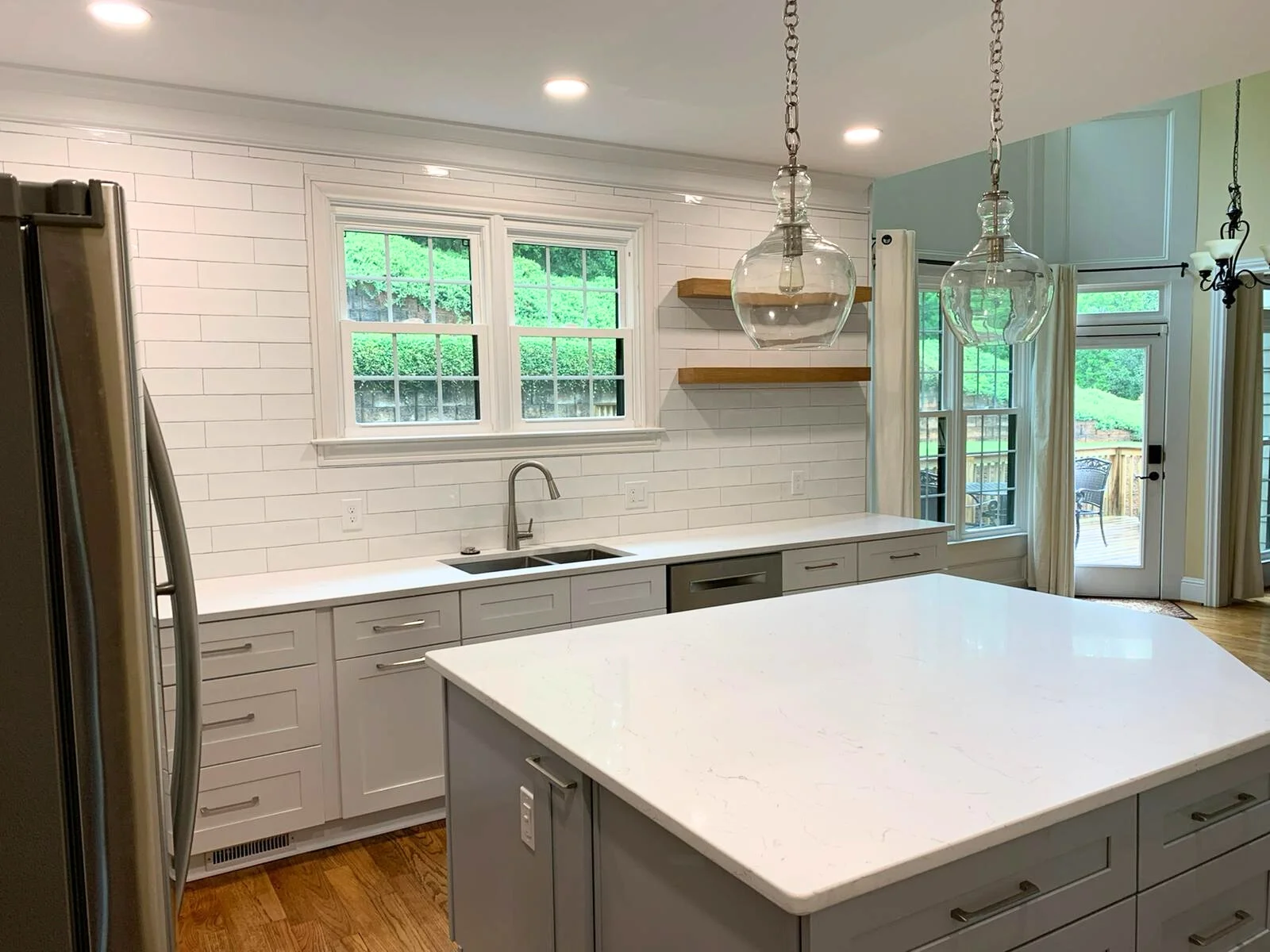
Organizing a kitchen with limited cabinets requires expanding usability vertically and adding flexible external storage. The key is reserving primary cabinet space exclusively for daily cooking tools and moving secondary items onto wall racks, interior shelf risers, or mobile utility carts.
Start by auditing your belongings and clearing out unitialized single-use tools. Once inventory matches your real daily needs, install modular interior organizers like stackable risers and door baskets, then extend storage outward using pegboards, magnetic knife bars, and slim rolling carts.
Sorting and inventory reduction before
- Reserve built-in cabinet space strictly for items used daily.
- Double interior cupboard height using wire risers and under-shelf baskets.
- Utilize vertical wall surfaces with magnetic rails, pegboards, and rail systems.
- Incorporate a narrow rolling cart for pantry items or loose appliances.
- Clear counter prep surfaces by transferring spice jars and utensils to wall mounts.
| Topic | When it helps | What to keep in mind |
|---|---|---|
| Step 1 | Initial kitchen reset in homes with severe cabinet shortages. | Avoid keeping duplicate gadgets or specialty appliances you only use once or twice a year. |
| Step 2 | Maximizing short stacked dishes, mugs, and baking pans inside deep cabinets. | Measure interior cabinet depth and height before purchasing risers to avoid blocking cabinet doors. |
| Step 3 | Small kitchens with open wall space near the stove or sink. | Ensure wall anchors match your wall type, especially if hanging heavy cast iron pans. |
| Step 4 | Renters who cannot drill into walls but have narrow floor gaps near refrigerators or counters. | Check wheel locks and weight limits before loading heavy appliances like stand mixers. |
Focus strictly on inventory reduction
Step 1. Purge and Zone Items by Daily Usage
Remove every item from your existing cupboards and divide them into three categories: everyday essentials, seasonal tools, and unused clutter. Store daily items in your easiest-to-reach cabinet pockets.
- Initial kitchen reset in homes with severe cabinet shortages.
- Avoid keeping duplicate gadgets or specialty appliances you only use once or twice a year.
- If an item has not been touched in six months, move it to secondary storage outside the kitchen or donate it.
- Time Required – 1-2 hours
- Cost – Free
- Space Gain – High
Step 2. Multiply Cupboard Capacity with Shelf Risers and Separators
Standard kitchen cabinets leave substantial empty space above dinnerware. Install stackable wire shelf risers, hanging under-shelf baskets, and vertical cookie sheet dividers to use every vertical inch.
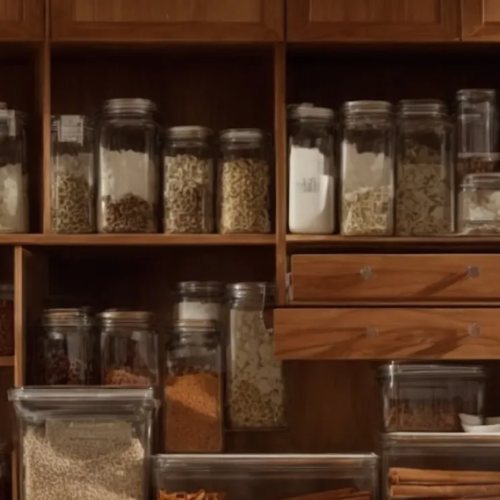
- Maximizing short stacked dishes, mugs, and baking pans inside deep cabinets.
- Measure interior cabinet depth and height before purchasing risers to avoid blocking cabinet doors.
- Use vertical dividers for flat items like cutting boards and baking sheets instead of stacking them horizontally.
- Time Required – 30 minutes
- Cost – Low ($15 – $35)
- Space Gain – Medium-High
Step 3. Convert Bare Wall Surfaces into Active Storage
Attach hanging rails, magnetic bars, or pegboards to empty wall patches or cabinet sides. This removes heavy knife blocks, cooking spoons, and spice bottles from your counter and cabinets.
- Small kitchens with open wall space near the stove or sink.
- Ensure wall anchors match your wall type, especially if hanging heavy cast iron pans.
- Mount magnetic strips near the food prep zone to hold chef knives and metal spice tins securely.
- Time Required – 1 hour
- Cost – Moderate ($20 – $50)
- Space Gain – High
Step 4. Introduce Mobile Carts and Freestanding Shelving Racks
When cabinet walls are completely full, bring in a three-tiered rolling utility cart or a slim slide-out pantry tower to store oils, dry foods, or small electric appliances.
- Renters who cannot drill into walls but have narrow floor gaps near refrigerators or counters.
- Check wheel locks and weight limits before loading heavy appliances like stand mixers.
- Select a cart that matches your counter height to extend your usable prep surface when parked.
- Time Required – 45 minutes
- Cost – Moderate ($30 – $70)
- Space Gain – High
Audit Inventory and Assign Cabinet Real Estate
Limited cupboard space fails quickly when flooded with items you rarely use. Before buying baskets or organizers, pull everything out onto your table or counter. Group tools by how frequently you touch them, reserving primary cabinets solely for daily cookware, dinnerware, and core spices.
Infrequently used items-such as turkey roasters, blender attachments, or backup paper supplies-do not belong in mid-height cabinet shelves. Relocate them to high cabinet perches, under-bed storage bins, or nearby closet shelves to keep central prep areas clear.

Store coffee mugs and daily breakfast bowls in the cabinet right above the coffee maker, while placing fondue pots and holiday platters in top-shelf bins or closet storage.
Filling prime cabinet real estate with specialty gadgets or bulk pantry goods bought in excess.
- Primary zone (chest to eye level): Daily plates, glasses, primary frying pans.
- Secondary zone (lower drawers and floor cabinets): Heavy pots, mixing bowls, colanders.
- Tertiary zone (high shelves or external rooms): Seasonal cookware, bulk food items, backup paper products.
Choosing the Right Storage Hardware for Small Kitchens
Not all storage accessories solve the same problem. Adding the wrong rack can actually waste space if it limits clear access or fails to fit your cabinet dimensions. Matching the organizer type to your actual layout bottleneck yields the best returns.
Review the options below to evaluate cost, drill requirements, and primary usage before purchasing organizing accessories for your small layout.
Placing a pull-out wire basket inside a deep, dark lower cabinet lets you access items stored in the back without taking everything out first.

Buying non-adjustable shelves that prevent tall water bottles or cereal boxes from standing upright.
| Storage Hardware | Best Application | Installation Type | Rental Friendly |
|---|---|---|---|
| Wire Shelf Risers | Doubling vertical space for short plates/cups | Freestanding | Yes |
| Magnetic Knife Bar | Clearing counter blocks and drawer space | Screw mount or adhesive strip | Yes (with adhesive) |
| Rolling Utility Cart | Adding mobile pantry space or small appliance storage | Freestanding floor unit | Yes |
| Under-Sink Tiered Slide-Outs | Navigating around plumbing traps and disposal units | Freestanding or slide rail | Yes |
| Wall-Mounted Pegboard | Hanging pots, pans, colanders, and measuring cups | Anchored wall screws | Moderate (requires wall patch) |
Maximizing Countertop Efficiency and Vertical Walls
When cabinet space is low, counter space usually suffers first. Leaving cutting boards, utensil crocks, and spice racks across open prep surfaces leaves no room for cooking. The solution is lifting daily tools onto vertical wall planes.
Backsplash areas, cabinet sides, and empty walls around window frames are prime zones for vertical hardware. Adhesive S-hook rails, wall baskets, and corner shelves convert empty drywall into instant, accessible storage pockets.
Mount an adhesive steel rail with S-hooks along the backsplash to hang ladles, spatulas, and oven mitts off the counter surface.
Overloading countertops with loose containers, creating visual chaos and reducing prep room.
- Use adhesive wall hooks on cabinet sides to hold cutting boards or dish towels.
- Install a multi-tier spice rack on the interior face of a pantry door.
- Choose a narrow over-the-sink drying rack to keep dishwashing tools from crowding counter prep zones.
FAQs
How do I organize a kitchen with no upper cabinets at all?
Focus heavily on sturdy wall-mounted open shelving, wall-hung pegboards, and rail systems. Use lower cabinets strictly for heavy pots and dishware, and place everyday glassware, bowls, and dry grains in clear jars directly on floating wall shelves.
What is the best way to keep open kitchen shelves from looking messy?
Stick to a uniform color palette for stored dishes and use matching clear glass jars or woven baskets for loose pantry items. Group similar items together and leave small gaps between sets to avoid visual clutter.
How do I organize deep lower cabinets without drawers?
Install pull-out wire baskets or slide-out wooden tray inserts. If retrofitting hardware is not an option, use long plastic storage bins with handles that slide out like pull-out drawers.
How can renters add storage without losing security deposits?
Rely on freestanding utility carts, tension-rod dividers inside cupboards, over-the-door storage racks, and heavy-duty removable adhesive wall hooks that leave no drill holes behind.
Conclusion
Organizing a kitchen with limited cabinets comes down to active inventory management and vertical expansion. By keeping only your daily essentials inside primary cupboards, you instantly clear working room for what matters most during meal prep.
Using low-cost additions like interior wire risers, wall-mounted rails, and rolling carts lets you double your total storage capacity without costly structural remodels. Measure your space, select two or three modular solutions that fit your layout, and transform your compact kitchen into a functional workspace.
Related posts
 How to Test Car Wiring for Continuity Using a Multimeter
Learn how to test car wiring for continuity safely. Find broken automotive wires, check connector ports, and diagnose electrical issues with a multimeter. Testing car wiring…
 Why Organizing Space Reduces Stress: The Mental Clarity Connection
Discover why organizing space reduces stress. Learn how a tidy environment lowers cortisol, improves focus, and creates a sense of calm in your daily life. Organizing…
 Why Fresh Air Is Important in Your Home: Health and Comfort Benefits
Discover why fresh air is important in your home. Learn how proper ventilation dilutes indoor pollutants, controls humidity, and improves your daily health. Bringing fresh outdoor…