
How To Clean Dog Ears At Home
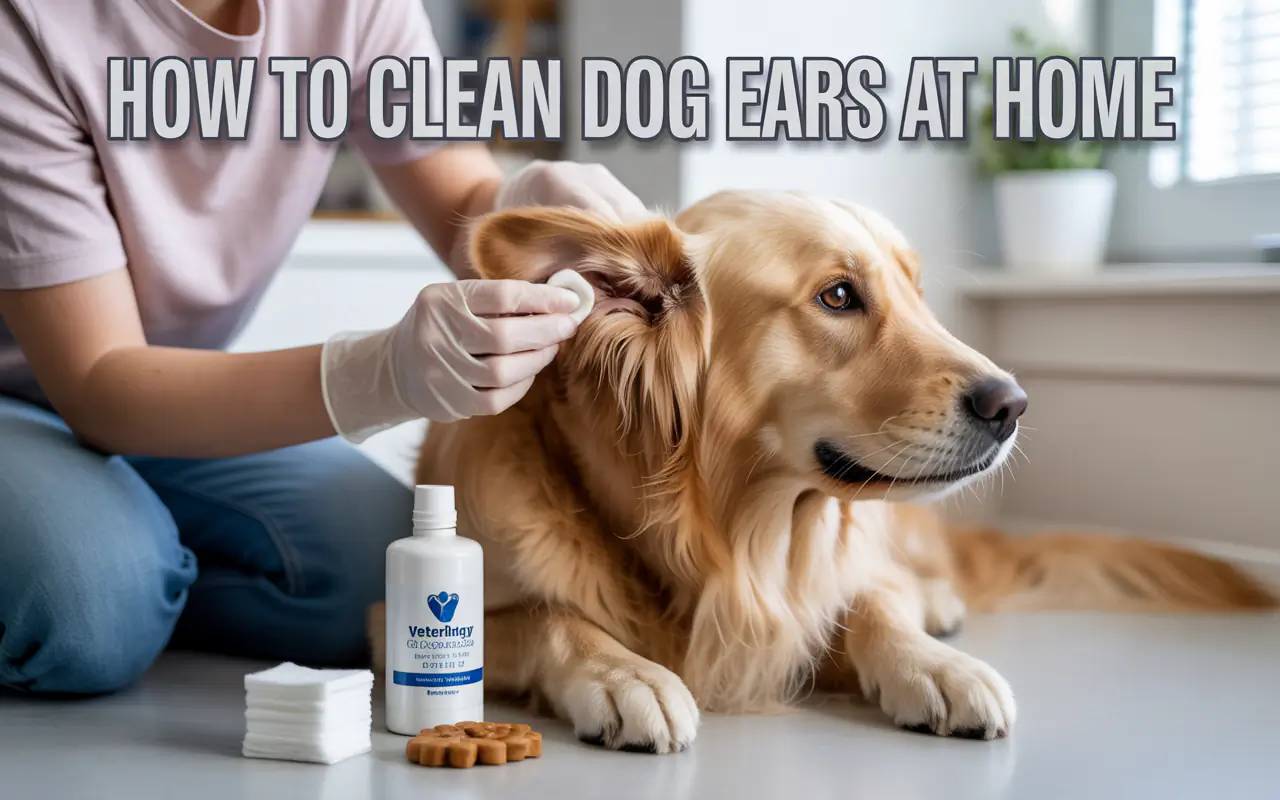
Learn how to clean dog ears at home safely with this vet-approved guide. Discover the right supplies, step-by-step instructions, and tips to prevent ear infections in your furry friend.
Your dog depends on you for their health and happiness. Among the many things you do for them, ear care often gets overlooked. But regular ear cleaning is a vital part of your dog’s wellness routine. Many owners worry about hurting their pets or doing something wrong. The good news is that learning how to clean dog ears at home is simple and safe when you know the right steps.
This guide will walk you through everything you need to know. From understanding your dog’s ear anatomy to choosing the best products, we cover it all. We’ll also look at signs of ear problems and when to call the vet. By the end, you will feel confident caring for your dog’s ears at home.
Why Ear Cleaning Matters for Your Dog’s Health
Dogs have ear canals that are shaped differently from ours. Their ear canal is L-shaped, with a vertical part and a horizontal part. This shape can trap dirt, wax, and moisture. When these things build up, they create a perfect home for bacteria and yeast.
Regular cleaning prevents infections. It also helps you spot problems early. You might notice your dog scratching their ears more than usual. Or you may see them shaking their head often. These are signs that their ears need attention.
A clean ear is a healthy ear. When you know how to clean dog ears at home, you save money on vet visits. You also keep your dog comfortable and free from painful ear issues.
“Preventive care is always better than treating a problem after it starts. Regular ear cleaning is one of the easiest ways to keep your dog healthy between vet visits.” – Dr. Sarah Thompson, DVM
Dog Ear Anatomy: What You Need to Know
Before you begin cleaning, it helps to understand your dog’s ear structure. The visible part is called the pinna. This is the flap you see on the outside. The ear canal goes down and then turns inward. This L-shape makes it easy for debris to get trapped.
The type of ear your dog has affects how often you need to clean. Dogs with floppy ears like Basset Hounds or Cocker Spaniels have less air circulation. This means more moisture and a higher risk of infections. Dogs with upright ears like German Shepherds have better airflow but still need regular cleaning.
Dogs that swim a lot or spend time outdoors also need more frequent ear care. Water can get trapped in the ear canal. This creates a damp environment where germs thrive.
Signs Your Dog Needs Their Ears Cleaned
How do you know when to clean your dog’s ears? Look for these common signs:
- Head shaking or tilting
- Scratching at the ears
- Redness or swelling inside the ear
- A bad smell coming from the ear
- Dark or waxy discharge
- Scratching or rubbing ears against furniture or the floor
- Sensitivity when you touch their ears
These symptoms can also indicate an infection. If you see any of these signs, check the ears carefully. If the ear looks very red, swollen, or painful, see your vet first.
Supplies You Need to Clean Dog Ears at Home
Gathering the right supplies makes the process easier and safer. Here is a checklist of what you need:
Essential Supplies:
- Vet-approved ear cleaning solution
- Cotton balls or gauze pads
- Cotton swabs (for the outer ear only)
- Towel or cloth
Optional but Helpful:
- Ear drying powder
- Treats for positive reinforcement
- A helper for nervous dogs
| Supply | Purpose | Important Notes |
|---|---|---|
| Ear cleaning solution | Breaks down wax and debris | Use only vet-approved products |
| Cotton balls | Wipes away dirt and solution | Avoid cotton-tipped swabs in the canal |
| Towel | Catches drips and messes | Keep your dog dry and comfortable |
| Treats | Rewards good behavior | Use small, high-value treats |
Do not use vinegar, alcohol, or hydrogen peroxide. These can irritate your dog’s ears and cause more harm than good. Always use a solution made specifically for dogs.
Choosing the Right Ear Cleaning Solution
The market offers many ear cleaning products. Here is what to look for:
Ingredients to Look For:
- Gentle cleansing agents
- Drying agents like salicylic acid
- Antifungal or antibacterial properties
- Soothing ingredients like aloe vera
Ingredients to Avoid:
- Alcohol (can dry and irritate)
- Hydrogen peroxide (can damage tissue)
- Strong fragrances
- Artificial colors
Ask your vet for recommendations. They know your dog’s specific needs. Some dogs have sensitive ears and need a milder solution.
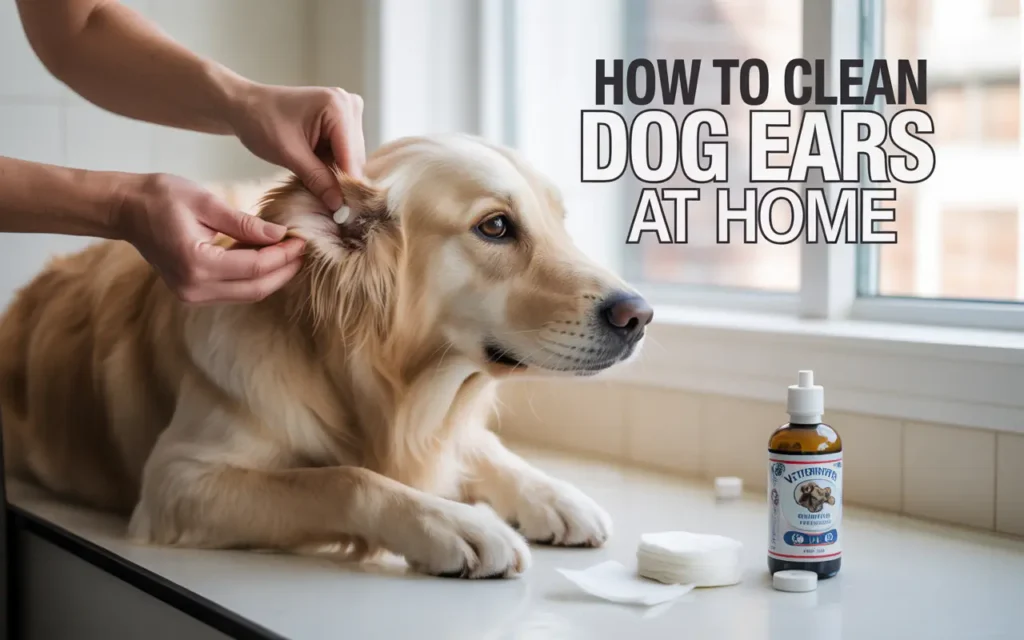
Step-by-Step Guide: How to Clean Dog Ears at Home
Now we get to the main part. Follow these steps to clean your dog’s ears safely and effectively.
Step 1: Prepare Your Space
Choose a quiet room where your dog feels comfortable. Sit on the floor or place your dog on a non-slip surface. Have all your supplies within reach. Keep treats nearby to reward your dog after cleaning.
Step 2: Calm Your Dog
Speak in a soft, soothing voice. Pet your dog to help them relax. Give them a treat to create a positive association. If your dog is nervous, go slowly. You might only clean one ear at a time until they get used to it.
Step 3: Inspect the Ear
Look inside your dog’s ear. A healthy ear is pink and clean. It has no odor or discharge. If you see redness, swelling, or a dark discharge, stop and call your vet.
Step 4: Apply the Cleaning Solution
Hold the bottle of ear cleaner over the ear canal. Gently squeeze the solution into the ear. Fill the ear canal until the solution is visible at the opening. Do not put the tip of the bottle into the ear.
Step 5: Massage the Base of the Ear
Gently massage the base of the ear for about 30 seconds. You should hear a squishing sound. This helps the solution break down wax and debris. Your dog might enjoy this part!
Step 6: Let Your Dog Shake
Step back and let your dog shake their head. This is a natural reflex that brings debris to the outer ear. Place the towel over their head to catch any flying solution.
Step 7: Wipe the Outer Ear
Use a cotton ball or gauze pad to wipe the outer ear. Clean the visible parts of the ear flap and the opening of the ear canal. Never push anything deep into the ear canal.
| Do This | Avoid This |
|---|---|
| Use soft cotton balls | Using cotton swabs in the canal |
| Wipe only what you can see | Pushing debris deeper |
| Be gentle and patient | Being rough or forceful |
| Reward good behavior | Forcing your dog to stay still |
Step 8: Dry the Ear
Use a dry cotton ball to remove any remaining moisture. You can also use a drying powder if your vet recommends it. Keep the ear dry to prevent infections.
Step 9: Repeat on the Other Ear
Follow the same steps for the other ear. Always clean the healthier ear first. This prevents spreading any potential infection.
Step 10: Reward Your Dog
Give your dog plenty of praise and treats. This helps them associate ear cleaning with positive experiences. Over time, they will become more cooperative.
How Often Should You Clean Dog Ears at Home?
The right frequency depends on your dog. Here are general guidelines:
- Normal ears: Once a month
- Floppy ears: Every two weeks
- Swimmers: After every swim
- Dogs with allergies: Weekly or as advised by your vet
- Dogs with past infections: Follow your vet’s schedule
Watch your dog’s ears between cleanings. If you notice a smell or waxy buildup, it might be time for a cleaning.
“Every dog is unique. Some need weekly ear cleaning while others only need it monthly. Pay attention to your individual dog’s needs and adjust accordingly.” – Dr. Mark Richards, Canine Health Specialist
Breed-Specific Ear Care Tips
Different breeds have different ear care needs. Here are some breed-specific tips:
Floppy-Eared Breeds
Breeds like Golden Retrievers, Cocker Spaniels, and Basset Hounds need extra care. Their ears trap moisture easily. Clean their ears more often and check them daily.
Hairy-Eared Breeds
Poodles, Schnauzers, and Shih Tzus have hair growing inside their ears. This hair can trap wax and debris. Your groomer can pluck the hair or you can ask your vet to show you how.
Dogs That Swim
Labradors, Newfoundlands, and other water-loving breeds need drying after swimming. Use a drying solution to remove moisture. Clean their ears more frequently during swimming season.
Dogs with Allergies
Some dogs have food or environmental allergies. These dogs often have ear issues. Regular cleaning helps manage symptoms. Work with your vet to find the best routine.
Common Mistakes When You Clean Dog Ears at Home
Many owners make mistakes when they first start cleaning their dog’s ears. Here are some common errors and how to avoid them:
Using the Wrong Products
Never use human ear cleaning products. They are too harsh for dogs. Use only veterinarian-approved dog ear cleaners.
Pushing Too Deep
The ear canal is delicate. Pushing a cotton swab deep inside can cause injury. Only clean what you can see.
Over-Cleaning
Cleaning too often can irritate the ear. It removes healthy oils and disrupts the natural balance. Stick to the recommended schedule.
Ignoring Signs of Infection
If the ear smells bad or looks very red, it might be infected. Do not keep cleaning. Take your dog to the vet.
Not Drying Properly
Leaving moisture in the ear can cause infections. Always dry the ear well after cleaning.
When to See the Vet Instead
Sometimes ear cleaning at home is not enough. Here are signs that you need veterinary care:
- The ear is very red or swollen
- There is a strong, foul odor
- Your dog yelps in pain when you touch the ear
- There is a dark, coffee-ground like discharge
- The ear canal appears swollen shut
- Your dog is shaking their head constantly
- The cleaning does not improve the condition
Ear infections are painful. They need proper medical treatment. Your vet can prescribe ear drops or other medications. Treating an infection early prevents complications.
“Early intervention is key with ear issues. If your dog shows signs of pain or the ear looks abnormal, don’t try to fix it with over-the-counter products alone. Professional care makes all the difference.” – Dr. Emily Watson, Veterinary Dermatologist
Health Benefits of Proper Ear Care
Regular ear cleaning offers many benefits:
Prevents Infections
Cleaning removes the buildup that causes infections. This keeps your dog healthy and comfortable.
Reduces Itching
Dirt and wax can make ears itchy. Clean ears keep your dog from scratching and causing damage.
Improves Hearing
Excessive wax can affect hearing. Clean ears help your dog hear better.
Saves Money
Prevention is cheaper than treatment. Regular cleaning reduces vet bills for ear infections.
Strengthens Bond
The time you spend caring for your dog builds trust. Your dog learns that you are there to help them.
Frequently Asked Questions
Can I use olive oil to clean my dog’s ears?
Olive oil is not a good choice for dog ear cleaning. It can trap bacteria and yeast. It also creates a greasy residue that is hard to remove. Always use a product made specifically for dog ears.
How deep should I clean my dog’s ear?
Only clean the parts of the ear you can see. Do not push anything into the ear canal. The cleaning solution and shaking motion will bring debris to the outer ear for easy wiping.
Is ear cleaning painful for dogs?
No, ear cleaning should not be painful. If your dog shows pain, stop immediately. Pain could indicate an infection or injury. Contact your vet for guidance.
What happens if I clean my dog’s ears too often?
Cleaning too often can dry out the ear and cause irritation. It removes natural oils and protective wax. Stick to the recommended schedule for your dog’s breed and lifestyle.
Can ear infections be prevented with cleaning?
Regular cleaning reduces the risk of infections. But some dogs are more prone to them due to allergies or anatomy. Combine cleaning with regular vet checkups.
How do I know if my dog has an ear infection?
Signs include redness, swelling, bad odor, discharge, head shaking, and pain. If you see these signs, see your vet. Do not attempt to treat infections at home.
Can I use baby wipes for dog ears?
Baby wipes are not recommended for dog ears. They may contain fragrances and chemicals that irritate the ear. Use cotton balls with vet-approved solution instead.
Should I clean my puppy’s ears?
Yes, but be extra gentle. Start slowly to get your puppy used to the process. Use a very mild solution recommended by your vet. Clean less frequently until your puppy grows.
My dog hates ear cleaning. What should I do?
Take it slow. Use treats and positive reinforcement. Start by just touching the ear without cleaning. Gradually introduce the cleaning solution. Some dogs need help from a vet or groomer.
Can ear infections go away on their own?
No, ear infections do not go away without treatment. They get worse over time. Always see your vet for proper diagnosis and treatment.
Conclusion
Learning how to clean dog ears at home is one of the most useful skills you can develop as a dog owner. It is a simple process that brings big benefits. You prevent painful infections, spot problems early, and keep your dog comfortable.
Start by gathering the right supplies. Use a vet-approved ear cleaning solution. Be gentle and patient with your dog. Follow the step-by-step guide for the best results. Adjust your routine based on your dog’s breed and lifestyle.
Remember that each dog is different. Pay attention to what your dog needs. Some need frequent cleaning while others need less. Watch for signs of trouble and see your vet when needed.
With regular care, your dog will have healthy, happy ears. And you will feel good knowing you are helping them stay well. Ear cleaning is a small task that makes a big difference in your dog’s quality of life. So get started today and make it part of your routine. Your dog will thank you for it.
Quick Reference Checklist
Before you start, use this checklist:
- Gather all supplies
- Choose a quiet space
- Have treats ready
- Check ears for signs of infection
- Read product instructions
- Practice patience and positivity
Final Thoughts
Caring for your dog’s ears does not have to be hard. With the right approach, it becomes a routine task that takes just a few minutes. The key is consistency. Make it a habit, and you will protect your dog from many ear problems.
If you ever feel unsure, ask your vet. They can demonstrate proper technique and answer your questions. Some veterinary clinics even offer ear cleaning demonstrations.
Start today and see the difference it makes. Your dog deserves the best care, and you have the ability to give it. Happy cleaning
Related posts
 Buy Dog Toys Online: Top 2026 Picks for Every Play Style
Looking to buy dog toys online? Explore our 2026 guide to the best durable chews, interactive balls, and plush favorites to keep your pup happy and…
 Buy Dog Food Online: Top 2026 Selections for Every Breed
Looking to buy dog food online? Explore our top 2026 recommendations for dry and wet formulas tailored to different breed sizes, sensitivities, and nutritional needs. Choosing…
 Buy a Dog Harness Online in 2026
Looking to buy a dog harness online? Explore our 2026 guide to finding the right fit, style, and control features for your dog's daily walks. Finding…