
How To Choose Quality Clothing
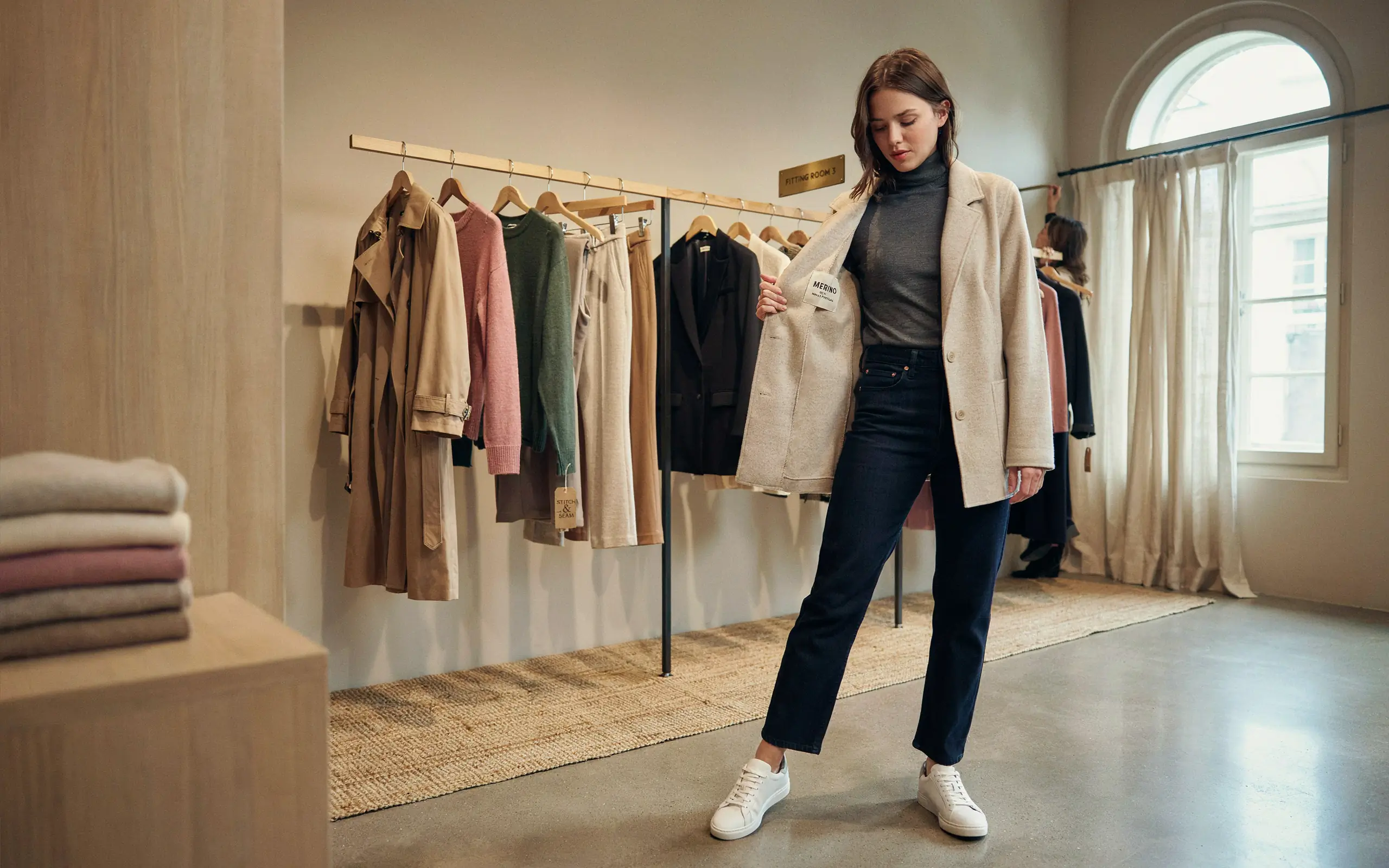
Finding clothes that last can feel like a challenge. This guide helps you choose quality clothing by showing you what to look for in fabrics, stitching, and fit. Save money and time by learning the simple secrets of good garment construction.
We have all done it. You buy a shirt or a pair of pants because you love the color or the style. You feel good wearing it. Then, after only a few washes, it starts to look different. The fabric gets thin in some spots. The color fades. Maybe a button falls off. It is frustrating. You feel like you wasted your money.
Many of us just think this is how clothes are. But it does not have to be this way. If you learn how to choose quality clothing, you can save a lot of money. You will also feel better about what you wear. You will have fewer items in your closet, but each one will be something you truly love and that fits well.
Learning to choose quality clothing is not about buying expensive brands. It is about becoming a smart shopper. It is about knowing the signs of a well-made item. Once you know these signs, you can walk into any store and pick out the items that will last. This guide will show you exactly how to do that. We will look at the things that matter most. We will talk about fabric, stitching, fit, and care. We will help you make choices that are better for your wallet and for the planet.
“Quality is not an act. It is a habit.” – Aristotle. This old saying applies to how we buy clothes. If we make it a habit to check the quality, we will start buying better items without even thinking about it.
Here is a simple way to think about it. When you choose quality clothing, you are paying for time. A good shirt might cost a bit more, but it will last for years. A cheap shirt might cost less, but you will need to replace it in a few months. Over a year, the cheap shirt ends up costing you more money.
The Real Cost of Cheap Clothes
Before we get into the details, let us understand why this matters. We are surrounded by cheap clothes. Fast fashion makes it easy to buy a new dress for the price of a pizza. It seems like a great deal. But there are hidden costs.
First, cheap clothes often do not last. They are made with poor quality materials. The seams are weak. The colors run. This means you spend more money over time buying replacements.
Second, there is an environmental cost. The fashion industry uses a lot of water and energy. When clothes are thrown away after a short time, they end up in landfills. By choosing items that last, you are reducing your impact on the planet.
Third, you will look better. Good quality fabrics hang better on your body. They do not pill or stretch out of shape. They look crisp and polished. This helps you feel more confident. When you choose quality clothing, you are investing in your own appearance and confidence.
This is why it is so important to learn these skills. It is a form of self-care. It is a way to be kinder to the planet. And it is a way to save money. It is a win-win for everyone.
Part 1: Start with the Fabric
The first and most important thing to check is the fabric. The material is the foundation of the garment. If the fabric is poor, the item will never look good or last long.
Understanding Fiber Content
Look at the label on the inside of the garment. It will tell you what the item is made of. This is your first clue.
Natural Fibers:
- Cotton: Look for 100% cotton. It breathes well and is comfortable. However, be careful. Cheap cotton is often thin. You can see through it. For better quality, look for cotton with a higher thread count. Pima cotton and Egyptian cotton are known for their long, strong fibers. They are softer and more durable.
- Linen: Linen is very strong and gets softer with each wash. It is perfect for hot weather because it is breathable. Good linen will have a slight texture to it. It will wrinkle, but that is part of its charm.
- Wool: Wool is warm and durable. It can also resist wrinkles. Merino wool is very soft and good for sweaters that you wear close to your skin. Higher quality wool comes from specific animal breeds and will feel less scratchy.
- Silk: Silk is strong and smooth. It drapes beautifully. Good silk feels luxurious to the touch. It is a good investment for special items.
Synthetic Fibers:
- Polyester: This is very common. It is cheap and strong. But it does not breathe as well as natural fibers. It can also hold onto smells. However, a blend of synthetic and natural fibers can sometimes be a good choice. For example, a cotton-polyester blend might resist wrinkles better than pure cotton. Many activewear items are made from synthetics because they wick away sweat.
- Nylon and Spandex: These are used for stretch. Nylon is very durable. Spandex provides elasticity. A small percentage of spandex in a cotton shirt, like 2% or 3%, can be a good thing. It gives the shirt a bit of give and helps it hold its shape. This is important if you want to choose quality clothing that moves with you.
Look at the label and think about what you need. Do you want something warm? Choose wool. Do you want something cool and breezy? Choose linen or cotton. A good rule is to prefer natural fibers. But do not reject all synthetic blends. Some blends are made to improve durability and comfort. The key is to be aware of what you are buying. A shirt that is 100% polyester might be okay for the gym but will not be a classic piece for your office.
A Quick Table for Fabric Choices
| Fabric Type | Pros | Cons | Best For |
|---|---|---|---|
| 100% Cotton | Breathable, comfortable, soft | Can wrinkle easily, can shrink | Everyday shirts, denim, summer dresses |
| Linen | Cool, strong, gets softer with age | Wrinkles a lot, can be expensive | Summer suits, beachwear, blouses |
| Wool | Warm, durable, resists wrinkles | Can be itchy, requires dry cleaning | Sweaters, winter coats, suits |
| Silk | Smooth, strong, luxurious | Expensive, requires special care | Blouses, scarves, luxury dresses |
| Polyester | Cheap, strong, holds color well | Doesn’t breathe, holds smells | Outdoor gear, athletic wear, cheap fast fashion |
Checking the Fabric Quality
Once you know what it is made of, you need to feel it and look at it.
- Hold it up to the light. If you can easily see through the fabric, it is probably thin and will wear out quickly. Quality clothing uses denser weaves that do not let as much light through.
- Rub the fabric between your fingers. Does it feel soft? Does it feel scratchy? Good quality fabric feels smooth and substantial. It should not feel like paper.
- Look at the weave. Is it tight and even? If you see gaps or loose threads, the quality is not great. A tight weave means the fabric is stronger and less likely to snag. If you want to choose quality clothing, always spend time touching the fabric.
A great tip from a tailor named James Bicker says, “The feel of the cloth tells you more about a garment than the price tag ever will. Trust your fingers.” This is a good reminder. Our hands can often tell us more than our eyes.
Part 2: The Importance of Construction
Great fabric is only half the story. How the item is put together is equally important. A beautiful piece of silk can be ruined by poor stitching.
Inspecting the Stitching
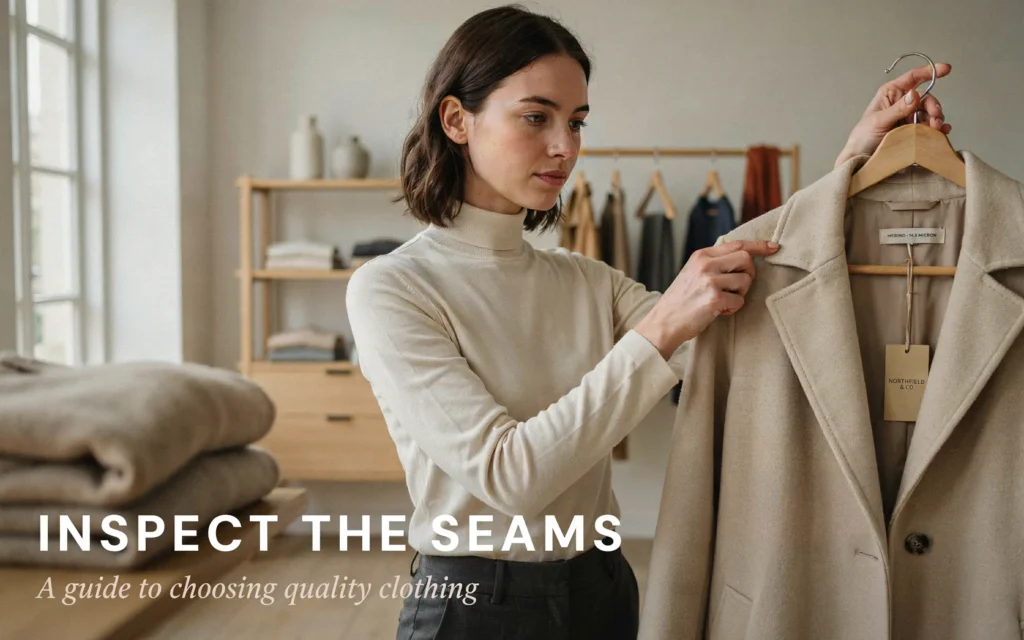
The seams are the weakest point of any garment. When seams fail, the clothes fall apart. Here is what to look for when you inspect the stitching.
- Stitches per inch: The more stitches per inch, the stronger the seam. Hold the fabric close and count the stitches in one inch. Quality items will have a high number of stitches. Cheap items will have fewer. The stitches should be small and tight.
- Straight lines: The stitching should follow a straight line. It should not wobble or zigzag on the edges. This shows that the person making the garment was careful and skilled.
- Loose threads: If you see loose threads hanging from the seams, it is a bad sign. It can mean the thread is poor quality, or the machine was not set up correctly. Good quality clothing has clean, finished seams with no loose threads.
Looking at the Seam Allowance
This is a huge secret to quality. The seam allowance is the extra fabric between the seam and the edge of the cloth. You can see this on the inside of the garment. Cheap clothes often have a very narrow seam allowance. They want to use as little fabric as possible.
Good quality clothing will have a wide seam allowance. This means the seam is strong. It also means the item can be let out or taken in by a tailor. This adds to the life of the garment. If a seam does split, a wide seam allowance gives the tailor more fabric to work with.
There are different types of seams to look for:
- French Seam: This is a high-quality seam. The raw edge of the fabric is enclosed inside the seam. This prevents fraying. You often see this on expensive shirts and blouses.
- Flat-Felled Seam: This is a very strong seam. It is sewn flat and stitched on both sides. It is the kind of seam you see on jeans and work jackets. It is very durable.
- Overlock Stitch: This is common on stretchy fabrics. It is a series of loops that bind the edge. It can be a sign of quality, but sometimes it is used on cheap clothes. The difference is the tension of the stitch. A tight, neat overlock stitch is good. A loose, sloppy one is not.
Checking the Lining
Lining is the fabric inside a jacket, coat, or skirt. It serves a few purposes. It helps the garment hang better. It prevents the main fabric from sticking to your clothes. It also helps the item keep its shape.
A good lining is a sign that the maker cared about the inside of the garment. When you want to choose quality clothing, turn the item inside out and look at the lining.
- Fabric of the lining: The lining should be made of a comfortable fabric. Viscose, cupro, or silk are good choices. They are breathable and smooth against the skin. They are signs of quality. Cheap jackets often use a polyester lining that makes you sweat and does not breathe.
- Attachment: The lining should not be pulling or puckering. It should lay flat. It should be attached to the garment securely. It should not be too tight or too loose.
Part 3: The Details That Matter
The small details are where quality really shines. It is the little things that can help you choose quality clothing. They show that the designer paid attention. They show a commitment to making a good product.
Buttons and Fastenings
Cheap clothes often use cheap plastic buttons. They might break or fall off quickly. Quality items use buttons made of natural materials.
- Materials: Look for buttons made of wood, shell, or horn. These feel smooth and have weight. They are attached more securely.
- Reinforcement: On a quality item, the buttons are sewn on securely. Often, there is a “button shank.” This is a small stem of thread under the button. It gives the button room to sit in the hole and places less stress on the thread. This helps prevent the button from falling off.
- Extra buttons: A very good sign is an extra button sewn onto an inside seam. This is not just a nice extra. It shows the company expected the item to last long enough that you might need a replacement.
Zippers
A bad zipper is a nightmare. It can break or get stuck. It ruins the whole piece.
- Feel: Pull the zipper up and down. Does it move smoothly? Does it feel sturdy? Good quality zippers, like those from YKK, move with ease. They do not get stuck.
- Material: Quality zippers are made of metal, like brass, or a strong nylon. Avoid cheap, flimsy plastic zippers. They are more likely to break.
Prints and Patterns
This is an important one. Look at how the pattern lines up on the seams.
- Pattern Matching: On a quality shirt or dress, the pattern should match across the seams. For example, on a plaid shirt, the lines of the pattern on the front should connect perfectly with the lines on the shoulder. This is called pattern matching. It means the maker used extra fabric to line everything up perfectly. It is a huge sign of quality and care. Cheap clothes do not do this. The patterns will look “cut off” at the seams. When you choose quality clothing, always check for pattern matching on items with stripes or plaids.
The Interfacing
This is a hidden detail. Interfacing is a layer of fabric used inside collars, cuffs, and waistbands. It gives them structure. It helps the collar stand up and the waistband stay crisp.
Poor quality interfacing will look lumpy after a wash. It can shrink or peel away from the fabric. Good quality interfacing is fused to the fabric smoothly. It feels like a natural part of the garment, not a separate piece.
A Quick Checklist for the Store
| What to Check | What to Look For | What to Avoid |
|---|---|---|
| Fabric | Natural fibers, tight weave, substantial feel | Thin, see-through, rough, cheap synthetic feel |
| Stitching | Small, tight, straight stitches, high count per inch | Loose threads, wobbly lines, wide, open stitches |
| Seams | Wide seam allowance, French or flat-felled seams | Narrow, raw edges that are not finished |
| Buttons | Wood, horn, shell, securely sewn | Cheap plastic, loose threads, no extra button |
| Pattern | Patterns match perfectly at the seams | Patterns are cut off or do not line up |
| Zippers | Smooth movement, sturdy feel, YKK brand | Flimsy plastic, jerky movement |
Part 4: The Fit and Feel of Quality
The best fabric and best stitching in the world will not help if the item does not fit you well. Fit is a crucial part of quality. A well-made item should also fit your body properly.
“A well-fitted garment is the best accessory a person can wear.” – Carolina Herrera. She was right. A perfect fit makes a garment look expensive, even if it was not.
Movement and Comfort
When you try something on, move around in it.
- Sit down. Does the waistband dig into your stomach? Does the seat of the pants pull tight?
- Raise your arms. Does the jacket pull across the shoulders? Does the shirt come untucked?
- Bend over. Are the pants too tight in the thigh?
Good quality clothing is designed to work with your body. It gives you room to move. It does not restrict you. It should feel comfortable.
Look for details that help with fit.
- Darts: These are small folds sewn into the fabric, often on the bust or back of a shirt. They help the fabric shape itself to the curves of your body. A shirt with darts will fit better than a shirt without them.
- Pleats: Pleats are folds in the fabric. They can add volume where you need it. For example, pleats on the back of a jacket give you more room to move your arms.
The Hang of the Garment
Put the item on a hanger. Does it hang nicely? Does the fabric fall straight down? Quality fabric will “drape” well. It will flow and fall in a pleasing way. Cheap, stiff fabric will stick out and look bulky. You can also test this by holding the item up by the shoulders. Let it hang naturally. Look at the seams. Do they twist? If a seam twists, it means the fabric was cut on the bias (the diagonal). This can cause the garment to hang awkwardly. Good quality clothing is cut on the straight grain, so it hangs straight.
Part 5: Caring for Your Clothes
Even the best garment will wear out if you do not take care of it. Learning to care for your clothes is the final step in learning to choose quality clothing.
Read the Care Label
This is the most important rule. Always read the care label before you wash or dry an item. The care label is there for a reason. It tells you how to keep the garment in good condition.
- Washing: Does it need to be washed in cold water? Does it need to be hand washed? Does it need to be dry cleaned? Follow these instructions. Ignoring them is the fastest way to ruin a good piece of clothing.
- Drying: High heat is the enemy of clothes. It shrinks fibers. It breaks down elastic. It fades colors. Air drying is always the safest option. Lay items flat to dry or hang them up. Never put wool sweaters in the dryer unless the care label says it is okay. They will shrink and get misshapen.
- Ironing: Some fabrics need ironing. Some fabrics do not. Again, look at the label.
Washing and Storing
Small changes in how you do laundry can make a big difference.
- Turn items inside out. This protects the outer surface of the fabric. It reduces friction, which prevents pilling. It also helps keep colors from fading.
- Use mesh laundry bags. For delicate items, put them in a mesh bag before putting them in the washing machine. This protects them from the rough motion of the machine.
- Wash less often. You do not need to wash every item after every single wear. Many items, like jeans and sweaters, can be worn several times before washing. Air them out between wears. This saves water and saves the fabric.
- Store clothes properly. Hang items like dresses, shirts, and trousers. Fold items like sweaters and knitwear. Hanging a heavy sweater can stretch out the shoulders. Use good quality hangers. Wooden hangers are great for suits and jackets. Velvet hangers are good for keeping items from slipping off.
- Rotate your clothes. Do not wear the same items every day. Give your clothes a break. This allows the fibers to relax and recover their shape. When you choose quality clothing, you want to make sure it lasts, and this is one of the best ways to do that.
Part 6: Building a Quality Wardrobe
Buying quality clothes is not about having a huge closet. It is about having a smaller closet full of items that work well together and last for years. It is about changing your mindset about shopping.
“The most important thing is to own fewer, better things.” – Christy Turlington. This is the philosophy of a quality wardrobe. Instead of buying ten cheap t-shirts that will shrink and fade, buy three good ones that you can wear for years.
Start with the Basics
Begin by investing in high-quality basics. These are the items that you wear most often.
- A white t-shirt: Find one made of good quality, thick cotton. It should not be see-through.
- A pair of well-fitting jeans: Look for sturdy denim with good stitching.
- A classic button-down shirt: Whether it is for work or for a casual look, a good button-down is versatile.
- A well-made blazer or jacket: This can dress up any outfit.
- A simple black dress or pair of trousers: These are wardrobe staples.
Once you have your basics, you can add a few trendier pieces each season. But your basics will always be there. Spending more money on these core items is a smart investment. When you choose quality clothing for these items, you are building a strong foundation for your personal style.
Shop Secondhand
This is a fantastic way to choose quality clothing. Vintage stores and second-hand shops are full of clothes that were made decades ago. The quality was often higher back then. These items have already survived years of use. You know they are durable. Shopping secondhand is also good for the environment. It is a budget-friendly way to get your hands on high-quality fabrics like silk, linen, and wool.
Develop a Habit of Inspection
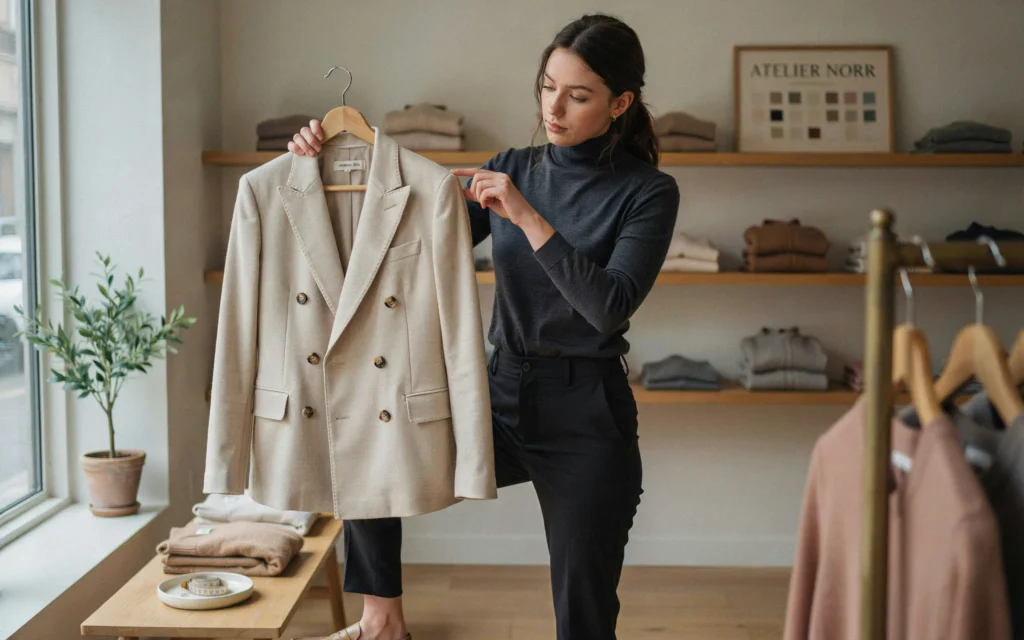
No matter where you shop, make inspection a habit. Do not just grab an item because it looks nice. Give it a little test. This will become second nature.
First, check the fabric label. Then, feel the fabric. Then, turn the item inside out and look at the stitching. Check the buttons. Look at the pattern. It will only take a minute. This simple habit will save you from buying many bad items. When you choose quality clothing as a regular practice, your entire closet will improve.
Frequently Asked Questions (FAQs)
1. How do I know if a fabric is of good quality?
Good quality fabric feels substantial and smooth. Hold it up to the light. If you can see through it easily, it is likely thin and poor quality. Look for a tight weave and natural fibers like cotton, linen, or wool. Always trust your sense of touch; a high-quality fabric will feel pleasant against your skin.
2. Is expensive clothing always better quality?
Not always. Price is not always a guarantee of quality. Some expensive brands are expensive because of the name on the label. However, a higher price often means better materials and better construction. The key is to inspect the item yourself. Use the tips we have discussed, like checking the stitching and the seams, to evaluate the quality. This is the best way to choose quality clothing regardless of the price tag.
3. What is the most important thing to look for in a garment?
It is difficult to pick just one, but the construction is very important. You can have great fabric, but if the seams are weak, the garment will fall apart. Start by looking at the stitching. Make sure the stitches are small, tight, and straight. Look for a good seam allowance. These are signs that the item was made with care.
4. How can I spot a cheaply made item quickly?
Look for loose threads. Hold the item up and look at the pattern. If the pattern does not line up at the seams, it is a huge red flag. Check the buttons. If they are cheap plastic, the item is likely cheap. Finally, feel the fabric. If it feels thin, rough, or papery, it is not quality.
5. Can I make cheap clothes last longer?
Yes, proper care can make a big difference. Always follow the care instructions on the label. Wash your clothes in cold water. Turn them inside out. Air dry them. These steps will help prevent shrinking, fading, and pilling. These habits will help even a lower-cost item last a bit longer.
Conclusion
Learning to choose quality clothing is a skill. It is something that you get better at with practice. It is about being smart with your money. It is about being kinder to the environment. It is about feeling confident and comfortable in what you wear.
You do not have to be an expert to start. You just have to pay a little bit of attention. Start with the fabric. Check the stitching. Look at the details. Does it fit you well? Once you start looking, you will be surprised at what you find. You will start to see the differences between good and bad clothes clearly. You will find yourself gravitating toward the better items.
It is a shift in mindset. It changes you from a passive consumer to an active one. You are not just buying a shirt. You are making a choice about how you want to live. You are choosing quality. Remember, the goal is not to have more clothes. The goal is to have better clothes. Clothes that make you feel good. Clothes that look good. Clothes that last. By learning to choose quality clothing, you are making a decision to value yourself, your money, and the planet. It is a decision that will pay off every time you open your closet.
Related posts
 Why Do Dogs Stare at Walls? Common Causes and When to Worry
Wondering why do dogs stare at walls? Discover the sensory, behavioral, and medical reasons behind this behavior, and learn when to contact your veterinarian. When you…
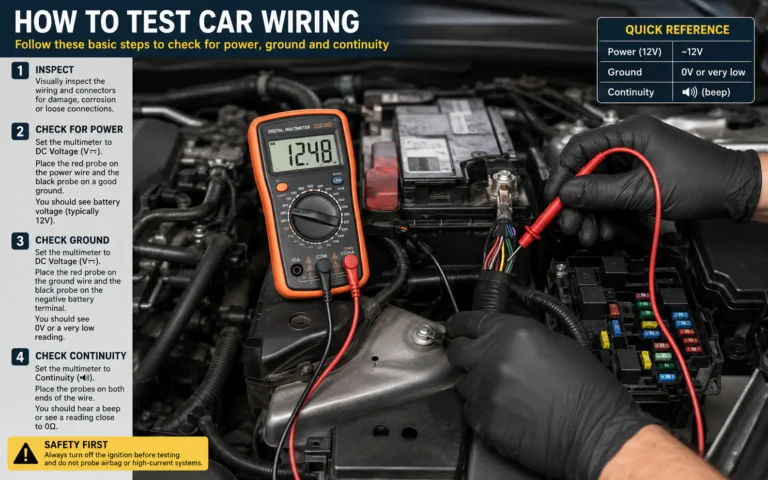 How to Test Car Wiring for Continuity Using a Multimeter
Learn how to test car wiring for continuity safely. Find broken automotive wires, check connector ports, and diagnose electrical issues with a multimeter. Testing car wiring…
 Why Organizing Space Reduces Stress: The Mental Clarity Connection
Discover why organizing space reduces stress. Learn how a tidy environment lowers cortisol, improves focus, and creates a sense of calm in your daily life. Organizing…