
Why Mattress Cleaning Is Important for Health and Longevity
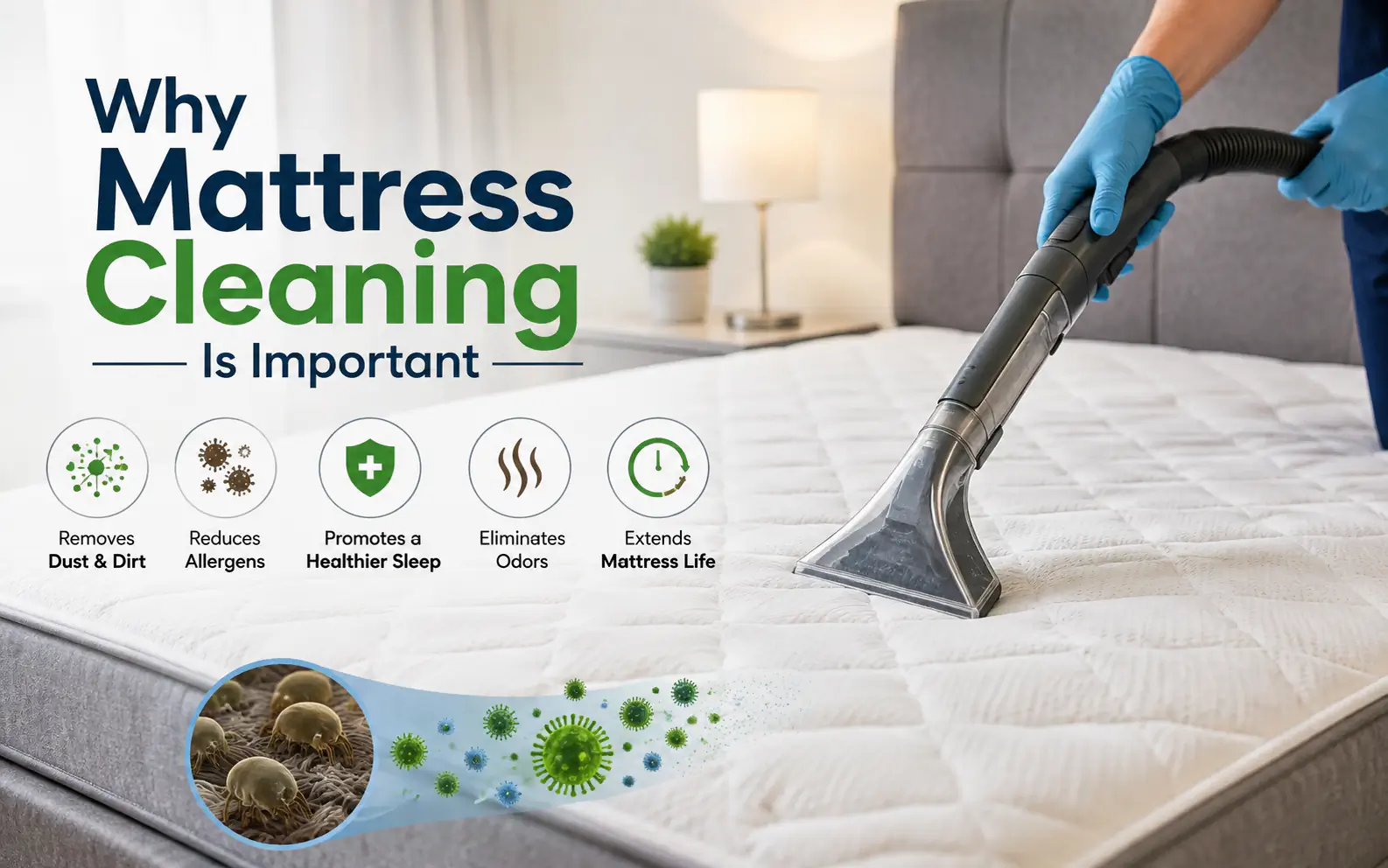
Mattress cleaning is important because your bed acts as a reservoir for dead skin cells, sweat, and dust mites. Over time, these materials accumulate deep within the fibers, which can trigger allergy symptoms and degrade the quality of your sleep environment.
Beyond personal health, regular maintenance protects your investment. By removing abrasive particles and moisture, you prevent the premature breakdown of foam and fabric, helping your mattress retain its support and comfort for longer.
Allergen reduction
- Regular cleaning reduces the accumulation of allergens like dust mites.
- Removing debris helps maintain the structural integrity of mattress materials.
- A cleaner sleep surface contributes to better indoor air quality in the bedroom.
- Visual cues like odors or stains are indicators that immediate cleaning is required.
| Topic | When it helps | What to keep in mind |
|---|---|---|
| Allergen Control | Individuals with seasonal allergies or sensitive skin. | Cleaning alone won’t eliminate all mites, but it significantly reduces their habitat. |
| Material Preservation | Protecting high-quality or expensive mattress investments. | Avoid using excessive water, as moisture trapped inside can lead to mold growth. |
The Invisible Impact on Your Sleep Environment
While you wash your sheets weekly, the mattress underneath remains exposed to everything that passes through the fabric. Sweat, skin flakes, and microscopic dust particles eventually work their way into the padding.
This accumulation creates a breeding ground for dust mites. While these organisms are common in most homes, high concentrations in your bed can lead to morning congestion, itchy eyes, or skin irritation.

Think of your mattress like a filter; it catches everything that falls off your body throughout the night.
Assuming that changing sheets is enough to keep the mattress itself clean.
- Skin cells provide a constant food source for dust mites.
- Sweat and body oils can cause yellowing and odors over time.
- Trapped dust can circulate back into the air when you move during the night.
Signs Your Mattress Needs Immediate Attention
You do not need to clean your mattress every week, but you should look for signs that it is time for a refresh. Routine maintenance is easier than trying to remove deep-set grime later.
Pay attention to changes in your sleep quality or physical comfort. If you wake up feeling congested or notice the bed feels less supportive than it used to, a thorough cleaning might be the solution.
If you notice a faint, musty smell when you remove your sheets, it is a clear sign that moisture or debris has built up.
Waiting until a stain is visible before deciding to clean the mattress.
| Indicator | What It Suggests |
|---|---|
| Musty Odor | Trapped moisture or dust accumulation |
| Visible Stains | Spills or sweat penetration |
| Increased Sneezing | High concentration of dust mites |
| Uneven Support | Debris affecting material integrity |
Focus on health hygiene and
Allergen Control. Reducing Exposure to Allergens
Dust mites feed on the dead skin cells that naturally shed while you sleep. Regular cleaning removes this food source, keeping mite populations in check.
- Individuals with seasonal allergies or sensitive skin.
- Cleaning alone won’t eliminate all mites, but it significantly reduces their habitat.
- Use a vacuum with a HEPA filter to ensure you are capturing fine particles rather than blowing them back into the air.
- Focus – Health
- Action – Vacuuming
Material Preservation. Extending Mattress Lifespan
Body oils and moisture can seep into mattress layers, causing foam to soften or fabrics to weaken. Keeping the surface clean prevents these substances from settling deep inside.
- Protecting high-quality or expensive mattress investments.
- Avoid using excessive water, as moisture trapped inside can lead to mold growth.
- Use a mattress protector to act as a primary barrier between your body and the mattress surface.
- Focus – Longevity
- Action – Surface protection
FAQs
Is it necessary to clean a mattress if I use a protector?
Yes, but a protector makes the job much easier. It blocks most skin cells and sweat, meaning you only need to clean the mattress surface occasionally rather than deep-cleaning it frequently.
How often should I clean my mattress?
A good rule of thumb is to vacuum your mattress every three to six months, or whenever you rotate it.
Can I use water to clean my mattress?
It is best to avoid using large amounts of water. Mattresses are difficult to dry, and trapped moisture can lead to mold or mildew growth inside the padding.
Is it worth getting a mattress professionally cleaned?
Professional cleaning can be beneficial if you have severe allergies or if the mattress has significant stains that you cannot remove safely at home.
Conclusion
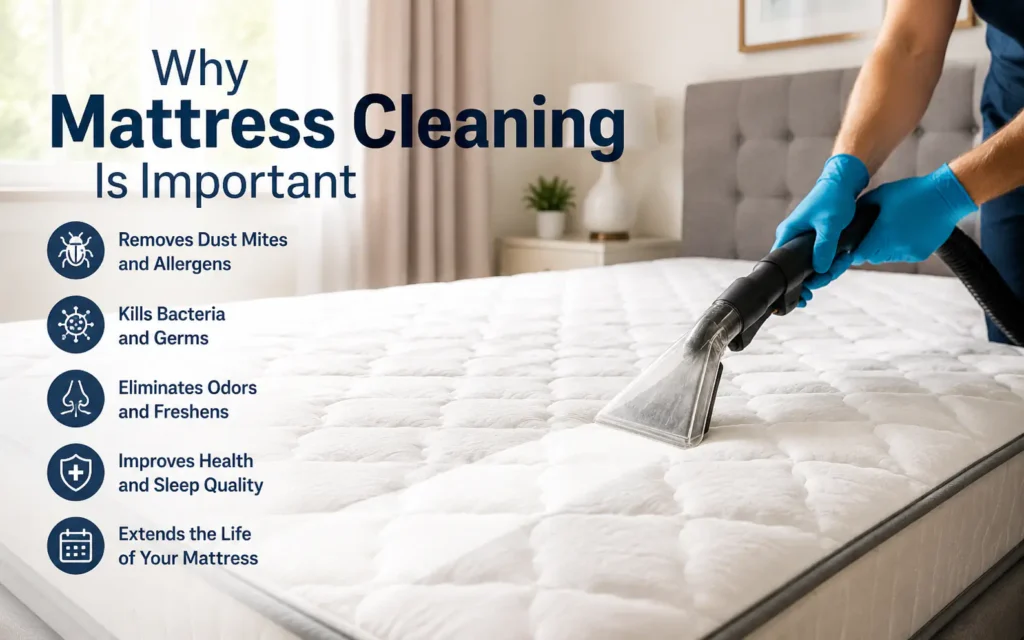
Mattress cleaning is an essential part of home maintenance that directly impacts your health and the longevity of your bed. By removing the daily accumulation of skin cells and dust, you create a cleaner, more supportive environment for rest.
Start by incorporating a simple vacuuming routine into your seasonal chores. This small effort prevents long-term damage and keeps your sleep surface fresh, ensuring your mattress stays comfortable for years to come.
Related posts
 How to Strengthen Weak Nails: A Practical Guide to Daily Care
Learn how to strengthen weak nails with simple daily habits, protective care, and targeted hydration. Restore your natural nail strength today. Weak, peeling, or brittle nails…
 What Sounds Do Cats Dislike? 7 Noises That Stress Your Pet
Discover what sounds do cats dislike and why. Learn how to protect your cat’s sensitive hearing from stressful household noises and high-frequency hums. Cats dislike sounds…
 Restoring Faded Black Clothing: Practical Methods and Reality Checks
Can you restore faded black clothing? Learn the difference between temporary color revival and permanent redyeing, plus how to prevent future fading. You can restore the…