
Why Fresh Air Is Important in Your Home: Health and Comfort Benefits

Bringing fresh outdoor air into your living space is essential because indoor environments naturally accumulate a mix of carbon dioxide, moisture, airborne pollutants, and household odors. When a house remains sealed, these substances become trapped, leading to stale air, increased allergen levels, and potential mold growth. Introducing fresh air dilutes these concentrated indoor pollutants, helping you breathe easier and protecting your home’s physical structure.
To keep your living environment healthy, you should aim to ventilate your home daily. Simple actions like opening windows for short periods, using exhaust fans, or maintaining your home’s ventilation system can significantly improve indoor air quality, boost your energy levels, and support better sleep.
Diluting indoor air pollutants and
- Indoor air can be up to five times more polluted than outdoor air due to trapped particles.
- Fresh air naturally dilutes carbon dioxide, reducing daytime fatigue and improving sleep.
- Proper ventilation regulates indoor humidity, preventing mold growth and structural damage.
- Just ten to fifteen minutes of daily cross-ventilation can dramatically refresh a home.
| Topic | When it helps | What to keep in mind |
|---|---|---|
| Pollutant Dilution | Homes with pets, recent renovations, or frequent use of chemical cleaners. | Avoid opening windows during peak outdoor pollution hours or high pollen counts if you suffer from severe seasonal allergies. |
| Moisture Control | Bathrooms, kitchens, and basements. | Relying solely on air conditioning does not always introduce fresh air; it often just recirculates stale, dry air. |
| CO2 Reduction | Bedrooms and home offices. | A closed bedroom door can cause CO2 levels to double overnight, severely impacting sleep quality. |
Focus on the health benefits
Pollutant Dilution. Diluting Indoor Air Pollutants
Everyday household items like cleaning products, furniture, and building materials release volatile organic compounds (VOCs). Fresh air dilutes these chemicals, along with pet dander, dust mites, and airborne viruses, reducing the overall toxic load in your living space.
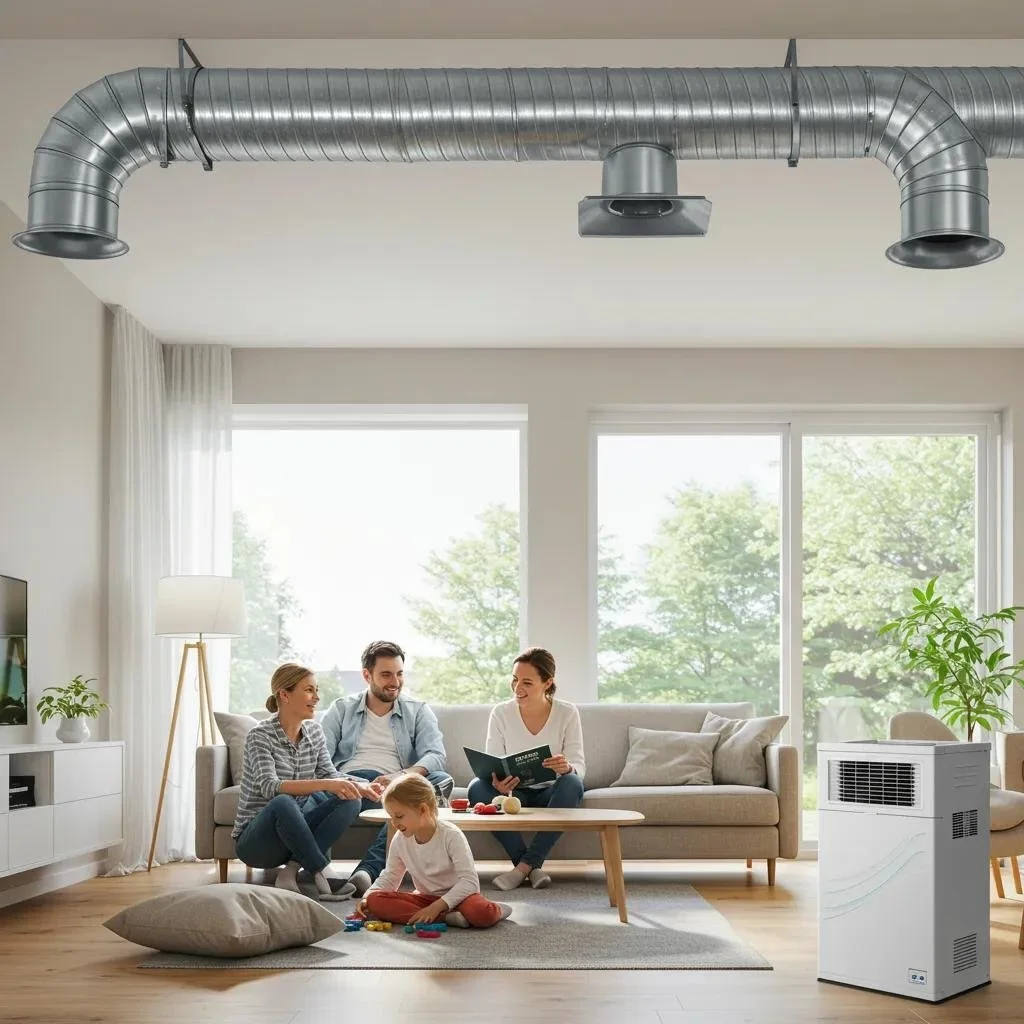
- Homes with pets, recent renovations, or frequent use of chemical cleaners.
- Avoid opening windows during peak outdoor pollution hours or high pollen counts if you suffer from severe seasonal allergies.
- Open windows early in the morning when outdoor air is typically cleanest and pollen counts are lower.
- Primary Benefit – Reduces respiratory irritation
- Action Frequency – Daily
Moisture Control. Regulating Humidity and Preventing Mold
Daily activities like cooking, showering, and breathing release moisture into the air. Without proper ventilation, this moisture condenses on cold surfaces, creating the perfect breeding ground for mold and mildew, which can damage your home and trigger respiratory issues.
- Bathrooms, kitchens, and basements.
- Relying solely on air conditioning does not always introduce fresh air; it often just recirculates stale, dry air.
- Run exhaust fans during and for 20 minutes after cooking or showering to expel moist air directly outside.
- Primary Benefit – Prevents mold and structural damage
- Action Frequency – During moisture-producing activities
CO2 Reduction. Lowering Carbon Dioxide Levels
As you breathe, carbon dioxide (CO2) builds up in closed rooms, especially overnight in bedrooms. High levels of CO2 can cause headaches, dizziness, daytime sleepiness, and a general feeling of stuffiness.
- Bedrooms and home offices.
- A closed bedroom door can cause CO2 levels to double overnight, severely impacting sleep quality.
- Keep bedroom doors slightly ajar or crack a window open a few inches at night to maintain air circulation.
- Primary Benefit – Improves sleep quality and mental clarity
- Action Frequency – Nightly or during work hours
The Hidden Risks of Stale Indoor Air
Modern homes are built to be highly energy-efficient and airtight. While this is excellent for keeping heating and cooling costs down, it also means that the air inside your home is constantly recirculated. Without a regular influx of outdoor air, the concentration of indoor pollutants can rise to levels that are significantly higher than those found outdoors.
This accumulation of stale air doesn’t just affect how your home smells; it directly impacts your physical well-being. Over time, breathing recirculated air filled with dust, pet dander, and chemical vapors can lead to chronic fatigue, headaches, and irritated eyes or throat.
A bedroom that feels heavy, warm, and smells slightly musty in the morning is a clear sign of high carbon dioxide and moisture buildup.
Assuming that because you cannot see dust or smell odors, your indoor air is perfectly clean.
- Trapped moisture can seep into drywall and window frames, leading to costly mold remediation.
- Lingering cooking oils and pet odors settle into carpets and upholstery, making them difficult to clean.
- High humidity levels make the air feel warmer and more uncomfortable, tempting you to lower the thermostat unnecessarily.
| Air Characteristic | Sealed Indoor Air | Fresh Outdoor Air |
|---|---|---|
| Carbon Dioxide (CO2) | Often high (800-2000+ ppm), causing drowsiness | Low (approx. 400 ppm), promoting alertness |
| Humidity Levels | Can trap excess moisture, leading to mold | Naturally balanced by environmental movement |
| Chemical Pollutants (VOCs) | Concentrated from furniture, paint, and cleaners | Rapidly diluted and dispersed by wind |
| Airborne Pathogens | Higher survival rate and concentration in stagnant air | Lower concentration due to constant movement |
Practical Ways to Ventilate Your Home Daily
You do not need to leave your windows open all day to enjoy the benefits of fresh air. In fact, a short, deliberate burst of ventilation is often much more effective and energy-efficient than leaving a single window cracked for hours.
The key to efficient ventilation is creating a path for the air to move. By understanding how air flows through your home, you can quickly flush out stale air and replace it with clean, outdoor air without significantly altering your indoor temperature.
Creating a quick cross-breeze by opening a window on the windward side of your house and another on the opposite side for just ten minutes.
Leaving windows wide open all day during winter, which wastes heating energy and chills the home’s structure.
- Practice the ‘purge’ method: Open windows on opposite sides of the house for 10 to 15 minutes twice a day to create a rapid cross-breeze.
- Use mechanical assistance: Turn on kitchen and bathroom exhaust fans while windows are open to help pull fresh air through the living spaces.
- Ventilate strategically by season: In summer, open windows during the cool morning or late evening hours. In winter, a quick 5-minute flush of air will refresh the space without losing much heat from your walls and furniture.
- Keep interior doors open: This allows air to circulate freely between rooms, preventing stagnant pockets of air in unused corners.
FAQs
How long should you let fresh air in your house?
Opening your windows for 10 to 15 minutes once or twice a day is usually sufficient to refresh the air in a standard-sized home. This quick burst is long enough to exchange the air without cooling down your walls and furniture.
Is fresh air healthier than using air conditioning?
Yes, in terms of air quality. Most standard residential air conditioners only cool and recirculate the existing air inside your home rather than bringing in fresh air. Fresh outdoor air dilutes pollutants and lowers carbon dioxide levels in ways AC units cannot.
How can I get fresh air into a room without windows?
You can improve air quality in windowless rooms by keeping the door open, using a mechanical exhaust fan, running a ceiling fan to keep air moving, or placing an air purifier with a HEPA and activated carbon filter in the room.
Does opening windows really help reduce indoor dust?
Yes, by creating a cross-breeze, you can help blow out suspended dust particles. However, if it is a windy day or you live near a busy road, opening windows might introduce outdoor dust and pollen, so timing and outdoor conditions are important.
Conclusion
Prioritizing fresh air in your home is a simple, cost-free way to protect your health and preserve your living space. By making daily ventilation a habit, you can significantly reduce indoor pollutants, manage humidity levels, and enjoy better sleep and mental focus.
Start by opening your windows for just ten minutes today. This small change in your daily routine will create a cleaner, more comfortable, and healthier home environment for you and your family.
Related posts
 Why Do Dogs Stare at Walls? Common Causes and When to Worry
Wondering why do dogs stare at walls? Discover the sensory, behavioral, and medical reasons behind this behavior, and learn when to contact your veterinarian. When you…
 How to Test Car Wiring for Continuity Using a Multimeter
Learn how to test car wiring for continuity safely. Find broken automotive wires, check connector ports, and diagnose electrical issues with a multimeter. Testing car wiring…
 Why Organizing Space Reduces Stress: The Mental Clarity Connection
Discover why organizing space reduces stress. Learn how a tidy environment lowers cortisol, improves focus, and creates a sense of calm in your daily life. Organizing…