
How to Prevent Nail Breakage: Practical Steps for Stronger Nails
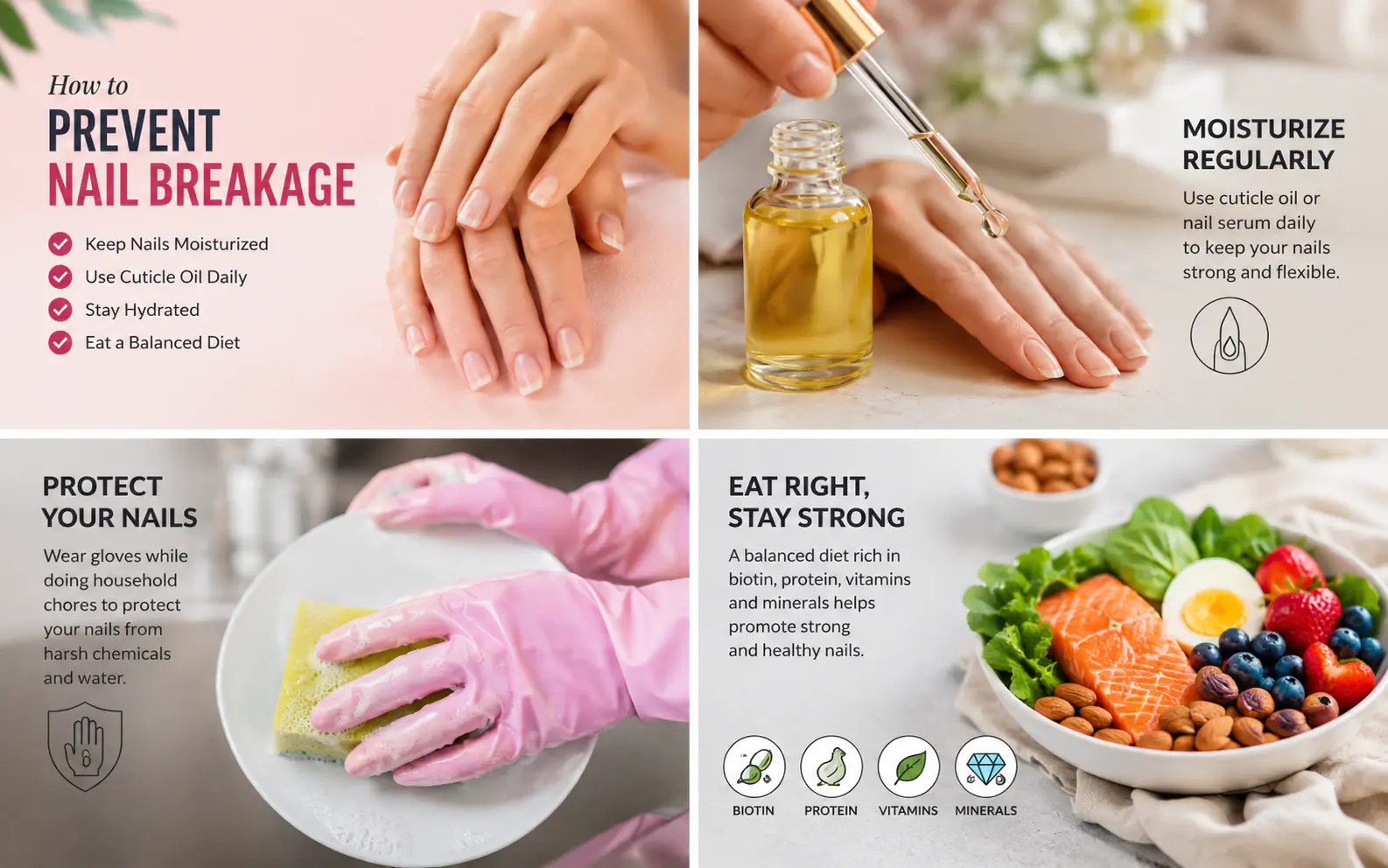
To prevent nail breakage, you must focus on two core principles: maintaining the nail’s natural moisture balance and protecting it from physical trauma. Nails are made of keratin layers that require a delicate balance of water and natural oils to remain flexible.
The most effective way to stop your nails from breaking is to shield them from excessive water exposure, apply a daily penetrating oil, and file them correctly. By making a few simple adjustments to your daily habits, you can protect the nail plate from micro-tears and keep your nails strong and resilient.
The damaging effects of water
- Water is one of the primary causes of weak, peeling nails; always wear gloves when washing dishes.
- File your nails in a single, fluid direction rather than sawing back and forth to prevent micro-tears.
- Apply a penetrating oil like jojoba oil daily to keep the nail plate flexible and resilient.
- Avoid using your fingernails as tools to pry, scrape, or open packages.
| Topic | When it helps | What to keep in mind |
|---|---|---|
| Step 1 | Dry, brittle nails that snap easily when bent. | Avoid oils that contain heavy mineral oil or silicones as the primary ingredient, as they do not penetrate the nail plate as effectively. |
| Step 2 | Preventing peeling tips and jagged edges. | Avoid cheap metal files, which are too abrasive and tear the nail layers apart. |
| Step 3 | Nails that peel at the tips or feel soft and bendy after a shower. | Do not leave your hands in wet gloves; if water gets inside, dry your hands immediately and apply oil. |
| Step 4 | Thin nails that need extra physical reinforcement. | Avoid peeling off chipped polish, as this strips away the top layer of your natural nail plate. |
Focus on physical protection hydration
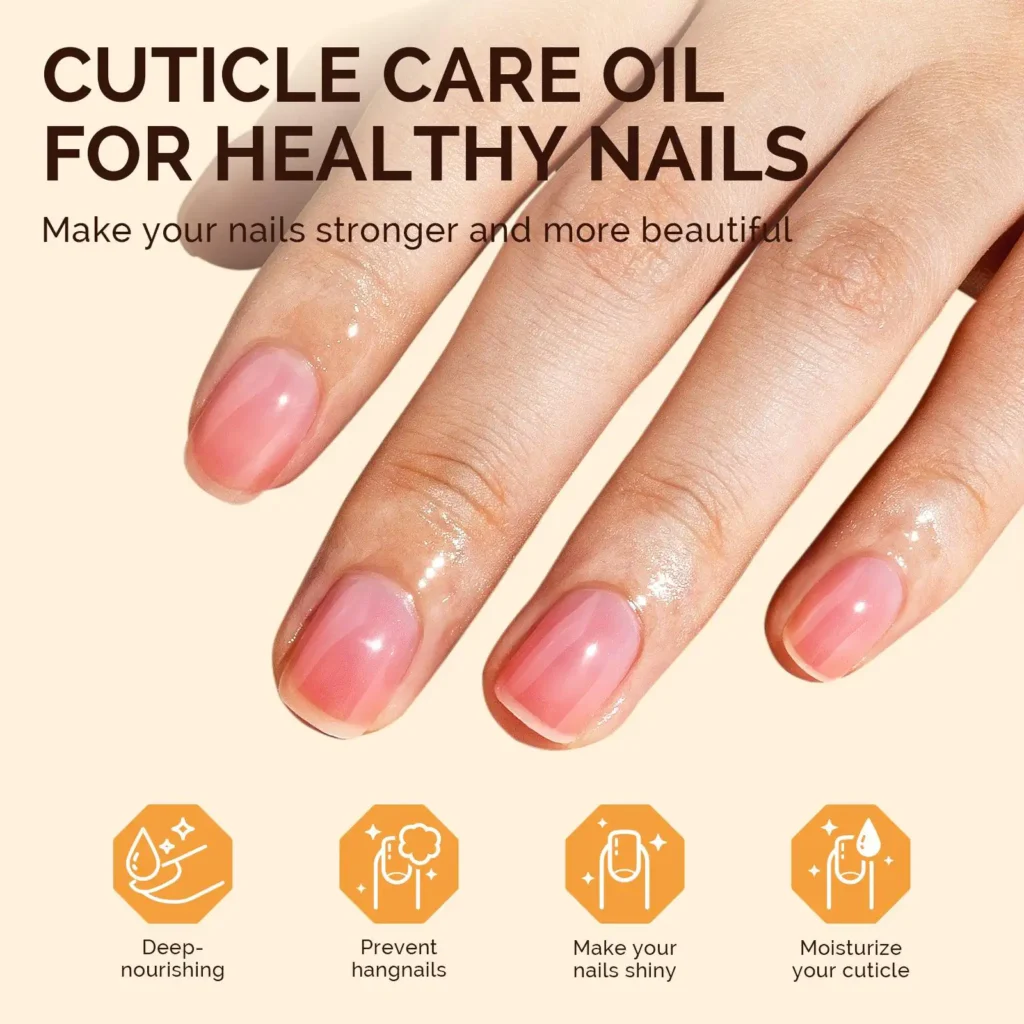
Step 1. Apply a Penetrating Cuticle Oil Daily
How to Prevent Nail Breakage. Nails need oil to remain flexible. Pure jojoba oil is highly effective because its molecular structure closely mimics our natural sebum, allowing it to penetrate the nail plate rather than just sitting on top.
- Dry, brittle nails that snap easily when bent.
- Avoid oils that contain heavy mineral oil or silicones as the primary ingredient, as they do not penetrate the nail plate as effectively.
- Keep a small rollerball of jojoba oil at your desk or bedside table to make daily application an easy habit.
- Frequency – 2-3 times daily.
- Key Ingredient – Jojoba oil or sweet almond oil.
- Primary Benefit – Restores nail flexibility.
Step 2. File in a Single, Consistent Direction
Sawing a nail file back and forth across the tip creates microscopic tears and splits in the keratin layers. Instead, hold the file at a slight angle and stroke it gently from the outer edge toward the center in one fluid motion.
- Preventing peeling tips and jagged edges.
- Avoid cheap metal files, which are too abrasive and tear the nail layers apart.
- Switch to a high-quality glass or crystal nail file.
- Tool Type – Glass or crystal file.
- Motion – One direction only.
- Primary Benefit – Prevents micro-splits.
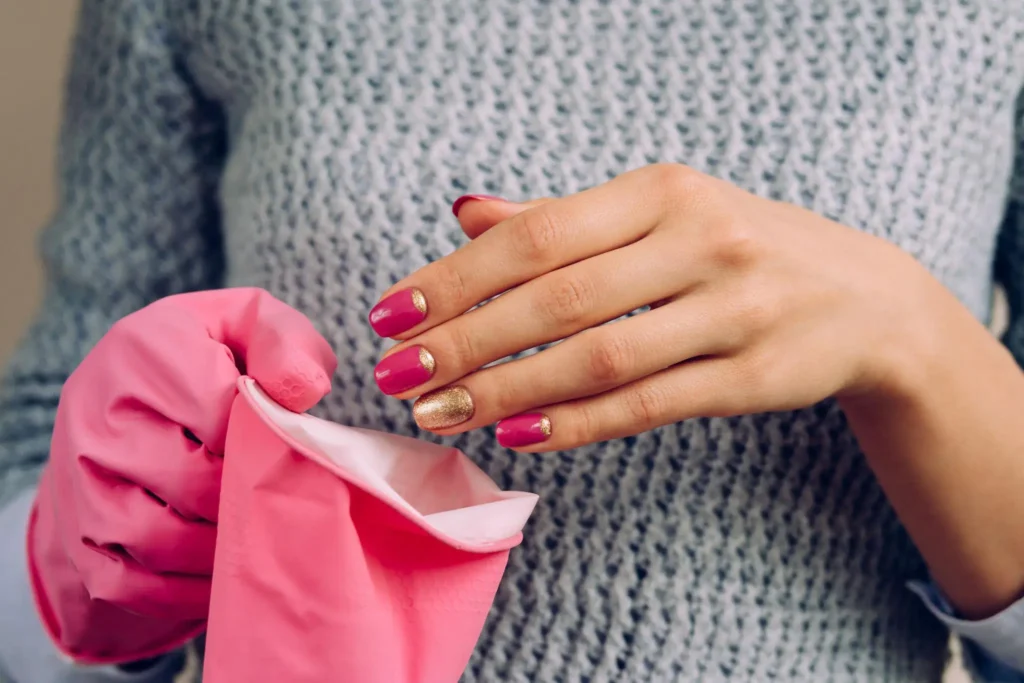
Step 3. Wear Gloves During Wet Chores
Nails act like sponges, absorbing water when wet and shrinking as they dry. This constant expansion and contraction weakens the bonds between keratin layers, leading to peeling and splitting.
- Nails that peel at the tips or feel soft and bendy after a shower.
- Do not leave your hands in wet gloves; if water gets inside, dry your hands immediately and apply oil.
- Keep a pair of lined rubber gloves right next to your kitchen sink so you never wash dishes without them.
- Equipment – Lined rubber or nitrile gloves.
- Usage – Cleaning, dishwashing, gardening.
- Primary Benefit – Blocks water absorption.
Step 4. Keep a Protective Coat of Polish on Your Nails
Naked nails are vulnerable to environmental wear. Applying a base coat, two thin layers of regular nail polish, and a top coat creates a physical shield that absorbs daily impacts.
- Thin nails that need extra physical reinforcement.
- Avoid peeling off chipped polish, as this strips away the top layer of your natural nail plate.
- When applying polish, always run the brush along the very edge of the nail tip to seal the free edge against moisture.
- Product – Base coat, color, and top coat.
- Maintenance – Reapply every 5 to 7 days.
- Primary Benefit – Adds physical strength.
The Science of Nail Breakage: The Wet-Dry Cycle
Many people believe that dry nails are the sole cause of breakage, but the real culprit is often the constant transition between wet and dry states. When your hands are submerged in water, your nails absorb up to 20 percent of their weight in moisture.
As the nails dry, the water evaporates, and the cells shrink back down. Over time, this repetitive expansion and contraction breaks down the intercellular glue holding the nail layers together.
To combat this cycle, you must establish a barrier that keeps water out while locking natural oils in. The table below highlights how daily habits impact this delicate balance.
Think of how a piece of cardboard becomes weak and mushy when wet, then dries stiff and warped.
Do not soak your nails in water before a manicure.
| Damaging Habit | Protective Alternative | Why It Matters |
|---|---|---|
| Washing dishes barehanded. | Wearing lined rubber gloves. | Prevents water from stripping natural lipids. |
| Using nails to scrape stickers. | Using a plastic scraper or coin. | Eliminates direct physical stress on the nail tip. |
| Peeling off chipped nail polish. | Using a gentle, acetone-free remover. | Avoids tearing away the delicate top layers of keratin. |
| Filing back and forth rapidly. | Filing gently in one direction. | Prevents micro-fractures along the free edge. |
How to File and Shape to Prevent Snags
The shape of your nail plays a massive role in how well it resists daily wear and tear. Sharp, square corners might look clean, but they easily catch on knit sweaters, pockets, and hair.
The strongest shape for natural nails is the ‘squoval’-a square shape with softly rounded corners-or a classic oval. These shapes mimic the natural curve of your cuticle line, distributing physical impact evenly across the nail arch rather than concentrating it on a single sharp point.
When filing, keep the file perpendicular to the nail edge. Avoid tilting it underneath the nail, as this thins out the tip and makes it prone to peeling.
If you notice your nails always break at the sides, your filing angle is likely too steep, which thins out the critical stress points where the nail meets the skin.
Avoid filing the sides of your nails too deeply.
- Use a glass file to seal the keratin layers together as you shape.
- File from the outer corner toward the center in one direction.
- Round off the sharp corners slightly to prevent snagging on fabrics.
- Never file your nails immediately after a bath or shower when they are soft.
Everyday Habits That Secretly Ruin Your Nails
We often use our hands without thinking, treating our fingernails like built-in screwdrivers, scrapers, and letter openers. Every time you use a nail to peel a label, open a key ring, or scrape a dirty pan, you introduce micro-fractures into the nail plate.
Another common hazard is the use of harsh household cleaning agents. Bleach, window cleaners, and bathroom sprays contain chemicals that dissolve the natural oils in your skin and nails.
Lastly, pay attention to how you dry your hands. After washing, thoroughly dry your fingers and cuticles.
Instead of using your thumbnail to pry open a soda can tab, slide a butter knife or the edge of a spoon under the tab to lift it.
Do not use harsh, 100% pure acetone removers too frequently.
FAQs
What are you lacking if your nails keep breaking?
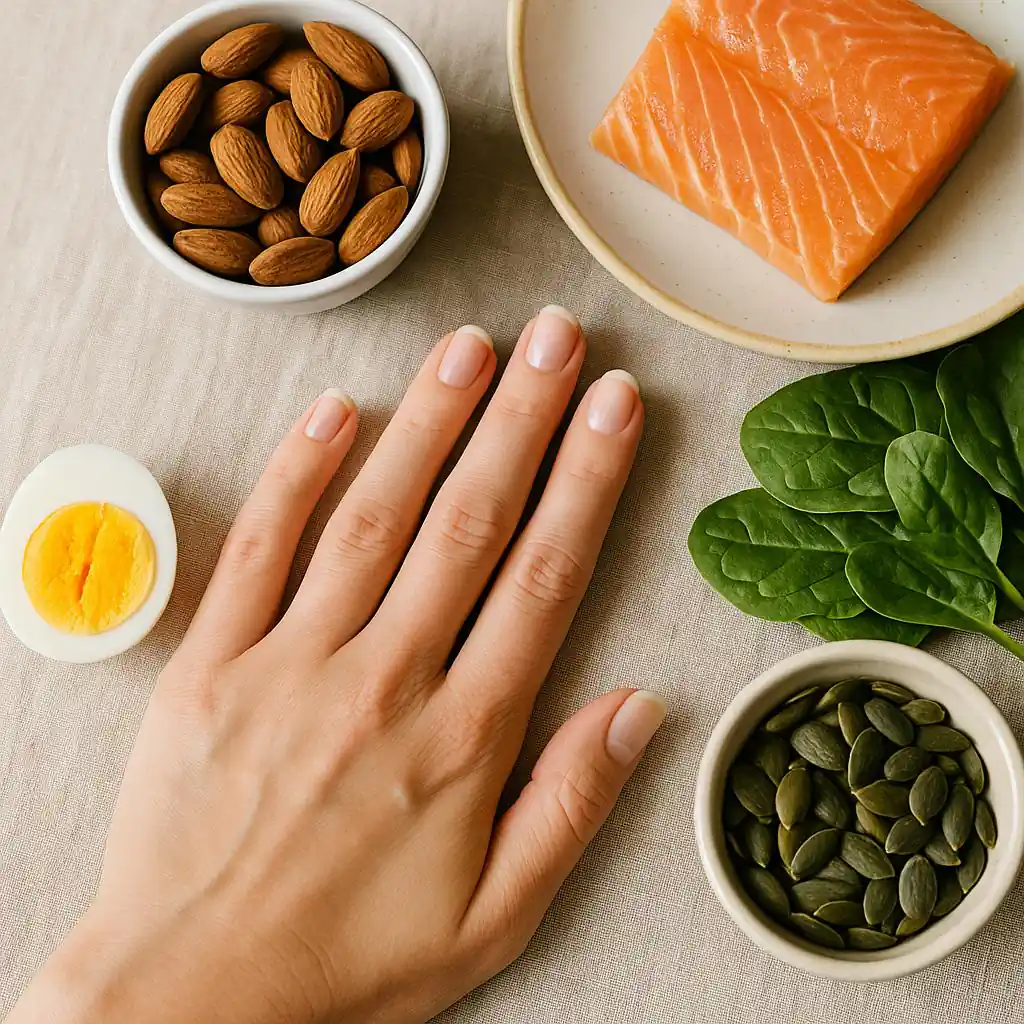
Frequent nail breakage is most commonly caused by external factors like water exposure and dry air. However, a persistent lack of iron, zinc, or B-vitamins like biotin can contribute to weak nails.
Is putting Vaseline on your fingernails good?
Yes, Vaseline (petroleum jelly) is excellent for nails. It acts as an occlusive barrier, meaning it locks in moisture.
How do I keep a split nail from breaking more?
If a nail splits but hasn’t torn off, gently file the edge to prevent it from catching. You can apply a small drop of nail glue over the split, or use a tiny piece of a tea bag sealed with clear top.
Does nail polish prevent or cause breakage?
Regular nail polish generally helps prevent breakage by adding a physical layer of protection. However, peeling off chipped polish or using harsh acetone removers too frequently can dry out and damage the nail plate, leading to splits.
Conclusion
Preventing nail breakage does not require expensive salon treatments or complex routines. By understanding how water and physical stress affect your nails, you can make simple, protective changes to your daily habits.
Be patient with your progress. It takes several months for a fingernail to grow from the cuticle to the tip.
Related posts
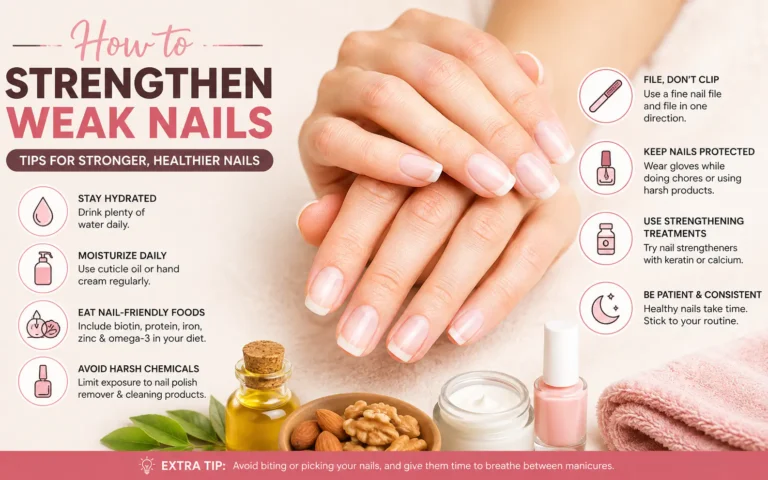 How to Strengthen Weak Nails: A Practical Guide to Daily Care
Learn how to strengthen weak nails with simple daily habits, protective care, and targeted hydration. Restore your natural nail strength today. Weak, peeling, or brittle nails…
 What Sounds Do Cats Dislike? 7 Noises That Stress Your Pet
Discover what sounds do cats dislike and why. Learn how to protect your cat’s sensitive hearing from stressful household noises and high-frequency hums. Cats dislike sounds…
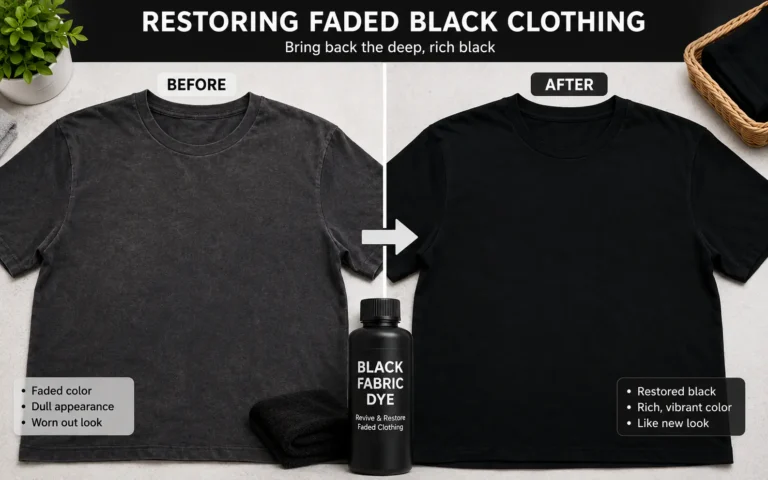 Restoring Faded Black Clothing: Practical Methods and Reality Checks
Can you restore faded black clothing? Learn the difference between temporary color revival and permanent redyeing, plus how to prevent future fading. You can restore the…