
What is Nail Hydration and Why It Matters for Strong, Healthy Nails
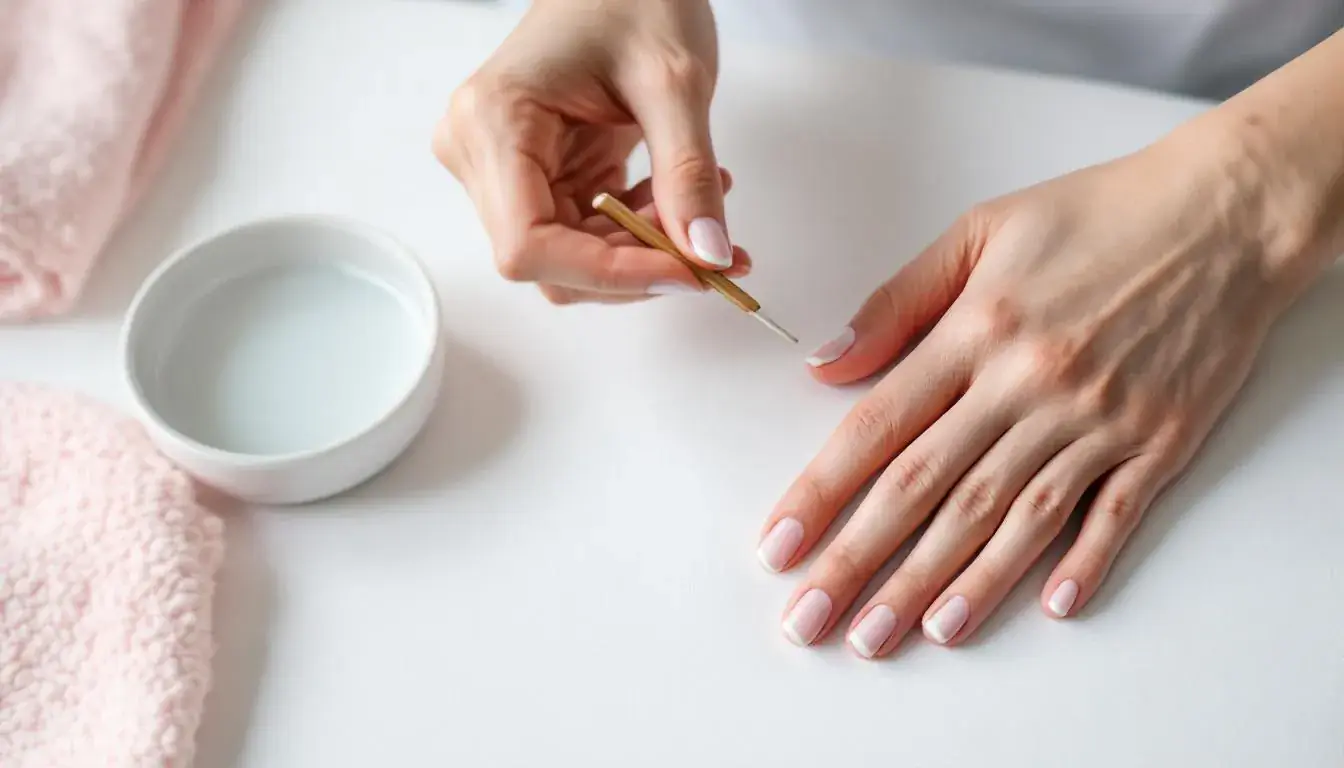
Nail hydration refers to the process of maintaining adequate moisture levels within your nail plate and the surrounding skin, particularly the cuticles. Just like skin, nails need moisture to stay flexible, strong, and healthy.
Think of your nails as tiny sponges. When they absorb enough water and natural oils, they remain supple and resilient.
| Topic | When it helps | What to keep in mind |
|---|---|---|
| External Application | Anyone with dry, brittle, or peeling nails, or those looking to maintain overall nail health and promote growth. | Ensure the oil is fully absorbed before touching surfaces to avoid greasy residue. |
| Topical Moisture | Daily maintenance for all nail types, especially beneficial for those whose hands are frequently exposed to water or dry air. | Choose creams specifically formulated for hands and nails, as body lotions might not offer the same targeted benefits. |
| Internal Support | Everyone, as internal health directly impacts external appearance, including nails. | Don’t expect immediate results from dietary changes; nail growth is slow, so consistency is key. |
Why Healthy Nail Hydration is Essential
The health of your nails is deeply connected to their moisture content. When nails are adequately hydrated, they possess a natural flexibility that allows them to withstand minor impacts and daily wear without breaking.
Beyond preventing breakage, proper hydration also helps maintain the smooth surface of the nail plate. It reduces the likelihood of common issues like peeling, splitting, and the formation of unsightly ridges.
Ultimately, prioritizing nail hydration is an investment in the long-term health and appearance of your nails. It’s a foundational step in any effective nail care routine, contributing to a polished look and a stronger barrier against external damage.
Imagine a dry twig versus a fresh green branch.
Don’t assume strong nails are automatically hydrated.

Recognizing Signs of Dehydrated Nails
Identifying dehydrated nails is the first step toward improving their condition. While some signs are obvious, others can be subtle.
One of the most common signs is brittleness. Dehydrated nails often feel hard but snap easily, rather than bending.
Beyond brittleness and peeling, look for a dull, lackluster appearance. Healthy nails usually have a natural sheen.
If your nails snag on fabric easily, or you notice white, chalky patches on the surface, these are common visual cues that your nails are crying out for moisture.
Don’t confuse dehydration with a fungal infection or other medical condition.
- Brittleness and Snapping: Nails feel rigid and break easily.
- Peeling or Splitting: Layers of the nail separate, especially at the tips.
- Dull, Lifeless Appearance: Lack of natural shine.
- Pronounced Ridges: Vertical lines on the nail surface become more visible.
- Dry, Cracked Cuticles: The skin around the nail is rough and prone to hangnails.
Practical Ways to Boost Nail Moisture
Achieving and maintaining optimal nail hydration involves a combination of consistent care and smart habits. It’s not about a single quick fix, but rather a routine that supports your nails’ natural moisture balance.
The key is consistency. Just as you moisturize your face daily, your nails benefit from regular attention.
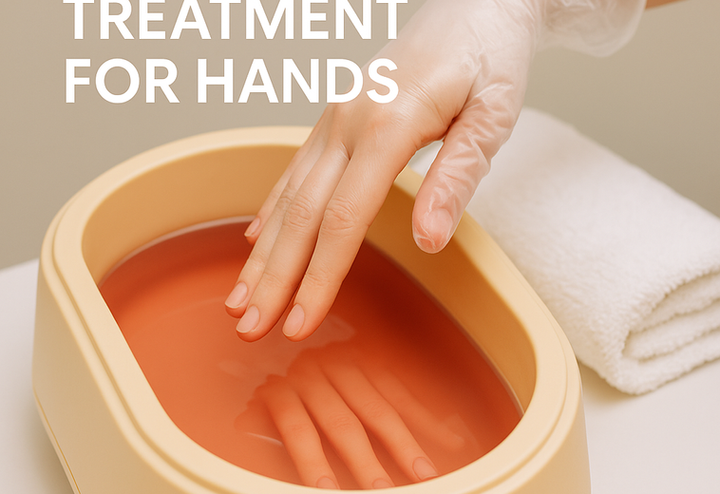
After doing dishes, immediately apply a rich hand cream, massaging it into your nails and cuticles.
Don’t rely solely on one method.
| Hydration Method | How It Helps | Best Practice |
|---|---|---|
| Nail & Cuticle Oils. | Penetrates nail plate for flexibility, prevents dryness. | Massage into nails/cuticles daily, especially after washing. |
| Hand & Nail Creams. | Provides broad hydration, creates protective barrier. | Apply after hand washing and before bed, focusing on nails. |
| Internal Hydration. | Supports overall body moisture, builds strong nails. | Drink plenty of water; eat nutrient-rich foods (healthy fats, vitamins). |
| Protective Gloves. | Shields nails from drying chemicals and excessive water. | Wear for cleaning, dishwashing, or gardening. |
Common Habits That Dry Out Your Nails
While you might be actively trying to hydrate your nails, certain daily habits can inadvertently strip them of moisture, making your efforts less effective. Understanding these common culprits is crucial for a holistic approach to nail care.
Frequent exposure to water, especially hot water, can be very drying. Water acts like a solvent, washing away the natural oils that protect your nails.
Additionally, some nail care products, particularly acetone-based nail polish removers, are notorious for their drying effects. While effective at removing polish, they can leave nails brittle if not followed by immediate rehydration.
If you frequently wash dishes without gloves, the hot water and harsh detergent are stripping your nails of their natural oils, leading to rapid dehydration.
Don’t assume that just because a product is for nails, it’s always beneficial.

- Excessive Water Exposure: Frequent hand washing or prolonged time in water without protection.
- Harsh Chemicals: Cleaning products, strong soaps, or certain nail polish removers.
- Dry Climates/Air: Low humidity environments, air conditioning, or cold weather.
- Nail Biting/Picking: Damages the nail plate and cuticle, making it harder to retain moisture.
- Improper Nail Tools: Using metal tools to push back cuticles can damage the protective seal.
Definition of nail hydration
- Nail hydration is essential for nail flexibility, strength, and preventing breakage.
- Dehydrated nails often appear brittle, peel, or have ridges.
- Regular use of cuticle oils and hand creams is crucial for external moisture.
- Adequate water intake and a balanced diet support internal nail hydration.
- Protecting nails from harsh chemicals and excessive water exposure helps maintain moisture.
The article must define nail
External Application. Using Nail and Cuticle Oils Regularly
Nail and cuticle oils are highly effective for delivering moisture directly to the nail plate and surrounding skin. These oils, often rich in vitamins and fatty acids, penetrate the nail to improve flexibility and prevent dryness.
- Anyone with dry, brittle, or peeling nails, or those looking to maintain overall nail health and promote growth.
- Ensure the oil is fully absorbed before touching surfaces to avoid greasy residue.
- Apply a small drop of cuticle oil to each nail and massage it into the nail plate and cuticle area at least once daily, ideally before bed or.
Topical Moisture. Applying Hand and Nail Creams
Beyond cuticle oils, a good quality hand and nail cream provides a broader layer of hydration for your hands and nails. These creams often contain humectants (like glycerin or hyaluronic acid) that draw moisture into the skin and emollients (like shea butter or ceramides) that create a protective barrier, preventing moisture loss from both skin and nails.
- Daily maintenance for all nail types, especially beneficial for those whose hands are frequently exposed to water or dry air.
- Choose creams specifically formulated for hands and nails, as body lotions might not offer the same targeted benefits.
- Make it a habit to apply hand and nail cream after every hand wash and before bed.
Internal Support. Prioritizing Internal Hydration and Diet
External treatments are vital, but true nail health starts from within. Drinking enough water throughout the day helps hydrate your entire body, including your nails.
- Everyone, as internal health directly impacts external appearance, including nails.
- Don’t expect immediate results from dietary changes; nail growth is slow, so consistency is key.
- Aim for at least 8 glasses of water daily and incorporate a variety of fruits, vegetables, lean proteins, and healthy fats into your meals to support overall nail.
FAQs
How often should I hydrate my nails?
For best results, aim to hydrate your nails and cuticles daily. Applying cuticle oil and hand cream once in the morning and once before bed is a good routine.
Is nail dehydrator the same as a nail hydrator?
No, they are opposites. A nail dehydrator is used to remove oils and moisture from the nail plate, typically before applying gel polish or acrylics, to ensure better adhesion.
Can diet really affect nail hydration?
Your diet plays a significant role in overall nail health, including hydration. Consuming enough water and a balanced diet rich in healthy fats (like omega-3s), vitamins (especially biotin and vitamin E), and minerals provides the essential nutrients for strong, moisturized nail growth.
What are the best natural ways to rehydrate nails?
Natural methods include regularly massaging natural oils like coconut oil, olive oil, or jojoba oil into your nails and cuticles. Soaking nails in warm water for a few minutes followed by oil application can also help.
Does nail polish prevent my nails from hydrating?
Nail polish itself doesn’t directly prevent hydration, but it can create a barrier. The bigger issue is often the polish remover, especially those containing acetone, which can be very drying.
Conclusion
Understanding what nail hydration is and why it’s vital is the first step toward achieving truly healthy, resilient nails. It’s not just about aesthetics; well-hydrated nails are fundamentally stronger, more flexible, and less prone to the common issues of brittleness, peeling, and breakage.
By recognizing the signs of dehydration and consistently applying practical hydration methods-both externally with oils and creams, and internally through diet and water intake-you can significantly improve the condition of your nails. Protecting your hands from harsh elements and avoiding drying habits will further support your efforts.
Related posts
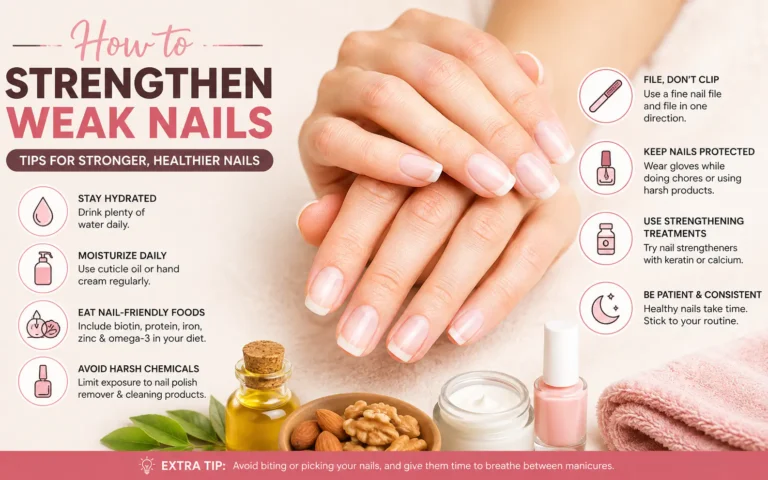 How to Strengthen Weak Nails: A Practical Guide to Daily Care
Learn how to strengthen weak nails with simple daily habits, protective care, and targeted hydration. Restore your natural nail strength today. Weak, peeling, or brittle nails…
 What Sounds Do Cats Dislike? 7 Noises That Stress Your Pet
Discover what sounds do cats dislike and why. Learn how to protect your cat’s sensitive hearing from stressful household noises and high-frequency hums. Cats dislike sounds…
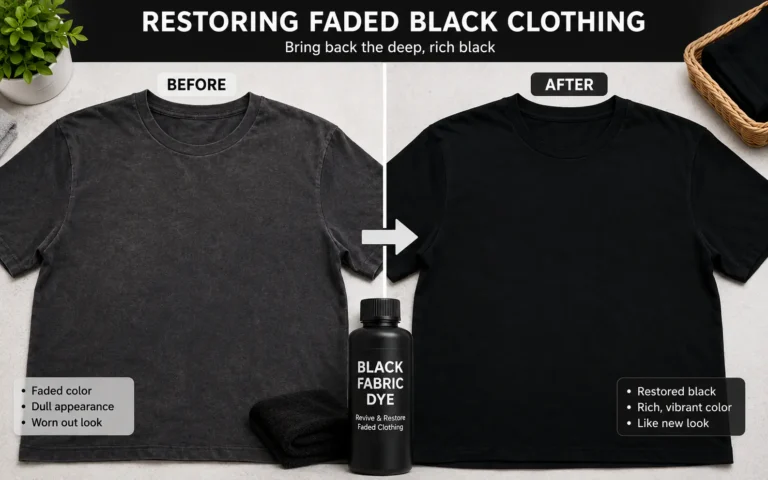 Restoring Faded Black Clothing: Practical Methods and Reality Checks
Can you restore faded black clothing? Learn the difference between temporary color revival and permanent redyeing, plus how to prevent future fading. You can restore the…