
How to Get Fit at Home Naturally: Your Guide
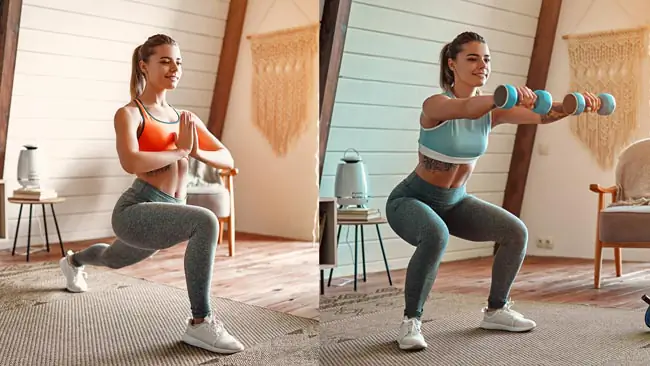
Getting fit at home naturally means leveraging your body’s capabilities and simple lifestyle adjustments to improve your physical health without needing specialized equipment or a gym membership. It’s about building strength, endurance, and overall well-being through consistent, accessible methods.
This approach focuses on exercises that use your own body weight for resistance, incorporating movement into your daily life, and making mindful choices about nutrition and hydration. The goal is to create sustainable habits that lead to lasting fitness.
Bodyweight exercises for strength
- Your body is your best tool for building strength at home.
- Consistent movement, even short bursts, boosts cardiovascular health.
- Whole foods and adequate water are foundational to natural fitness.
- Small, consistent efforts build lasting fitness habits.
- A positive mindset is crucial for overcoming home workout challenges.
| Topic | When it helps | What to keep in mind |
|---|---|---|
| 1 | Beginners and those with limited space or equipment. | Ensure proper form to prevent injury. Start with easier variations if needed. |
| 2 | Anyone looking to elevate heart rate and burn calories without leaving home. | Listen to your body and modify movements if you have joint issues. |
| 3 | Individuals looking to fuel their bodies effectively for fitness. | Avoid excessive processed foods, sugary drinks, and unhealthy fats. |
| 4 | Everyone aiming to optimize their physical performance and recovery. | Don’t wait until you’re thirsty to drink; sip water consistently. |
Focus on bodyweight exercises at-home
1. Master Bodyweight Strength
Utilize exercises like squats, lunges, push-ups (on knees or toes), planks, and glute bridges. These movements engage multiple muscle groups and build functional strength.
- Beginners and those with limited space or equipment.
- Ensure proper form to prevent injury. Start with easier variations if needed.
- Focus on controlled movements and gradually increase repetitions or hold times as you get stronger.
2. Incorporate At-Home Cardio
Engage in activities like jumping jacks, high knees, butt kicks, stair climbing, or dancing. Even short, intense bursts can significantly improve cardiovascular health.
- Anyone looking to elevate heart rate and burn calories without leaving home.
- Listen to your body and modify movements if you have joint issues.
- Aim for at least 150 minutes of moderate-intensity cardio per week, broken into manageable sessions.

3. Prioritize Natural Nutrition
Focus on whole, unprocessed foods such as fruits, vegetables, lean proteins, and whole grains. These provide the essential nutrients your body needs to recover and perform.
- Individuals looking to fuel their bodies effectively for fitness.
- Avoid excessive processed foods, sugary drinks, and unhealthy fats.
- Make gradual dietary changes rather than drastic overhauls for better long-term adherence.
4. Stay Adequately Hydrated
Drink plenty of water throughout the day. Water is crucial for energy levels, muscle function, and overall metabolic processes that support fitness.
- Everyone aiming to optimize their physical performance and recovery.
- Don’t wait until you’re thirsty to drink; sip water consistently.
- Carry a reusable water bottle to keep hydration top of mind.
Build Strength with Your Bodyweight
Your own body weight is a powerful tool for building muscle and strength. Exercises like squats, lunges, and push-ups target major muscle groups and can be modified to suit your fitness level. These movements mimic everyday actions, making them functional and effective for overall fitness.
Planks are excellent for core strength, engaging your abdominal muscles, back, and shoulders. Start with a plank on your knees if a full plank is too challenging. Glute bridges target your glutes and hamstrings, important for posture and lower body power. Focus on slow, controlled movements to maximize muscle engagement.
Instead of using weights, you can perform push-ups against a wall to start, then progress to incline push-ups on a sturdy table, and eventually to floor push-ups. Similarly, squats can be modified by using a chair for support.
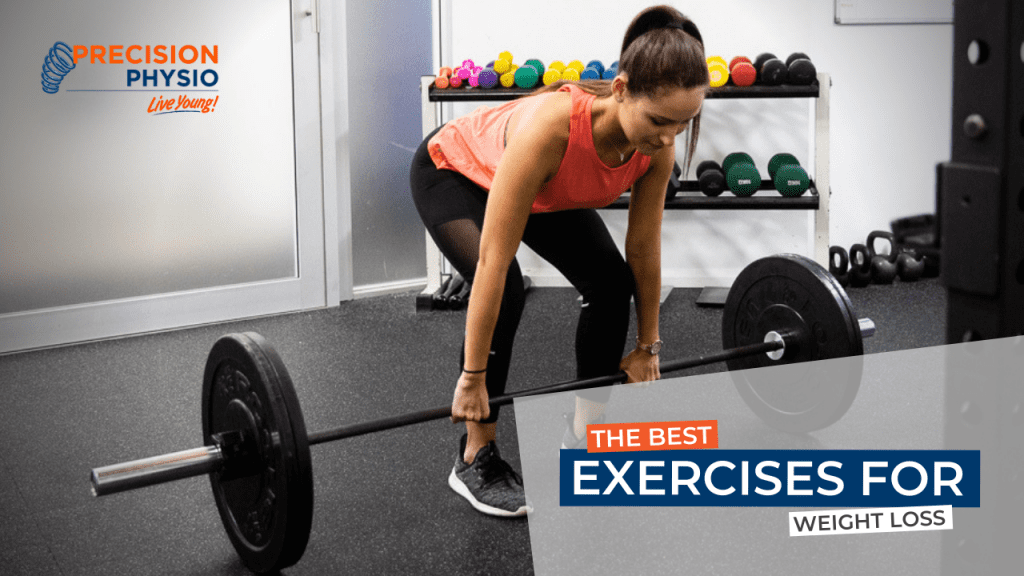
Performing exercises with poor form can lead to injuries and reduce effectiveness. It’s better to do fewer repetitions correctly than many with bad form.Squats: For legs and glutes.Lunges: For legs and balance.Push-ups: For chest, shoulders, and triceps.Planks: For core stability.Glute Bridges: For glutes and hamstrings.
Elevate Your Heart Rate with Home Cardio
Cardiovascular exercise is vital for heart health, endurance, and calorie expenditure. You don’t need a treadmill or elliptical to get your heart pumping. Simple, dynamic movements can provide an effective workout.
Activities like jumping jacks, high knees, and butt kicks are great for raising your heart rate quickly. If you have space, jogging in place or doing burpees can offer a more intense challenge. Even brisk walking around your home or garden counts towards your daily activity goals.
You can turn your living room into a dance floor with your favorite upbeat music for 20-30 minutes, or use the stairs in your home for interval training by walking or running up and down them for a set period.
Skipping warm-ups and cool-downs can increase the risk of muscle strains and reduce recovery. Always prepare your body before and help it recover after cardio.
- Jumping Jacks: Full-body cardio.
- High Knees: Targets legs and core.
- Butt Kicks: Engages hamstrings and glutes.
- Stair Climbing: Excellent for leg strength and cardio.
- Dancing: Fun and effective for overall fitness.

Fuel Your Body Naturally
What you eat and drink directly impacts your energy levels, recovery, and overall fitness progress. Natural nutrition means prioritizing whole, unprocessed foods that provide your body with the vitamins, minerals, and energy it needs to thrive.
Lean proteins from sources like chicken, fish, beans, and lentils are essential for muscle repair and growth. Complex carbohydrates from whole grains, fruits, and vegetables provide sustained energy. Healthy fats found in avocados, nuts, and seeds are also crucial for bodily functions. Adequate hydration is equally important; water is involved in nearly every bodily process, including metabolism and temperature regulation.
Instead of reaching for a processed snack bar, opt for a handful of almonds and an apple. For hydration, keep a pitcher of water infused with lemon or cucumber slices in the fridge to make it more appealing.
Relying on supplements or fad diets instead of whole foods can be less effective and potentially harmful. Focus on building a balanced diet from natural sources.
Cultivate Consistency and a Positive Mindset
Achieving fitness at home naturally is a marathon, not a sprint. Consistency is more important than intensity, especially in the beginning. Establishing a regular routine, even if it’s just 20-30 minutes a few times a week, builds momentum and makes fitness a habit.
Your mindset plays a significant role. View challenges as opportunities to learn and adapt. Celebrate your progress, no matter how small. If you have an off day, acknowledge it without judgment and recommit to your goals. Positive self-talk and focusing on how good you feel after a workout can be powerful motivators.
Schedule your workouts like any other important appointment. If you miss a session, don’t dwell on it; simply get back on track with your next planned workout. Celebrate small victories, like completing a challenging set or sticking to your healthy eating plan for a week.
Setting unrealistic goals or expecting immediate results can lead to discouragement and quitting. Focus on gradual progress and the journey, not just the destination.
FAQs
What is the fastest way to get fit at home naturally?
The fastest way involves combining consistent, high-intensity bodyweight exercises with a clean, nutrient-dense diet and adequate hydration. Focus on compound movements and short, intense cardio bursts.
Can I get toned without weights at home?
Yes, you can achieve muscle tone through bodyweight exercises. By focusing on progressive overload (increasing reps, sets, or difficulty) and proper form, you can build lean muscle and definition.
How much time do I need to dedicate to get fit at home?
Even 20-30 minutes of focused activity most days of the week can yield significant results. Consistency is more important than duration, especially when starting out.
What if I have limited space at home?
Many effective exercises, like squats, lunges, planks, and jumping jacks, require very little space. You can also adapt movements like high knees or butt kicks to fit your area.
How do I stay motivated to exercise at home?
Set realistic goals, find activities you enjoy, create a dedicated workout space, track your progress, and consider a workout buddy (even virtual) for accountability and support.
Conclusion
Getting fit at home naturally is an achievable and rewarding goal. By focusing on bodyweight exercises, accessible cardio, and fundamental healthy habits like proper nutrition and hydration, you can build a strong, healthy body without needing a gym.
Remember that consistency and a positive mindset are your greatest allies. Start small, celebrate your progress, and trust the process. Your commitment to these natural methods will lead to sustainable fitness and improved well-being.
Related posts
 Why Do Dogs Stare at Walls? Common Causes and When to Worry
Wondering why do dogs stare at walls? Discover the sensory, behavioral, and medical reasons behind this behavior, and learn when to contact your veterinarian. When you…
 How to Test Car Wiring for Continuity Using a Multimeter
Learn how to test car wiring for continuity safely. Find broken automotive wires, check connector ports, and diagnose electrical issues with a multimeter. Testing car wiring…
 Why Organizing Space Reduces Stress: The Mental Clarity Connection
Discover why organizing space reduces stress. Learn how a tidy environment lowers cortisol, improves focus, and creates a sense of calm in your daily life. Organizing…