
Why Proper Storage is Important at Home

Proper storage at home is more than just tidying up; it’s a critical practice that impacts your safety, your finances, and the longevity of your belongings. When items are stored correctly, you create a safer living environment, prevent spoilage and damage, and make better use of your available space.
Understanding why proper storage is important at home means recognizing its role in everything from preventing foodborne illnesses to avoiding household accidents. It’s about making conscious choices about where and how you keep things, which ultimately contributes to a more organized, efficient, and cost-effective household.
Safety checks
- Proper storage is essential for maintaining the quality and safety of food and other perishables.
- Good storage practices significantly reduce the risk of household accidents and hazards.
- Organized storage maximizes living space and makes finding items easier.
- Effective storage helps prevent costly waste and saves money in the long run.
- Proper storage is a key component of a well-maintained and healthy home.
| Topic | When it helps | What to keep in mind |
|---|---|---|
| 1 | Food items, medications, documents, and items sensitive to light, temperature, or humidity. | Storing items in unsuitable conditions (e.g., heat-sensitive items in a warm pantry, or produce that emits ethylene gas near sensitive items). |
| 2 | Walkways, staircases, electrical outlets, and areas where quick access might be needed. | Blocking fire exits, storing flammable liquids near heat sources, leaving tools or toys scattered on floors, or overloading shelves. |
| 3 | All household items, especially in smaller homes or apartments. | Hoarding unnecessary items, using inefficient storage methods that create more clutter, or not having a designated place for everything. |
| 4 | Food, clothing, tools, seasonal decorations, and anything prone to damage or degradation. | Allowing food to expire due to poor visibility or incorrect temperature, letting tools rust from exposure to moisture, or damaging seasonal items. |
| 5 | Food items, pet food, and anything stored in pantries, basements, or garages. | Leaving food crumbs or spills accessible, using porous containers that pests can chew through, or storing items in damp, dark areas. |
Preserving Quality and Freshness
The most immediate benefit of proper storage is its ability to maintain the quality and freshness of the items you own. For food, this means preserving its nutritional value, taste, and safety.
Beyond food, many other household items benefit from appropriate storage. Documents can degrade if exposed to moisture or sunlight, medications lose potency if stored improperly, and even tools can rust or become damaged if left unprotected.
Storing fruits like apples in a cool, dark place can extend their freshness for weeks, whereas leaving them on a warm countertop might lead to spoilage within days.
Leaving opened packages of dry goods like cereal or pasta unsealed in a humid environment, leading to staleness and potential mold growth.

Ensuring Home Safety and Preventing Hazards
The importance of proper storage extends significantly to home safety. Clutter is a leading cause of household accidents, particularly falls.
Furthermore, improper storage of certain materials can lead to serious risks. Flammable liquids, for instance, must be stored in cool, well-ventilated areas away from ignition sources.
A pile of boxes stacked precariously near an electrical outlet could not only be a tripping hazard but also pose a fire risk if they obstruct ventilation or come into contact with heat.
Storing flammable liquids like cleaning supplies or paint in areas with fluctuating temperatures or near heat sources, increasing the risk of fire or explosion.
- Keep walkways and staircases clear of any stored items.
- Store hazardous materials in designated, secure, and well-ventilated areas.
- Ensure shelves are stable, not overloaded, and items are placed securely.
- Avoid blocking access to emergency exits or equipment.
Maximizing Space and Organization
In today’s homes, space is often at a premium. Proper storage is key to maximizing the utility of every square foot.
Beyond aesthetics, good organization saves valuable time and reduces stress. Instead of rummaging through piles of belongings, you can easily locate what you need.
Using drawer dividers in the kitchen can transform a chaotic utensil drawer into an organized space where you can quickly find the right tool, saving precious minutes during meal preparation.

Simply shoving items into closets or cabinets without a system, leading to a disorganized mess that makes finding anything a chore.
- Utilize vertical space with shelves and wall-mounted organizers.
- Employ drawer inserts and dividers for smaller items.
- Consider multi-functional furniture that offers hidden storage.
- Regularly declutter to prevent excess accumulation.
Saving Money and Reducing Waste
The financial implications of proper storage are substantial. When items are protected from damage, spoilage, or degradation, they last longer.
This principle is especially true for food. Proper storage can significantly reduce household food waste, which not only saves money but also has environmental benefits.
Storing bread in a bread box or a sealed bag at room temperature, or freezing it if not used quickly, prevents it from becoming stale or moldy, saving you from having to buy a new loaf prematurely.
Leaving produce in the crisper drawer for too long without proper ventilation or humidity control, leading to rapid spoilage and wasted food.
- Reduces the frequency of purchasing replacements.
- Minimizes food spoilage and wasted groceries.
- Protects investments in tools, equipment, and seasonal items.
- Helps maintain the value of goods.
Focus on the general importance
1. Preserving Quality and Freshness
Proper storage techniques, especially for food, are vital for maintaining nutritional value, taste, and texture. Incorrect storage can lead to rapid spoilage, loss of nutrients, and the growth of harmful bacteria.
- Food items, medications, documents, and items sensitive to light, temperature, or humidity.
- Storing items in unsuitable conditions (e.g., heat-sensitive items in a warm pantry, or produce that emits ethylene gas near sensitive items).
- Always check recommended storage conditions for specific items, especially perishable goods, and use airtight containers or appropriate packaging.
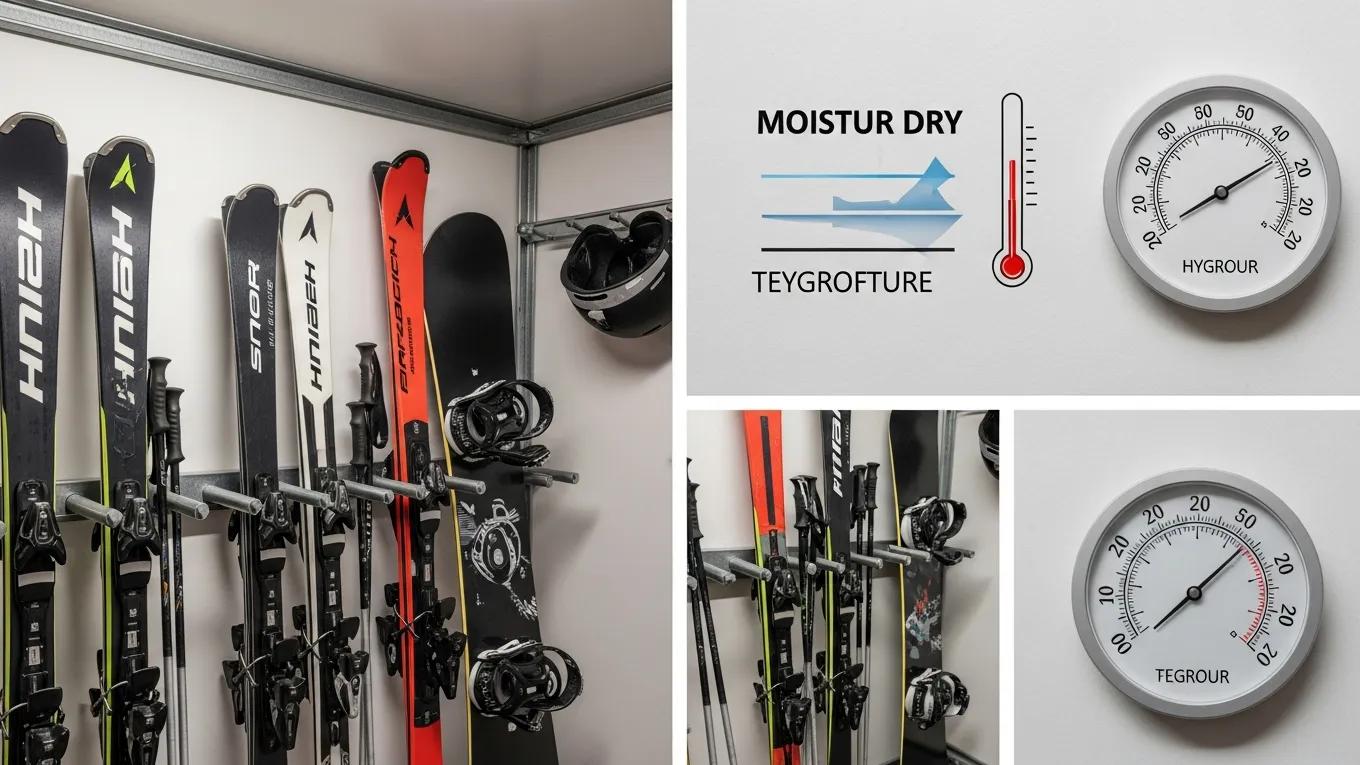
2. Ensuring Home Safety and Preventing Hazards
Clutter and improperly stored items are significant safety risks. Tripping hazards, fire risks from flammable materials, and accessibility issues for emergency services are all consequences of poor storage.
- Walkways, staircases, electrical outlets, and areas where quick access might be needed.
- Blocking fire exits, storing flammable liquids near heat sources, leaving tools or toys scattered on floors, or overloading shelves.
- Keep pathways clear, store hazardous materials in designated, secure locations, and ensure shelves are stable and not overloaded.
3. Maximizing Space and Organization
Effective storage solutions make the most of your home’s square footage, reducing clutter and making it easier to find what you need. This leads to a more functional and less stressful living environment.
- All household items, especially in smaller homes or apartments.
- Hoarding unnecessary items, using inefficient storage methods that create more clutter, or not having a designated place for everything.
- Regularly declutter and utilize vertical space, drawer organizers, and multi-functional furniture to keep things tidy and accessible.
4. Saving Money and Reducing Waste
When items are stored properly, they last longer, reducing the need for frequent replacements. This is particularly true for food, where proper storage prevents spoilage and saves money on groceries.
- Food, clothing, tools, seasonal decorations, and anything prone to damage or degradation.
- Allowing food to expire due to poor visibility or incorrect temperature, letting tools rust from exposure to moisture, or damaging seasonal items.
- Implement a ‘first-in, first-out’ system for food and regularly inspect stored items to catch potential issues early.
5. Preventing Pest Infestations
Properly sealed containers and organized storage areas make it harder for pests like insects and rodents to find food sources or nesting sites within your home.
- Food items, pet food, and anything stored in pantries, basements, or garages.
- Leaving food crumbs or spills accessible, using porous containers that pests can chew through, or storing items in damp, dark areas.
- Use airtight, pest-resistant containers for food and keep storage areas clean and dry.
FAQs
Why is proper food storage so important?
Proper food storage is crucial for preventing the growth of harmful bacteria that can cause foodborne illnesses. It also helps maintain the food’s nutritional value, taste, and texture, reducing waste and saving money.
How does storage affect home safety?
Poor storage creates hazards like tripping risks from clutter, fire risks from improperly stored flammable materials, and can obstruct access during emergencies. Proper storage keeps pathways clear and hazardous items contained.
Can good storage really save me money?
Yes, by preventing items from spoiling, degrading, or getting damaged, proper storage means you don’t have to replace them as often. This is especially true for food, where reducing waste directly cuts grocery costs.
What’s the connection between storage and organization?
Good storage is the foundation of good organization. When items are stored properly, they have a designated place, which makes it easier to keep your home tidy, find what you need quickly, and reduce overall clutter.
Does storage help with pests?
Properly sealed containers and organized storage areas make it much harder for pests like insects and rodents to find food sources or nesting spots within your home.
Conclusion
Ultimately, proper storage at home is a fundamental practice that pays dividends in multiple areas of your life. It’s not just about aesthetics; it’s about ensuring the safety of your household, preserving the value of your belongings, and creating a more efficient and less stressful living environment.
By taking a mindful approach to how and where you store items, you can prevent accidents, reduce waste, save money, and enjoy a more organized and functional home. Start by evaluating one area that needs attention and implement simple, effective storage solutions.
Related posts
 How to Strengthen Weak Nails: A Practical Guide to Daily Care
Learn how to strengthen weak nails with simple daily habits, protective care, and targeted hydration. Restore your natural nail strength today. Weak, peeling, or brittle nails…
 What Sounds Do Cats Dislike? 7 Noises That Stress Your Pet
Discover what sounds do cats dislike and why. Learn how to protect your cat’s sensitive hearing from stressful household noises and high-frequency hums. Cats dislike sounds…
 Restoring Faded Black Clothing: Practical Methods and Reality Checks
Can you restore faded black clothing? Learn the difference between temporary color revival and permanent redyeing, plus how to prevent future fading. You can restore the…