
What Is Cuticle Care and Why It Matters for Healthy Nails
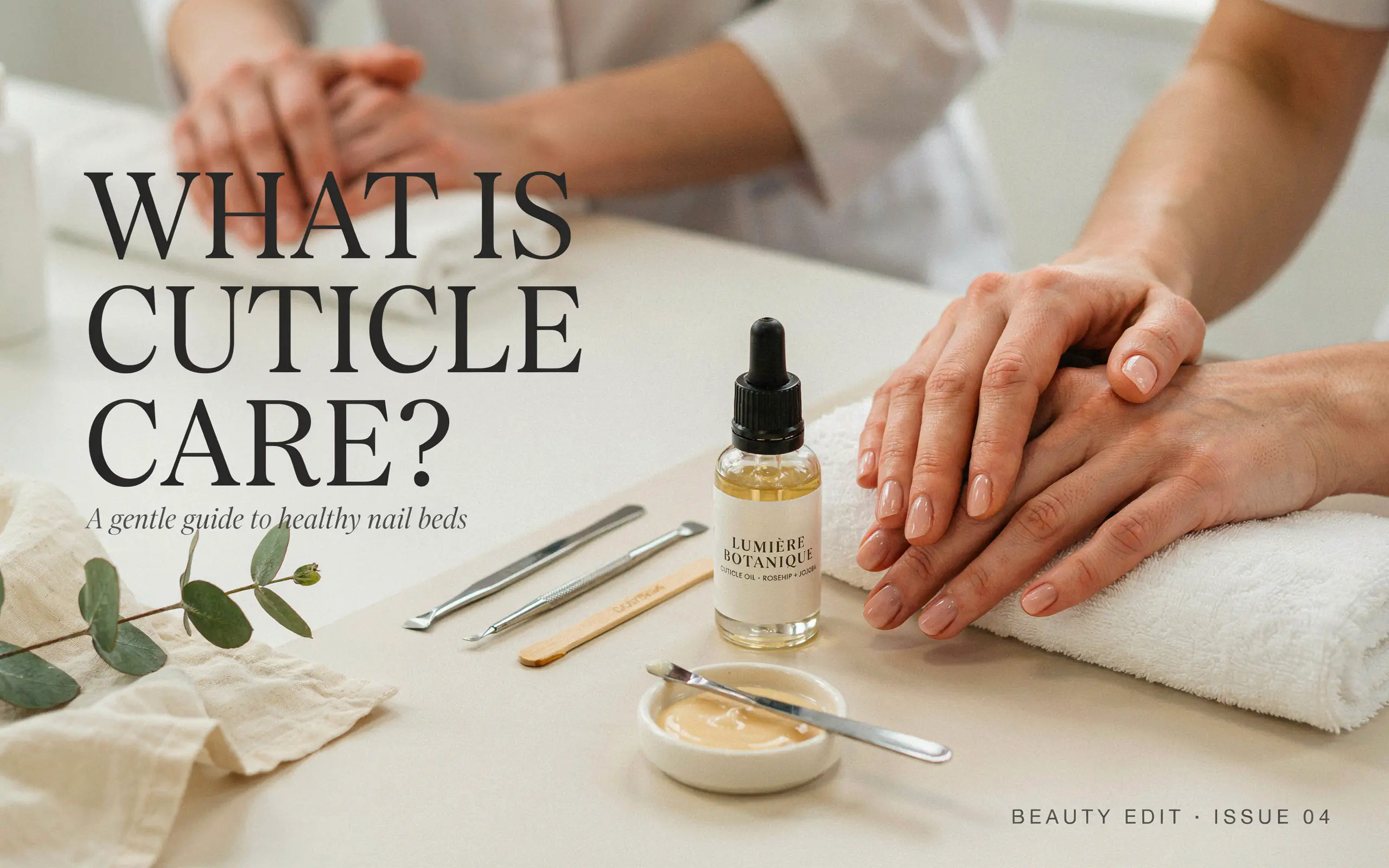
Cuticle care refers to the practices and routines aimed at maintaining the health and integrity of the cuticles, the thin layer of skin at the base of your fingernails and toenails. These often-overlooked areas play a crucial role in protecting your nail bed from bacteria and infection, and keeping them healthy is vital for overall nail appearance and strength.
Understanding what cuticle care is and why it matters empowers you to adopt gentle, effective habits that prevent common issues like dryness, cracking, and hangnails. Instead of aggressive treatments, the focus is on hydration and protection, ensuring your nails remain strong and resilient.
| Topic | When it helps | What to keep in mind |
|---|---|---|
| 1 | Anyone seeking to understand the basic anatomy of their nails. | Confusion with eponychium or other nail fold structures. |
| 2 | Individuals wanting to improve nail health and appearance. | Underestimating the role of cuticles in nail health. |
| 3 | Anyone looking for practical, daily nail care routines. | Using sharp tools or excessive force when pushing back cuticles. |
What Are Cuticles and Their Role?
What Is Cuticle Care. Cuticles are the thin, transparent layer of skin found at the base of your fingernails and toenails. They originate from the eponychium, which is the fold of skin that covers the nail matrix – the area where your nail grows from. The primary job of the cuticle is to act as a protective barrier.
This barrier is crucial for preventing bacteria, viruses, and other potential contaminants from entering the nail bed. By sealing off the area where the nail emerges, cuticles help maintain a sterile environment, which is essential for healthy nail growth and preventing infections. They also help to retain moisture, keeping the nail and surrounding skin hydrated.
Think of your cuticle as a tiny, natural waterproof seal around the base of your nail, like the seal on a jar lid. It stops water and germs from getting under your nail where they can cause problems.
Why Prioritizing Cuticle Care Matters
Healthy cuticles are fundamental to healthy nails. When cuticles are dry, cracked, or damaged, they lose their ability to effectively seal out moisture and protect the nail matrix. This can lead to a variety of issues, including increased risk of fungal and bacterial infections, brittle nails, and unsightly hangnails.
Regular and gentle care ensures that your cuticles remain pliable and intact. This not only contributes to the aesthetic appeal of your hands and feet but, more importantly, supports the integrity of your nails. Well-maintained cuticles are a sign of overall good nail hygiene and care.
If you notice your nails are prone to splitting or your skin around the nails is often dry and ragged, it could be a sign that your cuticles need more attention. Healthy cuticles support strong nail growth and prevent the painful hangnails that can occur when the skin dries out and tears.
Cutting or aggressively removing cuticles, which can compromise their protective function and lead to infection.
- Prevents infection by blocking entry of bacteria and fungi.
- Seals in moisture, keeping nails and surrounding skin hydrated.
- Supports healthy nail growth from the nail matrix.
- Reduces the likelihood of painful hangnails and tears.
Effective Cuticle Care Practices
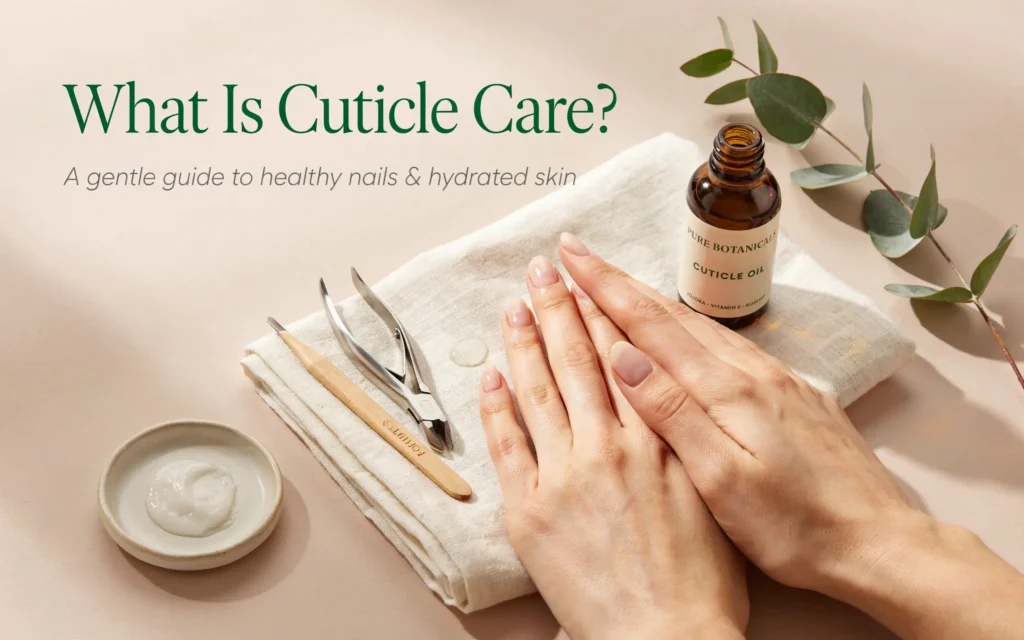
The cornerstone of good cuticle care is consistent hydration. Applying cuticle oil or a rich hand cream daily, especially after washing your hands or before bed, helps keep the skin soft and supple. Look for products containing ingredients like jojoba oil, vitamin E, or shea butter.
When it comes to tidying up, the general consensus among dermatologists is to avoid cutting your cuticles. Instead, after softening them, gently push them back using a soft tool like an orange stick or a cuticle pusher. This process removes any dead skin that might be lifting without compromising the protective seal.
Protecting your cuticles from harsh chemicals and excessive water exposure is also important. Wearing gloves when doing household chores, especially those involving cleaning products or prolonged water immersion, can prevent them from becoming dry and damaged.
After washing your hands, while your cuticles are still soft, gently use an orange stick or a cuticle pusher to ease them back. Follow up immediately with a drop of cuticle oil on each nail, massaging it in. This simple routine takes less than two minutes but makes a significant difference.
Using metal cuticle nippers or scissors to cut the cuticle, as this can cause damage and infection.
- Moisturize daily with cuticle oil or hand cream.
- Gently push back softened cuticles with a soft tool.
- Avoid cutting cuticles to prevent infection.
- Wear gloves for household tasks involving water or chemicals.
- Hydrate cuticles before bed for overnight recovery.
Common Cuticle Care Mistakes to Avoid
One of the most common and detrimental mistakes is cutting the cuticles. While it might seem like a way to achieve a cleaner look, it removes a vital protective barrier, leaving the nail bed vulnerable to infection. Many nail salons have stopped cutting cuticles for this reason.
Another frequent error is neglecting hydration. Dry, neglected cuticles are more prone to cracking and tearing, leading to hangnails. Relying solely on manicures to address cuticle issues without consistent daily care at home is also ineffective.
Aggressively pushing back cuticles or using sharp tools can cause trauma to the nail matrix, potentially affecting nail growth. It’s essential to be gentle and patient.
You might be tempted to bite or pick at a dry, peeling cuticle because it’s annoying. However, this action can tear the skin, introduce bacteria, and lead to painful infections or hangnails that are worse than the original problem.
Biting or picking at cuticles, which can cause damage and introduce bacteria.
- Cutting cuticles instead of gently pushing them back.
- Neglecting daily moisturizing, leading to dryness and cracking.
- Biting or picking at hangnails and dry skin.
- Using harsh chemicals or prolonged water exposure without protection.
- Aggressively pushing back cuticles with excessive force.
Safety checks
- Cuticles are a protective barrier for your nails.
- Moisturizing is essential for healthy cuticles.
- Avoid cutting your cuticles to prevent infection.
- Gentle care promotes stronger, healthier nails.
- Pay attention to signs of dry or irritated cuticles.
Define cuticles explain their protective
1. What Are Cuticles?
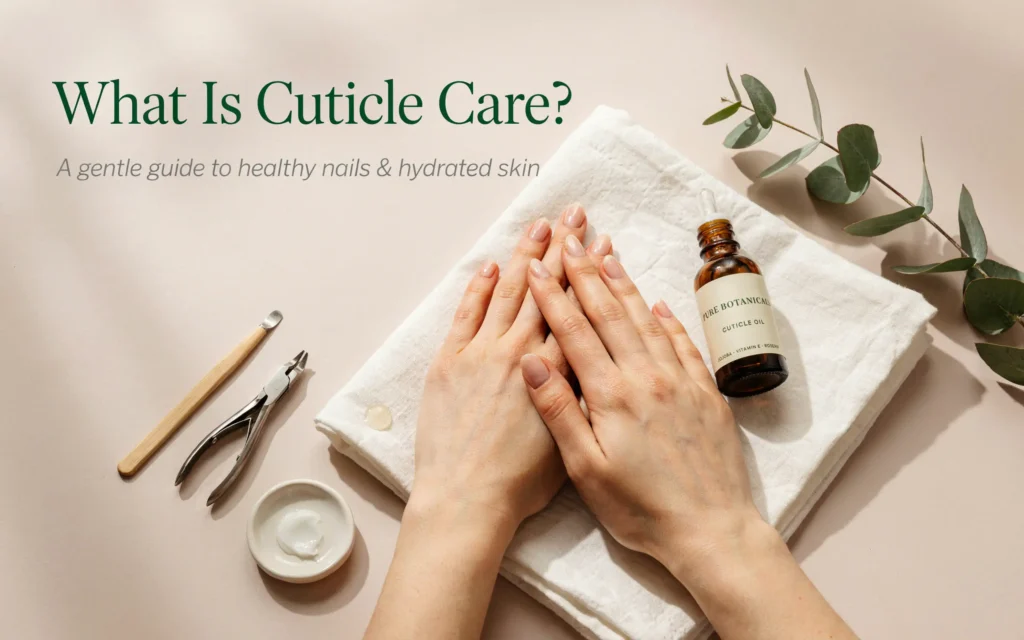
Cuticles are the transparent protective layers of skin located at the base of your nails, covering the nail matrix. They act as a natural seal, preventing water and microorganisms from entering the nail bed and causing infection.
- Anyone seeking to understand the basic anatomy of their nails.
- Confusion with eponychium or other nail fold structures.
- Recognize cuticles as the outermost layer of skin at the nail’s base.
2. Why Cuticle Care Matters
Proper cuticle care is essential because healthy cuticles protect the nail matrix, where new nail cells grow. They seal in moisture, prevent infections, and contribute to the overall strength and appearance of your nails. Neglecting them can lead to dryness, cracking, hangnails, and increased susceptibility to infections.
- Individuals wanting to improve nail health and appearance.
- Underestimating the role of cuticles in nail health.
- Prioritize cuticle health as a foundation for strong nails.
3. How to Care for Your Cuticles
Effective cuticle care involves regular moisturizing, gentle pushing back (never cutting), and protecting them from harsh elements. Daily application of cuticle oil or a rich hand cream keeps them hydrated and supple, preventing dryness and damage. When pushing back, use a soft tool like an orange stick or a soft-bristled brush after softening them with warm water or oil.
- Anyone looking for practical, daily nail care routines.
- Using sharp tools or excessive force when pushing back cuticles.
- Incorporate cuticle moisturizing into your daily hand care routine.
FAQs
Why shouldn’t I cut my cuticles?
Cutting your cuticles removes a natural protective barrier, making your nail bed vulnerable to bacteria and infection. It can also lead to irritation, dryness, and more severe hangnails than you started with.
How often should I moisturize my cuticles?
It’s best to moisturize your cuticles daily, especially after washing your hands or before going to bed. Consistent hydration is key to keeping them soft, pliable, and healthy.
What are hangnails and how do I prevent them?
Hangnails are small tears in the skin next to your nail. They usually occur when cuticles are dry and neglected. Preventing them involves keeping your cuticles moisturized and avoiding biting or picking at them.
Can cuticle care improve the appearance of my nails?
Yes, healthy cuticles contribute to the overall neatness and health of your nails. Well-moisturized cuticles make your manicure look cleaner and more professional, and they support stronger nail growth.
Is it okay to push back my cuticles every day?
Gently pushing back softened cuticles daily is generally fine and can help maintain their appearance. However, avoid excessive force or using sharp tools, as this can damage the nail matrix.
Conclusion
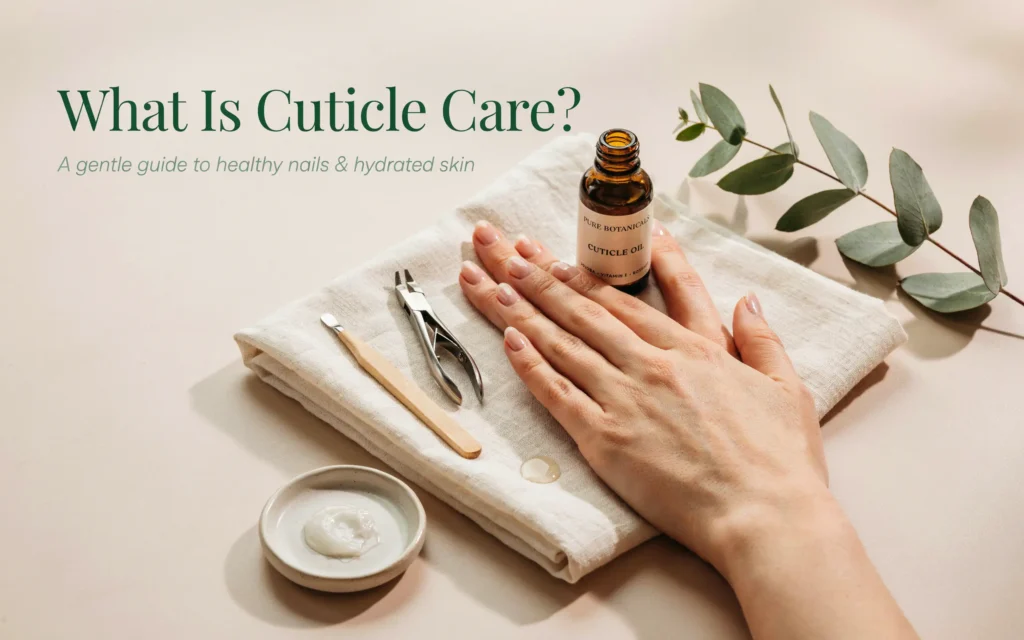
Understanding what cuticle care is and why it matters reveals its essential role in maintaining not just the appearance, but the fundamental health of your nails. By treating your cuticles as the vital protective seals they are, you can prevent common issues and foster stronger, more resilient nails.
Make a commitment to gentle, consistent care. Regularly moisturizing your cuticles and avoiding harsh treatments like cutting will go a long way in keeping your nails healthy and looking their best.
Related posts
 Is Fitness Safe for Beginners? How to Start Smart and Stay Injury-Free
Wondering is fitness safe for beginners? Learn how to start exercising safely, avoid common mistakes, and build a healthy routine without injury. Get practical tips for…
 Why Is My Cat Losing Weight Fast? Causes & Urgent Next Steps
Discover why is my cat losing weight fast, from common health issues to urgent concerns. Learn what symptoms to watch for and when to seek veterinary…
 Why Is My Puppy Scared of Everything? Causes & Solutions
Discover why is my puppy scared of everything. Learn about fear periods, socialization, and practical ways to help your nervous pup feel secure. It can be…