
The Best Way to File Nails for Health and Shape
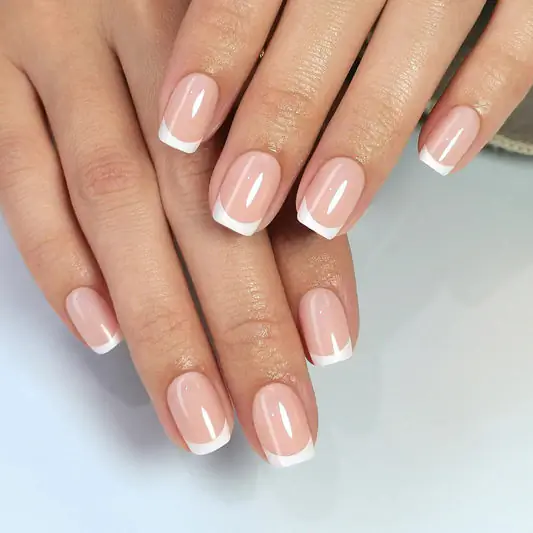
The best way to file nails prioritizes nail health and a smooth finish by using the correct tools and a gentle, consistent technique. This means filing in one direction, avoiding the back-and-forth sawing motion that can weaken and split nails.
To file your nails effectively, select a file appropriate for your nail type and then hold it at a slight angle to your nail’s edge. Move the file in a single, smooth stroke from the side of the nail towards the center.
Safety checks
- Always file in one direction to prevent micro-tears.
- Use a file with a grit appropriate for your nail strength.
- Gentle, consistent pressure is key to healthy filing.
- Avoid filing too close to the nail bed.
- Proper aftercare enhances nail health.
| Topic | When it helps | What to keep in mind |
|---|---|---|
| 1 | Natural nails, sensitive nails, achieving a smooth finish. | Using a file that is too coarse can damage natural nails, leading to splitting or peeling. |
| 2 | Preventing nail damage, creating a clean edge. | Sawing motions create micro-tears that weaken the nail, making it prone to breaking, peeling, or splitting. |
| 3 | Achieving desired nail aesthetics. | Trying to achieve a sharp shape too quickly can lead to unevenness or over-filing. |
| 4 | Maintaining nail integrity, comfort during filing. | Pressing too hard can cause the nail to flex and potentially crack or split, especially at the free edge. |
| 5 | Precision, safety, avoiding errors. | Filing in dim light increases the risk of over-filing or filing into the nail bed, causing pain and potential injury. |
This article will cover the
1. Choose the Right Nail File
Select a file with a grit count appropriate for your nail type. Finer grits (180-240 and up) are best for natural nails, while coarser grits (around 100-150) are suitable for artificial nails or shaping very thick natural nails.
- Natural nails, sensitive nails, achieving a smooth finish.
- Using a file that is too coarse can damage natural nails, leading to splitting or peeling.
- For general natural nail care, aim for a file between 180 and 240 grit.
2. Master the One-Direction Filing Technique
Hold the file at a slight angle (around 45 degrees) to the edge of your nail. Instead of sawing back and forth, use a single, smooth stroke from the side of the nail towards the center.
- Preventing nail damage, creating a clean edge.
- Sawing motions create micro-tears that weaken the nail, making it prone to breaking, peeling, or splitting.
- Imagine you are gently guiding the file along the nail’s edge in a continuous motion, rather than scrubbing.

3. Shape Your Nails Correctly
After establishing a clean edge with the one-direction technique, you can begin shaping. For a square shape, file straight across the tip.
- Achieving desired nail aesthetics.
- Trying to achieve a sharp shape too quickly can lead to unevenness or over-filing.
- Start with a less defined shape and gradually refine it.
4. Apply Gentle and Consistent Pressure
Use light to moderate pressure when filing. Excessive force can weaken the nail structure and cause heat buildup, which can be uncomfortable and damaging.
- Maintaining nail integrity, comfort during filing.
- Pressing too hard can cause the nail to flex and potentially crack or split, especially at the free edge.
- If you feel significant resistance or heat, you are likely pressing too hard or the file grit is too coarse for your nail type.
5. File in a Well-Lit Area
Ensure you have adequate lighting to see exactly where you are filing. This helps prevent accidental filing of the nail bed or cuticle area, which can be sensitive and prone to infection.
- Precision, safety, avoiding errors.
- Filing in dim light increases the risk of over-filing or filing into the nail bed, causing pain and potential injury.
- If natural light is insufficient, use a bright desk lamp or a magnifying lamp to get a clear view.
Why the Right Technique Matters
Filing your nails might seem straightforward, but the technique you use significantly impacts their health and appearance. The ‘best way’ isn’t just about achieving a desired shape; it’s about preserving the strength and integrity of your nail plate.

The primary goal of proper filing is to create a smooth, sealed edge. When you file in one direction, you guide the keratin layers of the nail to lie flat and seal together.Imagine filing your nails like you’re trying to smooth a rough edge on a piece of wood.Believing that any filing motion is acceptable as long as the nail gets shorter.Common Filing Mistakes to Avoid
Even with the best intentions, certain filing habits can undermine your efforts and harm your nails. Being aware of these common mistakes is the first step to correcting them and adopting a healthier approach.
One of the most frequent errors is the ‘sawing’ motion. This back-and-forth action is detrimental because it creates microscopic tears along the nail’s edge, weakening its structure.
Another mistake is using the wrong type of file. Metal files, while durable, can be too abrasive for natural nails.
A common mistake is filing too aggressively or too quickly, especially when trying to shorten nails significantly.

Using a metal file or a very coarse emery board on natural nails.Sawing back and forth instead of filing in one direction.Using a file that is too coarse for your natural nails.Filing nails when they are wet or overly soft.Applying too much pressure, causing heat or nail flex.Filing too close to the nail bed or cuticle area.
Nail Care After Filing
Once you’ve achieved your desired shape, the care doesn’t stop there. Proper post-filing steps help maintain the health and appearance of your nails.
Gently brush away any nail dust with a soft brush. Then, apply a nourishing cuticle oil to the base of your nails and massage it in.
If you plan to apply nail polish, ensure your nails are completely clean and dry. A base coat is recommended to protect your natural nail from staining and to provide a smooth surface for polish application.
After filing, you might notice a slightly dry or rough feeling along the nail edge.
Skipping post-filing care, which can leave nails feeling dry or brittle, negating some of the benefits of proper filing.
- Brush away nail dust.
- Apply cuticle oil and massage gently.
- Use a moisturizing hand cream.
- Consider a base coat before polish.
FAQs
Is it better to clip or file my fingernails?
Filing is generally considered better for shaping and maintaining the natural nail edge, as it allows for more control and a smoother finish. Clipping can be a good first step to shorten nails, but it’s essential to follow up with filing to.
How often should I file my nails?
You should file your nails as needed, typically when they start to grow past your desired length or shape. For most people, this might be once a week or every two weeks.
Can I file my nails without damaging them?
Yes, you can file your nails without damage by using the correct technique: filing in one direction, using a gentle pressure, choosing an appropriate grit file, and avoiding the sawing motion. Proper aftercare also contributes to preventing damage.
What grit nail file is best for natural nails?
For natural nails, a finer grit file is best. Look for files with a grit count of 180 to 240 or higher.
Conclusion
Mastering the best way to file nails is a simple yet crucial aspect of good nail care. By prioritizing a gentle, one-direction filing motion and selecting the right tools, you can achieve beautifully shaped nails while significantly reducing the risk of damage, splitting, and breakage.
Remember to always file from the side towards the center, use a fine-grit file appropriate for natural nails, and apply consistent, light pressure. Incorporating these practices into your routine will lead to stronger, healthier-looking nails.
Related posts
 How to Strengthen Weak Nails: A Practical Guide to Daily Care
Learn how to strengthen weak nails with simple daily habits, protective care, and targeted hydration. Restore your natural nail strength today. Weak, peeling, or brittle nails…
 What Sounds Do Cats Dislike? 7 Noises That Stress Your Pet
Discover what sounds do cats dislike and why. Learn how to protect your cat’s sensitive hearing from stressful household noises and high-frequency hums. Cats dislike sounds…
 Restoring Faded Black Clothing: Practical Methods and Reality Checks
Can you restore faded black clothing? Learn the difference between temporary color revival and permanent redyeing, plus how to prevent future fading. You can restore the…