
Why You Feel Bloated After a Workout (And How to Find Relief)
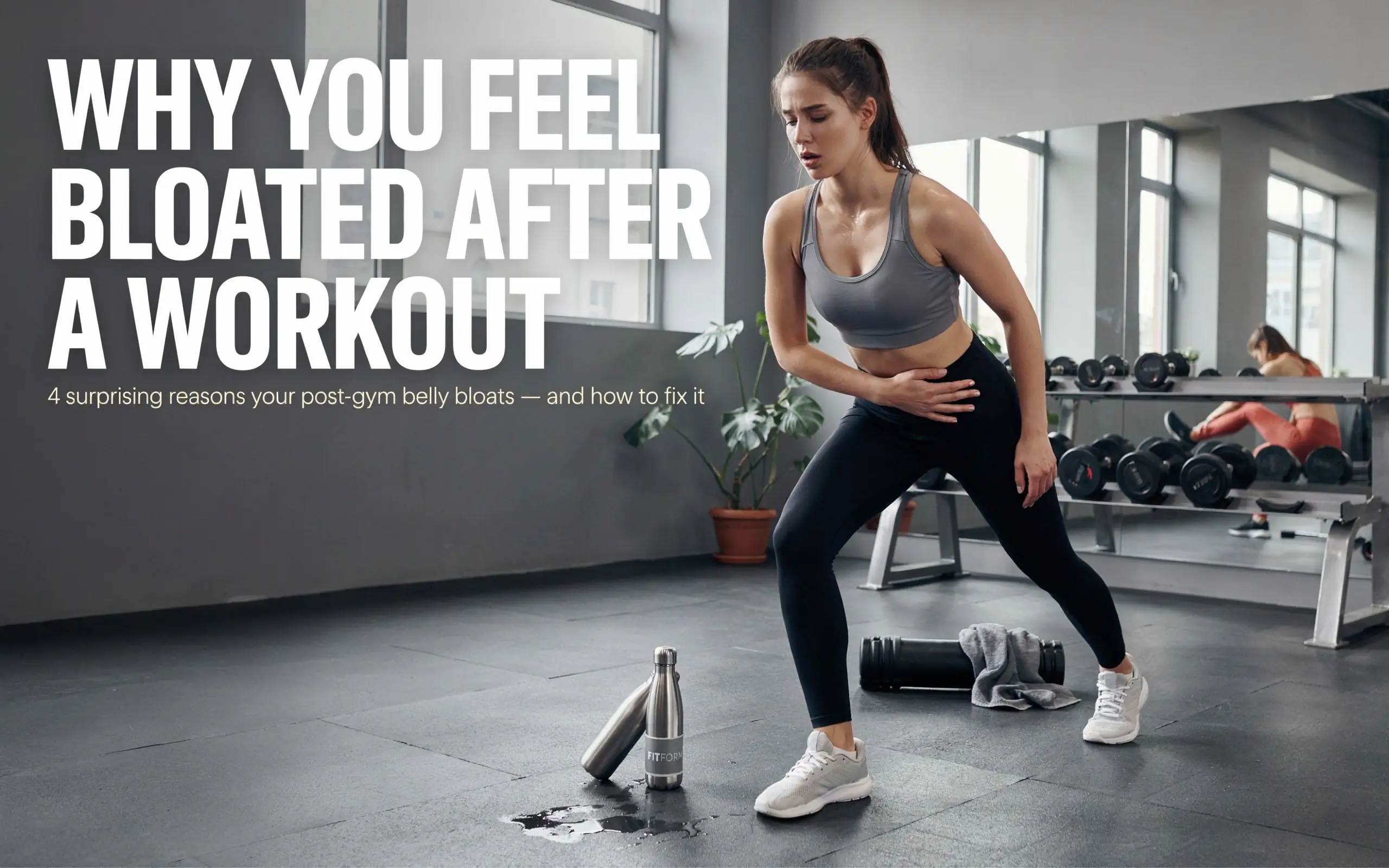
Feeling bloated after a workout can be uncomfortable and confusing, but it’s a common experience with several identifiable causes. Often, it’s your body’s natural response to the physical demands of exercise, involving factors like how you.
This temporary abdominal fullness or swelling typically isn’t a sign of anything serious, but understanding why it happens can help you make simple adjustments to prevent it. From swallowing air during heavy breathing to shifts in.
Swallowing air during exercise (aerophagia)
- Post-workout bloating is common and often has simple, identifiable causes.
- Mindful hydration and breathing during exercise can significantly reduce bloating.
- Pre- and post-workout nutrition choices play a crucial role in gut comfort.
| Topic | When it helps | What to keep in mind |
|---|---|---|
| Cause 1 | Anyone experiencing bloating primarily during or immediately after high-intensity exercise or heavy breathing. | Rapid, shallow breathing through the mouth can exacerbate this. |
| Cause 2 | Individuals who either forget to drink enough water or drink large amounts very quickly during/after. | Drinking plain water excessively without electrolyte replenishment can be problematic. |
| Cause 3 | Anyone, but particularly those engaging in high-intensity or prolonged exercise where blood flow redirection is. | Eating a large meal right before a workout can worsen this effect, as your digestive. |
| Cause 4 | Individuals who engage in very high-intensity training, are new to exercise, or are already experiencing. | Chronic overtraining or insufficient recovery can keep cortisol levels elevated, worsening symptoms. |
| Cause 5 | People with known food sensitivities or those who consume gas-producing foods around their workout. | Experimenting with new foods or large portions of high-fiber foods right before a workout can. |
| Cause 6 | Individuals new to strength training, increasing their workout intensity, or experiencing significant muscle soreness. | This type of bloat is often accompanied by muscle soreness and is a normal part. |
Understanding Why You Feel Bloated After a Workout
That uncomfortable feeling of fullness or swelling in your abdomen after a workout is a common complaint. While it can be frustrating, it’s often a temporary and normal response from your body as it adapts to the demands of physical activity.
If you notice bloating after a high-intensity interval training (HIIT) session where you’re gasping for air, it’s likely due to.
Assuming all post-workout bloating is due to the same cause.
| Common Cause | Quick Explanation | Initial Action |
|---|---|---|
| Swallowing Air. | Gulping air during heavy breathing or drinking. | Breathe deeper, sip water slowly. |
| Hydration Imbalance. | Too little or too much water, especially plain water. | Hydrate consistently, consider electrolytes. |

Proactive Steps to Prevent Post-Workout Bloating
Preventing post-workout bloating often comes down to making mindful choices around your exercise routine. Small adjustments to your hydration, nutrition, and even how you breathe can make a significant difference in how your stomach feels after you’ve finished.
Instead of chugging a large bottle of water right before your run, try sipping smaller amounts every 15-20 minutes throughout.
Ignoring your body’s signals or making drastic changes to your diet or hydration all at once.
- Hydrate Smartly: Sip water consistently throughout the day and during your workout.
- Mind Your Breathing: Focus on deep, controlled breaths, especially during strenuous parts.
Finding Relief When Bloating Occurs
Even with the best preventative measures, bloating can sometimes still occur. When it does, there are several simple strategies you can employ to help ease the discomfort and encourage your digestive system to get back on track.
If you’re feeling bloated, try taking a short, gentle walk instead of sitting down immediately.
Ignoring the discomfort or trying to ‘power through’ it, which can sometimes worsen symptoms.
- Gentle Movement: A light walk or gentle stretching can help stimulate your.
- Hydrate Slowly: Sip warm water or herbal tea (like peppermint or ginger.

When to Consult a Professional About Bloating
While post-workout bloating is often a temporary and harmless inconvenience, there are instances when it could signal a more significant underlying health issue. It’s important to pay attention to your body and recognize when symptoms go beyond typical exercise-related discomfort.
If your bloating is consistently accompanied by severe abdominal pain, changes in bowel habits (like persistent diarrhea or constipation), unexplained.
Dismissing persistent or severe symptoms as ‘normal’ post-workout effects.
- Persistent or Worsening Bloating: If bloating doesn’t improve with lifestyle changes or.
- Severe Abdominal Pain: Bloating accompanied by intense, sharp, or cramping pain.
The article must cover common
Cause 1. Swallowing Air (Aerophagia)
During intense exercise, especially cardio or heavy lifting, you tend to breathe harder and faster. This can lead to swallowing excess air, which then gets trapped in your digestive tract, causing a bloated, gassy.
- Anyone experiencing bloating primarily during or immediately after high-intensity exercise or heavy breathing.
- Rapid, shallow breathing through the mouth can exacerbate this.
- Focus on controlled, deeper breaths through your nose when possible, especially during less intense phases.
- Mechanism – Air intake.
Cause 2. Dehydration or Overhydration
Both too little and too much water can lead to bloating. Dehydration signals your body to retain water, while overhydrating too quickly can dilute electrolytes, causing cells to swell and leading to a bloated.
- Individuals who either forget to drink enough water or drink large amounts very quickly during/after.
- Drinking plain water excessively without electrolyte replenishment can be problematic.
- Aim for consistent, moderate sips of water throughout your workout.
- Mechanism – Fluid balance.
Cause 3. Blood Flow Redistribution
When you exercise, your body prioritizes sending blood to your working muscles, diverting it away from your digestive system. This temporary reduction in blood flow to the gut can slow down digestion, leading to.
- Anyone, but particularly those engaging in high-intensity or prolonged exercise where blood flow redirection is.
- Eating a large meal right before a workout can worsen this effect, as your digestive.
- Allow adequate time (1-3 hours) between a substantial meal and your workout to give your.
- Mechanism – Physiological response.
Cause 4. Exercise-Induced Stress (Cortisol Release)
Intense exercise is a form of physical stress on the body, which can trigger the release of cortisol, the stress hormone. Elevated cortisol levels can impact digestion, potentially slowing gut motility and contributing to.
- Individuals who engage in very high-intensity training, are new to exercise, or are already experiencing.
- Chronic overtraining or insufficient recovery can keep cortisol levels elevated, worsening symptoms.
- Incorporate rest days, vary workout intensity, and practice stress-reducing activities like stretching or meditation to.
- Mechanism – Hormonal response.
Cause 5. Gut Sensitivity and Food Choices
Certain foods consumed before or after a workout can be difficult to digest or produce more gas, especially when your digestive system is already under stress from exercise. High-fiber foods, artificial sweeteners, and dairy.
- People with known food sensitivities or those who consume gas-producing foods around their workout.
- Experimenting with new foods or large portions of high-fiber foods right before a workout can.
- Pay attention to how different foods affect you.
- Mechanism – Dietary factors.
Cause 6. Muscle Inflammation and Water Retention
During exercise, especially strength training, your muscles experience micro-tears. This triggers an inflammatory response as part of the healing process, which can cause localized swelling and temporary water retention throughout the body, including the.
- Individuals new to strength training, increasing their workout intensity, or experiencing significant muscle soreness.
- This type of bloat is often accompanied by muscle soreness and is a normal part.
- Ensure adequate recovery, proper nutrition for muscle repair, and gentle movement on rest days to.
- Mechanism – Physiological response.
FAQs
Is it normal to be very bloated after working out?
Yes, it can be quite normal to feel bloated after a workout, especially after intense sessions. Factors like swallowing air, temporary shifts in blood.
Why does my stomach look bigger after working out?
Your stomach might look bigger after a workout due to several reasons, including trapped gas from swallowing air, temporary water retention as your muscles.
Does intense exercise always cause bloating?
No, intense exercise doesn’t always cause bloating for everyone. However, it can increase the likelihood due to factors like heavier breathing (leading to swallowed.
Conclusion
Experiencing bloating after a workout is a common and often temporary issue, usually stemming from a combination of physiological responses and lifestyle factors. By understanding the ‘why’ behind this discomfort-whether it’s swallowed air, hydration imbalances.
Related posts
 Why Do Dogs Stare at Walls? Common Causes and When to Worry
Wondering why do dogs stare at walls? Discover the sensory, behavioral, and medical reasons behind this behavior, and learn when to contact your veterinarian. When you…
 How to Test Car Wiring for Continuity Using a Multimeter
Learn how to test car wiring for continuity safely. Find broken automotive wires, check connector ports, and diagnose electrical issues with a multimeter. Testing car wiring…
 Why Organizing Space Reduces Stress: The Mental Clarity Connection
Discover why organizing space reduces stress. Learn how a tidy environment lowers cortisol, improves focus, and creates a sense of calm in your daily life. Organizing…