
How Long Do Car Batteries Last? Average Lifespan & Factors
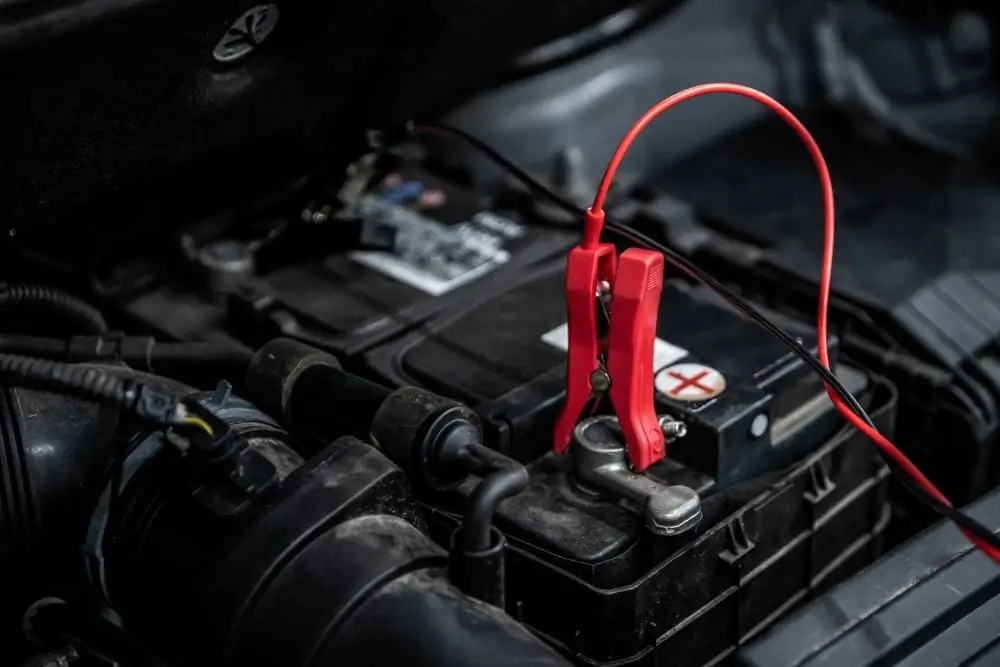
Most car batteries are designed to last between three and five years. This is a general guideline, and the actual lifespan of your car’s battery can vary significantly based on several factors.
The lifespan of a car battery isn’t fixed; it’s a dynamic element affected by how you use your vehicle, the climate you live in, and even the type of battery installed. By recognizing these variables and paying attention to your battery’s performance, you can avoid unexpected breakdowns and ensure your car starts reliably.
Average car battery lifespan
- Most car batteries last 3 to 5 years on average.
- Driving habits, climate, and battery type are major factors affecting lifespan.
- Pay attention to warning signs like slow cranking or dim lights.
- Regular maintenance can help extend your battery’s life.
- Consider replacing your battery proactively before it fails completely.
| Topic | When it helps | What to keep in mind |
|---|---|---|
| average_lifespan | General understanding for all car owners. | This is an average; individual batteries can fail sooner or last longer. |
| factors_influencing_life | Understanding individual battery performance. | Ignoring these factors can lead to premature battery failure. |
| warning_signs | Diagnosing potential battery problems. | Some signs can also indicate other electrical system issues, so a professional check is recommended. |
| battery_types | Understanding battery technology differences. | The battery type in your car may not be the original; check your vehicle’s specifications. |
What is the Average Lifespan of a Car Battery?
The general consensus for car battery lifespan is between three and five years. This average is based on typical usage patterns and environmental conditions for standard lead-acid batteries.
It’s important to view this as a guideline rather than a strict rule. A battery’s health is a complex interplay of its manufacturing quality, the demands placed upon it, and the environment it operates in.
A battery that is 4 years old and has been exposed to extreme heat might be nearing the end of its typical lifespan, even if it’s still starting the car reliably.
Assuming all batteries will last exactly 3-5 years without considering other factors.
Factors That Influence How Long Your Car Battery Lasts
Several key factors can significantly shorten or, in some cases, extend a car battery’s life. Understanding these can help you manage expectations and take preventative measures.
Climate plays a huge role. Extreme heat accelerates the chemical reactions inside a battery, leading to faster degradation and reduced lifespan.
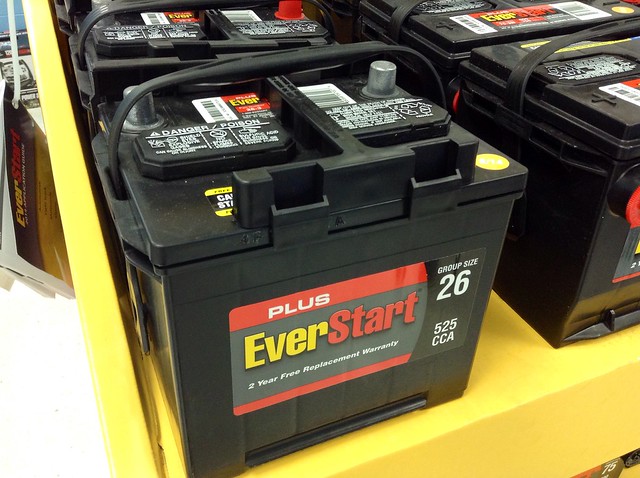
Your driving habits are also critical. Frequent short trips, where the engine doesn’t run long enough to fully recharge the battery, can deplete its charge over time.
Someone living in Arizona, where temperatures regularly exceed 100°F, will likely see their car battery degrade faster than someone in a temperate climate due to heat‘s corrosive effect on battery components.
Believing that battery life is solely determined by age and not by external conditions or usage.
Climate Extremes
High temperatures are particularly harsh on car batteries. Heat causes internal corrosion and can evaporate electrolyte fluid, reducing efficiency and lifespan.
Driving Habits and Usage
Frequent short trips are a common culprit for premature battery failure. Each start-up requires a significant amount of power, and if the alternator doesn’t have enough time to fully recharge the battery during the drive, it gradually loses its capacity.
Warning Signs Your Car Battery Is About to Die
Your car’s battery often gives warning signs before it completely fails. Recognizing these can save you from being stranded.
One of the most common indicators is a slow engine crank. When you turn the ignition, the engine might sound sluggish, taking longer than usual to start.
Dimming headlights or interior lights, especially when the engine is off or at idle, can also be a sign of a weak battery. You might also notice that other electrical components, like the power windows or radio, seem to operate slower than usual.
You turn the key, and the engine cranks slowly, sounding like it’s struggling to turn over, or the dashboard lights flicker dimly before the engine starts.
Ignoring subtle signs of battery weakness and waiting until the car completely fails to start.

- Slow engine cranking.
- Dimming headlights or interior lights.
- Dashboard battery warning light illuminated.
- Electrical accessories functioning slowly.
- Sulfurous or rotten egg smell.
Different Battery Types and Their Lifespans
Not all car batteries are created equal. The technology used in their construction directly impacts their performance and lifespan.
Flooded Lead-Acid Batteries: These are the most common and typically the most affordable type. They have been the standard for decades.
AGM (Absorbent Glass Mat) Batteries: These batteries use a special mat to absorb the electrolyte, making them more robust and vibration-resistant. They are often found in vehicles with advanced features like start-stop systems or high electrical demands.
A vehicle equipped with an AGM battery, often found in cars with start-stop technology or high electrical demands, might last 5-7 years, whereas a standard flooded lead-acid battery in a similar vehicle might only last 3-4 years.
Assuming all car batteries are the same and will have the same lifespan.
| Battery Type | Typical Lifespan | Key Features |
|---|---|---|
| Flooded Lead-Acid. | 3-5 years. | Most common, affordable. |
| AGM (Absorbent Glass Mat). | 4-7 years. | Robust, vibration-resistant, good for start-stop. |
| EFB (Enhanced Flooded Battery). | 4-6 years. | Improved performance for start-stop. |
Tips to Extend Your Car Battery’s Life
While batteries have a finite lifespan, you can take steps to maximize their longevity and prevent premature failure. Regular checks and simple maintenance can make a difference.
Keep the battery terminals clean. Corrosion can build up on the terminals, hindering the flow of electricity.
Ensure the battery is properly secured in its mounting. Loose batteries can vibrate excessively, which can damage internal components over time.
Regularly cleaning the battery terminals with a wire brush and a baking soda/water solution can prevent corrosion, ensuring a good electrical connection and preventing power loss.

Neglecting basic battery maintenance, assuming it’s a ‘set it and forget it’ component.
- Clean battery terminals regularly.
- Ensure the battery is securely mounted.
- Avoid unnecessary battery drain.
- Use a battery tender for long-term storage.
- Have the charging system checked.
This article will cover the
average_lifespan. Average Car Battery Lifespan
The typical lifespan for a standard car battery is between 3 to 5 years. This range is a common benchmark for lead-acid batteries found in most gasoline-powered vehicles.
- General understanding for all car owners.
- This is an average; individual batteries can fail sooner or last longer.
- Consider your battery’s age as a factor in its reliability, especially as it approaches the 3-year mark.
factors_influencing_life. Key Factors Affecting Battery Life
Several elements influence how long a car battery will last, including climate, driving habits, vehicle usage, and the battery’s quality and maintenance.
- Understanding individual battery performance.
- Ignoring these factors can lead to premature battery failure.
- Assess your driving habits and local climate to better estimate your battery’s expected lifespan.
warning_signs. Signs Your Car Battery Needs Replacement
Recognizing the symptoms of a failing battery is crucial to avoid being stranded. Common indicators include slow engine cranking, dim headlights, dashboard warning lights, and electrical issues.
- Diagnosing potential battery problems.
- Some signs can also indicate other electrical system issues, so a professional check is recommended.
- If you notice multiple warning signs, it’s wise to have your battery tested.
battery_types. Battery Types and Their Lifespan
Different battery technologies offer varying lifespans. Standard flooded lead-acid batteries typically last 3-5 years, while more advanced AGM (Absorbent Glass Mat) and EFB (Enhanced Flooded Battery) types can last 4-7 years or more.
- Understanding battery technology differences.
- The battery type in your car may not be the original; check your vehicle’s specifications.
- When replacing, consider if an AGM or EFB battery is suitable for your vehicle and driving needs for potentially longer life.
FAQs
How do I know if my car needs a new battery?
Signs include slow engine cranking, dim lights, dashboard warning lights, and electrical issues. If your battery is over 3-5 years old and you notice any of these, it’s time for a professional test.
What kills car batteries quickly?
Extreme heat, frequent short trips, leaving electronics on with the engine off, and a faulty charging system are common culprits that shorten battery life.
Should a 7-year-old car battery be replaced?
A 7-year-old car battery is well beyond its average lifespan. Even if it seems to be working, it’s a significant risk for failure.
Can I replace my car battery myself?
Yes, replacing a car battery is often a DIY task. You’ll need basic tools like a wrench and socket set.
Conclusion
Understanding how long car batteries typically last, usually between three and five years, is key to proactive vehicle maintenance. By considering factors like climate, your driving habits, and the type of battery installed, you can better anticipate its lifespan.
Pay close attention to the warning signs of a failing battery and don’t hesitate to have it tested if you have any doubts. Simple maintenance can help extend its life, but remember that even the best-maintained battery will eventually need replacement to avoid unexpected breakdowns.
Related posts
 How to Strengthen Weak Nails: A Practical Guide to Daily Care
Learn how to strengthen weak nails with simple daily habits, protective care, and targeted hydration. Restore your natural nail strength today. Weak, peeling, or brittle nails…
 What Sounds Do Cats Dislike? 7 Noises That Stress Your Pet
Discover what sounds do cats dislike and why. Learn how to protect your cat’s sensitive hearing from stressful household noises and high-frequency hums. Cats dislike sounds…
 Restoring Faded Black Clothing: Practical Methods and Reality Checks
Can you restore faded black clothing? Learn the difference between temporary color revival and permanent redyeing, plus how to prevent future fading. You can restore the…