
Why You Should Clean Your Kitchen Daily: Health, Hygiene, and Habits

Cleaning your kitchen daily might seem like an extra chore, but it’s one of the most impactful habits you can adopt for your home’s health and your own well-being. Beyond just looking tidy, a daily clean prevents the buildup of harmful bacteria, deters pests, and makes your kitchen a more pleasant space to cook and spend time in.
The core reason to clean your kitchen daily is to maintain a hygienic environment that protects you and your family from illness. Small spills, food scraps, and grease can quickly become breeding grounds for germs. By tackling these issues as they arise or at the end of each day, you prevent them from escalating into bigger problems and create a foundation for a healthier home.
Quick plan
- Daily cleaning is crucial for preventing germ spread and ensuring food safety.
- Small, consistent efforts are more effective than infrequent deep cleans.
- A clean kitchen environment reduces stress and enhances home enjoyment.
- Focus on high-traffic areas like countertops, sink, and stovetop daily.
- Building a simple routine makes daily cleaning manageable.
| Topic | When it helps | What to keep in mind |
|---|---|---|
| 1 | Anyone concerned about household health and food safety. | Neglecting to clean surfaces where food is prepared or handled can lead to invisible contamination. |
| 2 | Homeowners in areas prone to pests or those who want to prevent infestations. | Even small crumbs left on the floor or counter can attract pests. |
| 3 | Busy individuals or those who dislike extensive cleaning tasks. | Letting spills dry and harden can make them much harder to remove later. |
| 4 | Anyone who wants to improve their home’s ambiance and their own mental well-being. | A cluttered or dirty kitchen can contribute to feelings of overwhelm and disorganization. |
Focus on the immediate benefits
1. Preventing Germs and Illness
Daily cleaning removes food particles and moisture that bacteria and viruses thrive on. This significantly reduces the risk of foodborne illnesses and cross-contamination, especially important when preparing meals for children or those with compromised immune systems.
- Anyone concerned about household health and food safety.
- Neglecting to clean surfaces where food is prepared or handled can lead to invisible contamination.
- Wipe down countertops and cutting boards with a food-safe cleaner after each use, and sanitize the sink daily.
2. Deterring Pests
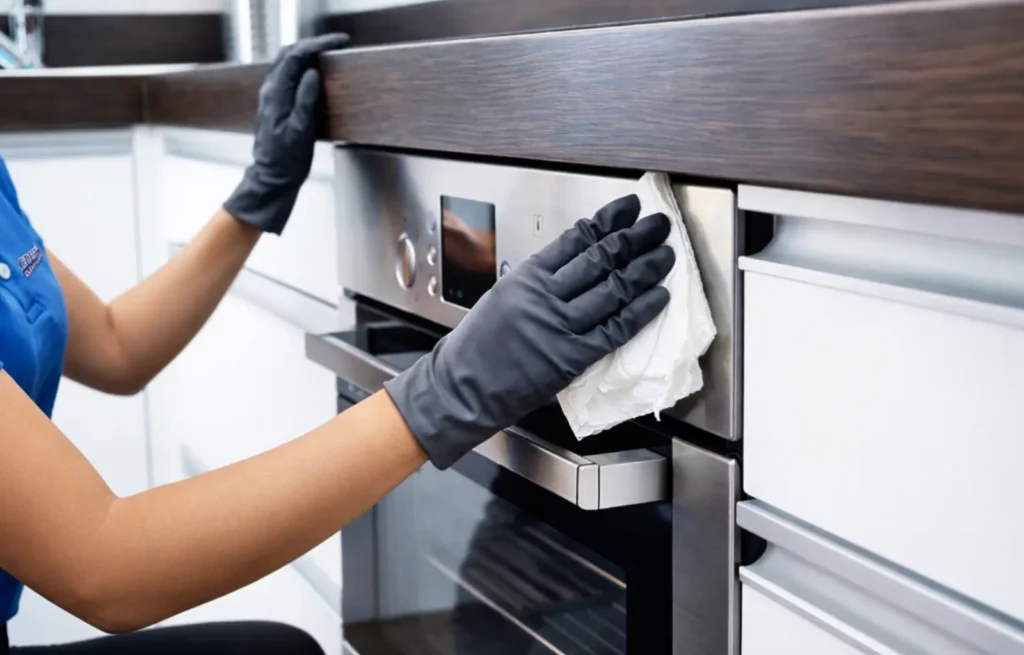
Leaving food scraps, crumbs, or dirty dishes out overnight is an open invitation to pests like ants, roaches, and rodents. A daily clean removes their food sources, making your kitchen less attractive and harder for them to infest.
- Homeowners in areas prone to pests or those who want to prevent infestations.
- Even small crumbs left on the floor or counter can attract pests.
- Sweep or vacuum the kitchen floor daily, and ensure all food is stored in airtight containers.
3. Easier Long-Term Maintenance
Tackling small messes daily prevents them from hardening into stubborn stains or grease buildup. This means less time and effort spent on deep cleaning sessions, as the kitchen stays in a consistently manageable state.
- Busy individuals or those who dislike extensive cleaning tasks.
- Letting spills dry and harden can make them much harder to remove later.
- Keep a spray bottle of all-purpose cleaner and a cloth handy for immediate spill cleanup.
4. Creating a More Pleasant Environment
A clean, organized kitchen feels more welcoming and less stressful. It can positively impact your mood, make cooking more enjoyable, and create a more peaceful atmosphere in your home.
- Anyone who wants to improve their home’s ambiance and their own mental well-being.
- A cluttered or dirty kitchen can contribute to feelings of overwhelm and disorganization.
- Spend a few minutes each evening tidying up, putting away stray items, and wiping down surfaces to start fresh each morning.
The Health and Hygiene Imperative
Your kitchen is the heart of your home, but it can also be a hotspot for germs if not maintained properly. Daily cleaning is your first line of defense against bacteria, viruses, and mold that can cause illness. Think about all the surfaces that come into contact with food – countertops, cutting boards, sinks, and utensils. Each one needs attention.
By wiping down surfaces with an appropriate cleaner after preparing food, you remove residual bacteria. This is especially important for raw meats, poultry, and seafood. A quick rinse and wipe of the sink can also prevent the buildup of food particles and grime that attract and harbor microorganisms. This consistent effort is far more effective than a weekly deep scrub.

Imagine a scenario where a raw chicken spill isn’t properly wiped up. Bacteria can spread to countertops, utensils, and even other foods, leading to potential food poisoning. Daily cleaning eliminates this risk by removing contaminants before they can spread.
Assuming that visible cleanliness equals true hygiene. Germs are often invisible and require regular sanitization.
Keeping Pests at Bay
A kitchen that’s cleaned daily is a less inviting place for pests. Crumbs, spills, and unwashed dishes are magnets for ants, rodents, and other unwelcome guests. By making it a habit to clear counters, sweep floors, and wash dishes every day, you remove the primary attractants that draw pests into your home.
This proactive approach not only keeps your kitchen pest-free but also saves you the stress and expense of dealing with an infestation. It’s a simple yet powerful way to maintain the integrity of your living space and prevent potential damage or contamination caused by pests.
Leaving a few crumbs under the toaster or a sticky spot on the counter overnight might seem minor, but to an ant or a cockroach, it’s a feast. These small remnants can attract pests, leading to a much larger problem that’s difficult and costly to resolve. Daily sweeping and wiping ensures no food sources are left out.
Believing that a clean kitchen means no pests. Pests are opportunistic and will exploit any available food source, no matter how small.
The Power of Prevention: Easier Cleaning and Appliance Care
The principle of ‘a stitch in time saves nine’ applies perfectly to kitchen cleaning. Daily attention to small messes prevents them from becoming ingrained problems. Grease splatters on the backsplash, dried food on the counter, or a sticky spill on the floor are much easier to wipe away when fresh.
This consistent maintenance also benefits your appliances. Wiping down your stovetop after cooking, cleaning the microwave after use, and rinsing the sink regularly prevents buildup that can damage surfaces or clog drains. It’s a form of preventative care that extends the life and appearance of your kitchen fixtures and appliances.
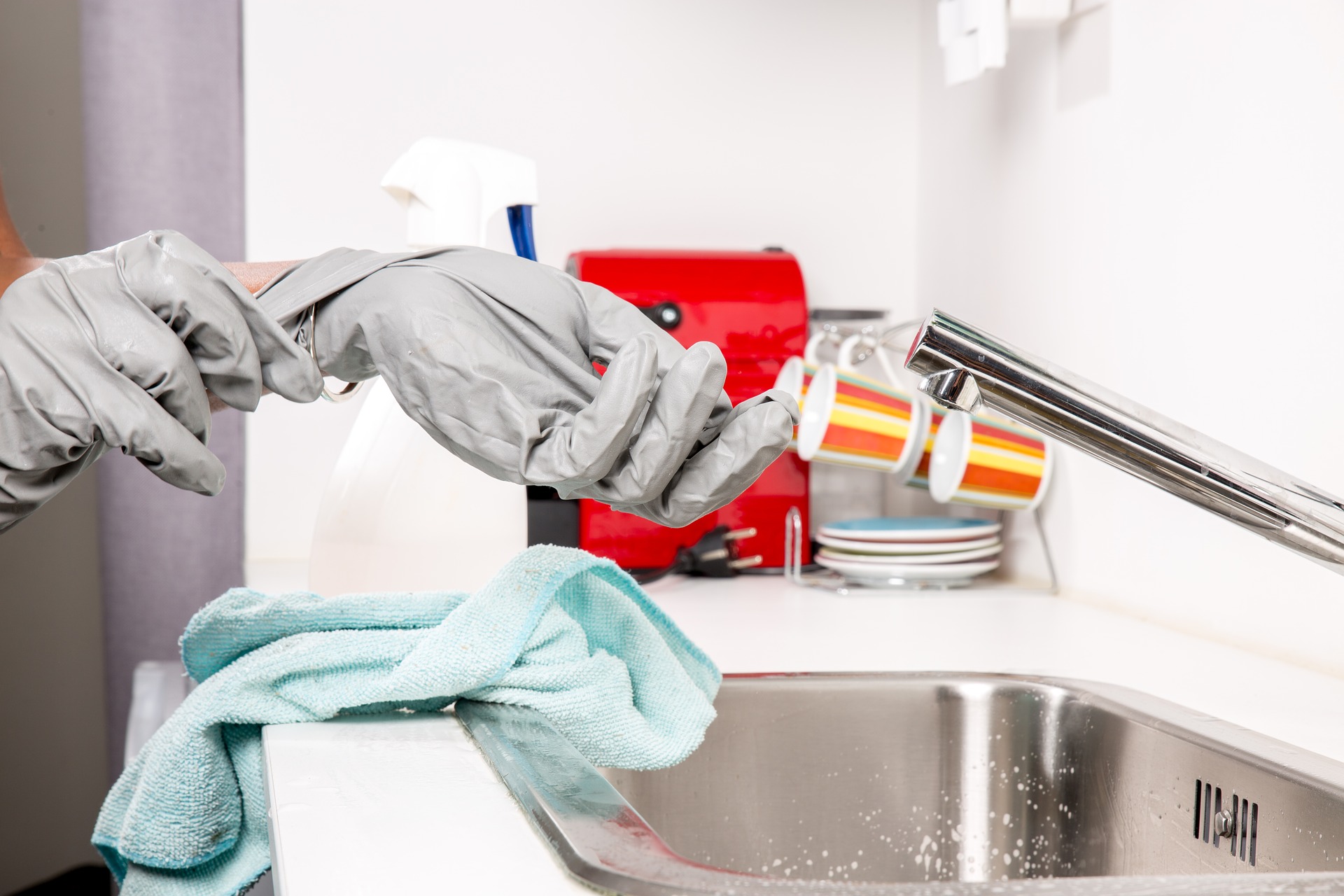
Imagine a pot of sauce that boils over and dries onto your stovetop. If left for days, it can become incredibly difficult to scrub off, potentially scratching the surface. Wiping it up immediately after it happens takes seconds and keeps your stovetop looking new.
Waiting for messes to become significant before cleaning, leading to more intensive and time-consuming efforts.
Building Your Daily Kitchen Reset Routine
Establishing a daily kitchen cleaning routine doesn’t require hours. The key is consistency and focusing on high-impact areas. Aim for a quick ‘reset’ each day, typically at the end of your cooking and eating activities.
Start by clearing all surfaces. Wash any dishes or load the dishwasher. Wipe down countertops, the sink, and the stovetop. A quick sweep or vacuum of the floor can also make a big difference. The goal is to leave the kitchen tidy and hygienic for the next day.
After dinner, instead of leaving dishes in the sink, load them directly into the dishwasher. While it runs overnight, wipe down the countertops and the stovetop. In the morning, before breakfast, quickly sweep the floor. This sequence takes about 10-15 minutes but leaves the kitchen ready for the day.
Trying to do too much at once, leading to overwhelm and abandoning the routine.
- Clear and wash dishes immediately after use.
- Wipe down countertops and sink with an all-purpose cleaner.
- Clean the stovetop after cooking.
- Sweep or vacuum the kitchen floor.
- Take out the trash if it’s full or smells.
FAQs
What are the most important areas to clean daily in the kitchen?
Focus on high-traffic areas: countertops, sink, stovetop, and floor. These areas are most likely to accumulate food particles, grease, and germs.
How much time does daily kitchen cleaning usually take?
A quick daily clean typically takes 10-15 minutes. The goal is maintenance, not deep cleaning, making it manageable for busy schedules.
Is it really necessary to clean the kitchen every single day?
Yes, daily cleaning is highly recommended for optimal health and hygiene. It prevents germ buildup, deters pests, and makes future cleaning much easier.
What if I don’t have time to clean daily?
Prioritize the most critical tasks: wiping down food prep surfaces and washing dishes. Even a few minutes of focused cleaning can make a significant difference.
Can daily cleaning help with kitchen odors?
Absolutely. Removing food scraps, wiping up spills, and cleaning the sink daily prevents odor-causing bacteria and food decay, keeping your kitchen smelling fresh.
Conclusion
Making daily kitchen cleaning a habit is a small investment of time that yields significant returns in health, hygiene, and overall home comfort. By focusing on key areas and adopting a simple routine, you can prevent the buildup of germs and grime, deter pests, and ensure your kitchen remains a pleasant and safe space.
Start today by choosing one simple task, like clearing and wiping your sink after dinner. Consistency is key, and you’ll soon find that a daily kitchen reset becomes a natural part of your day, making your home healthier and your life a little easier.
Related posts
 Why Kitchen Ventilation is Crucial for Health and Home
Discover why kitchen ventilation is crucial for health removing pollutants, controlling odors, preventing grease buildup, and ensuring a healthier, safer home environment. Kitchen ventilation is crucial…
 Why Motivation Fades After Weeks: Understanding and Rekindling Your Drive
Feeling Why Motivation Fades After Weeks ? Discover common reasons why motivation wanes and practical strategies to reignite your drive and stay on track. It’s a…
 Why Non-Stick Cookware Remains Popular: Key Benefits for Home Cooks
Discover why non-stick cookware remains popular is a kitchen favorite. Learn about its ease of use, quick cleanup, and versatility that make it popular for everyday…