
How to Protect Your Nails from Everyday Damage
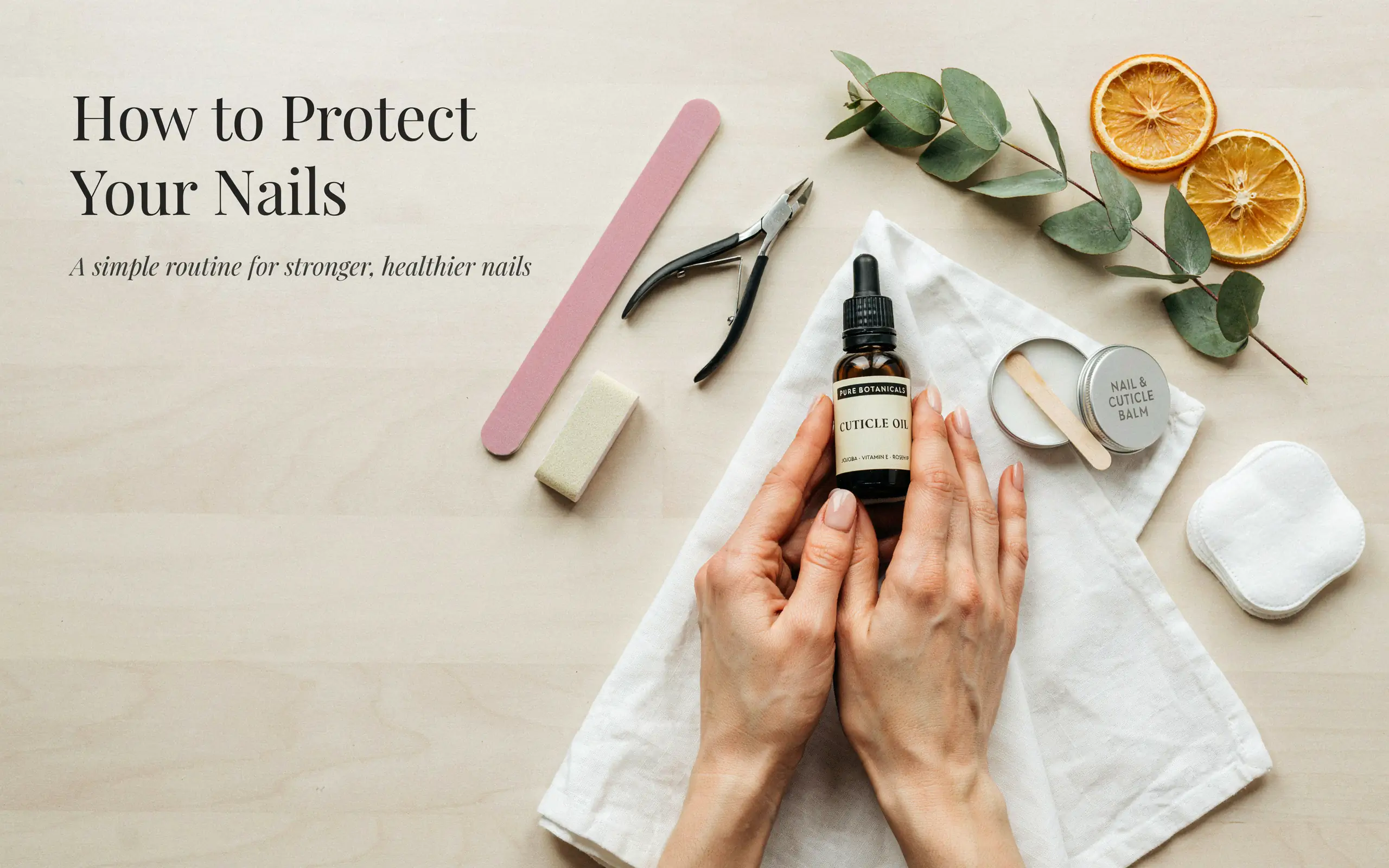
Protecting your nails from damage involves a combination of mindful daily habits and targeted care. The goal is to create a stronger nail structure and shield them from common aggressors like water, chemicals, and physical stress.
By incorporating simple protective measures into your routine, you can significantly reduce the risk of brittle nails, peeling, and breakage. This guide outlines practical steps to keep your nails healthy and resilient.
Safety checks
- Wear gloves for chores involving water or chemicals.
- Moisturize nails and cuticles regularly.
- Use a base coat under polish for protection.
- File nails gently in one direction.
- Avoid using nails as tools.
| Topic | When it helps | What to keep in mind |
|---|---|---|
| step | Anyone doing dishes, cleaning, or gardening. | Ensure gloves fit well to avoid discomfort and allow for dexterity. |
| step | All nail types, particularly dry or brittle nails. | Avoid lotions with alcohol, as they can be drying. |
| step | Those who frequently wear nail polish. | Ensure polish removers are acetone-free if your nails are very dry or sensitive. |
| step | All nail types, especially those prone to splitting. | Use a fine-grit file (glass or crystal files are often recommended) rather than coarse metal ones. |
Focus on external factors and
step. Wear Protective Gloves
Always wear rubber or vinyl gloves when doing household chores that involve prolonged contact with water, detergents, or cleaning chemicals. These substances can strip natural oils from your nails, making them dry and brittle.
- Anyone doing dishes, cleaning, or gardening.
- Ensure gloves fit well to avoid discomfort and allow for dexterity.
- Keep a pair of gloves by the sink for easy access.
step. Moisturize Regularly
Apply a good quality hand cream or cuticle oil to your nails and surrounding skin multiple times a day, especially after washing your hands. This helps maintain hydration, preventing dryness and cracking.
- All nail types, particularly dry or brittle nails.
- Avoid lotions with alcohol, as they can be drying.
- Massage oil into the nail bed and cuticle for maximum absorption.
step. Use a Protective Polish Layer
Applying a base coat before colored nail polish creates a barrier that protects your natural nail from staining and potential damage from pigments. Keeping nails polished, even with just a clear coat or strengthener, adds an extra layer of protection.
- Those who frequently wear nail polish.
- Ensure polish removers are acetone-free if your nails are very dry or sensitive.
- Consider using a nail strengthener as your base coat.
step. File Nails Correctly
File your nails gently in one direction, from the side towards the center. Avoid sawing back and forth, which can create micro-tears and weaken the nail edge, leading to splitting.
- All nail types, especially those prone to splitting.
- Use a fine-grit file (glass or crystal files are often recommended) rather than coarse metal ones.
- Shape nails when they are slightly damp, not soaking wet or bone dry.
Mind Your Daily Habits
Many common daily activities can inadvertently harm your nails. Think about how often you might use your nails to scrape, pry, or pick. These actions can lead to chips, breaks, and weakened nail edges over time. Being conscious of these habits is the first step toward protection.
Even simple tasks like typing can put stress on your nails. While it’s difficult to avoid entirely, being mindful of the pressure you apply and ensuring your nails are not overly long can help minimize impact. Similarly, avoid picking at hangnails or cuticles, as this can lead to infection and further damage.
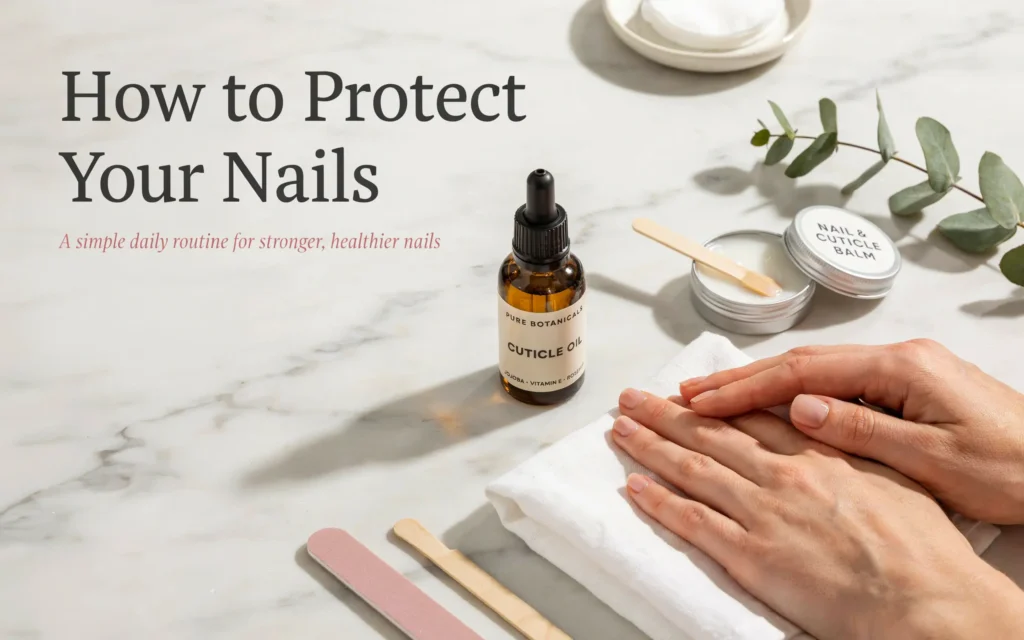
Instead of using your fingernails to pry open a package or scrape off a sticker, use a proper tool like a letter opener or a scraper. Similarly, avoid using your nails to tap on keyboards or touchscreens excessively, as this can cause micro-trauma.
Using your nails as tools for tasks they aren’t designed for, such as opening cans, scraping labels, or picking at things.
- Avoid using nails as tools for opening, scraping, or picking.
- Be gentle when typing or using touchscreens.
- Do not pick at hangnails or cuticles.
Build a Protective Barrier
Creating a protective layer is crucial for shielding nails from external damage. This can involve using specific nail care products or even just keeping them consistently polished. A good base coat acts as a buffer, preventing staining and providing a smoother surface for polish application.
Nail strengtheners and hardeners can be beneficial, especially for nails prone to breaking or peeling. These products often contain ingredients that help bind the nail layers together, increasing resilience. However, it’s important to use them as directed, as overuse can sometimes lead to brittleness.
Before applying a vibrant red or dark blue polish, always apply a clear base coat. This prevents the pigment from staining your natural nail, which can make them appear discolored and unhealthy. For extra strength, consider a nail hardener or a protein-based treatment.
Skipping the base coat when using colored polish, or relying solely on polish for strength without addressing underlying dryness.
- Always use a base coat before colored polish.
- Consider nail strengtheners or hardeners for added protection.
- Keep nails consistently polished with a clear coat if not using color.
Hydration and Gentle Care
Just like skin, nails need hydration to stay healthy and flexible. Dry nails are more susceptible to cracking and breaking. Regular moisturizing is key, especially after exposure to water or harsh cleaning agents. Don’t forget the cuticles; they play a vital role in nail health.
Gentle filing techniques are also essential. Coarse files or improper filing motions can cause damage that isn’t immediately visible but weakens the nail over time. Opt for finer grit files and always file in one direction to maintain the integrity of the nail edge.
After washing your hands, instead of just drying them, take a moment to apply a rich hand cream or a drop of cuticle oil. Gently massage it into the nail plate and the skin around the nail. This simple step can prevent nails from becoming dry and prone to splitting.
Ignoring cuticle care or filing nails aggressively, which can lead to splits and breakage.
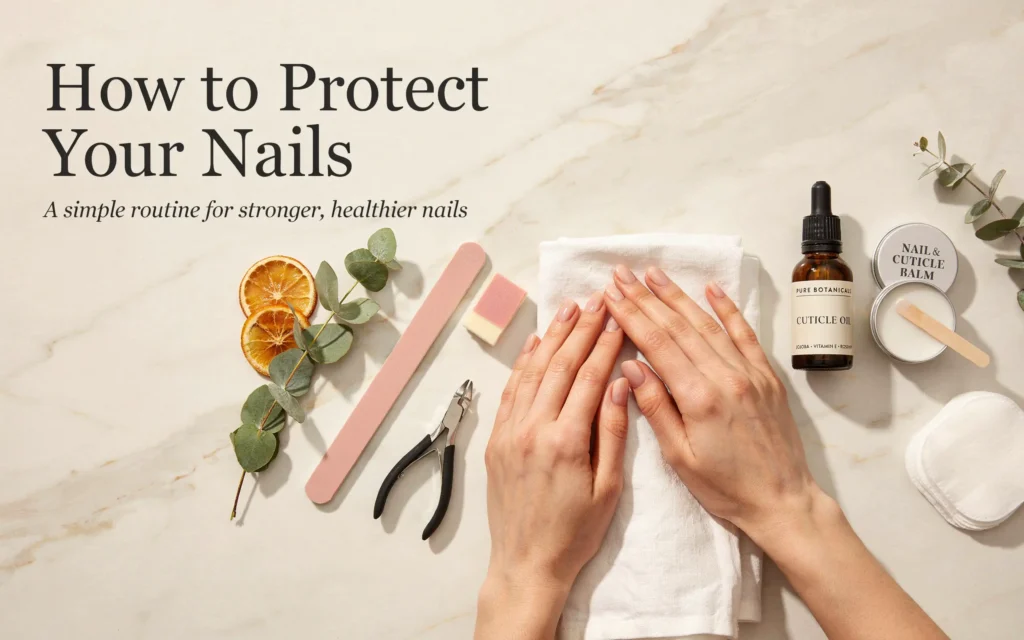
The Role of Cuticle Oil
Cuticle oil is more than just a cosmetic addition; it’s vital for nail health. It softens the cuticles, preventing painful hangnails, and also moisturizes the nail matrix, where new nail growth originates. Regular application can lead to stronger, more flexible nails.
Applying cuticle oil before bed is a great habit. It allows the oil to work its magic overnight without being washed off. Look for oils containing natural ingredients like jojoba, almond, or vitamin E for best results.
- Softens cuticles and prevents hangnails.
- Moisturizes the nail matrix for healthier growth.
- Improves nail flexibility and reduces breakage.
When to Seek Professional Advice
While many nail issues stem from external damage and can be managed at home, some changes might indicate an underlying problem. Persistent discoloration, unusual thickening, or nails that consistently split or crumble despite your best efforts could signal a health issue.
A dermatologist can accurately diagnose the cause of your nail problems, whether it’s a fungal infection, a vitamin deficiency, or a skin condition affecting the nails. They can recommend appropriate treatments that go beyond basic protection and care.
If you notice persistent discoloration, thickening, or separation of the nail from the nail bed that doesn’t improve with home care, it’s wise to consult a dermatologist. These could be signs of a fungal infection or another condition that needs medical treatment.
Ignoring persistent changes in nail appearance or texture, or attempting to self-treat serious infections.
- Persistent discoloration (e.g., yellowing, darkening).
- Unusual thickening or thinning of the nail.
- Nail separation from the nail bed.
- Chronic pain or inflammation around the nail.
FAQs
Is it better to keep nails polished or bare?
Keeping nails polished, even with just a clear coat or strengthener, can offer a protective layer against daily wear and tear. However, nails also need time to ‘breathe’ and can benefit from periods without polish to prevent potential dryness or brittleness from polish removers.
What is the healthiest thing to put on your nails?
The healthiest approach involves consistent hydration with cuticle oil or a rich hand cream, using a protective base coat under polish, and avoiding harsh chemicals. For strengthening, a nail hardener or protein treatment can be beneficial when used as directed.
Can Vaseline protect my nails?
Yes, Vaseline can help protect your nails by acting as an occlusive barrier, locking in moisture. Applying it to your nails and cuticles, especially before bed, can help prevent dryness and keep them more pliable, thus reducing the risk of breakage.
What damages nails the most?
Frequent exposure to water and harsh chemicals (like detergents), using nails as tools, aggressive filing, and improper removal of artificial nails are common culprits for external nail damage. Internal factors like nutritional deficiencies or certain health conditions can also affect nail strength.
Conclusion
Protecting your nails from damage is an ongoing process that relies on consistent, mindful care. By integrating simple habits like wearing gloves, moisturizing regularly, and filing gently, you can significantly improve your nail’s resilience.
Remember that prevention is key. Pay attention to how your daily activities affect your nails, and don’t hesitate to seek professional advice if you encounter persistent issues. Healthy, strong nails are achievable with the right approach.
Related posts
 Why Do Dogs Stare at Walls? Common Causes and When to Worry
Wondering why do dogs stare at walls? Discover the sensory, behavioral, and medical reasons behind this behavior, and learn when to contact your veterinarian. When you…
 How to Test Car Wiring for Continuity Using a Multimeter
Learn how to test car wiring for continuity safely. Find broken automotive wires, check connector ports, and diagnose electrical issues with a multimeter. Testing car wiring…
 Why Organizing Space Reduces Stress: The Mental Clarity Connection
Discover why organizing space reduces stress. Learn how a tidy environment lowers cortisol, improves focus, and creates a sense of calm in your daily life. Organizing…