
Why Is My Cat Throwing Up Hairballs? Causes and Solutions
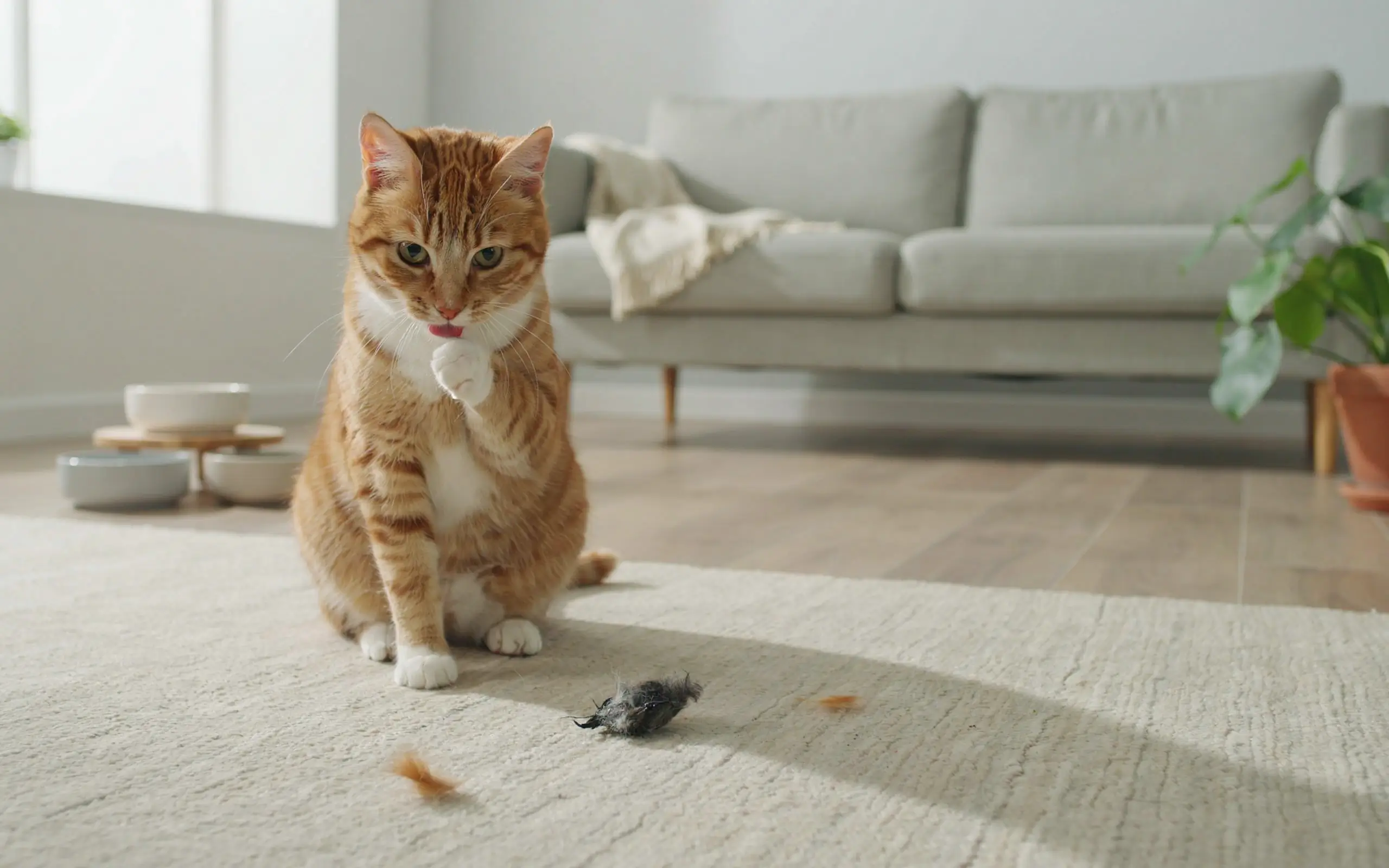
If your cat is throwing up hairballs, it’s a common concern for many cat owners. While occasional hairballs are a normal part of feline life, frequent or difficult vomiting can signal an underlying issue.
Understanding why your cat is experiencing this, and knowing when it’s a cause for concern, is crucial for their health. This guide will help you identify the common reasons behind hairball vomiting, recognize the signs that require veterinary attention, and provide practical steps you can.
| Topic | When it helps | What to keep in mind |
|---|---|---|
| Cause 1 | Long-haired cats, cats experiencing stress or anxiety. | Sudden increase in grooming can indicate pain or skin issues. |
| Cause 2 | Cats on low-fiber diets or those with sensitive stomachs. | Sudden diet changes can cause digestive upset. |
| Cause 3 | Older cats, cats with known digestive sensitivities. | Dehydration can worsen digestive motility. |
| Warning Sign 1 | Owners observing frequent or unproductive vomiting. | This is a critical sign that requires immediate veterinary attention. |
| Warning Sign 2 | Owners noticing a significant change in their cat’s behavior and energy levels. | These are general signs of illness but are particularly concerning when combined with digestive upset. |
| Solution 1 | All cats, particularly during shedding seasons. | Some cats dislike brushing; use positive reinforcement. |
| Solution 2 | Cats prone to hairballs or with slow digestion. | Introduce dietary changes gradually to avoid upsetting your cat’s stomach. |
Understanding Hairballs in Cats
Why Is My Cat Throwing Up Hairballs. Cats are fastidious groomers, spending a significant portion of their day cleaning their fur. This natural behavior involves licking their coat, which inevitably leads to swallowing loose hairs.
When swallowed hair clumps together in the stomach, it forms a hairball. Because the hair is indigestible, the cat’s body cannot break it down.
Imagine your cat meticulously grooming itself after a meal.
Common Causes of Excessive Hairballs
While some hairball vomiting is normal, an increase in frequency or difficulty can stem from several factors. Understanding these causes is the first step in managing the issue.
One of the most common culprits is excessive grooming. This can be behavioral, such as stress-induced overgrooming, or physical, like a cat with itchy skin or pain that leads them to lick excessively.
Assuming all hairball vomiting is normal without considering contributing factors.
Consider a long-haired Persian cat named Luna.
Grooming Habits
Your cat’s natural grooming behavior is the primary source of hairballs. When they lick their fur, loose hairs are swallowed.
When to Worry: Signs of a Hairball Blockage
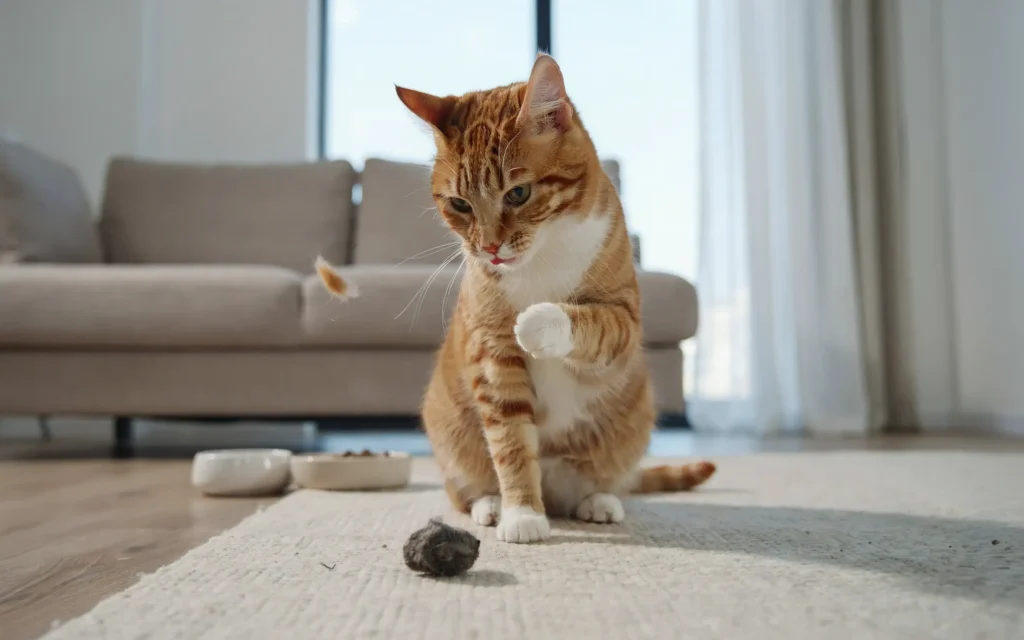
While vomiting hairballs is often normal, it’s crucial to know when it becomes a medical emergency. A severe hairball can cause a blockage in the digestive tract, which is life-threatening if not treated promptly.
Look for these warning signs that indicate your cat may have a serious hairball problem or obstruction:.
Whiskers, a normally playful tabby, has been hiding under the bed for two days, refusing his favorite salmon treats and occasionally retching without producing anything.
Waiting too long to seek veterinary help when a blockage is suspected, hoping it will resolve on its own.
- Frequent vomiting (more than once or twice in 24 hours), especially if no.
- Straining to vomit or retching without producing anything.
- Lethargy, weakness, or unusual quietness.
The Danger of Blockages
A complete or partial blockage means the hairball is preventing the passage of food, water, and waste. This can lead to dehydration, malnutrition, and a buildup of toxins in the body.
How to Help Your Cat Pass Hairballs
If your cat is showing mild signs of discomfort or has just vomited a hairball, there are several things you can do at home to help them pass any remaining hair and prevent future issues.
The goal is to lubricate the digestive tract and encourage the passage of hair. Always consult your veterinarian before administering any new remedies or making significant dietary changes.
Giving your cat human laxatives or medications without veterinary guidance.
Your cat, Mittens, just vomited a small hairball but seems a bit uncomfortable.
| Method | Description | When to Use |
|---|---|---|
| Hairball Remedy Pastes/Gels. | Specially formulated products that lubricate the digestive tract, making it easier for hair to. | When your cat shows mild discomfort after vomiting or as a regular preventative measure. |
| Increased Hydration. | Ensuring your cat has constant access to fresh water. | Always important, especially if your cat is prone to hairballs or has slow digestion. |
| Dietary Fiber Supplements. | Veterinarian-approved fiber supplements can help move hair through the system. | As recommended by your vet, for cats with chronic hairball issues. |
Veterinary-Approved Remedies
Many pet stores offer hairball remedies in the form of pastes, gels, or chews. These products typically contain ingredients like petroleum jelly or psyllium husk, which act as lubricants.
Preventing Excessive Hairballs
Prevention is often easier than treatment. By incorporating a few key practices into your cat’s routine, you can significantly reduce the frequency and severity of hairball episodes.
Consistent grooming is paramount. Regular brushing removes loose fur, preventing your cat from ingesting it during self-grooming.
Sarah has a long-haired Maine Coon named Leo.
Neglecting regular grooming, especially during shedding seasons.
- Brush your cat daily, especially long-haired breeds, to remove loose fur.
- Consider a de-shedding tool during peak shedding seasons.
- Ensure your cat has access to fresh water at all times to maintain.
Grooming Routine
Establish a regular brushing schedule. For short-haired cats, a few times a week might suffice, while long-haired cats may benefit from daily grooming.
Normal hairball formation and vomiting
- Occasional hairball vomiting is normal for cats, but frequent or difficult episodes warrant attention.
- Grooming habits, diet, and underlying digestive issues are common culprits for excessive hairballs.
- Vomiting, lethargy, constipation, or abdominal pain are critical signs of a potential blockage.
- Regular brushing, a fiber-rich diet, and hydration can significantly reduce hairball issues.
Focus on the common and
Cause 1. Excessive Grooming
Cats naturally groom themselves, ingesting hair. Long-haired breeds or cats with skin irritations or stress may groom excessively, leading to more hair ingestion.
- Long-haired cats, cats experiencing stress or anxiety.
- Sudden increase in grooming can indicate pain or skin issues.
- Brush your cat regularly, especially long-haired breeds, to reduce the amount of loose fur they ingest.
Cause 2. Dietary Factors
A diet low in fiber can make it harder for swallowed hair to pass through the digestive system. Some foods may also cause digestive upset, contributing to vomiting.
- Cats on low-fiber diets or those with sensitive stomachs.
- Sudden diet changes can cause digestive upset.
- Consider a high-fiber cat food or a fiber supplement recommended by your vet to aid hair passage.
Cause 3. Digestive Motility Issues
If a cat’s digestive system moves too slowly, hair can accumulate more easily. This can be due to age, certain medical conditions, or dehydration.
- Older cats, cats with known digestive sensitivities.
- Dehydration can worsen digestive motility.
- Ensure your cat has constant access to fresh water and discuss digestive health with your veterinarian.
Warning Sign 1. Persistent Vomiting
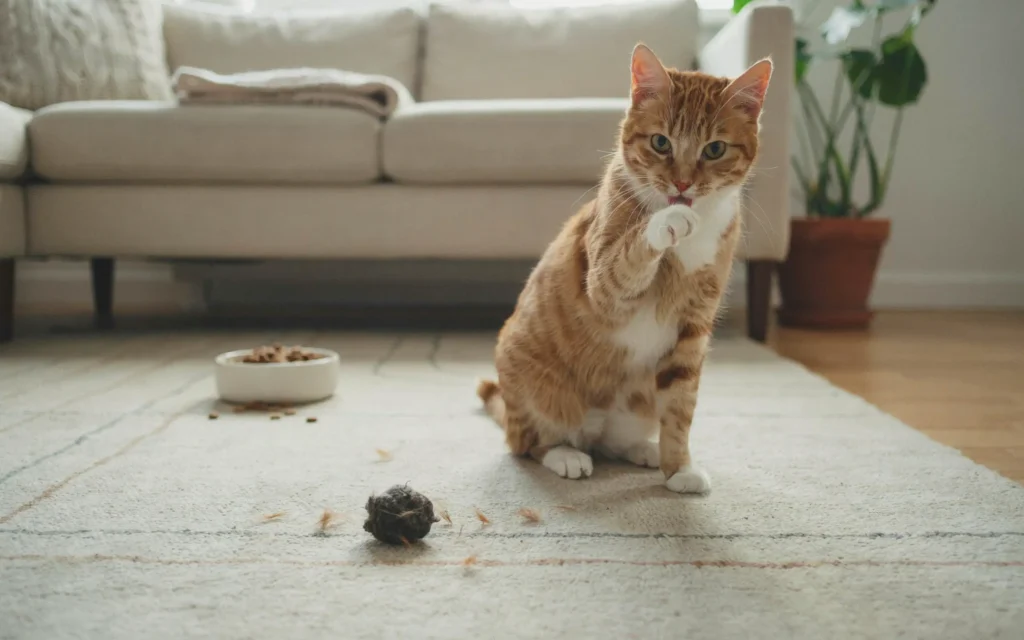
Vomiting multiple times in a short period, or vomiting that doesn’t contain a hairball, can indicate a blockage or other serious issue.
- Owners observing frequent or unproductive vomiting.
- This is a critical sign that requires immediate veterinary attention.
- If your cat vomits more than once or twice in 24 hours, contact your vet immediately.
Warning Sign 2. Lethargy and Loss of Appetite
A cat experiencing a severe hairball blockage may become unusually tired, withdrawn, and refuse to eat or drink.
- Owners noticing a significant change in their cat’s behavior and energy levels.
- These are general signs of illness but are particularly concerning when combined with digestive upset.
- If your cat is unusually sluggish and not eating, seek veterinary advice promptly.
Solution 1. Regular Brushing
Grooming your cat regularly, especially long-haired breeds, removes loose fur before they can ingest it. Aim for daily brushing if possible.
- All cats, particularly during shedding seasons.
- Some cats dislike brushing; use positive reinforcement.
- Make brushing a positive bonding experience to encourage cooperation.
Solution 2. Dietary Adjustments
Increasing fiber intake can help hair move through the digestive tract more easily. This can be achieved through specialized cat foods or supplements.
- Cats prone to hairballs or with slow digestion.
- Introduce dietary changes gradually to avoid upsetting your cat’s stomach.
- Talk to your vet about the best high-fiber food or supplement for your cat’s specific needs.
FAQs
When should I be concerned about my cat throwing up hairballs?
You should be concerned if your cat vomits frequently (more than once or twice in 24 hours), shows signs of pain, lethargy, loss of appetite, constipation, or has.
How do you stop a cat from throwing up hairballs completely?
It’s difficult to stop hairball vomiting completely, as it’s a natural grooming byproduct. However, you can significantly reduce frequency and severity through regular brushing, a high-fiber diet, adequate.
What are signs of a serious hairball blockage?
Signs of a serious blockage include persistent vomiting without producing hairballs, severe lethargy, loss of appetite, straining to defecate, abdominal pain, and a distended belly. These require immediate.
Does wet food help cats pass hairballs?
Yes, wet food can help. Its higher moisture content aids digestion and hydration, which helps move contents, including swallowed hair, through the digestive tract more smoothly, potentially reducing.
Conclusion
While seeing your cat vomit hairballs can be unsettling, understanding the causes and knowing when to act is key. Occasional hairballs are a normal part of being a cat, but paying attention to frequency, your cat’s.
Prioritize regular grooming, a healthy diet, and ample hydration. If you ever suspect a blockage or notice persistent, concerning symptoms, don’t hesitate to contact your veterinarian.
Related posts
 Why Kitchen Ventilation is Crucial for Health and Home
Discover why kitchen ventilation is crucial for health removing pollutants, controlling odors, preventing grease buildup, and ensuring a healthier, safer home environment. Kitchen ventilation is crucial…
 Why Motivation Fades After Weeks: Understanding and Rekindling Your Drive
Feeling Why Motivation Fades After Weeks ? Discover common reasons why motivation wanes and practical strategies to reignite your drive and stay on track. It’s a…
 Why Non-Stick Cookware Remains Popular: Key Benefits for Home Cooks
Discover why non-stick cookware remains popular is a kitchen favorite. Learn about its ease of use, quick cleanup, and versatility that make it popular for everyday…