
How To Remove Grease From Kitchen Walls
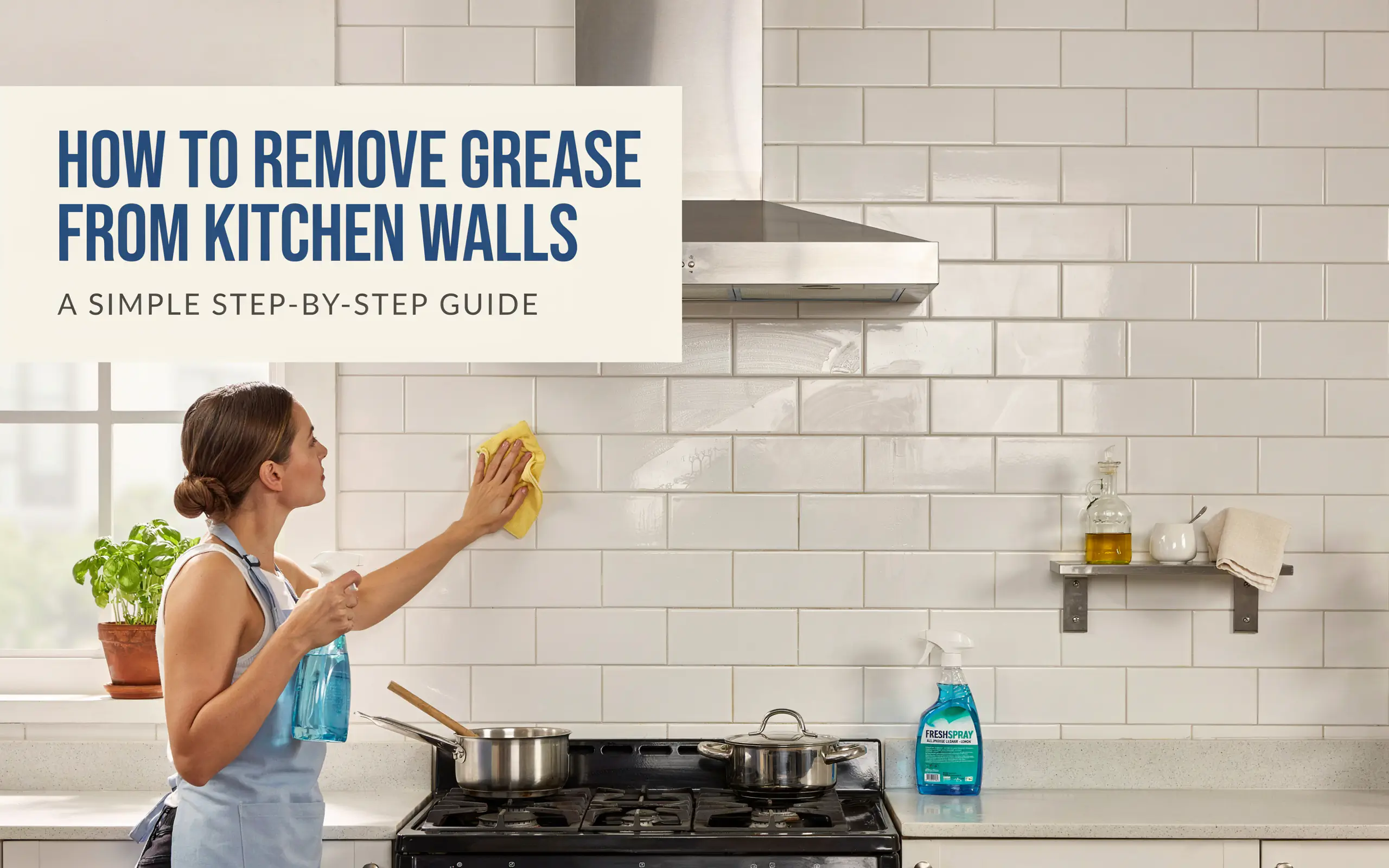
Learn exactly how to remove grease from kitchen walls using simple household items like dish soap, vinegar, and baking soda. This guide covers painted walls, tiles, wallpaper, and brick with step-by-step methods that protect your surfaces.
If you cook at home regularly, you have probably noticed a sticky film forming on your kitchen walls. That sticky layer is grease. It comes from cooking oils, frying, sautéing, and even boiling. When oil heats up, it turns into tiny particles that float in the air. These particles land on your walls, cabinets, and backsplash. Over time, they build up into a yellowish, tacky residue that plain water cannot remove.
Many people ignore this problem until the grease becomes thick and hard to clean. But leaving grease on your walls is not a good idea. It attracts dust, makes your kitchen smell musty, and can damage your paint or wallpaper over time. The good news is that you do not need expensive products or harsh chemicals to fix this. You probably already have everything you need in your kitchen.
This article will show you exactly how to remove grease from kitchen walls using safe, effective methods. You will learn which cleaners work best for different wall types, how to avoid damaging your paint, and simple ways to prevent grease from coming back.
What Makes Grease So Hard to Clean?
Grease is made of oils and fats. These substances are naturally water-repellent, which means water alone cannot break them down. When grease lands on your walls, it does not just sit on top. It bonds with the surface and traps dust, dirt, and food particles. This creates a stubborn layer that resists regular cleaning.
Heat and steam make the problem worse. When you cook, steam mixes with airborne oil and spreads the grease farther across your kitchen. Poor ventilation, like a weak exhaust fan or no overhead vent, allows even more grease to settle on your walls.
The longer grease stays on your walls, the harder it becomes to remove. Fresh grease wipes off easily, but old, baked-on grease needs more effort. That is why cleaning your walls every few months is important to prevent heavy buildup.
What You Need Before You Start
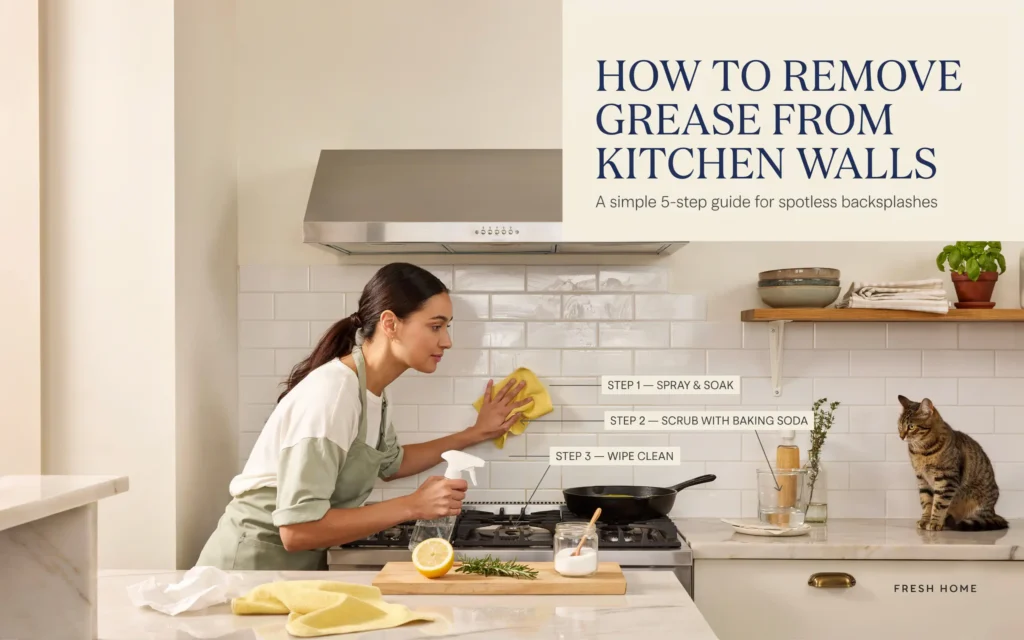
Before you begin, gather your supplies. Most of these items are already in your home.
| Tool or Ingredient | Purpose |
|---|---|
| Dish soap (like Dawn or Fairy) | Breaks down grease molecules effectively |
| White vinegar | Natural acid that cuts through oily residue |
| Baking soda | Gentle abrasive that lifts stubborn grime |
| Microfiber cloths or soft sponges | Trap grease without scratching surfaces |
| Spray bottle | For applying vinegar or soap solutions |
| Warm water | Helps soften and melt grease |
| Soft-bristled brush | For scrubbing textured walls or tiles |
| Bucket | For mixing larger amounts of cleaning solution |
Cleaning expert Taylor Riley recommends starting with the gentlest approach. She says, “My go-to method for removing grease from kitchen walls is to start as gently as possible with warm water, mild dish soap, and a microfiber cloth”. This prevents damage to your paint while still cutting through grease effectively.
Method 1: Dish Soap and Warm Water (The Safest Option)
Dish soap is one of the most powerful degreasers you can use. It is designed to break down oil and grease on dishes, and it works just as well on your walls.
How to Do It
- Fill a bucket with warm water. Add a few drops of dish soap and mix well.
- Dip a microfiber cloth or sponge into the solution. Wring it out so it is damp, not dripping.
- Gently wipe the greasy areas in a circular motion.
- Rinse your cloth often in clean water to avoid spreading grease around.
- After cleaning, use a separate cloth with plain water to rinse the wall. This removes any soapy residue that could attract more dust.
Best For
- Painted walls with satin or semi-gloss finish
- Tile backsplashes
- Light to moderate grease buildup
Important Tip
Do not use too much water on walls with flat or matte paint. Excessive moisture can damage the paint finish.
Method 2: Vinegar and Water Spray (Natural and Effective)
White vinegar is a natural degreaser. Its acidity breaks down grease without leaving harmful chemicals behind. Many people prefer this method because it is safe, cheap, and works well on most surfaces.
How to Do It
- Mix equal parts white vinegar and warm water in a spray bottle.
- Spray the solution generously onto the greasy areas.
- Let it sit for 10 to 15 minutes. This gives the vinegar time to loosen the grease.
- Wipe clean with a damp microfiber cloth.
- Rinse the area with clean water and dry with a soft towel.
Best For
- Painted walls
- Tile and glass backsplashes
- Stainless steel surfaces near the stove
Important Tip
Avoid using vinegar on unsealed stone surfaces like granite or marble. The acid can etch and dull the stone.
Method 3: Baking Soda Paste (For Stubborn Grease)
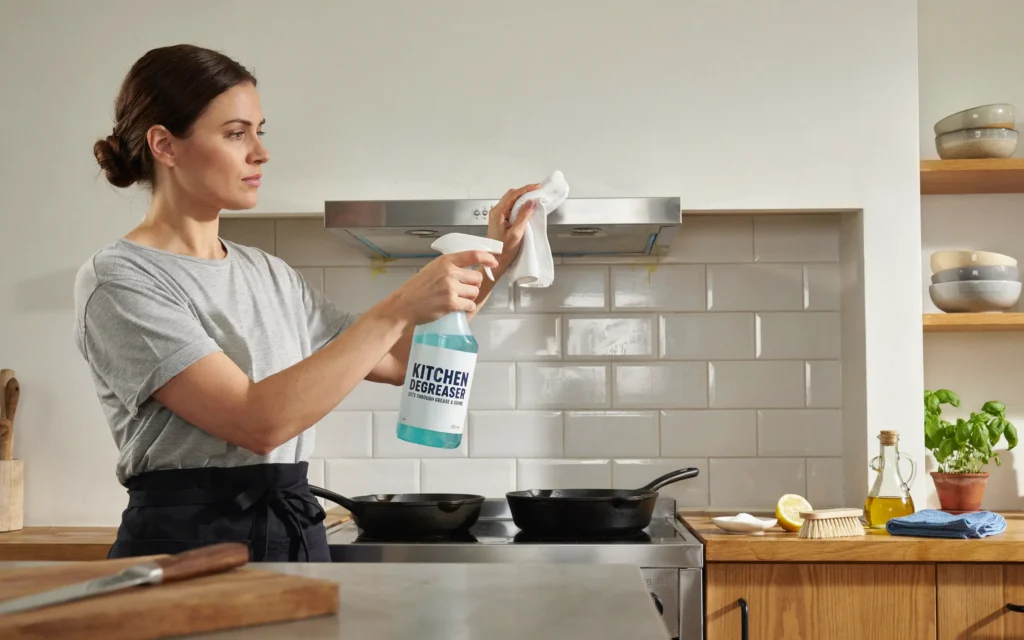
Baking soda is a mild abrasive that lifts grease without scratching most surfaces. It works great for sticky, baked-on grease that dish soap and vinegar cannot remove.
How to Do It
- Mix baking soda with a small amount of water to form a thick paste.
- Apply the paste directly to the greasy spots.
- Let it sit for 15 to 20 minutes. The baking soda will absorb the oil.
- Gently scrub with a soft sponge or cloth using circular motions.
- Wipe away the paste with a damp cloth. Rinse with clean water and dry.
Best For
- Stubborn grease on painted walls (semi-gloss or high-gloss)
- Tile grout
- Stovetop areas
Important Tip
Do not use baking soda paste on flat or matte paint. The abrasive texture can remove the paint finish.Method 4: Commercial Degreasers (For Heavy Buildup)
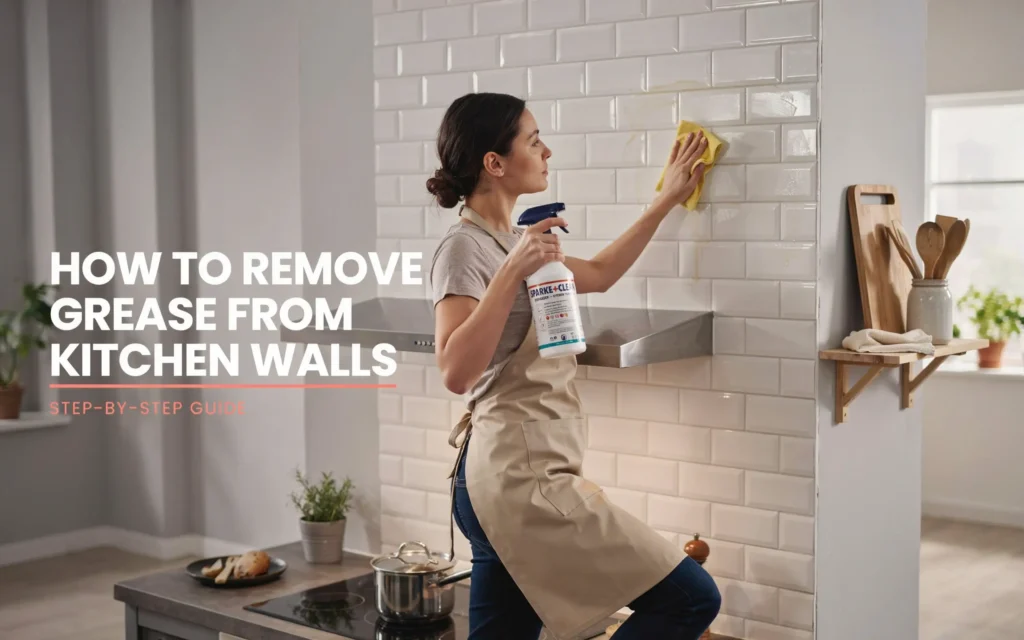
Sometimes, homemade solutions are not enough. If your walls have years of grease buildup or baked-on grime, a commercial degreaser may be necessary.
How to Do It
- Choose a degreaser designed for kitchen walls.
- Test the product on a small, hidden area first to make sure it does not damage your paint or wallpaper.
- Follow the manufacturer’s instructions carefully.
- Wear gloves and ensure good ventilation while using commercial cleaners.
- Rinse thoroughly with water after cleaning.
Best For
- Extremely greasy walls
- Commercial-style kitchens
- Walls near deep fryers or grills
How to Remove Grease from Different Wall Types
Not all walls are the same. The method you choose depends on what your walls are made of. Here is a quick guide.
| Wall Type | Best Method | Things to Avoid |
|---|---|---|
| Painted (semi-gloss/satin) | Dish soap + warm water, vinegar spray | Excessive scrubbing, too much water |
| Painted (flat/matte) | Very gentle dish soap solution | Baking soda paste, heavy scrubbing |
| Tile | Vinegar spray, dish soap, toothpaste | Acidic cleaners on natural stone |
| Brick | Dish soap + water, baking soda paste | Harsh chemicals that can stain |
| Wallpaper (washable) | Baking soda paste gently applied | Excessive water, abrasive scrubbing |
| Wallpaper (non-washable) | Bread or dry sponge method | Any liquid or moisture |
Painted Walls
Painted walls are the most common type in kitchens. The biggest risk is scrubbing off the paint. Always start with the gentlest method: dish soap and warm water. If that does not work, try vinegar spray. For older stains, use baking soda paste and scrub gently.
Using satin or semi-gloss paint in your kitchen makes cleaning much easier. These finishes tolerate moisture and light scrubbing better than flat paint.
Tile Backsplashes
Tile is durable and easy to clean. Dish soap and warm water usually work well. For stubborn stains, you can use a paste of baking soda and water. Surprisingly, toothpaste also works on tile grease stains. Use non-gel toothpaste, scrub the stain, and rinse.
Avoid using vinegar on natural stone tiles like marble or travertine.
Brick Walls
Brick is porous, so grease can soak in deep. Start with dish soap and water. If that does not work, make a paste with baking soda and dish soap. Rub it in a circular motion and rinse well.
Wallpaper
Wallpaper requires extra care. For washable wallpaper, use baking soda and water to gently scrub the stain. For non-washable wallpaper, do not use any liquid. Instead, take a piece of bread and rub it over the stain. The bread absorbs the grease without damaging the paper.
Step-by-Step Guide to Clean Your Kitchen Walls
Here is a simple process you can follow to clean your entire kitchen.
Step 1: Prepare the Area
Move small appliances, utensils, and cutting boards away from the walls. Lay down old towels or newspapers to catch any drips.
Step 2: Warm the Surface
Grease melts with heat. Use a hair dryer on low setting or press a warm, damp cloth against the wall for a few minutes. This softens the grease and makes it easier to remove.
Step 3: Apply Your Cleaner
Choose your method based on your wall type and how much grease you have. Spray or apply the cleaner generously.
Step 4: Let It Sit
Give the cleaner time to work. Dish soap needs a few minutes. Vinegar spray needs 10 to 15 minutes. Baking soda paste needs 15 to 20 minutes.
Step 5: Wipe and Rinse
Use a microfiber cloth to wipe away the grease and cleaner. Rinse your cloth often. Follow up with a clean, damp cloth to remove any residue.
Step 6: Dry the Wall
Use a dry towel to pat the wall dry. This prevents water spots and stops dust from sticking to damp surfaces.
How Often Should You Clean Kitchen Walls?
Most experts recommend cleaning your kitchen walls every three to six months. However, if you cook frequently, especially with oil, you may need to clean more often.
A quick wipe-down after cooking can make a big difference. Sara Aparacio, cleaning expert, says, “It’s always a good idea to wipe down kitchen walls after you’ve cooked or when you notice oil and grease splatter”. This prevents grease from building up to the point where heavy cleaning is needed.
How to Prevent Grease from Building Up
Prevention is easier than cleaning. Here are some simple habits that keep your walls cleaner for longer.
Use Your Exhaust Fan
Turn on your range hood or exhaust fan every time you cook. It pulls grease particles out of the air before they can settle on your walls.
Use Splatter Screens
Place a splatter screen over your pans when frying or sautéing. This catches oil before it reaches your walls.
Wipe Down Walls After Cooking
Take a few seconds to wipe the area near your stove with a damp cloth. This removes fresh grease before it hardens.
Choose the Right Paint
If you are painting your kitchen, choose semi-gloss or satin paint. These finishes resist moisture and are easier to clean.
Clean Your Range Hood Filter
Grease collects in your range hood filter. Clean or replace it regularly to keep your exhaust fan working effectively.
Common Mistakes to Avoid
Many people make these mistakes when trying to remove grease from kitchen walls. Avoid them for better results.
Using Too Much Water
Too much water can damage drywall and cause paint to bubble or peel. Always wring out your cloth so it is damp, not dripping.
Scrubbing Too Hard
Aggressive scrubbing can remove paint and spread grease around. Let the cleaner do the work. “Excessive scrubbing can damage paint and spread grease further,” experts warn.
Mixing Vinegar and Baking Soda
While both are effective on their own, mixing them cancels out their cleaning power. The chemical reaction produces water and salt, which does not clean grease effectively.
Using Bleach
Bleach is not a degreaser. It can damage paint and wallpaper. Stick to dish soap, vinegar, or baking soda.
Skipping the Rinse
Leaving soap or vinegar residue on your walls attracts more dust and grease. Always rinse with clean water and dry thoroughly.
Frequently Asked Questions
Q: Can I remove grease from kitchen walls without damaging paint?
Yes. Start with the gentlest method: dish soap and warm water. Use a soft cloth and avoid scrubbing hard. For tougher grease, try vinegar spray or baking soda paste, but test on a small area first.
Q: What is the fastest way to remove grease from kitchen walls?
The fastest method is using a commercial degreaser spray. Spray it on, wait a few minutes, and wipe clean. For a natural option, vinegar and water spray works quickly too.
Q: Can I use vinegar on painted walls?
Yes, vinegar is safe for most painted walls. Mix equal parts vinegar and water. Spray and wipe. Avoid using vinegar on flat or matte paint, as it can dull the finish.
Q: How do I remove old, baked-on grease from kitchen walls?
Old grease needs more time and effort. Apply a baking soda paste and let it sit for 20 minutes. Then gently scrub with a soft brush. You may need to repeat the process.
Q: Is baking soda safe for all wall types?
No. Baking soda is abrasive. It is safe for semi-gloss and high-gloss paint, tile, and brick. Do not use it on flat or matte paint, as it can scratch and remove the finish.
Q: How can I prevent grease from building up on my kitchen walls?
Use your exhaust fan when cooking. Wipe down walls near the stove after each meal. Use splatter screens. Choose semi-gloss paint for easier cleaning.
Q: What should I do if my walls are still sticky after cleaning?
You may have leftover soap or grease residue. Rinse the wall again with clean water and dry thoroughly. If it is still sticky, try a vinegar spray to cut through the remaining film.
Q: Can I clean greasy walls with just water?
No. Water alone cannot break down grease because grease is oil-based and repels water. You need a degreasing agent like dish soap, vinegar, or baking soda.
Conclusion
Learning how to remove grease from kitchen walls is not complicated. With a few simple ingredients and the right technique, you can keep your kitchen looking fresh and clean. The key is to start with the gentlest method and only move to stronger cleaners if needed. Dish soap and warm water work for most situations. Vinegar spray is great for natural cleaning. Baking soda paste tackles stubborn grease. And for heavy buildup, commercial degreasers get the job done.
Remember to clean your walls every few months and wipe them down after cooking. This prevents grease from building up and making your kitchen feel dirty. Use your exhaust fan, choose the right paint, and clean your range hood regularly. These small habits save you time and effort in the long run.
Cleaning expert Christian Morales puts it simply: “The best way to deal with grease is to not let it build up in the first place. A little maintenance goes a long way.”
Now you have all the information you need. Grab your supplies, pick a method, and give your kitchen walls the attention they deserve. Your kitchen will look better, smell fresher, and feel more welcoming.
Related posts
 How to Strengthen Weak Nails: A Practical Guide to Daily Care
Learn how to strengthen weak nails with simple daily habits, protective care, and targeted hydration. Restore your natural nail strength today. Weak, peeling, or brittle nails…
 What Sounds Do Cats Dislike? 7 Noises That Stress Your Pet
Discover what sounds do cats dislike and why. Learn how to protect your cat’s sensitive hearing from stressful household noises and high-frequency hums. Cats dislike sounds…
 Restoring Faded Black Clothing: Practical Methods and Reality Checks
Can you restore faded black clothing? Learn the difference between temporary color revival and permanent redyeing, plus how to prevent future fading. You can restore the…