
Nose Hair Trimmer Safety Guide
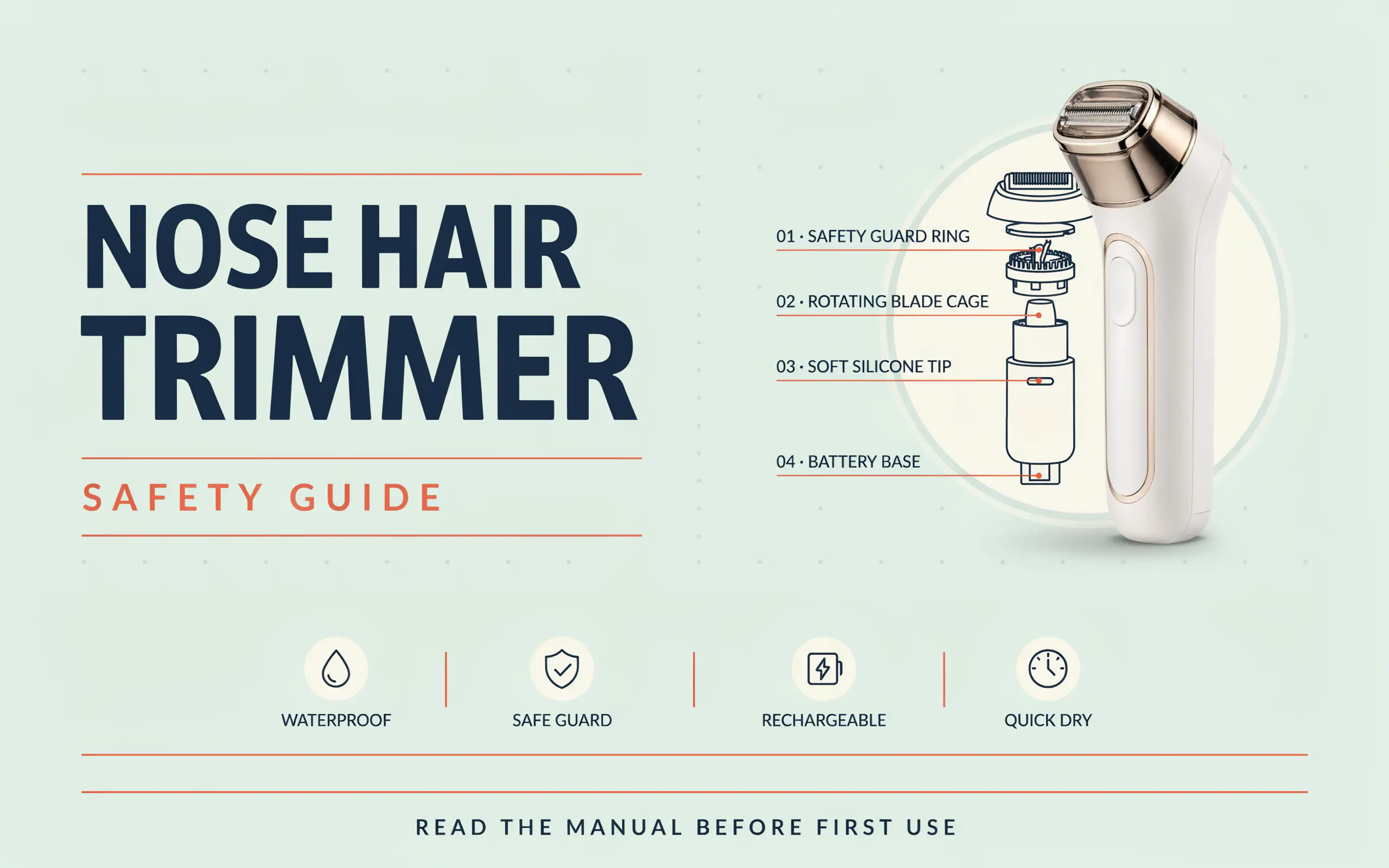
This nose hair trimmer safety guide explains how to avoid nicks, infections, and ingrown hairs. Follow these easy steps for safe grooming every time.
Trimming nose hair sounds simple. You grab a small device, stick it in, and hope for the best. But many people hurt themselves because they skip basic safety steps. A small cut inside your nose can lead to pain, swelling, or even a serious infection. That is why having a proper nose hair trimmer safety guide is so important. I have trimmed my own nose hair for years, and I learned some hard lessons along the way. Let me share what works, what does not, and how you can keep your nose safe and happy.
Your nose hair actually has a job. It traps dust, pollen, and germs before they reach your lungs. But when those hairs grow long enough to poke out, you probably want to tidy them up. That is fine. You just need to do it carefully. This nose hair trimmer safety guide will walk you through every step, from picking the right tool to cleaning it after each use. No fancy words. No confusing advice. Just real, helpful tips.
“The nose has a rich blood supply, so even a tiny cut can bleed a lot and take time to heal. Always use a trimmer made for this area.” – Dr. Emily Hart, family physician
Let us get started with why safety matters first.
Why You Need a Nose Hair Trimmer Safety Guide
Many people think any trimmer works for nose hair. That is wrong. Using regular scissors or a beard trimmer inside your nose is a fast way to hurt yourself. Your nose skin is thin and delicate. It also has many tiny blood vessels close to the surface. A small slip can cause bleeding that lasts for minutes. Worse, bacteria from an unclean tool can get into the cut and cause an infection. That infection can sometimes spread to nearby areas, including your brain. That sounds scary because it is. But do not worry. Following a simple nose hair trimmer safety guide keeps those risks very low.
I remember my first time using a cheap trimmer. I did not read the instructions. I pushed it too far in. The spinning blades caught a hair and pulled hard. It hurt for two days. After that, I promised myself to learn the right way. That is why I wrote this guide. So you do not make the same mistake.
Common Risks of Trimming Nose Hair
Before we talk about solutions, let us look at what can go wrong. Knowing the risks helps you avoid them.
Cuts and Nicks
The inside of your nose is not flat. It has curves, bumps, and small hairs growing in different directions. A rotating blade or sharp scissor tip can easily slip and cut you. These cuts bleed a lot because of the rich blood flow. You might see blood when you blow your nose or even feel a sharp pain. Most small cuts heal on their own, but they leave an open wound where bacteria can enter.
Infections
Your nose naturally has bacteria. Some are harmless. Others can cause trouble if they get inside a cut. A condition called nasal vestibulitis is an infection of the nostril opening. It causes redness, swelling, and tender bumps. If not treated, it can spread. In very rare cases, the infection reaches the cavernous sinus, an area behind your eye. That is a medical emergency. So keeping your trimmer clean and avoiding cuts is a big deal.
Ingrown Hairs
When you cut a hair very short, it can curl back into the skin instead of growing outward. This creates a small, painful bump that looks like a pimple. Ingrown hairs inside the nose are annoying and hard to reach. They can get infected too. Trimming too close to the skin is the main cause. That is why a good nose hair trimmer safety guide tells you to leave a tiny bit of hair length.
“Most nose hair injuries happen because people use the wrong tool. A rounded tip trimmer is much safer than pointed scissors.” – Mark Chen, grooming specialist
How to Choose a Safe Nose Hair Trimmer
Not all trimmers are equal. Some are designed for your nose, ears, or eyebrows. You want one made specifically for nasal hair. Here is what to look for.
Rotary vs. Foil vs. Scissors
There are three common types of nose hair trimmers. Each has pros and cons.
| Trimmer Type | How It Works | Safety Level |
|---|---|---|
| Rotary (spinning blades) | A rotating head with circular blades that catch and cut hair as you move it around | Medium – can pull hair if dull or used wrong |
| Foil (oscillating blades) | A thin metal screen with blades moving back and forth; hair enters small holes and gets cut | High – less pulling, gentler on skin |
| Round-tip scissors | Small scissors with blunt ends; you manually snip visible hairs | Medium – safe if you are very careful, but easy to slip |
For most people, a foil-type nose hair trimmer is the safest choice. Rotary trimmers are common and cheap, but they can grab and yank hairs. Scissors require a steady hand and good lighting. I recommend a battery-operated foil trimmer with a built-in light. That combination helps you see what you are doing and reduces the chance of cuts.
Features That Improve Safety
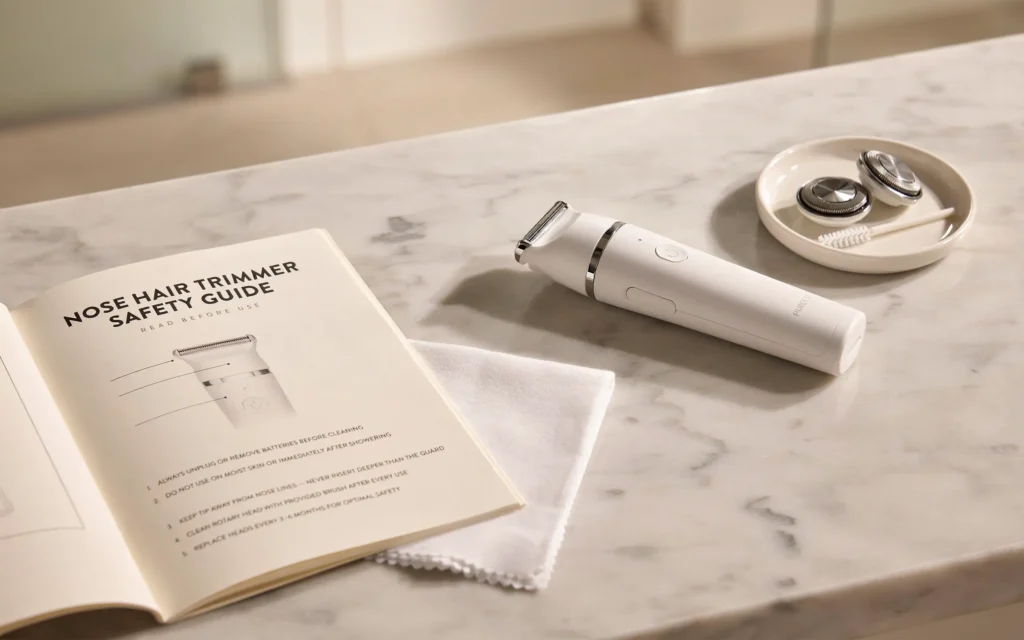
Look for these features when shopping:
- Rounded blade tips – No sharp points that can poke your skin.
- Waterproof design – Makes cleaning easier and safer.
- Vacuum or collection chamber – Catches trimmed hairs so they do not fall deeper into your nose.
- Low noise – Not a safety issue, but a quiet trimmer usually means better build quality.
- Replaceable heads – Dull blades pull more. Being able to swap them keeps trimming smooth.
Step-by-Step Nose Hair Trimmer Safety Guide
Now we get to the practical part. Follow these steps each time you trim. They work for any trimmer type.
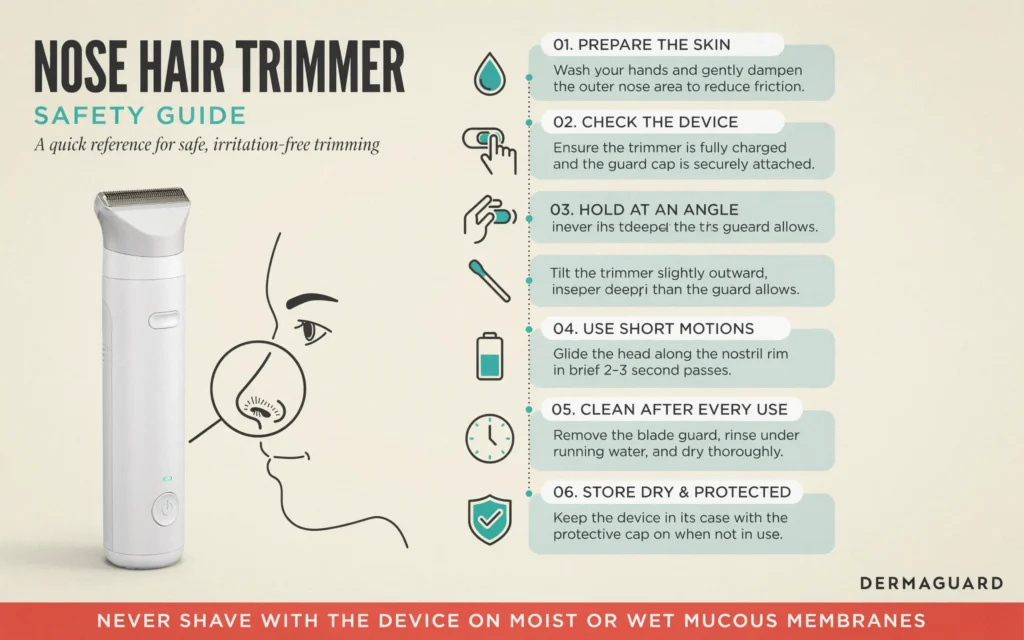
Step 1: Clean Your Trimmer
Before you put anything in your nose, make sure it is clean. Use warm water and a little soap. Wipe the blades with a soft cloth or a cotton pad dipped in rubbing alcohol. This kills germs. If your trimmer is not waterproof, use a damp cloth only, and do not let water get inside the battery area. A clean trimmer is the first rule of any nose hair trimmer safety guide.
Step 2: Check the Battery
A trimmer with low battery moves slowly. Slow blades can pull hair instead of cutting it cleanly. That hurts. Put fresh batteries in or charge the device fully before you start. Also check that the blade guard or cap is secure. Loose parts can fall off inside your nose.
Step 3: Position Correctly
Stand in front of a mirror with good light. Tilt your head back slightly, but not too far. Pull the tip of your nose up with one finger. This straightens the nostril opening and gives you a better view. Insert the trimmer only about 3 to 5 millimeters inside. That is roughly the width of a pencil eraser. Do not push deeper. The hairs you want to trim are the ones visible at the opening. Deeper hairs protect your lungs. Leave them alone.
Step 4: Trim Gently
Turn the trimmer on before you insert it. Move it in small, slow circles. Do not press hard. Let the blades do the work. Trim for only 5 to 10 seconds per nostril. Then pull the trimmer out to check your progress. If you need more, go back in. Never force the trimmer against the skin. If you feel any pulling or tugging, stop. Clean the blades (hair can get stuck) and try again with a lighter touch.
Step 5: Clean Up After Trimming
After you finish, turn off the trimmer. Remove the head and rinse it under warm water. Use the little brush that came with the trimmer to clear out stuck hairs. Dry everything completely before storing. This prevents rust and bacteria growth. Also blow your nose gently to remove any loose hairs that fell out. Do not pick inside with your finger.
“Patients often ask me how often they should trim. Once every one to two weeks is enough. Daily trimming irritates the skin.” – Dr. Lisa Rodriguez, dermatologist
Aftercare and Maintenance Tips
Your safety does not end when you put the trimmer away. How you care for the device and your nose matters too.
Cleaning After Each Use
Make cleaning a habit. A dirty trimmer grows bacteria. The next time you use it, you put those bacteria inside your nose. That is a bad cycle. Here is a simple routine:
- Rinse the blade head with hot water.
- Dip a cotton swab in rubbing alcohol and wipe each blade.
- Let the head air dry on a clean towel.
- Once dry, reassemble and store in a dry place.
Do this every single time. It takes less than a minute.
Replacing Blades
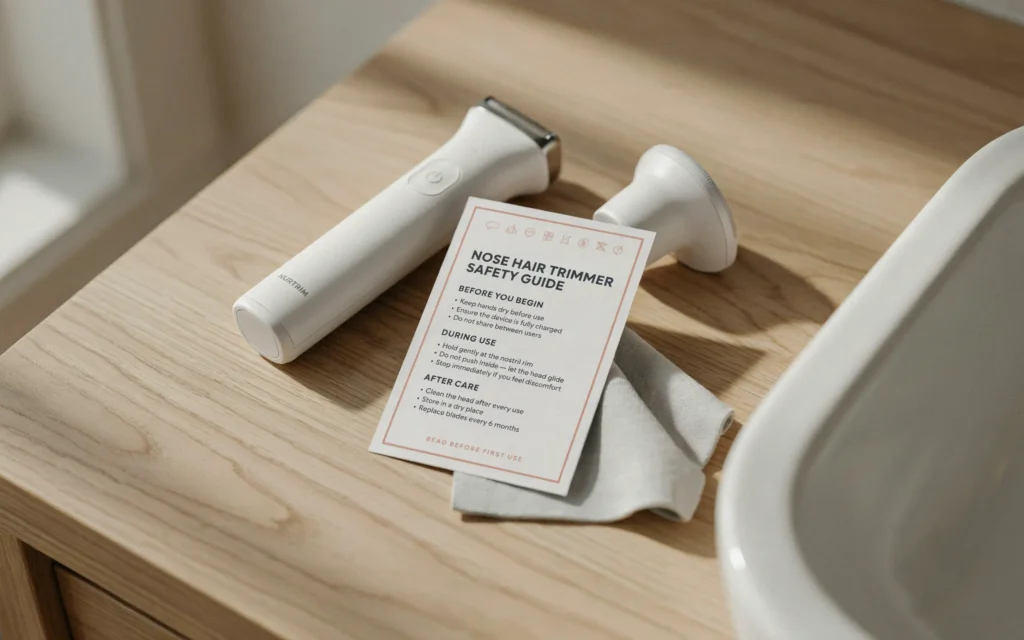
Blades get dull after 4 to 6 months of regular use. Dull blades pull hair instead of cutting. Some trimmers have self-sharpening blades, but even those wear out. Check your manual for replacement head models. Buy genuine parts, not cheap knockoffs. A dull blade is one of the hidden dangers that many people ignore. Replace it on a schedule, like every January and July.
Do’s and Don’ts Table
Here is a quick reference for safe trimming.
| Do’s | Don’ts |
|---|---|
| Do clean your trimmer before each use | Don’t use regular scissors or pointed tweezers |
| Do trim in a well-lit area with a mirror | Don’t push the trimmer more than 5mm inside |
| Do replace blades every 6 months | Don’t trim if you have a cold or sinus infection |
| Do use a foil-type trimmer for gentlest cut | Don’t share your trimmer with anyone else |
| Do trim every 1-2 weeks only | Don’t use alcohol on your skin right after trimming |
Frequently Asked Questions (FAQs)
1. Can I use a nose hair trimmer while I have a cold?
No. When you have a cold, your nasal tissues are swollen and more likely to bleed. Also, you spread viruses from your nose to the trimmer. Wait until you are fully healed.
2. How do I stop my nose hair trimmer from pulling hairs?
Pulling happens for three reasons: dull blades, low battery, or moving the trimmer too fast. Replace blades, charge or change batteries, and use slow circular motions. If it still pulls, buy a different brand with foil technology.
3. Is it safe to trim nose hair with an electric shaver?
No. Electric shavers for your face have sharp blades and wide heads. They are not made for the small, curved space inside your nose. You will cut yourself. Use a dedicated nose hair trimmer only.
4. Can nose hair trimming cause an infection?
Yes, if you cut the skin and bacteria enter. That is why this nose hair trimmer safety guide stresses cleaning your tool and avoiding deep insertion. Most people trim safely without issues, but the risk is real if you ignore hygiene.
5. How often should I clean my nose hair trimmer?
Clean it immediately after every use. Never put a dirty trimmer back in your nose. A quick rinse and alcohol wipe take 30 seconds. That small habit prevents big problems.
Conclusion
Keeping your nose hair tidy does not have to be painful or risky. By following this nose hair trimmer safety guide, you protect yourself from cuts, infections, and ingrown hairs. Remember to pick the right trimmer with rounded tips and a foil head. Clean it before and after each use. Trim only the visible hairs near the opening, not deep inside. Replace dull blades every few months. And never share your trimmer with anyone else.
Your nose does a lot for you. It warms and filters the air you breathe. Treat it with care. A few minutes of safe trimming each week keeps you looking neat without any harm. I hope these tips help you feel more confident the next time you reach for your trimmer. Stay safe, trim smart, and breathe easy.
Related posts
 Best Drugstore Foundation Affordable 2026: Top Value Picks
Discover the best drugstore foundation affordable options for 2026. Compare top-rated formulas for coverage, finish, and skin benefits to find your perfect match. Finding the best…
 Best Low Cost Beauty Products Online 2026
Discover the best low cost beauty products online for 2026. Compare affordable makeup, tools, and skincare essentials that deliver quality without the high price. Finding high-quality…
 Best Beauty Equipment for Home Skincare Routines 2026
Discover the best beauty equipment for home skincare routine. Compare top-rated steamers, therapy wands, and cleansing brushes for radiant skin. Building a professional-grade skincare routine at…