
What Hair Styling Tool is Best for Home Use
Choosing what hair styling tool is best for home use depends largely on your hair type, the styles you want to create, and your personal skill level. There isn’t one single “best” tool for everyone. Instead, the ideal choice is a combination of tools that meet your specific needs. For most people, a good quality hair dryer, a flat iron, and a curling iron or wand are the most versatile options for achieving a wide range of looks at home.
Understanding your hair’s unique characteristics and your styling goals will guide you to the perfect tools. This guide will help you explore popular options and make informed decisions for your home styling kit.
Understanding Your Hair Type and Styling Goals
Before you pick any styling tool, think about your hair. Your hair type plays a big role in which tools will work best and give you the results you want. It also helps you avoid damage.
Straight Hair
Straight hair often needs tools to add volume, waves, or curls. It can also benefit from tools that smooth frizz for a sleek look. Look for tools that create texture without causing damage.
Wavy Hair
Wavy hair is versatile. You can enhance your natural waves, straighten them, or create tighter curls. Tools that offer heat control are great for wavy hair to prevent over-styling.
Curly Hair
Curly hair often needs tools that define curls or straighten them gently. Diffusers for hair dryers are excellent for maintaining curl patterns. Flat irons with wider plates can be helpful for straightening.
Coily Hair
Coily hair is often delicate and prone to dryness. Tools with ceramic or tourmaline plates are good choices. These materials help distribute heat evenly and reduce frizz. Always use a heat protectant.
Fine vs. Thick Hair
Fine hair can be easily damaged by high heat. Look for tools with adjustable temperature settings. Thick hair can handle more heat but needs powerful tools to style effectively. Wider plates or larger barrel sizes can save time.
Popular Hair Styling Tools for Home Use
Many tools are available for home styling. Each one serves a different purpose. Knowing what each tool does helps you decide what hair styling tool is best for home use for your needs.
Hair Dryers
A good hair dryer is a foundational tool for most people. It dries hair quickly and can help create volume or smooth strands. Modern dryers come with different technologies.
Types of hair dryers:
- Ionic Dryers: These dryers emit negative ions. These ions break down water molecules faster, leading to quicker drying times. They also help reduce frizz and add shine.
- Ceramic Dryers: Ceramic elements provide even, consistent heat. This helps prevent hot spots that can damage hair. They are gentle and suitable for most hair types.
- Tourmaline Dryers: Tourmaline is a gemstone that, when heated, produces both negative ions and infrared heat. This combination dries hair very quickly and gently. It’s excellent for fine or damaged hair.
- Diffusers: An attachment for hair dryers, diffusers spread air gently. They are perfect for curly or wavy hair to dry without disturbing the curl pattern.
- Nozzle Concentrators: These attachments focus the airflow. They are useful for precise styling and smoothing sections of hair.
Flat Irons (Straighteners)
Flat irons are essential for achieving sleek, straight hair. They can also create soft waves or curls. The material of the plates is very important.
- Ceramic Plates: These are the most common and gentle. They heat evenly and are good for all hair types, especially fine or damaged hair.
- Tourmaline Plates: Often combined with ceramic, tourmaline adds extra smoothness and frizz reduction. It’s great for coarse or frizzy hair.
- Titanium Plates: Titanium heats up very quickly and maintains high, consistent heat. It’s best for thick, coarse, or very curly hair that needs strong heat to straighten. Use with caution on fine hair.
Curling Irons and Wands
These tools are designed to create curls and waves. The main difference is the clamp.
- Curling Irons: These have a clamp to hold the hair in place while you wrap it around the barrel. They are good for defined, uniform curls.
- Curling Wands: Wands do not have a clamp. You wrap your hair around the barrel manually. This creates more natural-looking, looser waves and curls. They often come with a heat-resistant glove.
- Barrel Size: Different barrel sizes create different curl types. Smaller barrels (0.5-1 inch) make tighter curls. Larger barrels (1.25-2 inches) create loose waves or bouncy curls.
Hot Rollers
Hot rollers are a classic tool for adding volume and soft curls. They are gentle on hair and create long-lasting styles. They are great for a bouncy, salon-like blowout look.
- Velvet-Flocked Rollers: These are gentle and prevent tangles. They are good for all hair types.
- Ceramic-Infused Rollers: These heat up quickly and provide even heat. They help create smoother, shinier curls.
Heated Brushes (Straightening and Volumizing)
Heated brushes offer a gentler alternative to flat irons or a quicker way to style than a round brush and blow dryer.
- Straightening Brushes: These brushes have heated bristles that smooth hair as you brush. They are less intense than a flat iron and good for reducing frizz and light straightening.
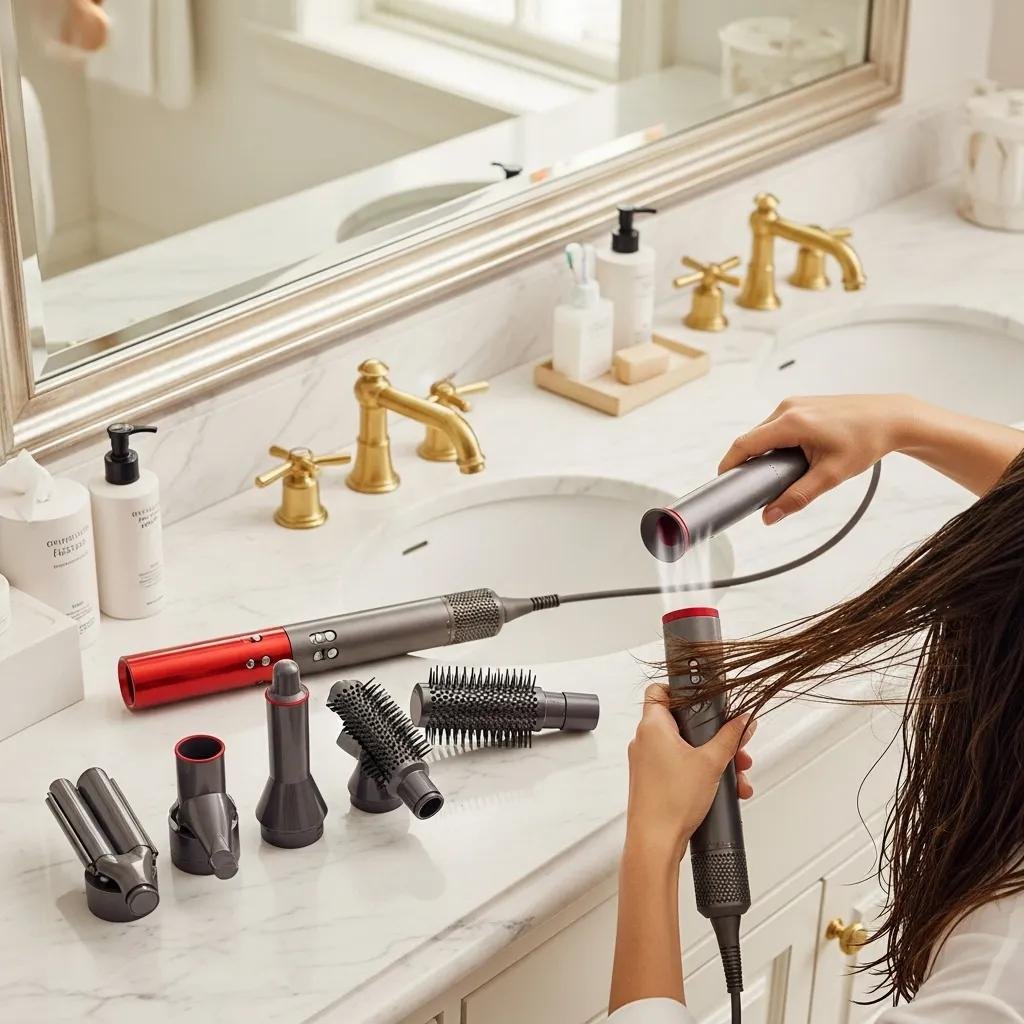
- Volumizing Hot Air Brushes: These combine a blow dryer and a round brush. They dry and style hair at the same time, adding volume and smoothness. They are excellent for creating a salon-style blowout at home.
Air Stylers (Multi-stylers)
These newer tools use air to style hair, often with less heat damage. They can dry, curl, wave, and smooth hair using various attachments. They are a good all-in-one option for those who want versatility.
Key Features to Look for in Styling Tools
When deciding what hair styling tool is best for home use, consider these important features. They impact performance, safety, and how well the tool suits your hair.
Heat Settings and Control
This is perhaps the most crucial feature. Look for tools with adjustable temperature settings. Fine or damaged hair needs lower heat (around 250-300°F). Thick or coarse hair may need higher heat (350-400°F). Digital displays offer precise control.
Material (Ceramic, Tourmaline, Titanium)
As discussed, different materials suit different hair types. Ceramic is gentle and even. Tourmaline adds shine and reduces frizz. Titanium is powerful for thick hair. Choose based on your hair’s needs.
Size and Barrel Shape
For flat irons, plate width matters. Narrow plates (1 inch) are good for short hair or bangs. Wider plates (1.5-2 inches) are better for long, thick hair. For curling tools, barrel size determines curl tightness.
Cord Length and Swivel
A longer cord (6-9 feet) offers more flexibility. A swivel cord prevents tangles and makes styling easier. This is a small detail that makes a big difference in comfort.
Safety Features (Auto Shut-off)
An automatic shut-off feature is a must-have. It turns off the tool after a period of inactivity. This prevents accidents and gives you peace of mind if you forget to unplug it.
Ergonomics and Weight
A lightweight, comfortable tool is easier to use, especially for longer styling sessions. Test how it feels in your hand. Good ergonomics reduce strain on your wrist and arm.
Matching Tools to Your Desired Style
Your styling goals directly influence what hair styling tool is best for home use. Here’s a quick guide to match tools with popular looks.
For Straightening
A flat iron is your primary tool for sleek, straight hair. For a softer, less intense straighten, a heated straightening brush works well. A powerful hair dryer with a concentrator nozzle and a round brush can also create a smooth, straight blow-out.
For Curling and Waves
Curling irons create defined curls. Curling wands give more natural, beachy waves. Hot rollers are excellent for soft, voluminous curls that last. Even a flat iron can create beautiful waves with the right technique.
For Volume and Blowouts
A good hair dryer with a round brush is key for volume. Volumizing hot air brushes combine these two steps for ease. Hot rollers also add significant volume and bounce, especially at the roots.
For Quick Touch-ups
Smaller, travel-sized flat irons or curling wands are great for quick fixes. A heated straightening brush can quickly smooth out bedhead or frizz. A dry shampoo can also refresh roots and add volume between washes.
Comparing Top Styling Tools
Here is a comparison of common home styling tools to help you decide what hair styling tool is best for home use for your specific needs.
| Tool Type | Primary Function | Pros | Cons | Best For |
|---|---|---|---|---|
| Hair Dryer | Drying hair, adding volume, smoothing | Fast drying, versatile with attachments, essential base tool | Can cause frizz if used improperly, requires technique for styling | All hair types, daily use, creating foundational styles |
| Flat Iron | Straightening, creating waves/curls | Achieves sleek straight looks, versatile for waves, quick heat-up | High heat can damage hair, requires heat protectant, can flatten volume | Straightening all hair types, creating defined waves/curls |
| Curling Iron/Wand | Creating curls and waves | Variety of curl types (depending on barrel size), defined results | Can be tricky to use, risk of burns, requires heat protectant | Adding texture, creating bouncy curls or loose waves |
| Hot Rollers | Adding volume, soft curls, bounce | Gentle heat, long-lasting curls, adds significant volume | Takes longer to heat up and set, less defined curls than irons | Fine/medium hair, adding volume, soft, bouncy styles |
| Heated Brush | Smoothing, light straightening, adding volume | Gentler than flat irons, quick touch-ups, easy to use | Less intense straightening, may not work for very curly hair | Frizz control, light straightening, adding volume during blow-dry |
| Air Styler | Drying, curling, waving, smoothing with air | Less heat damage, multi-functional, versatile attachments | Can be expensive, learning curve for techniques, may not be as powerful as dedicated tools | All hair types, those seeking less heat damage, versatile styling |
Essential Tips for Safe and Effective Home Styling
Using your styling tools correctly is just as important as choosing them. These tips will help you protect your hair and get the best results.
Always Use Heat Protectant
This is non-negotiable. A good heat protectant spray or serum creates a barrier between your hair and the heat. It helps prevent damage, dryness, and breakage. Apply it evenly to damp or dry hair before using any heat tool.
Start with Lower Heat
You don’t always need the highest setting. Begin with the lowest effective temperature for your hair type. Gradually increase the heat only if needed. This minimizes heat exposure and damage.
Work in Small Sections
Styling small sections of hair ensures even heat distribution and better results. It also prevents you from having to go over the same section multiple times, which can cause damage.
Don’t Over-Style
Avoid holding heat tools on your hair for too long. A quick pass is usually enough. Repeated passes or prolonged exposure can lead to burning and breakage. Let your hair cool completely before touching it to set the style.
Clean Your Tools Regularly
Product buildup can accumulate on your styling tools. This can make them less effective and even burn your hair. Wipe down flat irons and curling wands with a damp cloth when cool. Clean hair dryer filters regularly to maintain airflow.
Store Tools Properly
Store your tools in a safe place where they won’t get damaged. Many tools come with heat-resistant pouches. This also protects surfaces from residual heat after use.
FAQs
How often should I clean my hair tools?
You should clean your hair tools regularly, ideally after every few uses or once a week if you use them often. Product buildup can make them less effective and even damage your hair over time.
Is it okay to use styling tools every day?
Using heat styling tools every day can lead to heat damage, dryness, and breakage. It’s best to limit heat styling to a few times a week. Always use a heat protectant and consider air-drying when possible.
What’s the difference between a curling iron and a curling wand?
A curling iron has a clamp to hold your hair in place, creating more uniform curls. A curling wand does not have a clamp; you wrap your hair around the barrel manually, which often results in more natural, looser waves.
Do expensive hair tools make a difference?
Often, yes. More expensive tools tend to have better materials (like ceramic, tourmaline, or titanium), more precise heat control, and advanced technologies that reduce damage and improve styling results. However, there are also great mid-range options.
How do I protect my hair from heat damage?
Always use a heat protectant spray or serum before styling. Use the lowest effective heat setting for your hair type. Work in small sections to avoid re-applying heat. Also, try to limit how often you use heat tools.
Conclusion
Deciding what hair styling tool is best for home use comes down to understanding your hair type and your desired styles. There isn’t a single perfect tool, but rather a collection that suits your needs. A quality hair dryer, a versatile flat iron, and a curling tool are excellent starting points for most home stylists. Remember to prioritize tools with adjustable heat settings and always use heat protectant to keep your hair healthy.
Take time to assess your hair and styling goals, then choose the tools that will help you achieve your favorite looks safely and effectively.
Related posts
 Best Compact Powder for Women: 2026 Buyer Guide
Finding the best compact powder for women in 2026. We compare top-rated matte, mineral, and lightweight pressed powders to help you choose the right finish. Finding…
 Best Casual Wear for Women: 2026 Style and Comfort Essentials
Discover the best casual wear for women in 2026. We compare top-rated trousers and versatile tops to help you build a comfortable, stylish everyday wardrobe. Finding…
 Best Claw Clips for Thick Hair in 2026
Finding the best claw clips for thick hair requires a balance of grip and size. Explore our top 2026 recommendations for secure, stylish, and reliable styling.…